
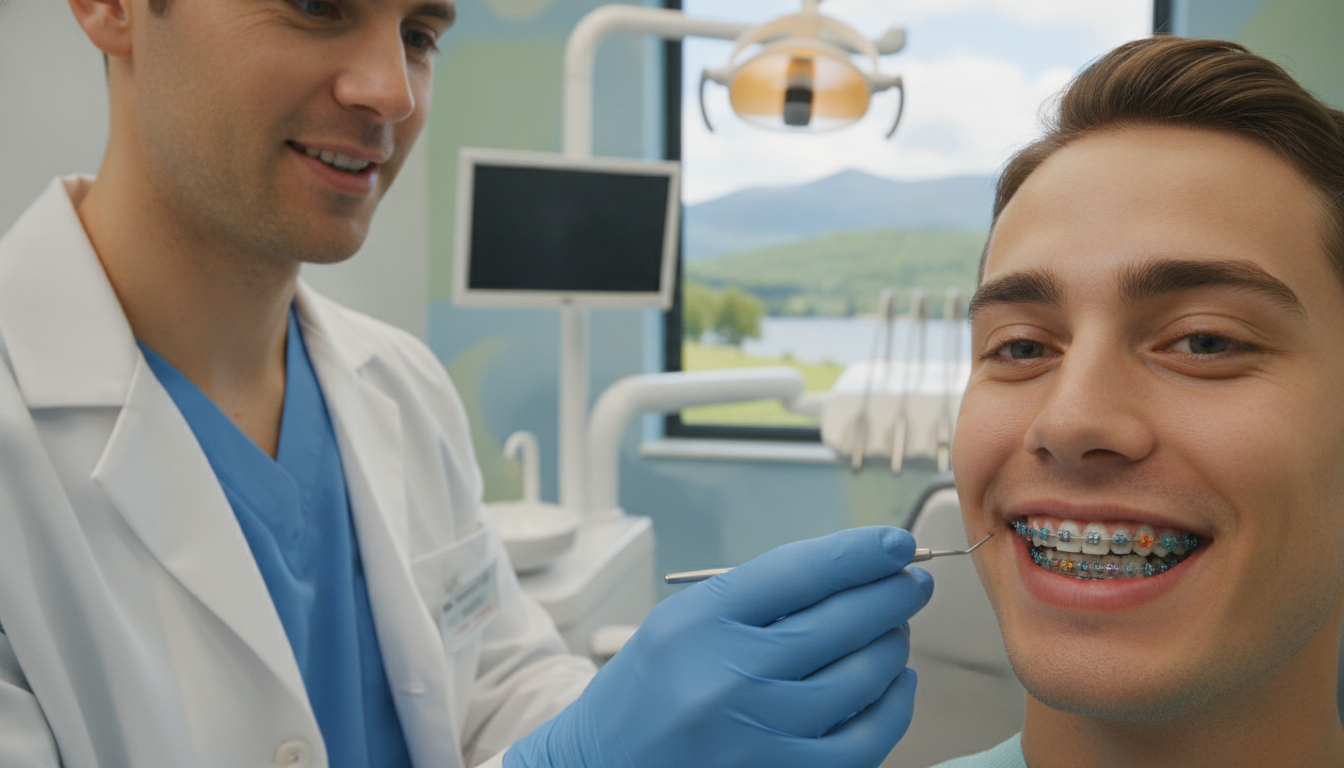
We provide expert care for your smile at our clinic in Parramatta, where patient comfort and long-term dental health come first. Our team works with you—step by step—to make treatment clear, gentle and stress-free.
Choosing treatment is a big decision. We understand this, so our staff offers personalised plans that fit your lifestyle and needs. If you’re seeking professional braces to improve alignment, please call our friendly team on 02 8036 2411 for a calm, practical consultation.
We believe everyone deserves a confident smile. By calling 02 8036 2411, you can start with advice from experienced, compassionate professionals who focus on comfort and lasting results.
Key Takeaways
- We prioritise comfort and long-term oral health in every treatment.
- Personalised plans help suit busy lives and family needs.
- Contact our friendly team on 02 8036 2411 for a calm consultation.
- Experienced clinicians support you through each step of care.
- Our approach aims for a healthy, confident smile with gentle treatment.
Understanding the Role of Braces and Orthodontics
Guiding teeth into better positions is a gentle, time-tested path to a healthier smile. Modern orthodontic treatment works by applying steady force to move teeth into balanced positions over time.
This approach helps to straighten teeth and improves bite function for patients of all ages. We monitor progress closely so each phase of treatment supports comfort and lasting results.
Choosing the right option matters. Our clinic offers several options to suit busy schedules and personal needs. That way, the alignment of your teeth supports good oral health and daily comfort.
- Well-established methods that correct alignment with proven safety.
- Careful monitoring to achieve both function and appearance.
- Investment of a little time now can prevent bigger issues later by protecting overall dental health.
Signs You May Benefit from Orthodontic Treatment
Noticing changes in your bite or crowded teeth is a useful prompt to seek professional advice. We encourage early review for children, teens and adults so small issues do not become bigger problems.
Common Alignment Issues
Crowding, gaps or rotated teeth often affect how your smile looks and functions. Many people find overlapping teeth harm their appearance and confidence.
If you have jaw discomfort or trouble chewing, an orthodontist can check whether bite problems need correction. We see adults with shifting teeth who want practical, discreet solutions.
Benefits for Adults and Children
- Early assessment can guide jaw development and reduce severe crowding later.
- Correcting alignment improves chewing, reduces discomfort and supports long-term dental health.
- Braces use remains effective at any age — many adults choose treatment to restore function and confidence.
“A small adjustment now often prevents larger dental problems in the future.”
| Concern | What we assess | Likely benefit |
|---|---|---|
| Crowding | Tooth position, jaw space | Improved alignment, easier cleaning |
| Bite discomfort | Jaw relationship, chewing function | Reduced pain, better function |
| Shifting teeth (adults) | Stability, wear patterns | Restored appearance, long-term stability |
How Braces Work to Straighten Teeth
A simple system of brackets and a thin archwire guides steady change. Brackets are bonded to each tooth, and the archwire applies gentle, consistent pressure to encourage precise tooth movement.
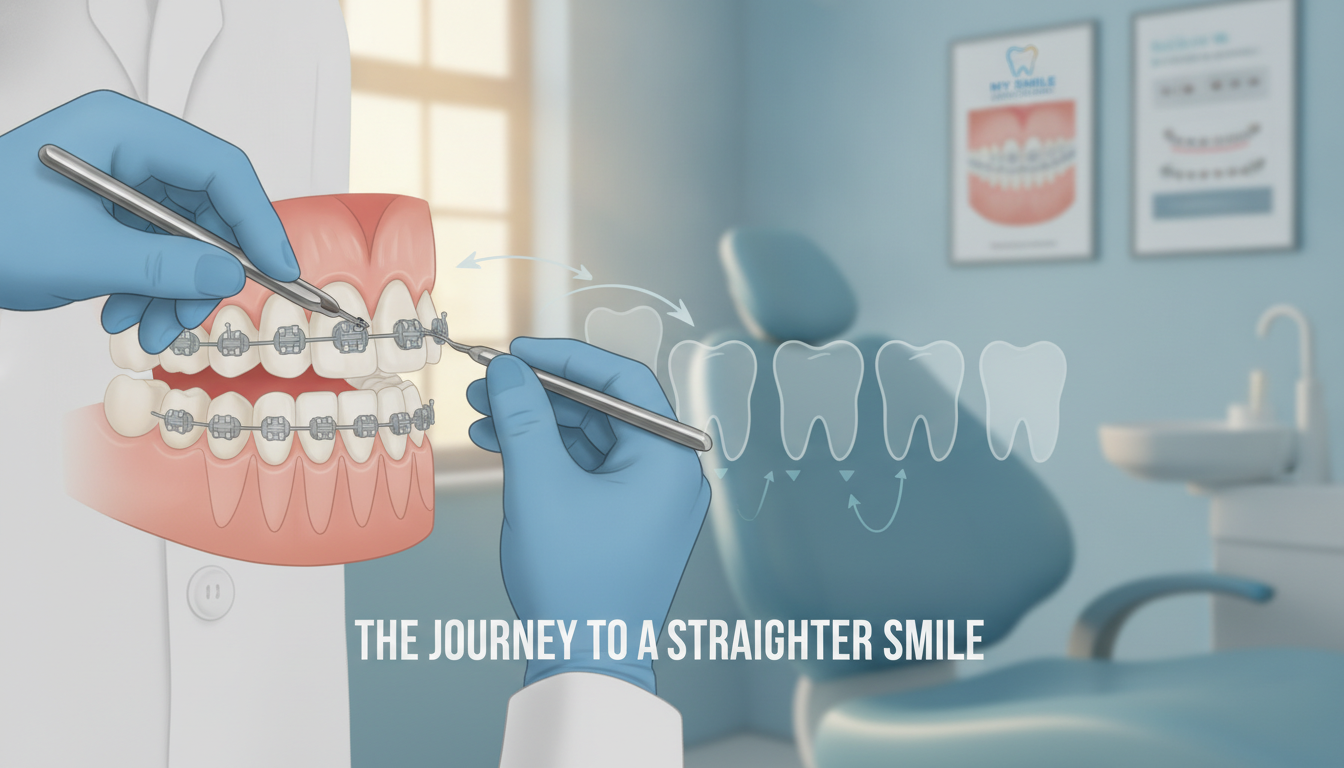
We monitor progress closely — your orthodontic treatment is adjusted so movement is safe and effective. You may notice mild discomfort at first; this is a normal sign that teeth are shifting into new positions.
Each personalised plan aims to straighten teeth efficiently, building a balanced bite and a healthier mouth. Over time, the controlled movement improves function and overall alignment.
- The way this treatment works is predictable and evidence-based.
- Our team keeps people comfortable while tracking tooth movement at every visit.
- We design care to protect long-term dental health and restore confident smiles.
“Gentle, steady force helps teeth reach their ideal positions with care.”
Exploring Different Types of Braces and Aligners
Some cases need strong, proven hardware while others respond well to near-invisible aligners. We assess each smile so we can recommend the best option for your case.
Traditional Metal Braces
Traditional metal options use high-quality brackets and wires to guide teeth with dependable results.
We carefully manage the bands and wire components of these appliances to keep progress on track.
Ceramic Options
Ceramic systems offer a less noticeable appearance while keeping the same functional control as metal.
They suit patients who want discretion without sacrificing reliable tooth movement.
Clear Aligners
Clear aligners are a discreet option for many everyday cases, especially when aesthetics matter.
They work well for mild to moderate shifts and let patients remove the appliance for eating and cleaning.
- Options include metal, ceramic and removable aligners to match lifestyle needs.
- We explain how each type moves teeth so you understand the expected outcome.
different kinds of braces are discussed during consultation so you can choose with confidence.
The Initial Consultation and Assessment Process
At the initial visit, we collect detailed information to shape a tailored treatment plan. Our aim is to make the consultation calm and clear so you feel safe asking questions.
During this appointment our orthodontist will review your dental history, examine how your teeth meet, and identify any alignment issues that affect bite or comfort.
We use advanced imaging to map tooth positions and plan precise tooth movement. This helps us show the likely path of change and the type of appliance that best suits your needs.
- We gather the necessary information to create a personalised, evidence-based plan.
- We explain options clearly — from traditional metal work to clear aligners — so you can make an informed choice.
- Discussion of goals and timing ensures the chosen way of treatment fits your life and long-term oral health.
“A thorough assessment today means safer, more predictable movement tomorrow.”
Managing Discomfort and Adjustments
You may notice a gentle squeeze or pressure soon after adjustments — this is expected. That feeling shows tooth change is underway and usually eases within a few days.
Tips for Managing Pressure
Expect mild soreness. It is common to feel some pressure after your orthodontist adjusts your metal braces, but this discomfort usually settles as your mouth adapts.
- Be mindful of the foods you eat — hard or sticky items can damage brackets, wire or bands during treatment.
- Over‑the‑counter pain relief and soft foods help while tenderness fades.
- Keep regular adjustment appointments to maintain correct tension for steady movement.
We support you every step of the way. Our team shares simple care tips to keep your tooth movement comfortable and to protect your mouth during treatment. If something feels unusually sharp or persistent, contact us — we will review the appliance and help restore comfort.
“Small discomfort often means progress — and we’re here to make it as easy as possible.”
Maintaining Oral Health During Your Treatment
Small routines at home protect your smile and help treatment run on time. Excellent oral health matters while appliances sit on your teeth — it reduces plaque, protects gums and keeps progress steady.
Brackets and wires can trap food and plaque, especially around metal braces. We teach easy cleaning steps that target these areas so you avoid decay and staining.
Our team shows the best brushing and interdental techniques during visits. Your orthodontist will check that you clean well and suggest changes to keep treatment on schedule.
Be careful with certain foods — hard or sticky items can bend wires or loosen brackets, which may extend time in care. A little caution saves extra clinic visits and keeps every tooth moving as planned.
- Follow a strict cleaning routine for the best results.
- Use interdental brushes or floss to clear food from around brackets.
- Attend regular check-ups so we can spot issues early.
“Consistent care at home, with regular check-ups, keeps teeth healthy through every stage of treatment.”
If you have questions about daily care or diet, see our FAQs or ask us at your next visit — we are here to help you every step of the way.
Factors Influencing the Duration of Your Care
Time in treatment is not fixed; it reflects the unique needs of every case. The length of care depends on the complexity of crowding, the desired tooth positions and the chosen appliance.
We review each case and explain how different types of appliances can change the expected time. Whether you select clear aligners or traditional metal work, your commitment to the plan matters most.
Patient cooperation speeds results. Wearing aligners as directed, attending appointments, and following home-care guidance all help tooth movement stay on schedule.
Some issues require more precise control — these cases may take longer but yield stable outcomes. We monitor progress closely, adjust the plan when needed, and help you understand milestones along the way.
- The complexity of your crowding affects overall time.
- The type of appliance and how you use it make a real difference.
- We aim for efficient movement so teeth reach ideal positions with care.
“A clear plan, regular review and good compliance shorten the journey to a confident smile.”
Visit Our Parramatta Clinic for Expert Care
Visit our Parramatta clinic to meet a team that puts comfort and clear information first. We offer calm, practical advice so you can choose the best plan for your teeth and long‑term health.
Contact Information
Phone: Call 02 8036 2411 to book an assessment or ask for treatment information.
Online: For local dental support see our page for a Dentist in Parramatta.
Location Details
- Visit our expert team at 37 Grose St, Parramatta, NSW, 2150, Sydney, Australia — bright, accessible premises designed for comfort.
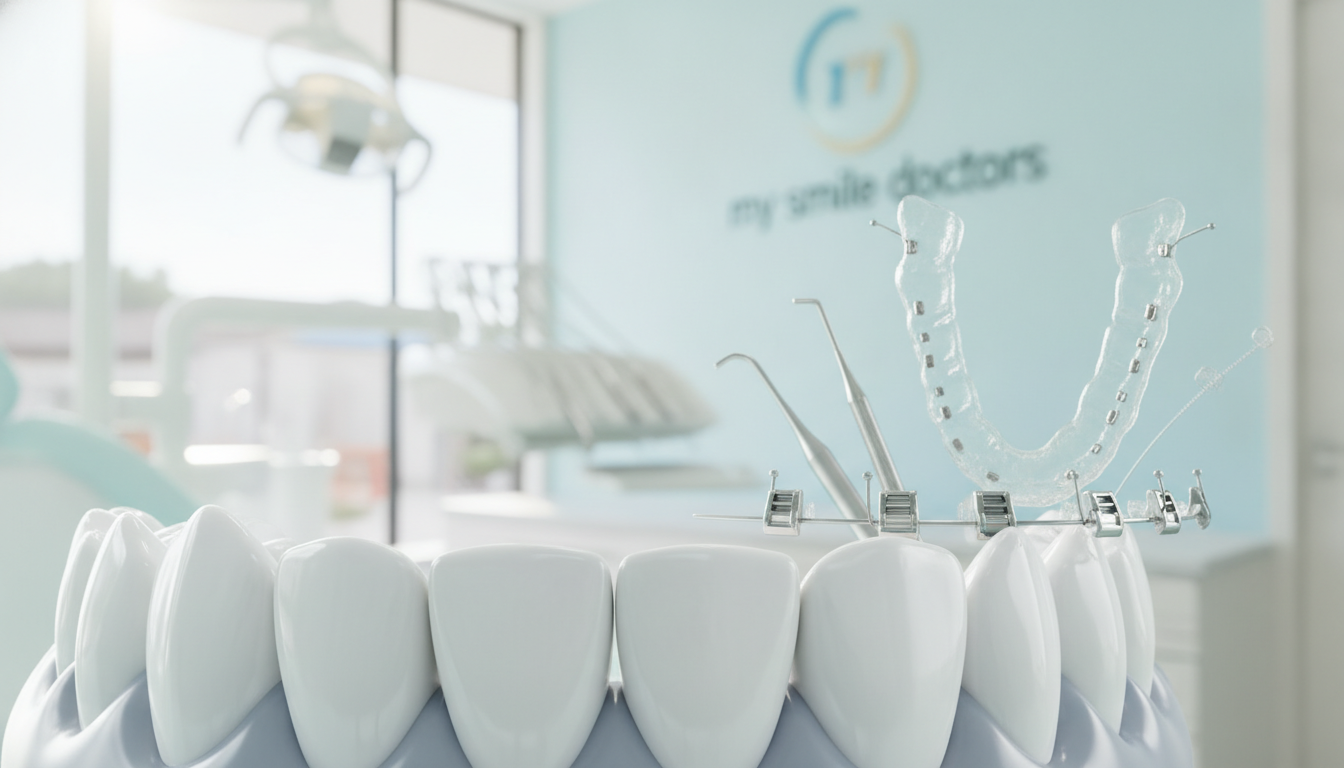
- We offer tailored plans for many cases — from metal options to ceramic or clear aligners — supplied by an experienced orthodontist.
- We fit brackets, wires and bands carefully so appliances work well while protecting oral health.
“Professional care close to home gives families and professionals the confidence to start treatment.”
Conclusion
Beginning care to improve tooth position often feels manageable with the right support and clear information.
Choosing orthodontic treatment is a positive step toward better oral health, a balanced bite and an improved appearance. Small, steady changes to your teeth protect long‑term dental health and boost confidence.
We invite you to book a consultation with our orthodontist so you have the information you need to decide. While some initial pressure or mild discomfort is normal, the long‑term benefits are worth the effort.
Our team supports people of all ages — we make the process comfortable and clear. Call 02 8036 2411 to start your treatment and take the first step toward a healthier, confident smile.