
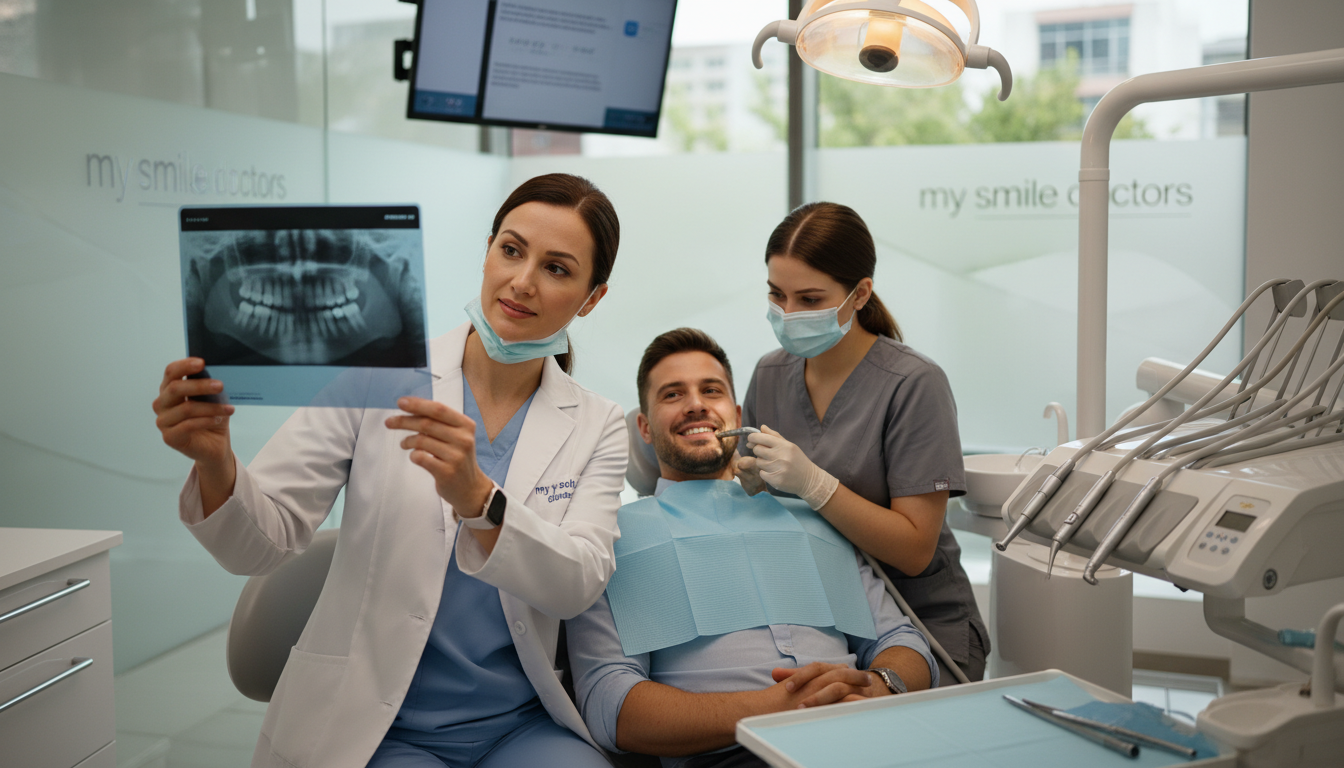
We understand how sudden dental pain can unsettle your day. At our Parramatta clinic, we provide calm, professional care to help you regain comfort quickly. Our team works with kindness and clinical skill to manage issues arising from problematic wisdom teeth.
Call us on 02 8036 2411 if you need prompt attention — we aim to see patients quickly and ease discomfort with a gentle approach. Our clinicians use modern techniques for safe removal and careful aftercare, so you feel supported through every step of the procedure.
Choosing our practice gives you experienced clinicians, clear communication and a focus on your comfort. We guide you through the process, explain options and put your well‑being first.
Key Takeaways
- We offer caring, timely treatment for problematic wisdom teeth in Parramatta.
- Phone 02 8036 2411 for prompt assessment and appointment booking.
- Our team uses modern methods for safe removal and clear aftercare advice.
- We focus on reducing anxiety and keeping you comfortable before, during and after the procedure.
- Experienced clinicians deliver quality care tailored to your needs.
Understanding the Need for Emergency Wisdom Tooth Extraction
Late-developing molars may sit beneath the gum and create complications if there isn’t adequate room to accommodate them.
These third molars usually appear between the ages of 17 and 25. Many people find the jaw lacks the necessary room, so the molars either push other teeth or remain impacted in the bone.
When a wisdom tooth becomes impacted it can cause pain, swollen gums and other complications. Our dentist will assess your mouth and jaw to see if teeth removal is the safest path.
We aim to act quickly and thoughtfully — evaluating X-rays, explaining the procedure and planning care to suit your needs.
Quick comparison to help you understand common outcomes:
| Condition | Common Signs | Typical Action |
|---|---|---|
| Normal eruption | No pain, aligned molars | Routine monitoring |
| Impacted molar | Pain, swollen gums, limited room | Professional removal after assessment |
| Infection risk | Redness, persistent soreness | Prompt dental review and treatment |
If you are concerned about discomfort or signs of impaction, read more about our wisdom teeth removal services and how we support patients through safe, compassionate care.
Common Symptoms of Impacted Wisdom Teeth
Many people first notice a recurring ache at the back of the mouth before any other sign appears.
Signs of infection
Pericoronitis happens when food and bacteria get trapped beneath the gum, causing pain and inflammation.
You may see swelling, redness of the gums, or feel heat in the area. These are clear signals to seek professional care.
Indicators of impaction
- Persistent pain in the back of the mouth or jaw — often the first clue that teeth are impacted.
- Referred pain in the ears or nearby teeth, and cyclic discomfort that comes and goes.
- Pressure on adjacent molars, which can cause damage, decay or unwanted crowding.
- Difficulty opening the mouth or swallowing — a serious sign of complications in the jaw area.
We help many people identify these signs early, so infection or decay does not spread to healthy areas of the mouth. If you notice any of the above, contact our clinic for a calm, timely assessment and clear next steps.
Why Prompt Treatment is Essential
Acting early often keeps procedures simple and recovery smooth, protecting your smile and comfort.
Delays increase risk. Impacted molars can press on neighbouring teeth and cause decay or permanent damage if left too long.
Small infections may spread into deeper tissues. Over time, cysts or even benign tumours can form in the jawbone and need more complex care.
Risks of Delaying Treatment
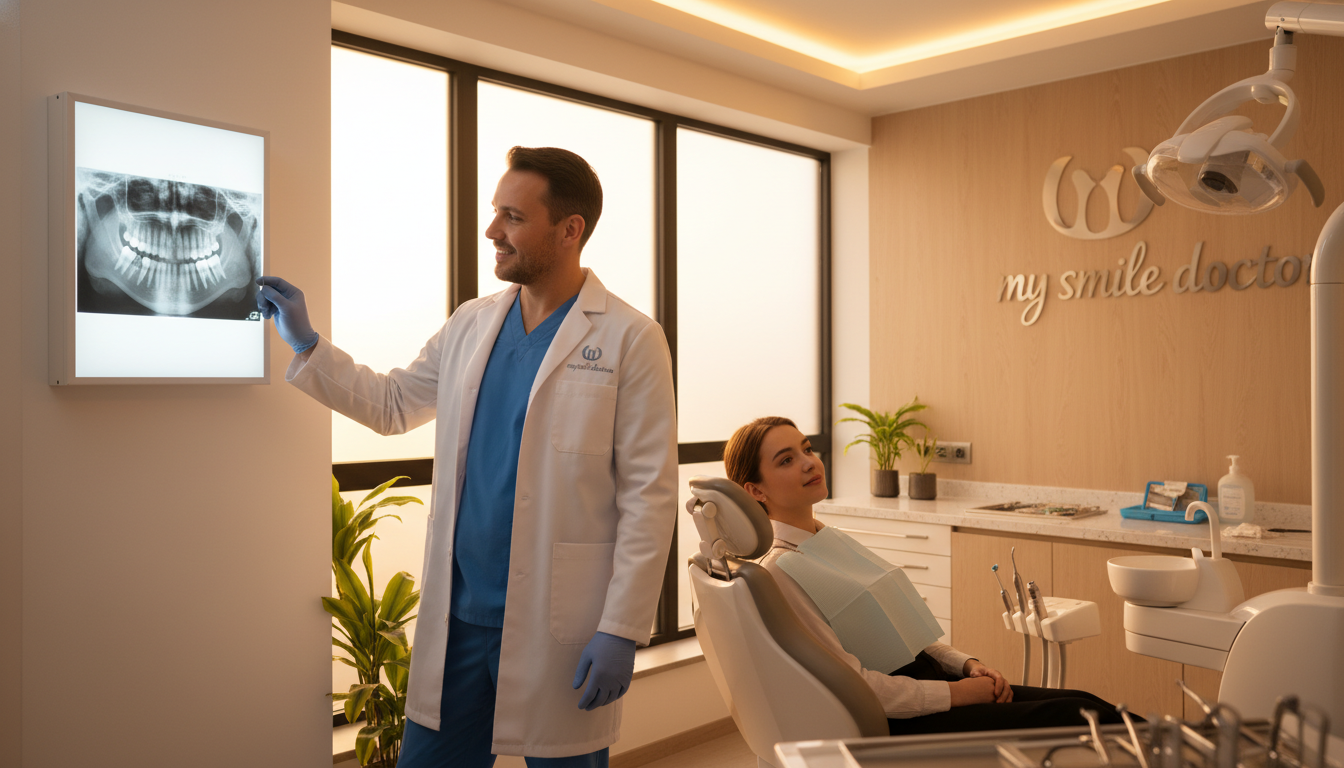
- Seeking prompt wisdom teeth removal helps prevent infections that spread beyond the immediate area.
- Delaying treatment can lead to increased pain and more complex surgical procedures.
- Early intervention protects adjacent teeth from pressure-related damage and long-term crowding.
| Issue | What can happen | Why timely removal helps |
|---|---|---|
| Infection | Spreading soreness, swelling, possible systemic effects | Limits spread and simplifies care |
| Cysts / tumours | Bone loss, structural changes in the jaw | Early detection reduces need for extensive surgery |
| Crowding & decay | Movement of teeth, higher decay risk in adjacent teeth | Prevents long-term bite problems and further teeth removal |
We recommend early assessment so treatment stays predictable and recovery is easier. Our team provides efficient wisdom teeth removal and clear guidance to protect your oral health.
What to Expect During Your Procedure
You’ll be guided through a calm, step‑by‑step process that keeps comfort and safety front of mind.
On arrival we check your scan and discuss options — local anaesthesia, sedation or, if you prefer, general anaesthesia at St Andrews Day Hospital with Dr Sam Hadjipetrou. We tailor the approach to your needs so pain is carefully managed.
The actual procedure usually takes about 30 to 60 minutes, depending on the position of the molars and any complexity. In some cases a small incision in the gums is needed to access the area.
“We take the time to explain every step of the procedure to put your mind at ease.”
After the removal we provide clear post‑operative instructions to control swelling and discomfort. Our modern techniques reduce risk and help avoid complications or damage to nearby teeth and jaw.
If you have questions, we will answer them — we know many people feel anxious, and we are here to support you throughout the process.
Managing Discomfort Before Your Appointment
Short-term measures can ease mouth discomfort while you wait for an appointment with our team.
If you have pain or swelling, follow simple steps to keep the area calm until you see a dentist.
- Apply a cold compress to the outside of your cheek near the affected area to reduce swelling.
- Rinse gently with warm saltwater — this soothes inflammation and helps with mild discomfort.
- Avoid hard, spicy or hot food that could irritate the site before professional removal.
- Stay hydrated, but do not use straws — suction can dislodge a clot and cause complications.
- Keep your head elevated when resting to limit swelling and ease pain.
- If you need to book appointment, call our clinic promptly so we can assess and arrange care for the affected area.
These steps won’t replace clinical treatment, but they help you stay comfortable while we prepare for the planned extraction or removal procedure.
Post-Operative Care and Recovery Instructions
After your procedure, simple at-home care helps your mouth heal more quickly and with less discomfort. We give clear instructions so you know what to expect and how to protect the surgical area.
Dietary recommendations
Follow a soft food diet for the first few days to avoid irritating the site. Choose soups, yoghurt, mashed vegetables and smoothies (no straws).
Avoid smoking, spitting or using a straw for at least 24 hours — these actions can dislodge the clot and raise the risk of complications.
Managing swelling
Apply an ice pack to the outside of your jaw for 20 minutes on, 20 minutes off during the first day to limit swelling and ease pain.
From day two, warm compresses and gentle salt‑water rinses can support healing and reduce soreness. If signs of infection appear, contact us without delay.
Activity restrictions
Avoid heavy lifting, strenuous exercise and intense bending for 24 hours. Rest helps the body focus on healing and reduces the chance of bleeding.
If you experience persistent pain, unusual bleeding or any worrying symptoms, call our dentist so we can advise or arrange follow‑up care.
“Follow these simple steps and you’ll give your mouth the best chance to heal quickly and comfortably.”
For detailed aftercare guidance, see our aftercare guidance and contact our clinic if you have questions about your recovery.
Our Commitment to Compassionate Dental Care
From first contact to follow-up, we aim to make each visit calm, clear and focused on your needs.
We prioritise comfort. Our team provides gentle treatment for patients dealing with difficult wisdom teeth issues.
Our dentist listens to your concerns and explains options in plain language. This helps reduce anxiety and builds trust.
- Personalised planning that respects your health and schedule.
- Advanced techniques to protect adjacent teeth and speed recovery.
- A warm, supportive environment so patients feel heard and cared for.
We take pride in delivering high standards of care and clear guidance. You’ll receive practical aftercare and follow-up to suit your recovery.
“Our mission is to provide exceptional care that addresses your concerns and makes you feel valued.”
Visit Our Parramatta Clinic for Urgent Assistance
If sudden mouth pain interrupts your day, our Parramatta team is ready to help you quickly and kindly. Visit us at 37 Grose St, Parramatta, NSW, Sydney, Australia for focused care and clear guidance.
You can call our friendly staff on 02 8036 2411 to book an appointment and receive immediate advice about your wisdom teeth removal or teeth removal options.
Our clinic is fully equipped to manage tooth extraction with precision to reduce the risk of complications. On arrival, our team will explain the procedure and give simple instructions to control discomfort and swelling until treatment begins.
We prioritise your needs — providing calm support, practical aftercare tips about food and oral hygiene, and a clear plan to treat infection or pain as needed.
- Prompt assessment and personalised treatment planning.
- Clear post‑care instructions for comfort and faster healing.
- A caring team focused on reducing risk and restoring oral health.
Don’t let pain persist — contact us at 02 8036 2411 to book an appointment and let our experienced team restore your comfort and mouth health.
Conclusion
Good oral care and timely assessment protect your smile and prevent future complications. Keeping an eye on your wisdom teeth and general oral health helps avoid more involved treatment later and keeps your teeth strong.
If you have discomfort or signs of infection, please call to book an appointment with our experienced dentist. We provide calm, skilled care for urgent issues and can arrange teeth removal when needed to relieve pain and prevent further problems.
Follow our post‑operative instructions to support steady recovery and healing after the procedure. Our team is here to guide you — we strive to make every visit comfortable, clear and supportive so you leave feeling cared for and confident in your oral health.