
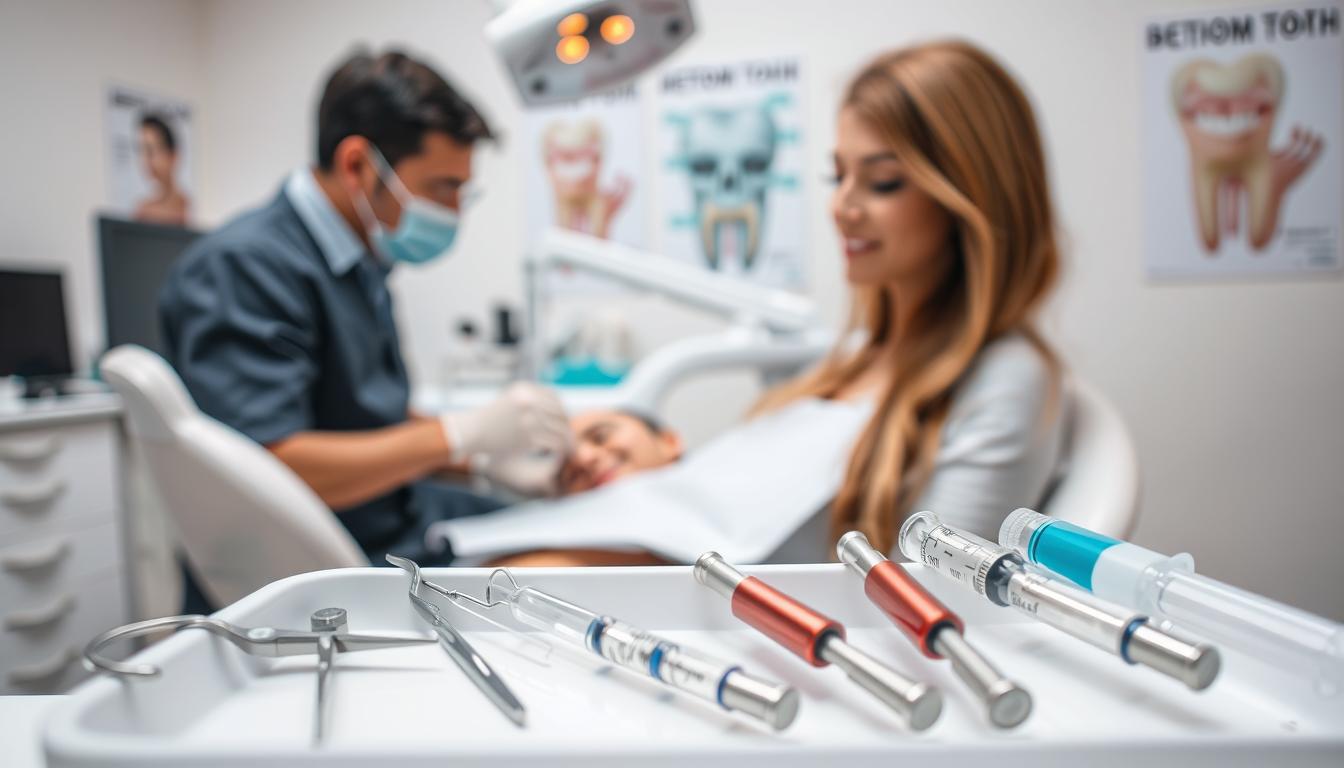
We know facing a procedure can feel worrying — and that’s why our Parramatta clinic focuses on calm, clear care from the first phone call to follow-up appointments.
Our local team blends clinical skill with a gentle approach so patients feel supported every step of the way. We explain the process plainly, answer questions, and tailor aftercare to suit busy lives.
Comfort and safety are central to our practice — from modern equipment to compassionate staff who make recovery easier. We help you understand how to manage healing, protect oral health and return to normal routines quickly.
Choosing our clinic means partnering with experienced professionals who prioritise your wellbeing and provide clear guidance about tooth extraction and recovery. Trust us to keep things simple, warm and professional.
Key Takeaways
- Our Parramatta clinic offers caring, expert guidance through every stage.
- We use clear explanations and tailored aftercare to reduce anxiety.
- Comfort, safety and modern care are our top priorities.
- Our team supports rapid, safe recovery and better oral health.
- Choose a local practice that values trust and patient experience.
Understanding Wisdom Tooth Extraction
Knowing what to expect helps calm nerves and lets us plan care that fits your life.
When do these teeth appear? They usually emerge between 17 and 25 years old. For many young adults, one or more remain trapped in the jaw bone.
Research shows about 80 out of 100 young people will have at least one molar still within the bone. Our dentist will check your mouth and X-rays to see if removal prevents crowding or misalignment.
The standard procedure is efficient. Most cases take around 45 minutes to one hour depending on complexity.
- Initial exam and X-ray to assess the tooth and surrounding bone.
- Local anaesthetic and step-by-step care explained to patients.
- Removal and simple aftercare instructions to support healing.
| Item | Typical Detail | Why it matters |
|---|---|---|
| Age range | 17–25 years | Monitoring starts early to avoid crowding later |
| Prevalence | ~80% have at least one retained molar | Common issue that often needs review |
| Procedure time | 45–60 minutes | Efficient care with focused recovery plan |
| Consultation | Exam + X-ray | Personalised decision by your dentist |
For more detail on the process and what to expect, see our detailed guides at NHS wisdom tooth removal and our local removal services. We explain every step so you feel fully supported before any procedure.
Common Wisdom Tooth Extraction Complications
C
Following surgery, a few issues can arise; recognising them helps us act quickly for your comfort.
Dry Socket
What it is: A dry socket happens when the protective blood clot in the socket dissolves or becomes dislodged.
This exposes bone and nerve endings and causes sharp pain that often appears a few days after the procedure.
It is a common problem but treatable — we clean the area and place a medicated dressing to ease pain and support healing.
Nerve Damage
What to watch for: Nerve damage can cause temporary numbness or altered sensation in the lip or tongue.
Our team monitors for these symptoms closely and provides targeted care to reduce lasting effects.
- We check for signs of infection or persistent pain and act early.
- We manage the surgical area to limit bruising, bleeding and impact on surrounding bone and soft tissue.
- If you notice prolonged pain or an unpleasant taste, contact us promptly — these can be signs of a problem.
| Issue | Typical Sign | Usual Action |
|---|---|---|
| Dry socket | Severe local pain, exposed socket | Medicated dressing, pain control, follow-up |
| Nerve irritation | Numbness in lip or tongue | Monitoring, neurosensory tests, supportive care |
| Infection | Swelling, persistent pain, bad taste | Antibiotics, drainage if needed, review |
Recognising Signs of Postoperative Infection
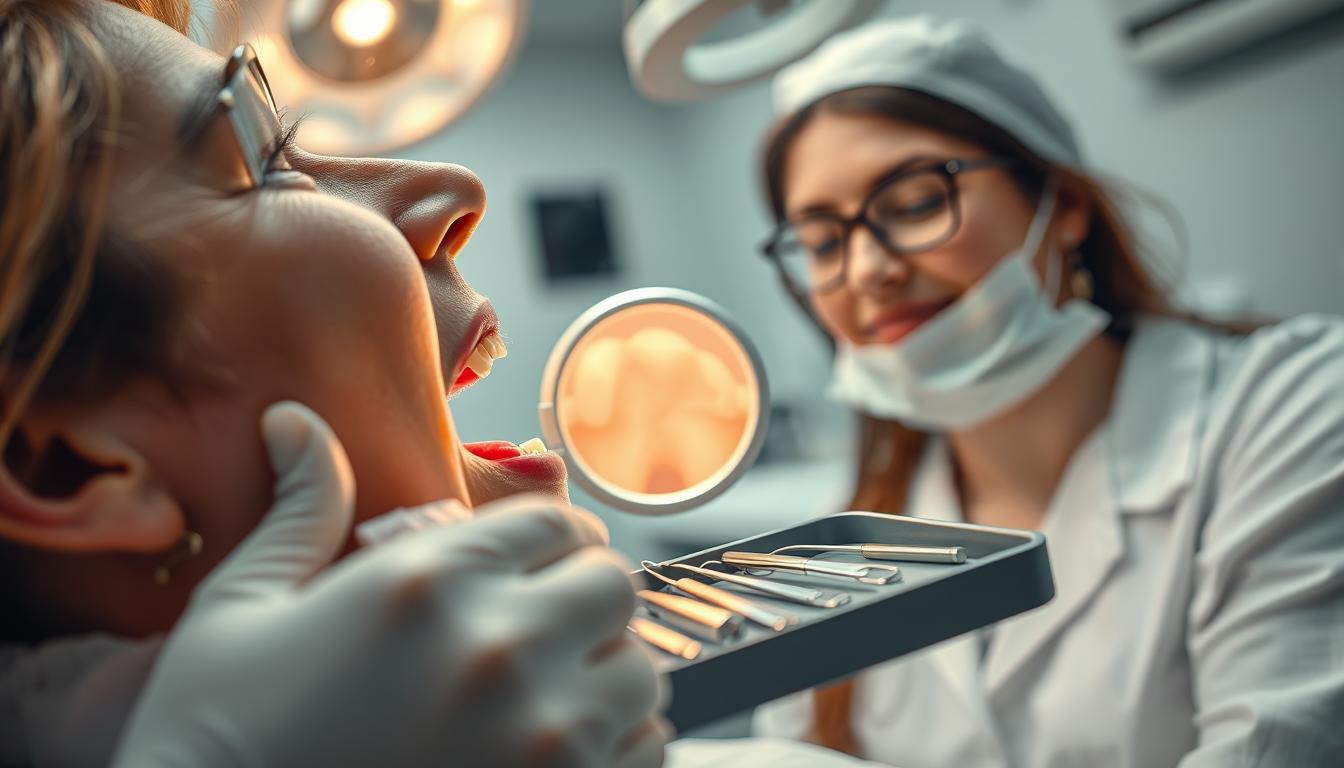
After surgery, spotting early signs of infection helps us act fast and keep pain under control.
Persistent pain at the back of the mouth is a primary warning sign we monitor closely following removal of a wisdom tooth. If pain grows after the first 48–72 hours, please call us for a review.
Look for gum redness, swelling or reduced jaw opening — these often point to an emerging infection. An unpleasant taste or bad breath can also signal that bacteria are building up despite normal oral hygiene.
- Persistent pain that worsens rather than eases.
- Gum inflammation or pus near the socket.
- Limited jaw movement and difficulty eating.
- An unpleasant taste or breath that doesn’t improve with rinsing.
“Early detection lets us treat infection promptly and protect healing.”
We provide clear aftercare and practical steps to spot problems early. If you notice any of these signs after an extraction, contact our Parramatta clinic — we are here to support your recovery and keep your teeth healthy.
Managing Pain and Swelling at Home
After surgery, simple home steps can make pain and swelling much easier to handle. We aim to keep guidance practical so you feel supported during recovery.
Using Cold Compresses
Apply a cold pack to the outside of your face for 15–20 minutes on, then 10 minutes off. Use this approach during the first few days to numb the area and limit bruising.
Bite down lightly on gauze to control bleeding and protect the blood clot. This helps promote healing and reduces the risk of a painful dry socket after a tooth extraction.
We will give clear instructions for prescribed medication. Follow dosing times and avoid skipping pain relief when needed — staying comfortable aids recovery and sleep.
- Rest and avoid heavy lifting or exercise for several days.
- Keep your head elevated to reduce swelling and blood flow to the area.
- Use ice packs as directed to reduce bruising around the surgical site.
“Follow our aftercare steps closely — they cut discomfort and speed healing.”
| Care Step | When to Use | Why it Helps |
|---|---|---|
| Cold compress | First 48–72 days (first days) | Reduces swelling and numbs pain |
| Gauze pressure | Immediately after surgery | Controls bleeding and protects blood clot |
| Pain medication | As prescribed by your dentist | Manages pain and improves rest |
| Rest | Several days post-surgery | Allows the body to focus on healing and limits bruising |
Protecting the Healing Socket
A stable blood clot is the small but vital guard that helps your socket heal without pain.
Protecting the blood clot is the key step in preventing a dry socket and avoiding extra pain. After an extraction, avoid vigorous rinsing, spitting or using straws for several days to keep the clot secure.
We advise gentle oral care — light rinses with salt water after 24 hours and soft brushing away from the site. These simple steps reduce the risk of infection and support natural bone and tissue healing.
If bleeding continues beyond the first day, apply gentle pressure with clean gauze and call us for advice. Our team manages the surgical site carefully during follow-up visits to minimise problems and speed recovery.
- Keep activity light for 48–72 hours to protect the socket.
- Avoid smoking and hard or crunchy foods that might disturb the clot.
- Follow our post-extraction care instructions for best results.
“Protecting the socket early means a smoother, more comfortable healing process.”
Dietary Adjustments for a Smooth Recovery

A gentle eating plan in the first days makes healing easier and keeps the socket protected. We recommend soft, nutrient-rich foods that are easy to chew and swallow.
Foods to Avoid
Avoid hot, spicy or crunchy foods for several days. These items can irritate the socket and trap debris that slows healing.
Steer clear of straws and fizzy drinks — suction or bubbles can dislodge the clot and cause extra pain.
- Stick to yoghurt, mashed potato, soups (not piping hot) and smoothies without straws.
- Avoid nuts, chips, seeds and chewy meats until tissues feel normal.
- If you need guidance, we provide personalised advice to protect your teeth and gums.
Hydration Tips
Staying hydrated supports recovery and reduces infection risk.
Drink water regularly, but sip gently. Cold drinks are often more comfortable in the first 48 hours.
| Stage | Recommended | Avoid |
|---|---|---|
| First 48 hours | Yoghurt, smoothies (no straw), mashed potato | Hot drinks, crunchy foods, straws |
| Days 3–7 | Soft fish, scrambled eggs, cooked vegetables | Spicy sauces, sticky sweets, nuts |
| After 7 days | Gradually reintroduce normal foods as comfort allows | Avoid biting hard directly on healing area |
“If you have questions about what to eat or drink, our team is always here to help.”
When to Seek Professional Dental Assistance
If rising fever, spreading swelling or a strange taste appears after a procedure, please call us for a same-day review.
If you experience severe pain, heavy bleeding or signs of infection, contact our dentist immediately so we can arrange prompt treatment.
We are ready to help if persistent swelling, numbness or nerve damage symptoms develop. Early checks reduce the risk of longer healing time and further problems.
Some cases need extra care — for example, ongoing pain at the socket, unusual bruising around the jaw, or difficulty opening your mouth.
“Your peace of mind matters — call us if anything feels wrong after surgery.”
| Sign | What to Watch For | Action |
|---|---|---|
| Severe pain | Pain that worsens after 48–72 days | Urgent review and targeted pain management |
| Excessive bleeding | Bleeding that doesn’t slow with pressure | Immediate phone advice and in-clinic care |
| Infection | Fever, swelling, bad taste | Antibiotic treatment and follow-up |
| Nerve signs | Persistent numbness or altered sensation | Assessment and neurosensory follow-up |
We encourage patients to contact us with any questions about the risks of their wisdom tooth extraction or tooth extraction procedure. We will guide you through next steps and support safe healing.
Risk Factors for Delayed Healing
Recognising personal risk elements helps us adapt care so healing proceeds with fewer setbacks.
Hypertension
High blood pressure can increase bleeding and slow tissue repair after extraction. We review your medical history and may liaise with your GP to reduce risks before surgery.
Smoking Habits
Smoking impairs blood flow and makes the socket more likely to develop infection or a dry socket.
We strongly advise avoiding smoking for at least 48 days hours after your procedure — and ideally longer — to protect the blood clot and speed healing.
Hemostatic Agent Use
The use of a local hemostatic agent may help control bleeding, but in some cases it can change how tissues heal.
Research shows delayed‑onset infection (DOI) occurs in about 1.1% of cases in a study of 1,400 mandibular extractions. We monitor closely when such agents are used and adjust treatment if needed.
“We tailor care to each patient’s health profile so recovery is as smooth and predictable as possible.”
| Factor | How it affects healing | Our response |
|---|---|---|
| Hypertension | Raises bleeding and slows repair | Pre‑op review, BP management, close monitoring |
| Smoking | Reduces blood flow, raises infection risk | Strong stop‑smoking advice, extra follow‑ups |
| Hemostatic agent | Controls bleeding but may alter tissue response | Targeted care, watch for delayed infection |
If you have concerns about how your health may affect healing, please discuss them with our dentist during your consultation. We will plan treatment that reduces risks and supports a calm recovery.
Maintaining Oral Hygiene During Recovery
Keeping the mouth clean after surgery helps lower infection risk and speed healing.
Be gentle around the surgical area. Avoid brushing directly over the socket for several days. Lightly clean the rest of your mouth to keep bacteria at bay.
We often recommend a prescribed antimicrobial mouthwash. Use it as directed — this reduces the chance of a dry socket and helps control infection.
A stable blood clot protects the bone and tissue as they heal. Don’t disturb the blood clot by vigorous rinsing, spitting or using straws.
- Use soft brushes and gentle strokes.
- Avoid smoking — it raises the risk of delayed healing and infection.
- Contact our dentist if you notice unusual bleeding, persistent pain or swelling.
| Care Step | When | Why it helps |
|---|---|---|
| Soft brushing | After 24 hours | Removes plaque without disturbing the clot |
| Antimicrobial rinse | As prescribed for several days | Reduces infection risk and keeps area clean |
| Avoid smoking | At least 48–72 hours | Protects blood clot and supports bone healing |
“If you have questions about cleaning safely, our team is here to guide you.”
Contacting Our Parramatta Dental Clinic
If discomfort or questions appear, reach out to our Parramatta practice for timely, caring advice. Call us on 02 8036 2411 for immediate assistance — we aim to answer patient concerns quickly and calmly.
Our clinic is conveniently located at 37 Grose St, Parramatta, NSW, 2150, Sydney, Australia. We welcome walk‑ins when possible and can arrange prompt appointments for urgent needs.
We are dedicated to ensuring every one of our patients receives high-quality dental support in a comfortable, modern setting. Our dentist and support staff provide clear, practical advice to help you through recovery.
- If you are experiencing discomfort or have questions about your recovery, please call 02 8036 2411 for immediate assistance.
- Arrange follow-up visits or seek urgent guidance — we prioritise timely care and patient comfort.
- Our team offers professional, compassionate support so you feel informed and reassured at every step.
“Call us anytime during clinic hours — your peace of mind and safe recovery are our top priorities.”
Conclusion
We want you to finish recovery confident and pain-free. Follow simple aftercare, keep good oral hygiene and watch for any worrying symptoms so healing stays on track.
Our team supports every stage — from the procedure to follow-up treatment. If you notice increased pain, bleeding or signs of infection in the first few days, contact us for prompt review.
By following advice on diet, rest and gentle cleaning, you reduce the risk of problems and speed recovery of the bone and soft tissue. We are proud to serve Parramatta and help patients return to normal life with comfort and care.
Call our clinic if you have questions — we are here to guide your healing.