
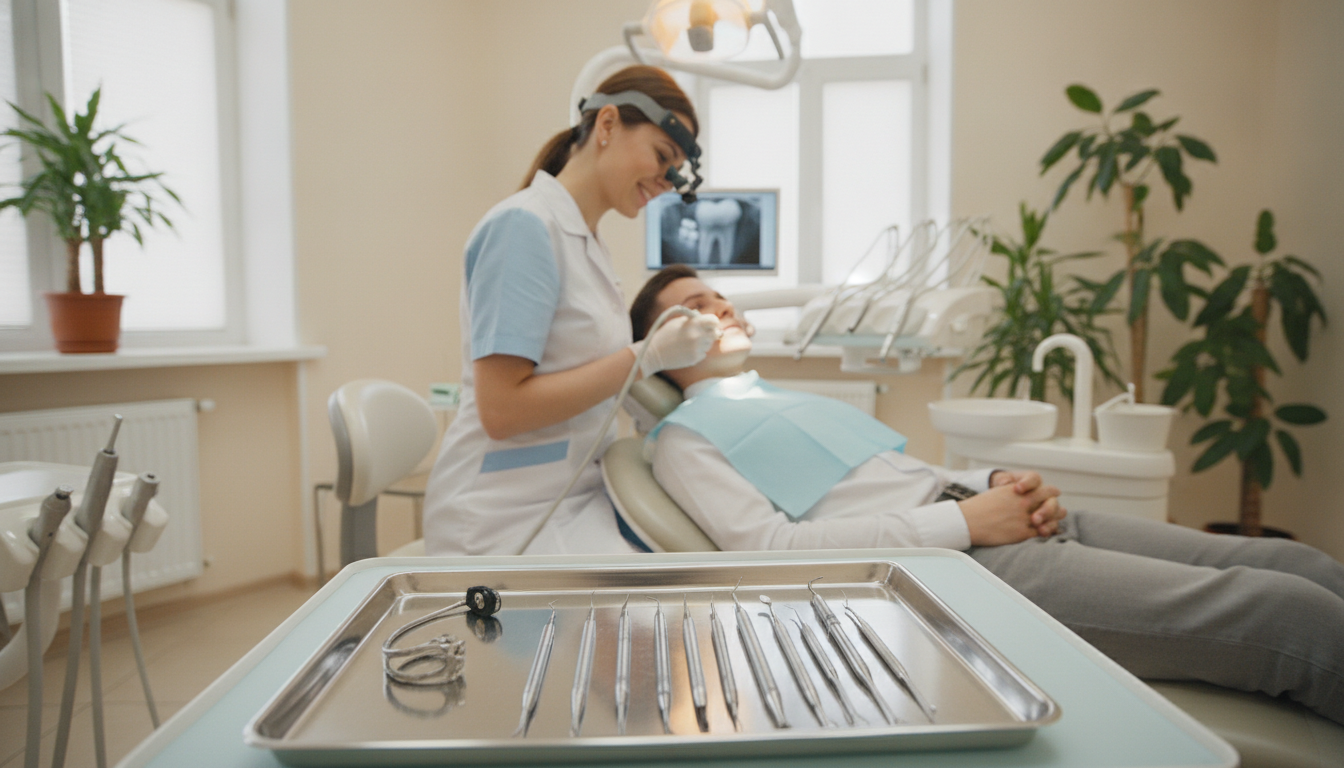
We’re here to make treatment calm and clear. At our Parramatta clinic, we combine gentle techniques with modern equipment to help you save tooth structure and protect your oral health. Our team explains each step so you feel confident about the procedure and the outcome.
We know persistent pain and sensitivity can be unsettling. Call us on 02 8036 2411 to book an appointment at 37 Grose St, Parramatta, NSW, 2150. Our dentist removes infected pulp with precision, and we aim to keep your natural tooth whenever possible.
Comfort, clear information and respectful care guide every visit — from the first assessment to any filling or crown that may follow. If you need canal treatment or have symptoms, our friendly team will support you through each appointment.
Key Takeaways
- Compassionate care in Parramatta to help save tooth structure.
- Call 02 8036 2411 to book or ask questions.
- We remove infected pulp with gentle, precise methods.
- Focus on comfort, clear information and keeping your natural tooth.
- Located at 37 Grose St, Parramatta — accessible for local families and professionals.
Understanding Root Canal Therapy
When the soft tissue inside a tooth becomes inflamed, prompt care can save the tooth and ease pain. Each tooth has a pulp chamber that holds nerves, blood vessels and connective tissue.
A root canal treatment removes infected or damaged pulp from inside tooth to stop inflammation and protect chewing function. Our team explains the steps so you know what to expect and feel comfortable throughout the procedure.
Key points to know:
- Deep decay or trauma can let bacteria reach the pulp and cause pain or loss of function.
- Careful cleaning of the canal removes the infected pulp and reduces the risk of spread.
- Preserving your natural tooth helps maintain bite force and appearance.
We prioritise comfort and clear information — a skilled dentist uses modern tools to remove infected pulp precisely and protect your long‑term oral health.
“Understanding the procedure helps patients feel more at ease and confident about their care.”
For more detail on how this approach compares to other options see is root canal therapy the same, or learn about our specific root canal treatment in Parramatta.
Common Symptoms and Signs You Need Treatment
Not all tooth discomfort means a major problem, but certain warning signs need prompt attention. We encourage you to notice changes early so care stays simple and effective.
Identifying Early Warning Signs
Persistent tooth pain or sharp sensitivity to hot or cold often signals that the pulp inside is troubled. Minor discomfort can grow into constant throbbing if left unchecked.
If your tooth changes colour or feels tender to touch, that can mean the pulp is dying and infection may follow. A pimple-like bump on the gums that drains pus is a common sign of an abscess — seek care promptly.
“Early detection keeps treatment simple and protects your natural tooth.”
When to Seek Emergency Care
Severe, constant pain that disrupts sleep or eating needs urgent assessment. If pain does not respond to pain relief, please contact us straight away.
- Persistent pain or extreme sensitivity to hot or cold.
- Swelling in gums or a pimple‑like bump indicating an abscess.
- Tooth discolouration or unexplained tenderness.
- If you think you might need root canal treatment — get checked promptly.
We’re here to help — our team will assess your symptoms, explain options and act quickly to stop infection and save your tooth whenever possible.
The Root Canal Procedure Explained
A clear, step-by-step approach helps reduce anxiety and sets expectations before any treatment begins.
Anaesthesia and Comfort
We use profound local anaesthesia so the area is completely numb and you feel no pain. Our team checks comfort throughout the appointment and offers breaks if you need them.
Cleaning and Disinfecting the Canals
Our dentist creates a small opening to reach the inside tooth. We carefully remove infected pulp and bacteria to stop inflammation and pain.
Advanced rotary instruments clean each canal thoroughly. We disinfect the canals to reduce the risk of future infection.
Restoring the Tooth
Most appointments take between 60 and 90 minutes, depending on complexity. A temporary filling protects the tooth while it heals.
We use high-quality material such as gutta-percha to seal the canals and provide a long-term barrier against reinfection.
Final restoration usually involves a permanent crown to restore strength and appearance. This precise procedure helps save your tooth and restore function.
Benefits of Saving Your Natural Tooth

Keeping your natural tooth preserves chewing power and avoids extra dental costs down the track.
Long-term success — specialist studies show a 94–96% success rate for modern root canal treatment. This makes preserving a tooth a reliable choice to stop infection and relieve pain.
Jaw and bite health matter. Saving a tooth helps maintain jaw bone and keeps neighbouring teeth stable. That reduces the risk of shifting, extra wear or further decay.
- Save tooth structure — better outcome than extraction.
- Cost-effective — avoids implants or bridges in many cases.
- Removes damaged pulp and bacteria to restore function.
- Protects adjacent teeth and preserves bite strength.
| Option | Success Rate | Effect on Jaw Bone | Long-term Cost |
|---|---|---|---|
| Root canal treatment | 94–96% | Preserves bone | Moderate — usually less than replacement |
| Extraction + implant | High for implant, variable overall | May need grafting | Higher — implants and crowns cost more |
| Extraction + bridge | Variable | Some bone loss over time | Moderate to high — can affect adjacent teeth |
“Saving your natural tooth keeps function, looks and bone health — a choice many patients prefer.”
Recovery and Aftercare Tips
After treatment, most people feel some tenderness as tissues settle and healing starts. Mild to moderate soreness for 2–3 days is normal.
Managing Post-Treatment Discomfort
Pain control: We recommend a combination of Ibuprofen and Paracetamol every 6 hours for the first 24–48 hours to reduce inflammation and discomfort. Follow the dosage on the packet or your pharmacist’s advice.
Diet and protection: Stick to soft foods for the first 24 hours to protect the temporary filling and the treated tooth. Avoid chewing on the side of the mouth that had the procedure until your permanent crown or final filling is placed.
If you notice swelling in your gums, apply a cold compress for short periods to help reduce inflammation. Maintain gentle oral hygiene—brush lightly around the area and keep routine cleaning elsewhere normal.
- Most pain eases within a few days.
- Your follow-up appointment ensures the canals are sealed and healing is on track.
- Contact us if swelling, severe pain, fever or pus appear.
| Issue | What to do | When to contact us |
|---|---|---|
| Mild soreness | Ibuprofen + Paracetamol, rest, soft foods | If it worsens after 48–72 hours |
| Swelling | Cold compress, anti-inflammatory meds | If swelling increases or breathing is affected |
| Temporary filling concern | Avoid hard foods, keep appointment for crown | If filling feels loose or falls out |
“Early care and a follow-up appointment give the best chance for a comfortable, lasting result.”
Preparing for Your Appointment in Parramatta
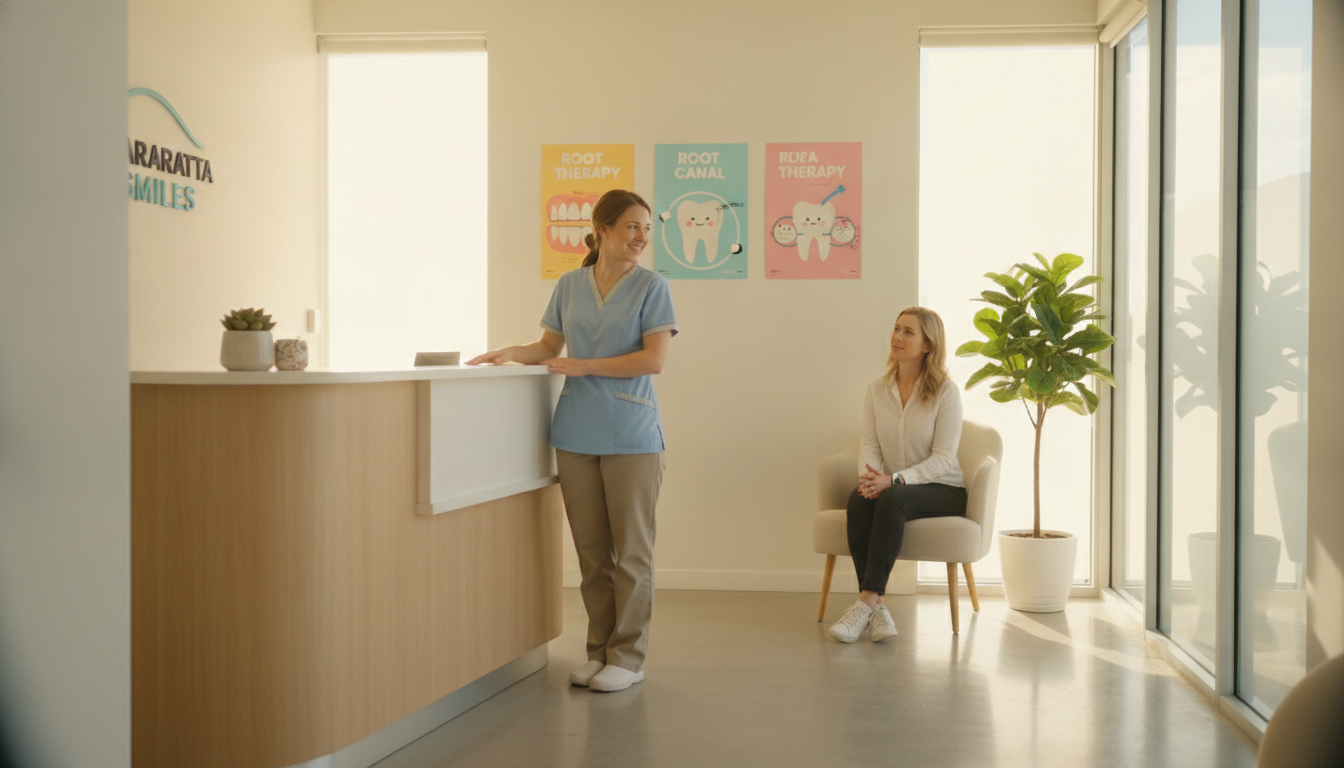
Arriving prepared helps your visit run smoothly and reduces stress for both you and our team.
Please bring your health fund card, any referral letter and a clear list of current medications. This information helps our dentist plan care and avoid interactions with medicines.
Eat normally before you come unless we advise otherwise. A meal beforehand is helpful because local anaesthesia can make eating tricky for a few hours after the procedure.
- Find us at 37 Grose St, Parramatta, NSW, 2150 — convenient for the Sydney area.
- If you have questions, call us on 02 8036 2411 for clear information and guidance.
- Tell us if you feel anxious so we can offer extra comfort measures during the canal procedure.
Our goal is to make appointments simple and supportive. We will assess the area thoroughly and tailor the root canal procedure to your needs.
| What to bring | Why it matters | When to call |
|---|---|---|
| Health fund card & referral | Speeds up check-in and authorisation | If you need help with paperwork before arrival |
| Medication list | Prevents interactions and guides care | If you start or stop medications before the appointment |
| A meal before visit | Keeps you comfortable after anaesthesia | If you are unsure about fasting or special foods |
“Being prepared helps us focus on comfort and the best possible outcome for your tooth.”
For details on our services, see our page on root canal treatment in Parramatta.
Why Professional Care Matters
Specialist care gives you the best chance of saving a troubled tooth and ending ongoing pain. We use proven techniques to remove infected pulp and protect the surrounding tissue.
Our endodontists achieve a 94–96% success rate using advanced surgical microscopes. These tools help us inspect every part of the inside tooth and clean the full canal system.
Antibiotics alone do not cure an infection inside the sealed canals. They cannot reach bacteria deep within the pulp and blood vessels. Only precise removal and sealing stop inflammation and prevent an abscess.
- We remove infected pulp — including nerves and blood vessels — to halt decay and pain.
- Advanced microscopes reduce the chance of retreatment and recurrent infection.
- Choosing a specialist gives you higher precision and better long‑term health outcomes.
| Why choose specialist care | What it fixes | Benefit |
|---|---|---|
| High magnification and skill | Thorough cleaning of canal system | Lower risk of reinfection |
| Physical removal of infected pulp | Eliminates bacteria in tissue and nerves | Stops pain and inflammation |
| Follow-up and restoration | Permanent seal and crown | Long-term tooth preservation |
Conclusion
A clear plan and experienced hands make a big difference when a tooth is troubled. We offer gentle, professional root canal treatment to stop infection and relieve pain, helping to save tooth structure wherever possible.
If you have symptoms like sensitivity to hot cold or ongoing discomfort, please call us on 02 8036 2411 for a prompt appointment at 37 Grose St, Parramatta. We explain each step and support you from initial assessment through to crown or final filling.
Your comfort and long‑term oral health matter to us. For extra info, the Healthdirect helpline is 1800 022 222. Thank you for trusting our team to care for your smile.