
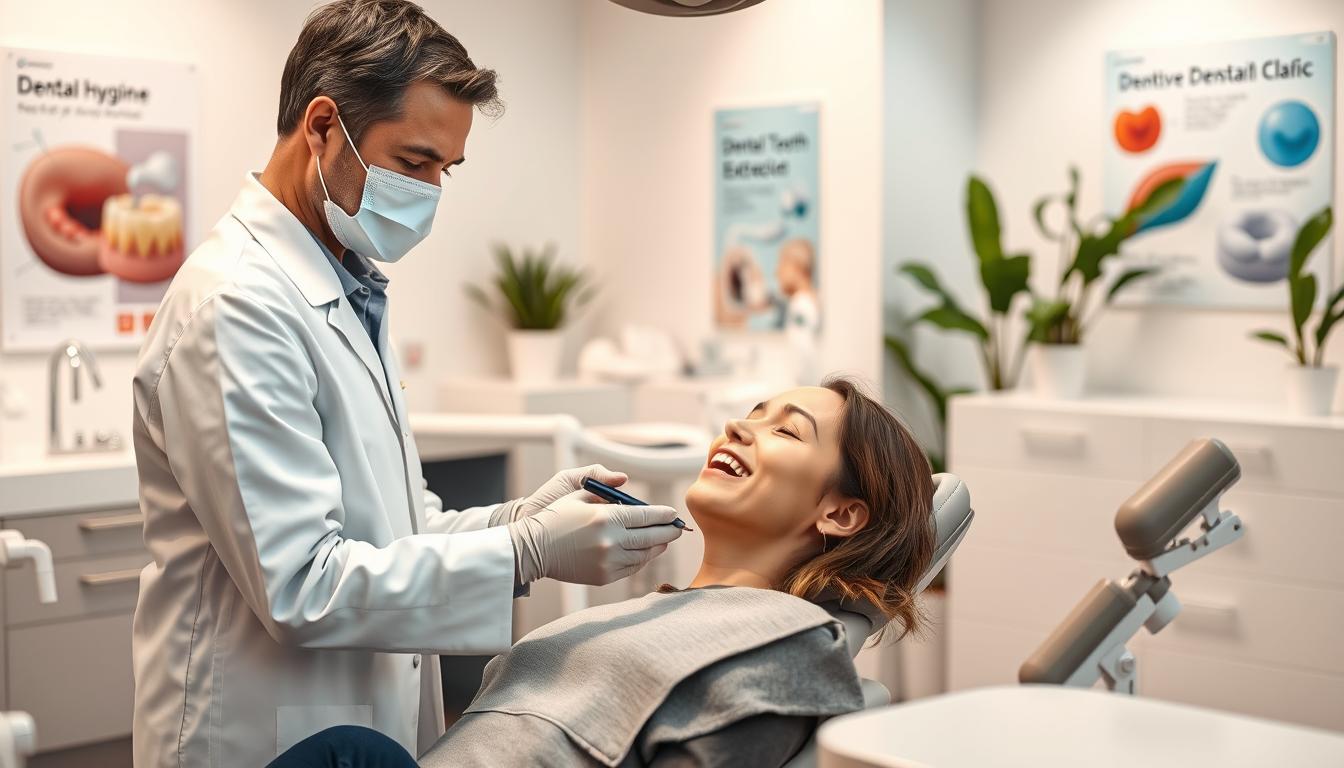
We’re here to make your visit calm, clear and comfortable. Our Parramatta clinic offers expert care at 02 8036 2411 for anyone seeking a painless wisdom tooth extraction and related services.
Facing a wisdom teeth removal can feel worrying. We understand that concern, so our team focuses on comfort and gentle care from the first call.
Every wisdom teeth extraction we perform aims to be low-stress and efficient. Our dentist uses modern techniques to minimise pain and reduce discomfort during the procedure.
If you are experiencing pain, please call 02 8036 2411 to book appointment and discuss your specific needs. Choosing our professional teeth removal and teeth extraction services means you’ll have compassionate, experienced support throughout your treatment.
Key Takeaways
- Call 02 8036 2411 to book appointment for a calm, professional experience.
- We provide expert, compassionate care for wisdom tooth removal in Parramatta.
- Modern methods help reduce pain and minimise post-procedure discomfort.
- Our dentist team focuses on safety, comfort and long-term oral health.
- We aim to make your teeth removal straightforward and reassuring.
Understanding Wisdom Teeth and Impaction
When late-growing molars try to emerge, they sometimes cause trouble for nearby teeth. These third molars usually appear between 17 and 25 and can upset how your smile is set in the mouth.
Symptoms to watch for include swollen gums, jaw pain and white spots behind rear molars as a new tooth pushes through. These signs often indicate impacted wisdom teeth and can point to early infection or swelling.
Types of impaction
- Mesioangular: the most common — the tooth tilts forward and presses on neighbouring teeth.
- Distoangular: the tooth angles to the back of the mouth and may crowd or damage adjacent teeth.
- Vertical: aligned but stuck due to limited space in the dental arch.
- Horizontal: lies parallel and can push into the roots of nearby teeth.
Impacted wisdom can lead to pericoronitis, ongoing infection and other complications if ignored. We examine your teeth and jaw closely to decide the best, patient-focused plan for care.
Benefits of Painless Wisdom Tooth Extraction
Removing problematic third molars often brings quick relief and long-term benefits for oral health.
Cleaner mouth and better hygiene. Impacted wisdom teeth create hard-to-reach gaps where food and bacteria build up. Removing them makes daily brushing and flossing far more effective.
Less pain and fewer infections. We focus on easing the pain that comes from crowding and pressure on nearby teeth. Timely removal reduces the chance of infection and stops healthy teeth from shifting.
Straighter smile and preserved enamel. Patients report reduced discomfort and fewer cavities after removal. Addressing impacted wisdom early protects neighbouring roots and keeps your smile aligned.
We personalise every teeth removal plan so each patient gets gentle, precise care. If you’d like to learn about comfort options during surgery, read about wisdom teeth removal.
Preparing for Your Dental Surgery
Simple steps in the days before surgery help you feel more in control. We give clear guidance so your appointment runs smoothly and your recovery starts well.
Pre-Procedure Checklist
- Arrange transport: have a friend drive you home after sedation.
- Stock soft foods: buy yoghurt, soup and smoothies a few days before.
- Follow fasting rules: stick to the fasting times we provide for safe anaesthesia.
- Clothing and items: wear loose clothes and skip jewellery or makeup on the day.
- Home setup: prepare ice packs and pillows for the first days of recovery.
| Action | When | Why it helps |
|---|---|---|
| Arrange driver | Before appointment | Ensures safety after sedation |
| Buy soft foods | 2–3 days prior | Supports nutrition during recovery |
| Discuss meds with dentist | At consultation | Manages swelling and speeds healing |
| Prepare recovery area | Night before | Makes first days more comfortable |
If you want a longer checklist on how to prepare and recover well, we can walk through it at your consultation. We review X-rays and medical history to tailor care and answer your questions before surgery.
What to Expect During the Procedure

You will be guided through a clear, short procedure from first anaesthetic to recovery tips. We begin with local anaesthesia to numb the area so you feel minimal to no pain while we work.
For extra calm, we offer nitrous oxide and IV sedation. These help patients stay relaxed throughout the surgery.
Our team widens the socket gently and loosens the tooth side to side before removal. We focus on efficiency and your comfort during the first hours of care.
| Step | Purpose | Typical time |
|---|---|---|
| Anaesthetic & sedation | Numb area, reduce anxiety | 5–15 minutes |
| Socket widening & loosening | Safe, controlled tooth removal | 10–30 minutes |
| Stitching | Dissolvable sutures close the area | 5–10 minutes |
| Post-op checks | Monitor health and explain care | 10–20 minutes |
After removal, we use dissolvable stitches and monitor your health closely. Keeping your head elevated and applying ice reduces swelling in the first hours.
We give clear instructions for mouth care and follow-up. Our staff are experienced and dedicated to making teeth removal as smooth and safe as possible for every patient.
Managing Recovery and Discomfort
How you manage the first 48 hours has a big impact on comfort and healing. We ask you to rest, avoid heavy activity and follow medication directions closely to support a smooth recovery.
Pain Relief Strategies
Follow a strict schedule: alternate ibuprofen and acetaminophen for the first 48 hours to control pain and swelling. Take medication with food where advised and contact our dentist if pain spikes.
Dietary Adjustments
Stick to soft foods — applesauce, smoothies and mashed potatoes — for several days to protect the surgical area. Do not smoke, vape or use a straw for at least 48 hours; these actions can dislodge the clot and cause complications.
Signs of Complications
Rinse gently with warm salt water starting 24 hours after surgery to keep the mouth clean. Sleep propped up on 2–3 pillows to reduce swelling and ease jaw stiffness.
“Call us if you have severe bleeding, fever, or swelling that worsens after five days.”
Watch for a bad taste or odour — these can signal infection. For any worrying signs, contact our clinic immediately so we can advise on next steps and protect your teeth and healing time.
Essential Aftercare for a Smooth Healing Process

Simple, consistent care in the first days makes a big difference to healing. We ask you to brush your teeth with a soft-bristled toothbrush, but avoid the extraction area for the first 24 hours to protect the clot.
Rinse gently with warm salt water a few times daily — this helps keep the area clean and speeds gum recovery. Drink plenty of water and electrolyte fluids, but do not use a straw; suction can dislodge the clot and cause bleeding.
Eat soft, nutrient-rich foods to support overall health while you heal. Most patients see steady recovery within a few days; dissolvable stitches usually break down naturally over several weeks.
If bleeding persists, apply firm pressure with gauze for 30 minutes and call our clinic if it does not stop. Take prescribed medication on schedule to stay ahead of any pain and to aid jaw healing.
- Keep your head elevated while resting to reduce swelling.
- Avoid smoking and vigorous rinsing for at least 48 hours.
- Contact us for any rising pain, fever, or unusual drainage.
| Aftercare step | When | Why it helps | Contact |
|---|---|---|---|
| Soft-bristle brushing | After 24 hours | Maintains oral hygiene while protecting site | Call if bleeding increases |
| Warm salt rinses | 24 hours onwards, several times daily | Reduces bacteria and supports gum healing | Contact for worsening symptoms |
| Hydration, no straw | First 48 hours | Prevents clot disruption and reduces bleeding | Seek help for continuous bleeding |
| Medication on schedule | As prescribed, first 48–72 hours | Controls pain and swelling for faster recovery | Phone us for guidance |
We are here to support your recovery. Follow these steps and contact our Parramatta clinic if you have any concerns about healing or care of the area. With the right routine, most people return to normal activities in days and enjoy long-term oral health.
Visit Our Parramatta Dental Clinic
Book a visit at 37 Grose St, Parramatta NSW 2150, Sydney, Australia to meet a dentist who puts comfort and clear information first.
We offer professional wisdom teeth removal and general teeth removal services in a modern, calm clinic. Our team explains each step so patients feel informed and supported.
Call us on 02 8036 2411 to book appointment times that suit your busy week. We provide flexible scheduling and clear pre-op guidance to make recovery easier in the first few days.
Whether you need a routine check-up or a complex wisdom tooth extraction, our experienced dentist tailors treatment and aftercare. Trust our team to deliver gentle, effective removal and follow-up care that keeps healing on track.
- Address: 37 Grose St, Parramatta, NSW, 2150
- Phone: 02 8036 2411
- We serve: Parramatta patients and surrounding Sydney suburbs
Conclusion
Conclusion
A clear plan and expert care make recovery quicker and less worrying. We hope this guide gives you the confidence to handle a wisdom teeth removal or other teeth removal with calm and clarity.
Follow post-op advice to reduce swelling and discomfort in the first days and cut the chance of infection or other complications. If pain or unusual symptoms occur, contact our dentist without delay.
For a deeper overview of the process and options, see our full guide on wisdom tooth removal. We’re here to support your recovery and protect your long-term oral health—thank you for trusting our team.