
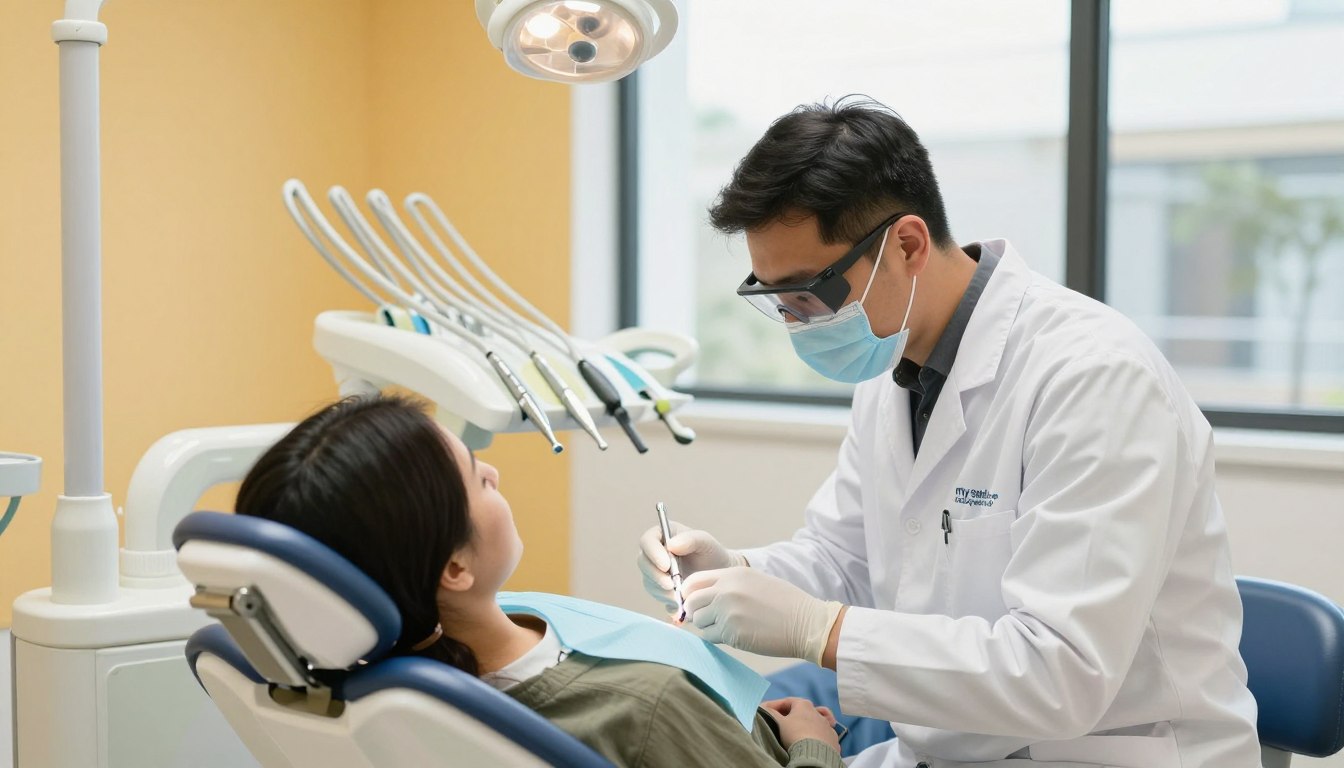
We’re here to help you keep your smile and protect your dental health. Our clinic at 37 Grose St, Parramatta, NSW, 2150 offers gentle, professional care designed for comfort and excellent outcomes.
When a sore tooth causes worry or pain, our experienced team provides tailored treatment using advanced techniques. We focus on calm, clear communication so you feel supported at every step.
Our practice specialises in modern root canal therapy and related canal therapy — delivered with a caring touch. We aim to preserve natural teeth and restore long-term oral health.
If you need urgent advice or want to book, call us on 02 8036 2411. We welcome families and busy professionals across the local area.
Key Takeaways
- Convenient location at 37 Grose St, Parramatta, NSW, 2150 for local care.
- Compassionate team focused on comfort and high-quality treatment.
- Modern therapy to relieve tooth pain and preserve your smile.
- Easy booking and urgent advice via 02 8036 2411.
- We prioritise your long-term oral health in a calm, supportive setting.
Understanding the Need for Root Canal Parramatta Services
Identifying when you need specialist dental treatment can stop pain and protect your smile. Early assessment helps us plan the right approach and preserve your teeth.
A root canal treatment is a precise procedure where we remove infected pulp from the root of a tooth to relieve pain and halt infection. Our clinic performs this canal treatment to save natural teeth — with a success rate of over 95% for root canal therapy.
“Timely care prevents complications and often avoids extraction.”
- We deliver efficient, comfortable canal therapy focused on long‑term oral health.
- Ignoring infection in your canals can lead to serious problems — prompt treatment protects your health.
- When you need root care, our team supports you through every step with gentle, modern techniques.
For urgent advice or same‑day support, see our emergency dental care options and book a consultation.
Signs and Symptoms of Infected Pulp
Small changes in how a tooth feels or looks often signal an underlying infection that needs timely attention. We encourage you to notice even mild changes and contact us early — that helps preserve your smile.
Common Indicators
- Persistent tooth pain — ongoing discomfort that wakes you or lasts for days may mean you need root canal treatment.
- Sensitivity to hot or cold that lingers after stimulus is a classic symptom of infected pulp.
- Swelling around the gum, or visible discolouration of the tooth, often points to deeper nerve damage.
- Pain when biting, or a dull ache that won’t go away, are warning signs that the root and canal may be compromised.
When to Seek Professional Advice
If you notice any of these symptoms, please book an appointment promptly. Early assessment increases the chance we can save the natural tooth and avoid extraction.
“Timely care prevents complications and often saves the tooth.”
The Modern Root Canal Procedure
Precision and comfort guide every step of our treatment. Precision imaging and focused numbing make today’s procedures fast, predictable and kinder to your gums.
Step by Step Treatment Process
First, we take an X‑ray to map the root and canal structure of your tooth. This helps our dentists plan the treatment and reduce time in the chair.
We isolate the area with a rubber dam and numb your gums with a local anaesthetic. The dentist then drills a small access hole to remove infected pulp.
Next, we clean and disinfect the canals thoroughly and fill them with gutta‑percha. Many patients then receive a crown to restore strength and function.
- Comfort: Most patients report minimal pain during and after the procedure.
- Efficiency: Careful planning keeps appointment time short and predictable.
- Outcome: The procedure preserves your natural tooth and supports long‑term oral health.
| Step | Typical Time | Patient Comfort |
|---|---|---|
| X‑ray & assessment | 10–15 minutes | Low discomfort |
| Isolation & anaesthesia | 5–10 minutes | Comfortable |
| Cleaning & filling | 30–60 minutes | Minimal pain |
| Crown placement (if needed) | 1–2 appointments | Standard restoration care |
Benefits of Saving Your Natural Tooth
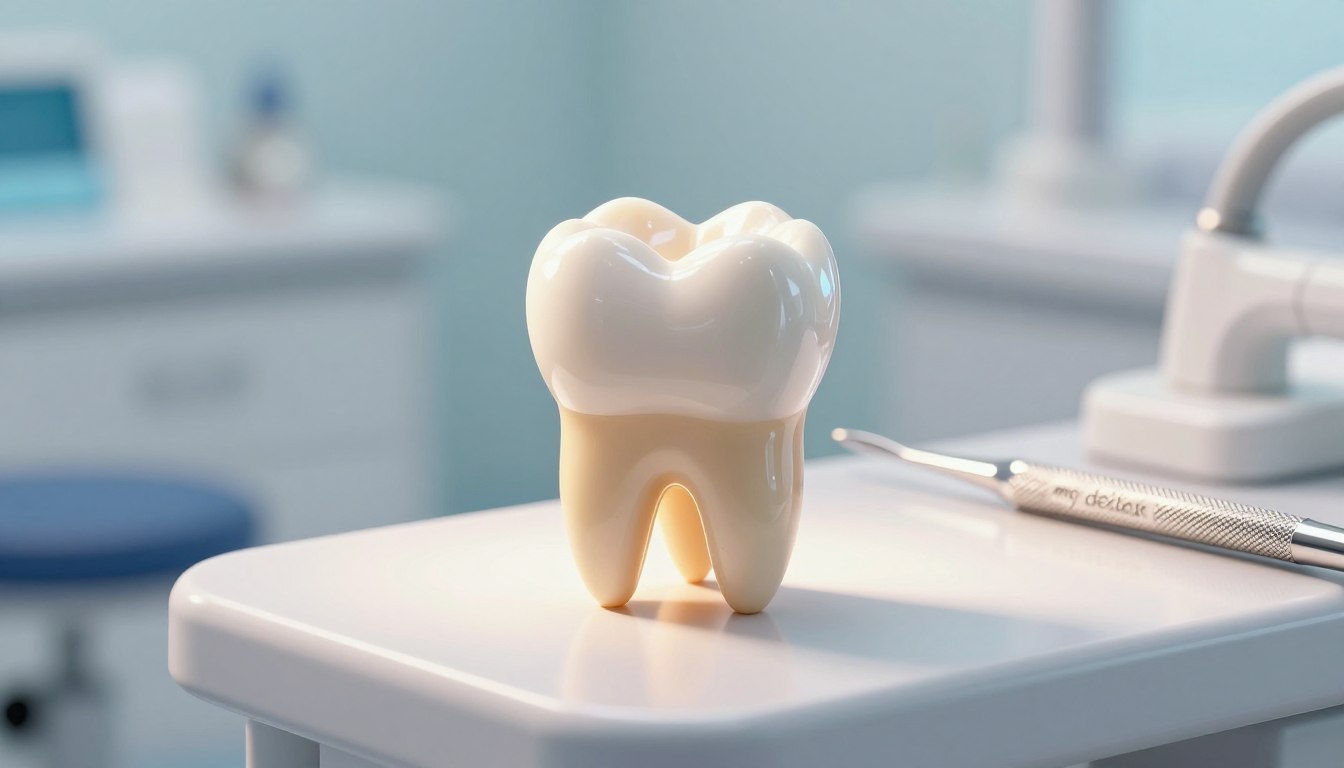
Keeping your own tooth is often the best option for long-term comfort and function. A successful root canal treatment lets you preserve the original tooth and keep your natural smile with minimal disruption.
Preserving a tooth maintains healthy alignment and helps you chew, speak and smile without adaptation. It also reduces the chance of future problems that follow extraction.
- Less invasive: We avoid replacement procedures that are more complex and costly.
- Comfort: You sidestep the extra pain and recovery that can come with extraction and prosthetics.
- Long-term health: Saving tooth structure supports surrounding teeth and overall oral health.
- Practical: Our focus on the root and canal health of each tooth helps you eat and speak comfortably.
When we can save a tooth, we prioritise that choice. It is a cost-effective, lasting way to protect your smile and wellbeing.
Advanced Laser Dentistry Options
Laser dentistry is changing how we treat infected pulp, delivering faster appointments and gentler care. Our team uses focused light energy to remove infection and clean the internal spaces of a tooth with high precision.
How Laser Technology Works
Lasers use concentrated light to disinfect tissue and sterilise the internal anatomy of the tooth. This reduces bacterial load quickly and lowers the chance of lingering infection.
Because the beam is so precise, we preserve more healthy tissue. Many patients benefit from shorter visits—often a single 30‑minute appointment for a full laser procedure.
Advantages of Laser Therapy
- Faster procedure: Laser treatments can often be completed in one visit, saving patients time and stress.
- Greater precision: Our dentists can clean the root and canal of your teeth with minimal impact on surrounding tissue.
- Better preservation: Lasers help keep more natural tooth structure intact and may allow crown placement in the same session.
- Comfort and healing: Patients report less post‑op discomfort and quicker recovery after laser work.
We combine this technology with compassionate care to make the experience calm and effective. To learn more about how laser therapy might suit your needs, read our guide on laser dentistry.
Recovery and Aftercare Expectations
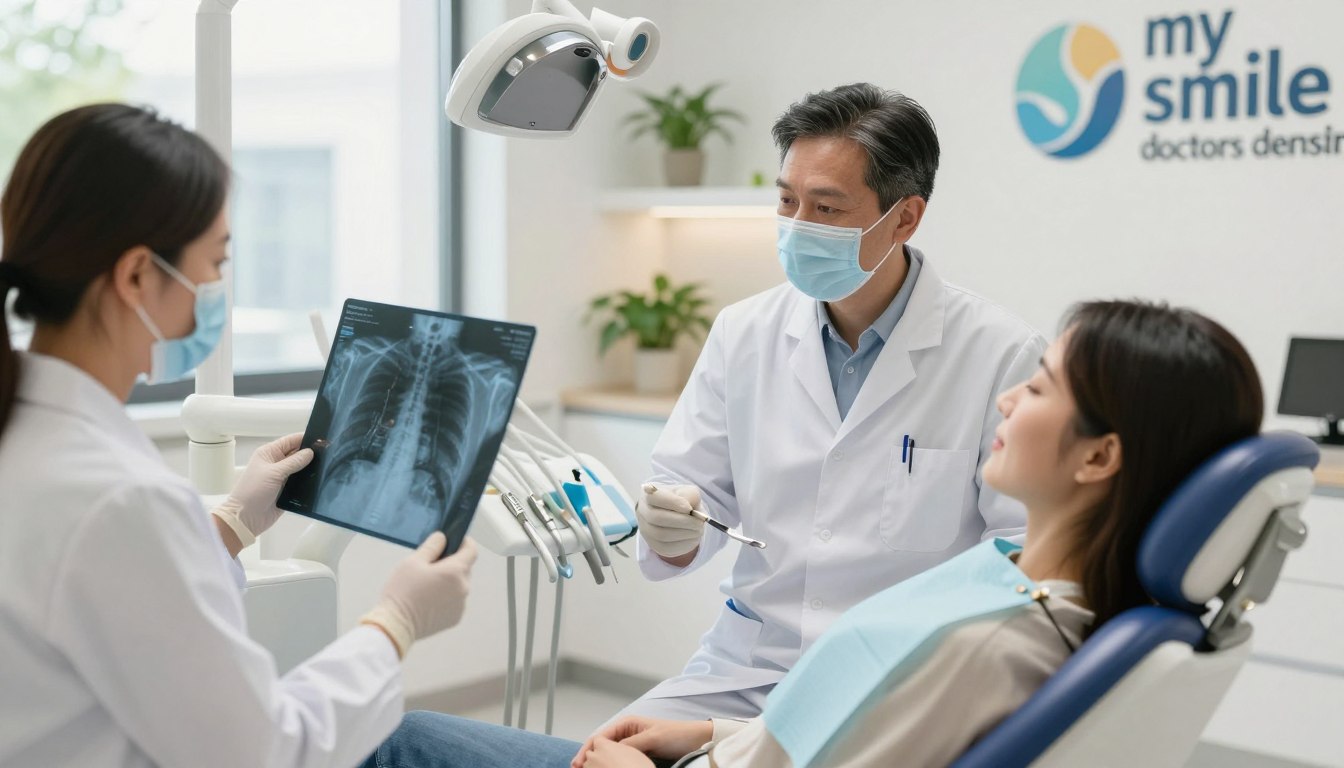
Simple, careful aftercare helps the treated tooth heal quickly and comfortably. We provide clear instructions so you know what to expect in the hours and days after your procedure.
Dr Navdeep Dhillon recommends a soft diet at first, then slowly reintroducing firmer foods as your tooth recovers. This eases pressure and reduces the chance of discomfort.
- After your root canal treatment, we give personalised care notes to manage mild pain and short-term discomfort.
- Sensitivity in the area is normal and should ease over a short period of time.
- Be gentle brushing your gums and avoid chewing on the treated side until advised otherwise.
- Watch for signs of infection — increased swelling or persistent pain — and contact us immediately if they occur.
- Good oral care helps your crown and tooth stay strong and protected long-term.
“We are here to support you throughout recovery to ensure a healthy, pain‑free outcome.”
If you need practical tips on healing and diet after treatment, see our guide on preparing and recovering well or contact the clinic for personalised advice.
Visiting Our Parramatta Dental Clinic
If you’re unsure about a troubling tooth, visit our team for a focused assessment and caring advice. We aim to make every visit calm, clear and efficient so you leave feeling reassured.
Our Location and Contact Details
Find us at: 37 Grose St, Parramatta, NSW, 2150, Australia.
Phone: 02 8036 2411 for appointments and urgent queries. You can also call 02 8036 2411 to discuss your needs with our experienced team.
Booking Your Consultation
To book a consultation, call us or drop in—our reception will help schedule an appointment that fits your day. We offer clear guidance on whether you may need root canal therapy or other procedures.
- Visit our clinic where our dentists provide expert care for routine checks through complex procedures.
- If you may need root treatment, call 02 8036 2411 to book an initial consultation today.
- We welcome patients who wish to seek second opinion appropriately; transparency is central to our care.
- Contact to schedule an appointment or to learn how we can help save your natural tooth.
“We’re here to support you—professional, compassionate care when you need it most.”
For local referrals and to find a local dentist, follow the link or call us for personalised advice.
Conclusion
If tooth pain or sensitivity is disrupting your day, help is available and appointments are easy to book. We hope this guide has shown how a root canal treatment or related canal treatment can save a natural tooth and stop infection before it worsens.
If you have swelling, persistent tooth pain, pulp sensitivity or discomfort in your gums, please book a consultation with our dentist. Our team delivers caring, high‑quality therapy to reduce pain and restore your smile.
We welcome patients who wish to seek second opinion appropriately — transparency is central to our care. Contact us today to schedule an appointment and begin your journey to a pain‑free smile.