
We understand that experiencing swallowing difficulties can be a source of significant anxiety for you and your family. It is a deeply personal health concern that often feels overwhelming when you try to navigate it alone.
Our team is here to provide a compassionate overview of why these issues occur and how we can support you in finding relief. We believe that clear, professional information helps you manage your health journey with confidence and peace of mind.
By working together, we aim to address these swallowing difficulties through gentle, expert care tailored to your unique needs. You deserve a path forward that prioritises your comfort and long-term well-being in a supportive environment.
Key Takeaways
- Recognising early signs is the first step towards effective management.
- Professional assessment helps identify the root cause of your discomfort.
- We offer a warm, patient-centred approach to ensure you feel heard.
- Modern treatment options are available to improve your daily quality of life.
- Your peace of mind is our primary focus throughout your care journey.
Understanding Swallowing Difficulties
We understand that mealtimes should be a source of joy, not a cause for concern or physical strain. When you face swallowing difficulties, even the simplest meal can become a source of anxiety. Our goal is to support you in restoring your comfort and confidence during every meal.
What Are Swallowing Difficulties?
In clinical terms, these challenges are defined as any disruption in the normal process of moving food or liquid from the mouth to the stomach. While many people experience minor issues occasionally, persistent swallowing disorders can significantly impact your quality of life and nutritional intake.
We view these conditions as a complex interaction between the muscles and nerves involved in the eating process. By identifying the specific nature of your swallowing difficulties, we can create a tailored plan to help you eat with ease once again.
Common Symptoms to Look For
Recognizing the early signs is the most important step toward effective care. You might notice a sensation of food getting stuck in your throat or chest, which is a common indicator of underlying swallowing disorders.
Other signs that warrant professional attention include:
- Frequent coughing or throat clearing during or after meals.
- A feeling of food or liquid coming back up into the throat.
- Unexplained weight loss or a change in dietary habits.
- Difficulty managing saliva or frequent drooling.
If you or a loved one experiences these symptoms, please reach out to us. We are here to listen, assess your needs, and provide the compassionate care you deserve to get back to enjoying your favourite foods.
Causes of Swallowing Difficulties
Identifying the root cause of your discomfort is the first step toward finding relief and restoring your quality of life. We understand that experiencing swallowing difficulties can be quite unsettling, which is why we approach every case with a gentle, analytical eye. By looking closely at your unique health history, we can uncover the specific factors contributing to your concerns.
Neurological Disorders
Many swallowing disorders are linked to the way your brain communicates with the muscles in your throat. Conditions such as Parkinson’s disease, multiple sclerosis, or the aftermath of a stroke can disrupt these delicate signals. When the nerves do not coordinate properly, the simple act of swallowing becomes a significant challenge.
Structural Issues
Sometimes, the problem is purely physical rather than neurological. Structural changes within the mouth or throat, such as a narrowing of the oesophagus or a tongue tie, can create a mechanical barrier. We take the time to examine these anatomical features to ensure that any physical obstruction is identified and addressed with compassionate care.
Medication Side Effects
It is also important to consider that common medications can inadvertently affect your ability to swallow comfortably. Certain drugs may cause dry mouth or muscle relaxation, both of which can interfere with the natural swallowing process. If you suspect your current prescriptions are playing a role, we are here to help you review your options safely.
| Category | Primary Impact | Common Example |
|---|---|---|
| Neurological | Muscle coordination loss | Stroke or Parkinson’s |
| Structural | Physical blockage | Tongue tie or stricture |
| Medication | Reduced saliva or tone | Antihistamines or sedatives |
Diagnosing Swallowing Difficulties
We believe that a precise diagnosis is the foundation of effective, patient-centered care. By taking the time to understand your specific health journey, we can tailor our treatments to meet your unique needs. Addressing dysphagia requires a partnership built on trust, clarity, and professional expertise.
Medical History and Symptom Assessment
Our process begins with a detailed conversation about your personal health history. We listen closely as you describe your difficulty with swallowing, noting when symptoms occur and how they impact your daily routine. This initial assessment helps us build a complete picture of your overall well-being.
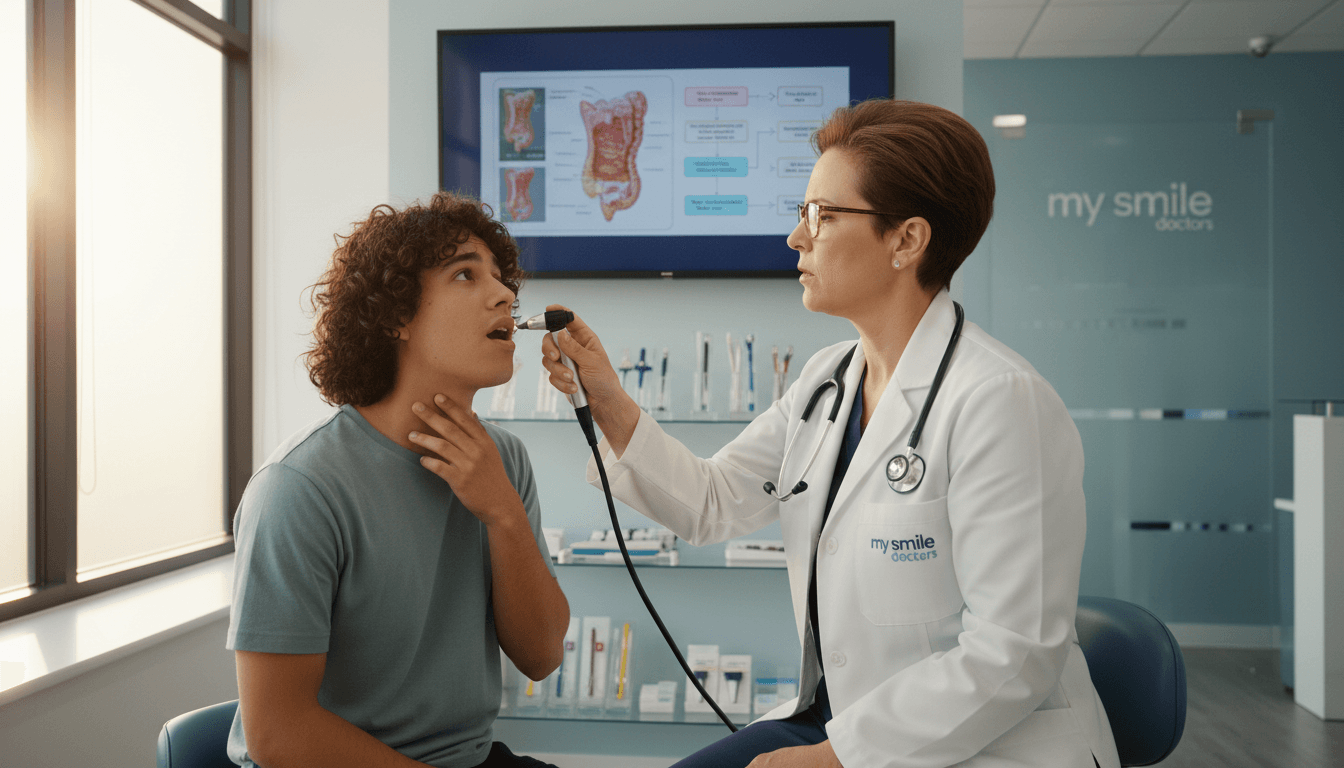
We encourage you to share any concerns, no matter how small they may seem. Open communication allows our team to identify patterns that might otherwise go unnoticed. This thorough approach ensures that we do not miss any vital clues during your evaluation.
Diagnostic Tests and Procedures
Once we have gathered your history, we may recommend specific diagnostic procedures to gain deeper insights. These modern tools allow us to observe the swallowing process in real-time, ensuring our clinical approach is both precise and reassuringly effective. We prioritize your comfort throughout every step of these tests.
The following table outlines common methods we use to evaluate your condition:
| Procedure | Purpose | Patient Experience |
|---|---|---|
| Clinical Swallow Exam | Assess oral function | Non-invasive and gentle |
| Video Fluoroscopy | Visualize throat movement | Detailed imaging analysis |
| Endoscopic Evaluation | View internal structures | Quick and highly accurate |
By utilizing these advanced diagnostic techniques, we can pinpoint the exact nature of your dysphagia. Our goal is to provide you with a clear path forward, reducing any anxiety you may feel about your difficulty with swallowing. You are in safe hands as we work together toward your recovery.
Impact of Swallowing Difficulties on Daily Life
Our team recognizes that your physical health and emotional well-being are deeply connected to your ability to eat comfortably. We understand that living with a persistent difficulty with swallowing can change the way you experience your daily routine. It is our mission to provide the support you need to regain confidence during mealtimes.
Nutrition and Hydration Challenges
Maintaining proper nutrition becomes a primary concern when you face dysphagia. It can be difficult to consume enough calories or stay hydrated when every bite feels like a challenge. We focus on practical, manageable solutions that ensure your body receives the essential nutrients it requires to thrive.
By adjusting food textures and liquid consistencies, we help you find safer ways to enjoy your meals. Proper hydration is just as vital as nutrition, and we work closely with you to identify strategies that make drinking fluids easier and more comfortable.
Psychological Effects
It is entirely natural to feel anxious when mealtimes transform from a source of enjoyment into a source of stress. This emotional burden is a significant part of the difficulty with swallowing that many of our patients face. We are here to listen and provide a safe space to discuss these feelings openly.
Addressing the psychological impact of dysphagia is a core component of our compassionate care approach. We believe that by reducing your anxiety, we can help you feel more relaxed and capable. You do not have to navigate these challenges alone, as we are committed to supporting your mental and physical health every step of the way.
Swallowing Difficulties in Children
We understand that seeing your little one have trouble swallowing is stressful, but please know that help is available. When children face these challenges, early intervention is essential to ensure they continue to grow and thrive comfortably. Our team works closely with families to identify the root causes of these difficulties, providing a nurturing environment where your child feels safe and supported.
Identifying Symptoms Early
Recognizing the subtle signs of dysphagia in children can be difficult, as they may not always be able to express their discomfort. You might notice your child coughing during feeds, avoiding certain food textures, or appearing unusually tired after meals. These behaviours are often the body’s way of signaling that something is not quite right with their oral function.
It is important to observe how your child manages liquids and solids. If you notice frequent gagging or a refusal to eat, it is time to seek professional guidance. Addressing these concerns early helps prevent long-term nutritional gaps and reduces the anxiety surrounding mealtime for both you and your child.
Role of a Tongue Tie Clinic in Sydney
At our tongue tie clinic Sydney, we provide specialized assessment and gentle treatment for children struggling with oral function. We believe that every child deserves a comfortable start to their development. By exploring the role of oral anatomy, we can often pinpoint why a child is finding it hard to swallow or feed effectively.
Our approach is rooted in compassion and clinical expertise. We take the time to listen to your concerns and create a tailored care plan that respects your child’s needs. Whether it is a simple assessment or a more focused treatment, our goal is to restore your child’s confidence and joy in eating.
| Observation | Potential Concern | Recommended Action |
|---|---|---|
| Frequent coughing | Mild dysphagia | Professional assessment |
| Texture avoidance | Oral sensitivity | Consult our specialists |
| Difficulty latching | Anatomical restriction | Visit tongue tie clinic Sydney |
Treatment Options Overview
We believe that overcoming challenges with eating begins with small, manageable adjustments to your daily lifestyle and dietary habits. When you experience difficulty swallowing, it is natural to feel concerned about your comfort and nutrition. Our team is dedicated to guiding you through these changes with patience, ensuring you feel empowered and well-supported in your recovery journey.
Lifestyle and Dietary Changes
Simple modifications to how you prepare and consume your meals can significantly reduce trouble with swallowing. We often recommend starting with changes to food consistency, such as opting for softer textures or using thickeners for liquids. These adjustments help your muscles work more efficiently without unnecessary strain.
Beyond the food itself, your environment plays a vital role in your success. Sitting upright during meals and minimizing distractions allows you to focus on the mechanics of eating. These small shifts create a safer, more relaxed experience for you and your family.
Swallowing Therapy Techniques
To regain control, we incorporate specific swallowing therapy techniques tailored to your unique needs. These exercises are designed to strengthen the muscles involved in the process, making it easier to manage food and drink safely. By practicing these movements regularly, you can improve your comfort and confidence during every meal.
Our professional team will monitor your progress closely to ensure the techniques remain effective as you improve. Addressing difficulty swallowing requires a consistent approach, and we are here to provide the expertise you need. If you continue to have trouble with swallowing, we will adjust your plan to ensure you receive the best possible care.
| Adjustment Type | Primary Benefit | Ease of Use |
|---|---|---|
| Texture Modification | Reduces choking risk | High |
| Postural Changes | Improves airway safety | High |
| Targeted Exercises | Strengthens throat muscles | Medium |
| Liquid Thickening | Controls flow rate | Medium |
Surgical Interventions for Severe Cases
We understand that the prospect of surgery can feel overwhelming, but it is often a vital step toward recovery. While we always prefer conservative approaches, there are instances where surgical intervention becomes the most effective path to restoring your quality of life. Our commitment is to provide high-quality, anxiety-free care that prioritises your long-term health and comfort above all else.
When Surgery is Necessary
Surgery is typically considered when non-invasive treatments, such as lifestyle adjustments or therapy, do not provide sufficient relief. If you continue to experience significant difficulty swallowing that impacts your nutrition or safety, a specialist may recommend a surgical evaluation. This decision is never taken lightly and is always based on a thorough assessment of your unique clinical needs.
“The greatest wealth is health, and sometimes the path to wellness requires a brave step toward the care we truly need.”
We take the time to explain exactly when surgery is necessary and what you can expect from the various procedures available to you. Our goal is to ensure you feel informed, supported, and completely at ease throughout the entire process. By addressing the root cause of your difficulty swallowing, we aim to help you return to a life of comfort and confidence.
Types of Surgical Procedures
Depending on the underlying cause, several surgical options may be available to improve your function. Common procedures often focus on correcting structural blockages or relaxing muscles that impede the passage of food. These interventions are designed to be as minimally invasive as possible to promote a faster recovery.
Whether the procedure involves dilation to widen a narrowed passage or a targeted myotomy to release tension, our team prioritises your safety. We work closely with you to manage any anxiety, ensuring that your journey toward overcoming difficulty swallowing is handled with the utmost professional compassion. Your long-term well-being remains our primary focus at every stage of your treatment.
Coping Strategies for Patients
Navigating the daily realities of your condition is much easier when you are surrounded by a supportive community. We understand that experiencing trouble swallowing can feel isolating, but you are never truly alone in this journey. Our team is dedicated to providing the guidance you need to feel confident and secure every single day.
Support Groups and Resources
Connecting with others who face similar health challenges can be incredibly empowering. We encourage our patients to explore local support groups across Australia where you can share personal experiences and gain practical wisdom. These communities offer a safe space to discuss your concerns and learn from the successes of others.
Beyond local groups, many national health organisations provide digital resources and helplines. Accessing these tools helps you stay informed about the latest care techniques. Building a strong support network is a cornerstone of effective long-term management.
Tips for Managing Swallowing Difficulties
Small adjustments to your daily routine can make a significant difference when you have trouble swallowing. By focusing on consistency and comfort, you can improve your quality of life and reduce daily anxiety. Consider these practical strategies to help manage your symptoms:
- Maintain an upright posture while eating to ensure safer passage of food.
- Focus on smaller, more frequent meals to reduce fatigue during mealtimes.
- Stay hydrated by choosing liquids that are easier to manage, as recommended by your specialist.
- Take your time and avoid distractions while eating to stay mindful of each swallow.
If you find that you are still experiencing persistent trouble swallowing, please reach out to our clinic. We are always here to offer compassionate support and refine your care plan to better suit your evolving needs.
Innovative Treatments and Research
Innovation in healthcare is rapidly changing the way we approach complex conditions like trouble swallowing. We remain dedicated to staying at the forefront of dental and medical advancements to ensure you receive the most modern, effective care available today. By keeping a close watch on new developments, we aim to provide you with the highest quality of support in a comfortable, patient-centered environment.

Emerging Therapies
Modern science is unlocking new ways to assist those who experience persistent discomfort during meals. Researchers are currently exploring advanced neuromuscular stimulation and biofeedback techniques that help retrain the muscles involved in the swallowing process. These therapies focus on improving coordination and strength, offering hope for those who previously had limited options.
Clinical Trials Availability in Australia
We actively monitor clinical trials across Australia to provide you with the latest insights into managing your condition. Participating in research can offer access to cutting-edge treatments that are not yet widely available in standard practice. If you are struggling with trouble swallowing, we are here to help you navigate these opportunities and determine if a trial might be a suitable path for your unique health journey.
| Treatment Category | Traditional Approach | Innovative Approach |
|---|---|---|
| Muscle Training | Basic exercises | Neuromuscular stimulation |
| Diagnostic Tools | Standard X-rays | High-resolution manometry |
| Patient Support | General advice | Personalised clinical trials |
Seeking Professional Help
Taking the first step toward better health often feels overwhelming, but you do not have to manage these challenges alone. Addressing persistent swallowing problems requires a partnership with dedicated experts who understand the nuances of your physical comfort and long-term wellness.
The Value of Expert Guidance
Our team prioritises your peace of mind by offering thorough assessments tailored to your unique needs. We believe that clear communication and gentle care form the foundation of effective treatment. By choosing to work with our specialists, you gain access to a supportive environment where your health goals remain the primary focus.
Accessing Specialized Care
Our tongue tie clinic Sydney utilizes advanced technology to ensure every patient receives precise and compassionate care. We invite you to contact our clinic today to discuss your concerns and explore the path toward restored comfort. Your journey to improved oral health starts with a simple conversation, and we are ready to support you every step of the way.