
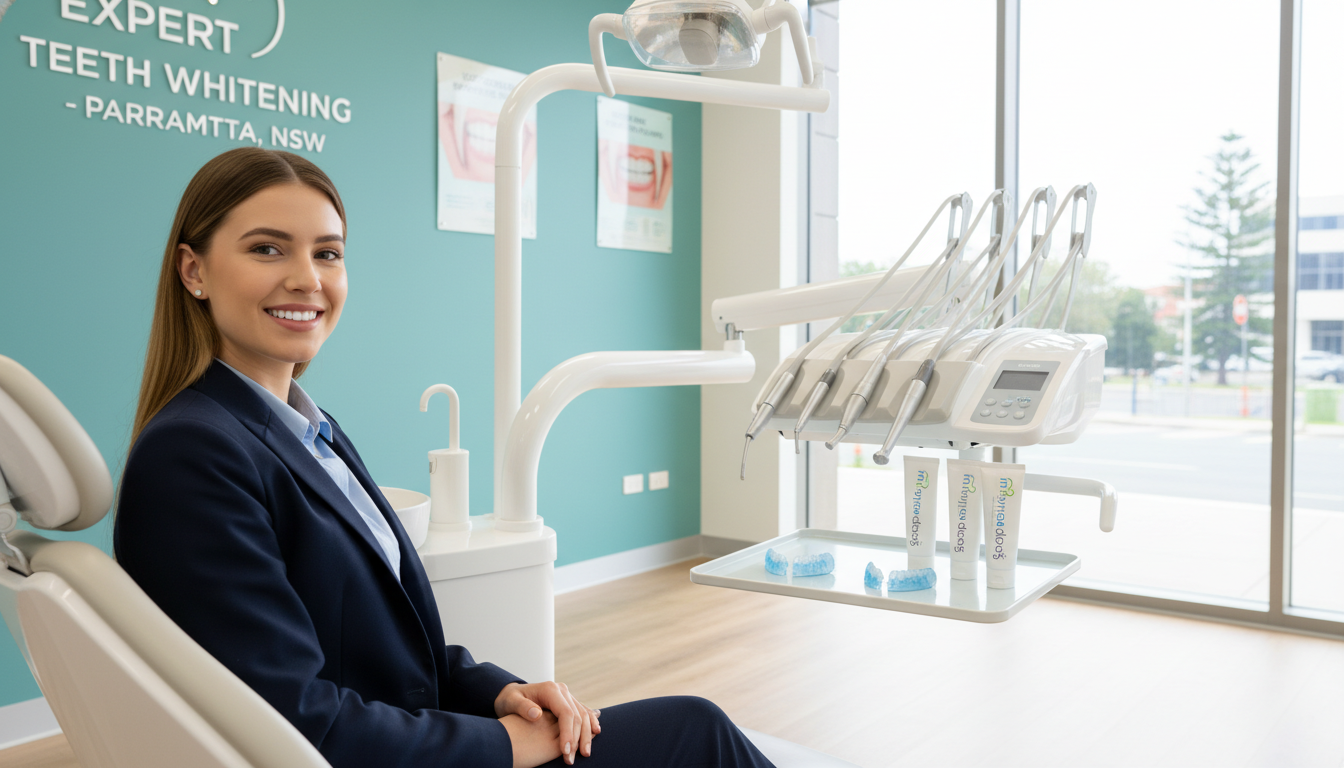
Welcome to our comprehensive guide on achieving a brighter smile. We are a caring team based at 37 Grose St, Parramatta, NSW, 2150, Sydney, Australia, and we focus on safe, effective oral care that suits busy lives.
Choosing a teeth whitening treatment can feel confusing. We explain options clearly — in-chair and home kits — so you can pick what fits your tooth sensitivity and lifestyle.
Our registered dentist team combines modern technology with gentle care to protect your oral health. Call us on 02 8036 2411 for personalised advice or to book an appointment.
We guide you through whitening products and kits, answer questions about treatment safety, and support your journey to a confident smile — every step is tailored and compassionate.
Key Takeaways
- We provide expert, patient-focused care at our Parramatta clinic.
- Options include professional chair-side treatment and home whitening kits.
- Call 02 8036 2411 for appointments and advice.
- We prioritise oral health and personalised plans with registered dentists.
- We help you choose safe whitening products and sensible aftercare.
Understanding the Science of Teeth Whitening
A clear view of how bleaching agents act on enamel makes decisions easier. We explain the key ingredients and their effects so you can feel confident about any whitening treatment.
How Bleaching Agents Work
Most professional products use hydrogen peroxide or carbamide peroxide. These peroxides break down stain molecules so the natural colour of your teeth lightens.
When a whitening gel is applied, active ingredients penetrate the enamel. They chemically alter pigments that cause discolouration. Some systems add a light to speed the process, but the peroxide reaction remains central.
The Role of Enamel
The outer layer, tooth enamel, is the focus of treatment. Enamel protects inner tooth structures but cannot repair itself.
- Enamel is non-living—professional supervision helps avoid damage from overuse.
- We carefully control ingredient concentration to protect enamel while brightening your smile.
- Understanding the chemistry helps you choose a safe, effective way to whiten teeth.
Common Causes of Tooth Discolouration
Surface discolouration often starts quietly — a morning coffee here, a red wine there — and builds over months and years.
Many common drinks leave pigments on the outer enamel. Tea, coffee and red wine are frequent culprits that create visible stains on the tooth surface.
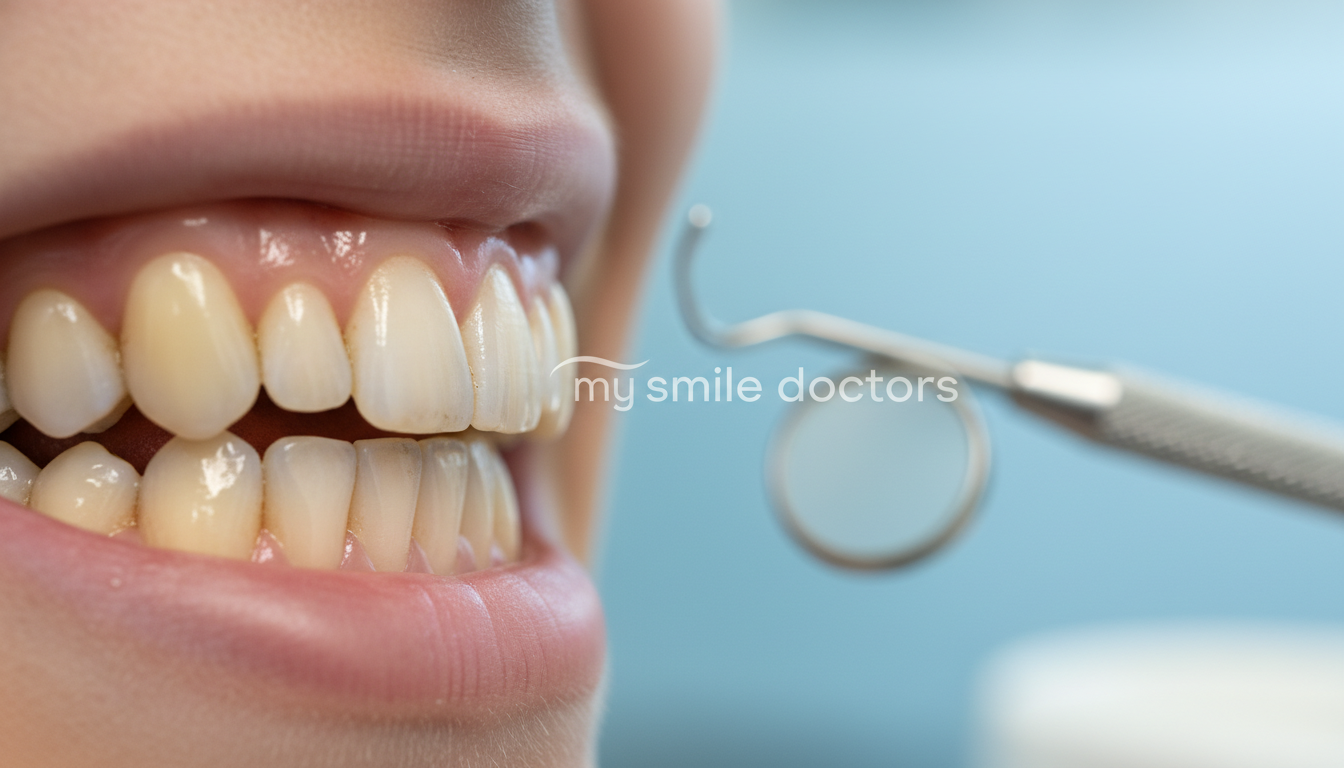
Age changes the look of your smile too. As enamel thins with years, the yellow dentine beneath can show through and change the overall colour.
Lifestyle makes a big difference — smoking and strongly pigmented foods cause persistent surface marks in the mouth.
“Understanding the cause helps us choose the safest, most effective plan for your smile.”
- Some medications taken in early life cause deeper, intrinsic discolouration inside each tooth.
- Good oral health checks tell us whether stains are surface-level or structural.
- We review your dental history and habits to recommend the right treatment and protect enamel over time.
For an easy overview of causes and options, see our guide on tooth discolouration. We are here to help you manage factors that affect your smile and keep it bright for years to come.
Professional teeth-whitening/ Options in Parramatta
Local professional whitening services combine clinical strength gels with personalised care for lasting results.
In-Chair Power Bleaching
In-clinic bleaching uses a high-strength hydrogen peroxide gel applied by our team.
The session is quick and gives noticeable results the same day.
We protect your gums and monitor comfort to reduce irritation and sensitivity.
Custom Take-Home Trays
Custom trays fit snugly to your teeth so gel stays where it should.
These kits use professional-grade peroxide at safe levels for home use under our guidance.
We teach you the steps to reduce gum irritation and manage any tooth sensitivity.
Why Choose a Registered Dentist
The Australian Dental Association recommends treatments be performed by registered professionals.
Only registered dentists can legally use strong gels containing more than 6% hydrogen peroxide.
We assess natural teeth, rule out veneers or crowns, and tailor treatment options to your goals.
- Personalised plans to suit lifestyle and budget.
- Professional products yield safer, longer-lasting colour change than many OTC kits.
- We encourage you to talk to a dentist about realistic results.
| Option | Speed of Results | Suitability |
|---|---|---|
| In-Chair Power Bleaching | Immediate, single visit | Good for patients needing fast, controlled bleaching |
| Custom Take-Home Trays | Gradual over days/weeks | Best for people preferring at-home convenience with supervision |
| Over-the-Counter Kits | Slow, variable | Not recommended for complex stains or sensitive gums |
Evaluating At-Home Whitening Kits and Products
Before you buy a kit, it helps to know how at-home products compare with professional care. We want you to choose a safe, effective path that suits your lifestyle and dental health.
The Limits of Whitening Toothpastes
Whitening toothpastes mainly use mild abrasives to lift surface stains on your teeth. They can make your smile look cleaner, but they do not change the internal colour of a tooth.
Over-the-counter kits contain lower concentrations of active peroxide than clinic systems. The ADA allows up to 10% carbamide peroxide in overnight trays — but many home products are weaker.
- Custom-fitted trays ensure gel contact and reduce gum irritation compared with generic kits.
- Some kits include a light, but its benefit depends on the gel’s chemical ingredients.
- Overuse can cause increased sensitivity or harm to tooth enamel — follow professional advice.
We recommend consulting your dentist before starting any home whitening regimen — especially if you have veneers or restorations that won’t respond to whitening products.
We can review options, compare gels and trays, and help you avoid products that may give uneven results or irritate the mouth.
Safety Risks and Potential Side Effects
Not all whitening routes are the same; some carry side effects that need careful attention. Safety is our primary concern, and we explain the common risks so you can make an informed choice.
Whitening treatments may cause temporary tooth sensitivity or gum irritation. Most people notice cold sensitivity soon after a session, which usually eases within 1–2 days.
If a product contains a high concentration of bleaching agent, it can irritate or burn lips, gums or tongue. Using strong gels without dentist supervision may also damage tooth enamel or soft tissues in the mouth.
- The Australian Dental Association warns that improper use of whitening kits may require professional care.
- If you feel ongoing pain or burns, stop the treatment and contact our clinic immediately — teeth may react differently to various peroxide gels.
- We protect your gums during in-chair bleaching and give clear guidance for safe at-home use of whitening products and trays.
“Your comfort and safety are paramount — we are here to address any concerns about side effects from whitening treatments.”
Preparing for Your Dental Appointment
Small steps before your appointment help ensure a comfortable, effective whitening result.
We ask that you talk to your dentist about expectations and any worries. Bring up past tooth issues, existing veneers or fillings so we can assess whether whitening is suitable.
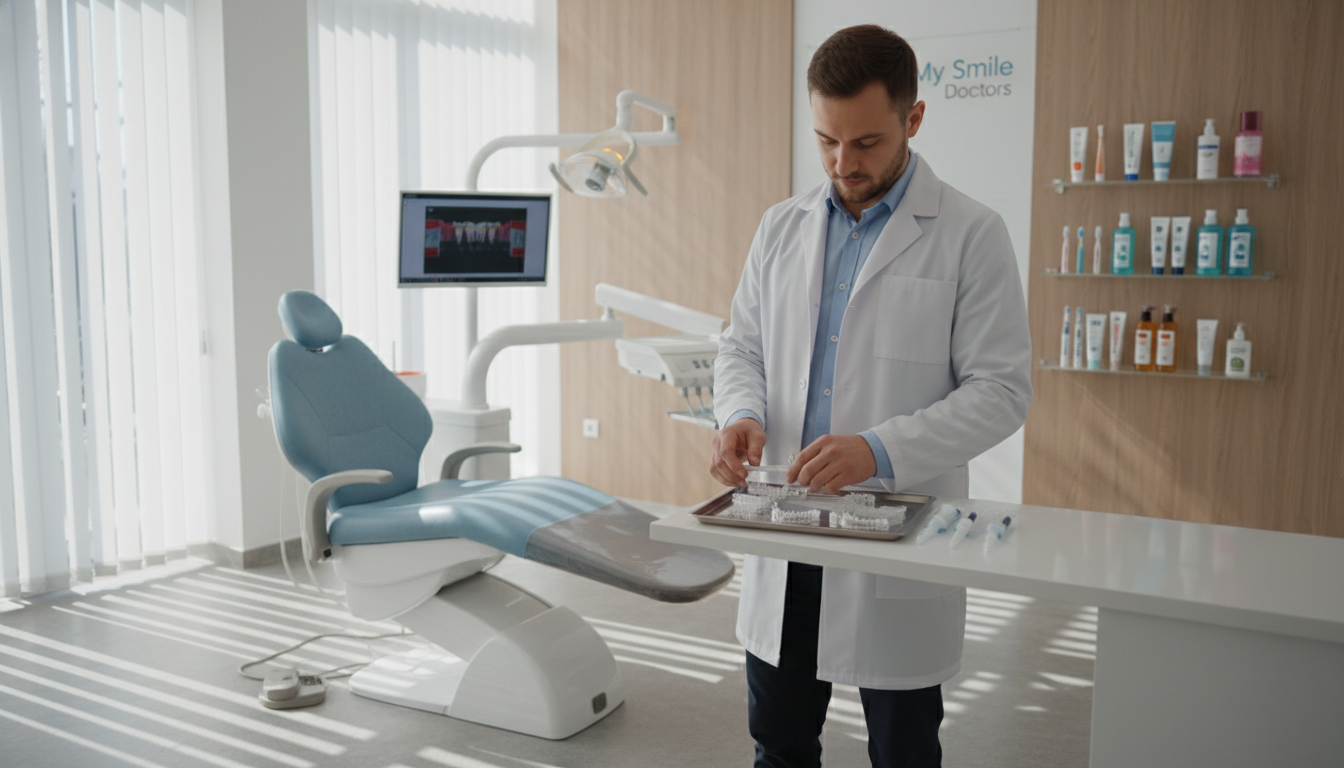
Avoid staining drinks like coffee and red wine for a few days before your visit. This helps us see your natural tooth shade and plan the best treatment.
Please tell us about any history of sensitivity. We can adapt the procedure and use desensitising steps to keep you comfortable.
- We will examine your mouth and review restorations to confirm candidacy.
- We explain all treatment options and tailor a plan to your goals.
- Ask questions — being informed eases anxiety and helps people feel in control.
“Preparing well gives us the best chance to deliver a safe, lasting result.”
Before your session, our team provides clear aftercare guidance and answers about costs and timing. For tips on keeping results bright, see our guide on maintaining your new pearly whites.
Maintaining Your Bright Smile After Treatment
Keeping your smile bright after professional care takes small, daily habits that add up. A short routine protects your investment and helps avoid new surface stains.
Lifestyle Habits to Prevent Staining
Daily brushing and flossing are the foundation. Clean teeth stop pigments from coffee, red wine and other staining drinks settling into enamel.
Rinse your mouth with water after meals or use a straw for coloured drinks to reduce contact with your natural teeth. These simple steps limit new stains and keep results longer.
If you notice temporary tooth sensitivity after a session, try specialist desensitising toothpaste and follow our guidance. Overuse of whitening products or kits can cause irritation and long-term damage to enamel and gums.
- Limit staining drinks and tobacco to protect colour.
- Use maintenance kits from our clinic for touch-ups at home — we fit trays and advise timing.
- Remember: whitening treatments do not change veneers or crowns — you may need replacement to match.
“Follow a personalised care plan and we will help your whiter smile last while keeping teeth and gums healthy.”
Conclusion
A brighter smile starts with clear guidance and realistic steps. We guide you through safe options and help you choose the right path for lasting results. Your journey blends professional care with everyday habits that protect enamel and comfort.
We encourage all people to consult a registered dentist before any teeth whitening. Our team in Parramatta offers personalised advice and compassionate care to match your goals and sensitivity levels.
The Australian Dental Association stresses professional oversight to protect your enamel and prevent complications. For extra support on dental health, call the healthdirect helpline at 1800 022 222.
Thank you for trusting us with your smile — we look forward to helping you maintain bright, healthy teeth for years to come.