

When your baby struggles with feeding or your toddler faces speech challenges, every moment matters. Tongue tie, medically known as ankyloglossia, affects many infants and children across Parramatta and greater Sydney. We understand the worry you feel when your child isn’t thriving. Our experienced team provides comprehensive tongue tie assessment and gentle treatment options right here in Parramatta.
Finding the right support for your child’s tongue tie concerns doesn’t have to be overwhelming. Whether you’re dealing with breastfeeding difficulties, concerned about your infant’s weight gain, or noticing speech development delays, we’re here to help your family navigate these challenges with confidence and care.
Understanding Tongue Tie: What Parents Need to Know
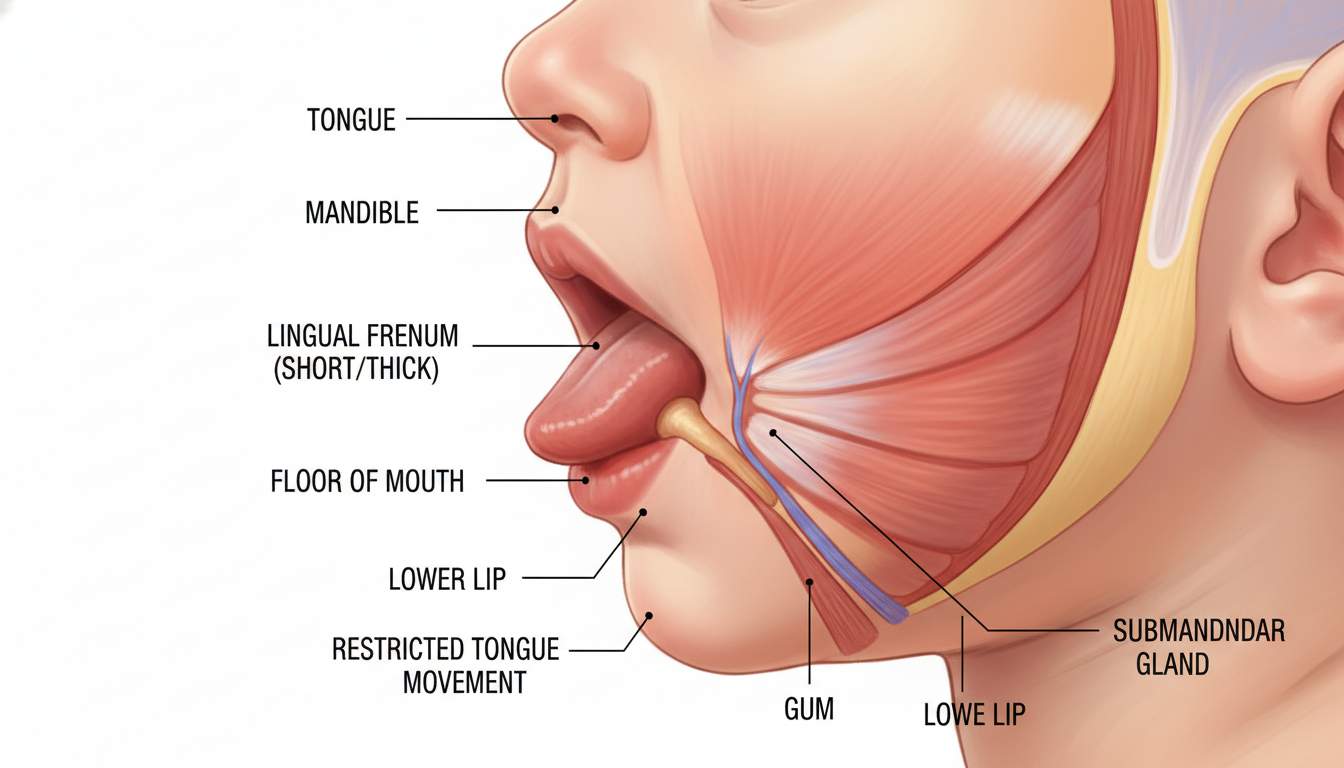
Tongue tie occurs when the thin piece of tissue under your baby’s tongue, called the lingual frenulum, is too short or tight. This condition restricts the tongue’s movement and can create significant challenges for infants and children. The tissue connects the floor of the mouth to the underside of the tongue, and when it’s overly restrictive, it limits your child’s ability to move their tongue freely.
Many parents first notice tongue tie when their baby has trouble latching during breastfeeding. The condition affects approximately four to eleven percent of newborns. Some babies are born with mild tongue tie that doesn’t cause problems, while others experience severe restrictions that impact feeding, speech, and oral development.
How Tongue Tie Affects Your Baby
The restricted tongue movement caused by tongue tie creates challenges that extend beyond feeding. Your infant may struggle to create the proper seal around the nipple during breastfeeding. This difficulty often leads to poor milk transfer, leaving your baby hungry and frustrated. The condition affects bottle feeding as well, though breastfeeding challenges tend to be more pronounced.
For mothers, breastfeeding a baby with tongue tie can cause significant nipple pain and damage. The improper latch creates friction and trauma to the breast tissue. Many mothers experience cracked, bleeding nipples and ongoing discomfort that makes feeding sessions stressful rather than bonding experiences.

Common Feeding Problems
Parents often notice their baby making clicking sounds while feeding. This noise indicates that your infant is losing suction and swallowing air. The poor feeding efficiency means longer feeding sessions that exhaust both baby and mother.
Weight gain problems frequently accompany tongue tie. Your baby may seem constantly hungry because they’re not getting enough milk during feeds. Pediatricians monitor infant growth carefully, and slow weight gain often prompts investigation into feeding difficulties.
Recognizing Tongue Tie Symptoms and Signs
Identifying tongue tie early helps prevent long-term feeding and developmental problems. We encourage parents to watch for specific signs that suggest their child may have this condition. Early recognition allows for timely intervention and support for both baby and mother.
Infant Feeding Signs
Your baby may show clear indicators during feeding times that suggest tongue tie is affecting their ability to eat properly.
- Difficulty latching onto breast or bottle
- Frequent breaks during feeding sessions
- Clicking or smacking sounds while eating
- Prolonged feeding times exceeding forty-five minutes
- Choking or gagging during feeds
- Poor weight gain despite frequent feeding
Maternal Symptoms
Mothers often experience physical discomfort and emotional stress when their baby has tongue tie that impacts breastfeeding.
- Severe nipple pain during nursing
- Cracked, bleeding, or damaged nipples
- Nipple appearing flattened after feeding
- Incomplete breast emptying and engorgement
- Recurrent blocked ducts or mastitis
- Low milk supply from inadequate stimulation
Physical Appearance
Visual examination of your baby’s mouth can reveal structural signs that indicate tongue tie may be present.
- Tongue appears heart-shaped when extended
- Limited tongue movement side to side
- Inability to lift tongue to roof of mouth
- Tongue tip cannot reach beyond lower gum line
- Visible tight band of tissue under tongue
- Tongue appears anchored to floor of mouth
Speech Development Issues
As children grow, untreated tongue tie can affect their ability to produce certain sounds and develop clear speech patterns.
- Difficulty pronouncing specific letter sounds
- Trouble with sounds requiring tongue elevation
- Speech that seems unclear or mumbled
- Frustration when trying to communicate
- Delayed speech milestone achievement
- Difficulty eating solid foods as toddler
Recognizing These Signs in Your Child?
Our experienced Parramatta team can help. We provide comprehensive tongue tie assessments for infants and children, offering the support and solutions your family needs. Early intervention makes a significant difference in your child’s feeding success and development.

Professional Tongue Tie Assessment in Parramatta
A thorough tongue tie examination involves more than simply looking at your baby’s mouth. Our comprehensive assessment evaluates how the condition affects your child’s function and overall well-being. We take time to understand your family’s specific challenges and concerns.
What Happens During Your Assessment
Your appointment begins with a detailed conversation about your child’s feeding history and any difficulties you’ve experienced. We ask about breastfeeding pain, your baby’s weight gain patterns, and feeding duration. Understanding your complete story helps us provide the most effective care and support for your family.
The physical examination involves observing your baby’s tongue movement and structure. We assess how far your infant can extend their tongue and whether they can lift it to the roof of their mouth. The tissue under the tongue is carefully examined to determine thickness, elasticity, and attachment point. This examination is gentle and typically doesn’t distress your baby.

Functional Assessment Considerations
We observe your baby during feeding when possible. Watching how your infant latches and feeds provides valuable information about the functional impact of tongue tie. Some babies with visible tongue tie feed without problems, while others with less obvious restrictions experience significant difficulties. The functional assessment helps determine whether treatment is necessary.
For older children, we evaluate speech patterns and eating abilities. Your toddler may be asked to perform simple tongue movements or make specific sounds. These assessments help us understand how tongue tie affects your child’s development and daily activities.
Assessment Components
- Detailed feeding and medical history review
- Visual examination of oral structures and frenulum
- Evaluation of tongue mobility and range of motion
- Functional feeding observation when appropriate
- Assessment of impact on speech development for older children
- Discussion of symptoms affecting both baby and mother
- Lactation support evaluation and recommendations

Collaboration with Lactation Consultants
We work closely with lactation consultants to provide comprehensive care for families. Many tongue tie cases benefit from coordinated support between medical specialists and feeding experts. Lactation consultants help optimize feeding techniques and provide crucial support during the recovery period after any procedure.
Your assessment may include recommendations for lactation support services. Improving feeding positions and techniques can sometimes help even before treatment. For families proceeding with frenectomy, lactation support proves invaluable in establishing successful feeding patterns afterward.
Tongue Tie Treatment Options and Procedures
When tongue tie significantly affects your child’s feeding, speech, or oral development, treatment can provide relief and improvement. The primary treatment for tongue tie is a procedure called frenotomy or frenectomy. These terms are often used interchangeably, though technically frenotomy refers to a simple release while frenectomy involves removing more tissue.
Understanding the Frenectomy Procedure
The procedure involves carefully releasing the tight tissue that restricts tongue movement. For infants, the frenectomy is typically quick and straightforward. The tissue under a baby’s tongue has very few nerve endings and minimal blood supply, making the procedure less traumatic than many parents expect.
We perform infant frenectomy procedures with precision and care. The entire process usually takes just a few minutes. Many babies cry briefly during the procedure but calm quickly, often feeding immediately afterward. This ability to nurse right away provides comfort for your baby and reassurance for parents.

Procedure Methods and Techniques
Traditional scissors technique remains common for infant tongue tie release. The specialist uses sterile surgical scissors to quickly snip the frenulum. This method is effective and requires no anesthesia for young infants due to the minimal nerve supply in the tissue. Older babies and children may receive local anesthetic for comfort.
Laser frenectomy offers an alternative approach using focused light energy to release the tissue. Laser procedures may result in less bleeding and potentially faster healing. The choice of technique depends on your child’s age, the severity of tongue tie, and the specialist’s expertise and available equipment.
Important Note: The procedure decision should be made carefully after thorough assessment. Not every tongue tie requires treatment. We only recommend frenectomy when the condition significantly impacts feeding, speech, or oral function. Some mild cases resolve naturally or don’t cause functional problems.
What to Expect After the Procedure
Recovery from tongue tie release is typically straightforward for most infants. You may notice a small white or yellow patch under your baby’s tongue where the tissue was released. This appearance is normal and represents healing tissue. The area usually heals completely within one to two weeks.
Your baby might experience slight discomfort for a day or two after the procedure. Most infants feed normally right away, though some need a brief adjustment period. We provide detailed aftercare instructions to support optimal healing and prevent reattachment of the tissue.
Post-Procedure Care Instructions
- Gentle tongue exercises to prevent reattachment
- Regular feeding to promote normal tongue movement
- Monitoring the release site for proper healing
- Managing any mild discomfort with appropriate measures
- Follow-up appointments to assess healing and function
- Continued lactation support for feeding optimization
Expected Improvements
- Easier latching during breastfeeding sessions
- Reduced maternal nipple pain and damage
- More efficient milk transfer and feeding
- Improved weight gain in infants
- Better tongue mobility and oral function
- Enhanced speech clarity as child develops
Ready to Help Your Child Thrive?
Our gentle, anxiety-free approach to tongue tie treatment ensures the best outcomes for your baby. We guide you through every step of the process with compassionate care and professional expertise. Schedule your consultation with our Parramatta specialists today.

Finding Qualified Tongue Tie Specialists in Parramatta
Choosing the right healthcare provider for your child’s tongue tie concerns ensures the best possible outcomes. Parramatta offers access to experienced specialists who understand the complexities of tongue tie diagnosis and treatment. Finding a qualified professional who combines expertise with a gentle, family-centered approach makes all the difference.
Types of Healthcare Providers
Several types of specialists can assess and treat tongue tie. Pediatric dentists often have extensive experience with oral conditions affecting children, including tongue tie. These professionals understand how tongue restrictions impact oral development and function throughout childhood.
Some general practitioners and pediatricians perform tongue tie assessments and release procedures, particularly for young infants. Ear, nose, and throat specialists may also evaluate and treat tongue tie, especially when the condition affects older children or involves complex cases requiring surgical expertise.

What to Look for in a Specialist
Experience with tongue tie specifically matters when selecting a provider. Ask about how many tongue tie assessments and procedures the specialist performs regularly. Providers who focus on this condition tend to have refined skills and better outcomes. They understand the nuances of when treatment is necessary and when watchful waiting is appropriate.
A collaborative approach to care benefits families dealing with tongue tie. Look for specialists who work with lactation consultants and other support professionals. This team-based model ensures comprehensive care addressing all aspects of feeding challenges and recovery.
- Specific training in tongue tie assessment and treatment
- Regular experience performing frenectomy procedures
- Understanding of infant feeding dynamics and lactation
- Collaborative relationships with lactation consultants
- Positive patient reviews and family testimonials
- Modern, comfortable clinic environment for families
Specialist Qualifications to Verify
- How many tongue tie procedures do you perform monthly?
- What assessment methods do you use to evaluate severity?
- Which procedure technique do you recommend and why?
- What aftercare support do you provide families?
- Do you work with lactation consultants for coordinated care?
- What are your follow-up protocols after the procedure?
Questions to Ask Providers
Access to Support Services
Comprehensive tongue tie care extends beyond the release procedure. Access to lactation support proves essential for many families, particularly when breastfeeding difficulties prompted the initial tongue tie concern. Look for practices that either provide lactation services or maintain strong referral relationships with experienced consultants.
Some clinics offer integrated services where lactation consultants, pediatric specialists, and other professionals work together under one roof. This convenience helps families receive coordinated care without scheduling multiple appointments at different locations across Sydney.
Local Healthcare Resources and Support in Parramatta
Parramatta families have access to excellent healthcare resources for tongue tie concerns. The area’s medical community includes experienced practitioners who understand the impact of tongue tie on infant feeding and child development. Local support services help families navigate diagnosis, treatment, and recovery with confidence.
Accessing Care in the Parramatta Region
Our Parramatta clinic provides convenient access for families throughout Western Sydney. The central location makes it easy for parents from surrounding suburbs to reach our practice without extensive travel. We understand that managing a tongue tie concern is stressful enough without adding long commutes to your challenges.
Public and private healthcare options exist within Parramatta for tongue tie assessment and treatment. Some families prefer the personalized attention of private practice care, while others access services through public health channels. Both pathways can provide quality care when you find experienced providers.

Support Groups and Community Resources
Connecting with other families experiencing tongue tie challenges provides valuable emotional support and practical advice. Parramatta area breastfeeding support groups often include mothers who have navigated tongue tie diagnosis and treatment. These connections help you feel less isolated during a stressful time.
The Australian Breastfeeding Association offers resources and support for families dealing with feeding difficulties. Local lactation consultants throughout Parramatta and Western Sydney provide professional guidance for optimizing feeding before and after tongue tie release procedures.
When to Seek Immediate Help
Some situations require prompt professional attention. If your baby is losing weight or not gaining appropriately, contact your pediatrician or our clinic immediately. Severe feeding difficulties that leave your infant hungry and distressed need urgent evaluation and support.
Maternal health matters too. Severe nipple pain, bleeding, or signs of breast infection should be addressed quickly. These complications can escalate rapidly, and early intervention prevents more serious problems. Don’t hesitate to reach out when you’re struggling – we’re here to help your family.
Medicare and Insurance Coverage: Many families have questions about tongue tie treatment costs and insurance coverage. Medicare may cover tongue tie procedures when medically necessary. Private health insurance policies vary in their coverage of these services. We’re happy to discuss financial considerations and help you understand your options during your consultation.
address 37 grose st, parramatta, nsw, 2150 , sydney
Managing Tongue Tie: Tips for Parents and Families
While waiting for assessment or during the decision-making process about treatment, several strategies can help manage tongue tie challenges. These approaches won’t cure tongue tie, but they can reduce stress and improve feeding outcomes for your family.
Optimizing Feeding Techniques
Working with a lactation consultant can significantly improve breastfeeding despite tongue tie. Adjusting your baby’s position may help them achieve a better latch even with restricted tongue movement. Some positions work better than others for babies with tongue tie, and professional guidance helps identify what works for your specific situation.
More frequent, shorter feeding sessions sometimes work better than attempting long feeds that exhaust both mother and baby. Your infant may transfer milk more efficiently in brief bursts rather than during extended sessions. Pumping to supplement feedings ensures your baby gets adequate nutrition while you work toward a long-term solution.

Pain Management for Mothers
Nursing a baby with tongue tie can cause significant nipple pain and damage. Taking care of yourself matters just as much as caring for your baby. Medical-grade lanolin or other nipple creams can soothe damaged tissue between feeds. Some mothers find cooling gel pads helpful for reducing inflammation and pain.
Varying feeding positions may reduce repeated trauma to the same areas of your nipples. If one breast is more damaged than the other, consider starting feeds on the less sore side when possible. Your comfort matters, and there’s no shame in needing pain relief or breaks during this challenging time.
Monitoring Your Baby’s Growth and Development
Regular weight checks help ensure your baby is getting adequate nutrition despite feeding challenges. Your pediatrician or child health nurse can monitor growth patterns and advise when intervention becomes necessary. Keeping a feeding diary helps track patterns and identify problems early.
Watch for wet and soiled nappies as indicators of adequate intake. Young infants should have at least six wet nappies daily. Fewer than this may indicate insufficient milk intake and requires immediate professional evaluation.
Daily Feeding Support Strategies
- Experiment with different breastfeeding positions
- Consider shorter, more frequent feeding sessions
- Use breast compression to improve milk flow
- Pump after feeds to maintain milk supply
- Apply nipple cream after each feeding
- Stay well-hydrated and nourished yourself
When Professional Help Is Needed
- Baby loses weight or gains inadequately
- Feeding sessions consistently exceed one hour
- Severe ongoing nipple pain and damage
- Signs of dehydration in your infant
- Persistent clicking during all feeds
- Your mental health is suffering significantly
Emotional Support for Your Family
Dealing with tongue tie and feeding difficulties takes an emotional toll on families. The frustration, exhaustion, and worry are completely valid. Many mothers feel guilt or inadequacy when breastfeeding doesn’t go as planned. Please know that tongue tie is a physical condition – not a reflection of your parenting abilities.
Seek support from partners, family, friends, or professional counselors when feelings become overwhelming. Postpartum mood disorders can be exacerbated by feeding struggles and sleep deprivation. Your mental health matters enormously, and asking for help demonstrates strength, not weakness.

Moving Forward with Confidence and Support
Navigating tongue tie diagnosis and treatment doesn’t have to be an overwhelming journey. With the right support, information, and professional care, families throughout Parramatta and Sydney can address this condition effectively. Early recognition of symptoms and timely intervention make a significant difference in outcomes for both babies and mothers.
We’re committed to providing compassionate, expert care for families dealing with tongue tie concerns. Our approach combines professional expertise with genuine understanding of the challenges you face. Every family deserves access to gentle, anxiety-free treatment in a supportive environment.
Whether you’re currently struggling with feeding difficulties, concerned about your child’s speech development, or simply seeking information about tongue tie, we’re here to help. Our Parramatta team looks forward to supporting your family’s journey toward better feeding, improved comfort, and optimal development for your child.
Let’s Work Together to Help Your Child Thrive
Contact our experienced Parramatta tongue tie specialists today. We provide comprehensive assessments, gentle treatment options, and ongoing support for families throughout Western Sydney. Your child’s health and your family’s wellbeing are our top priorities.
Request Your Tongue Tie Assessment Appointment
Complete the form below and our friendly Parramatta team will contact you to schedule your comprehensive tongue tie assessment. We typically respond to inquiries within one business day. For urgent concerns about your infant’s feeding or weight gain, please call our clinic directly.
Prefer to speak with us directly?