
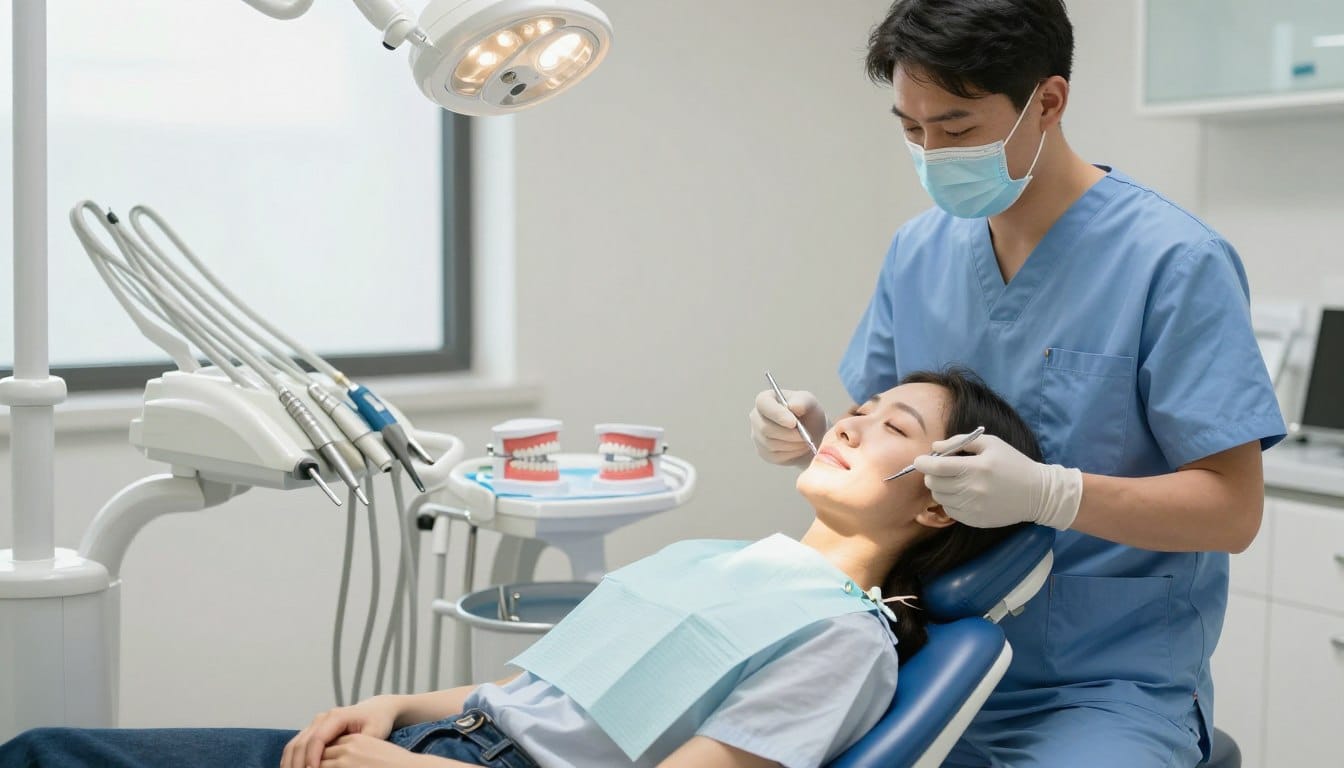
We understand that the prospect of wisdom teeth removal can feel overwhelming for many patients. Our dedicated team in Parramatta is here to provide a calm, supportive environment where your comfort is our absolute priority.
We believe that dental surgery Parramatta should be a positive step toward your long-term oral health. By combining advanced clinical expertise with a gentle, patient-centred philosophy, we aim to transform a potentially stressful experience into a manageable journey.
Addressing dental anxiety is at the heart of what we do. We are here to partner with you, ensuring that every question is answered and every concern is addressed with the professional care you truly deserve.
Key Takeaways
- Prioritising a calm and supportive environment for all patients.
- Combining advanced clinical expertise with a gentle, patient-centred approach.
- Addressing common concerns to help manage and reduce patient stress.
- Focusing on long-term oral health through high-quality, professional care.
- Ensuring every patient feels heard, valued, and well-informed throughout their treatment.
Understanding the Need for Wisdom Teeth Removal
We understand that the prospect of oral surgery can feel overwhelming, but we are here to guide you through every step of your care. Making informed decisions about your dental health is much easier when you have a clear understanding of why these procedures are recommended. Our goal is to ensure you feel completely supported and confident in the path we choose together.
Why Third Molars Often Require Extraction
Most adults simply do not have enough room in their jaw to accommodate a third set of molars. When these teeth attempt to emerge, they often become trapped or grow at an awkward angle, which can push against your other healthy teeth. This lack of space is the primary reason we recommend preventative extraction to protect your overall bite alignment.
Common Symptoms of Impacted Wisdom Teeth
Recognizing the early signs of trouble can help you seek care before discomfort becomes severe. Many patients report specific wisdom teeth symptoms that indicate it is time for a professional check-up. If you notice persistent aching, swelling in the gums, or a feeling of pressure at the back of your mouth, please reach out to our team.
When impacted wisdom teeth are left untreated, they may lead to more complex issues like gum inflammation or decay. We prioritize your comfort and aim to address these concerns early to prevent unnecessary pain. The following table outlines common indicators that suggest your third molars may need professional attention.
| Clinical Indicator | Common Sensation | Recommended Action |
|---|---|---|
| Gum Swelling | Tenderness and redness | Schedule a consultation |
| Jaw Pressure | Dull, persistent ache | Professional assessment |
| Limited Space | Crowding of front teeth | Dental imaging review |
The Role of Dental Imaging and Assessment
To provide the highest standard of care, we utilize advanced dental imaging to map the exact position of your teeth with precision. This technology allows us to see beneath the gum line, ensuring we understand the root structure and proximity to nerves before any procedure begins. By using clear dental imaging, we can plan your treatment with total accuracy.
We also believe in complete transparency regarding your wisdom teeth extraction cost. During your consultation, we will provide a detailed breakdown of the procedure and associated fees so there are no surprises. Our team is dedicated to providing high-quality, anxiety-free care that fits your needs and your budget.
Preparing for Your Surgical Appointment
Your path to a smooth recovery begins long before you step into our clinic. We understand that undergoing dental surgery Parramatta can feel daunting, which is why we prioritize clear communication and support. By focusing on these logistical details, we ensure that you receive the gentle dental treatment you deserve from start to finish.
Arranging Transport and Post-Operative Support
If you are opting for sedation, you will not be able to drive yourself home after your procedure. We require that you arrange for a trusted friend or family member to collect you and stay with you for the first few hours. This ensures your safety while the sedative effects wear off completely.
- Confirm your ride at least 48 hours before your appointment.
- Ensure your support person is available to receive post-operative instructions.
- Avoid public transport or ride-sharing services alone following sedation.
Fasting Requirements and Medication Adjustments
To keep you safe during your procedure, we provide specific fasting guidelines. An empty stomach is essential when using anaesthesia to prevent nausea and ensure your comfort. Please follow these simple rules:
Do not consume any food or liquids for at least six hours before your scheduled time. If you take daily medications, please discuss these with us during your consultation. We will advise you on which pills to continue and which to pause to avoid any complications during your care.
Preparing Your Home Recovery Space
Creating a dedicated sanctuary at home will make your wisdom teeth recovery much more manageable. We recommend setting up a comfortable area where you can rest undisturbed for the first 24 to 48 hours. Having everything within reach allows you to focus entirely on healing without unnecessary movement.
“Preparation is the key to a stress-free recovery; by organizing your space early, you allow your body the best environment to heal.”
Consider preparing your space with the following essentials:
- Extra pillows to keep your head elevated and reduce swelling.
- A supply of soft foods like yoghurt, applesauce, and lukewarm soups.
- A clean space for your prescribed medications and water.
- A cold compress ready in the freezer for immediate use.
What to Expect During the Procedure
Knowing exactly what happens during your procedure can transform your experience from stressful to calm and controlled. We believe that knowledge is the best remedy for dental anxiety, so we take the time to walk you through every stage of your visit. Our goal is to ensure you feel secure and empowered while we perform your wisdom teeth removal.
Types of Anaesthesia and Sedation Options
We offer a variety of dental anaesthesia options to ensure you remain completely comfortable. Depending on your specific needs and the complexity of the extraction, we will discuss the best approach for your care. Our sedation dentistry techniques are designed to keep you relaxed and pain-free throughout the entire process.
| Sedation Type | Level of Awareness | Best For |
|---|---|---|
| Local Anaesthesia | Fully Awake | Simple extractions |
| IV Sedation | Deeply Relaxed | Moderate anxiety |
| General Anaesthesia | Unconscious | Complex procedures |
The Surgical Process Explained
Once you are comfortable, our clinical team begins the procedure by ensuring the area is fully numbed. We carefully remove the tooth, often by sectioning it into smaller pieces to minimize tissue trauma. This meticulous approach allows for a smoother recovery period following your wisdom teeth removal.
After the tooth is removed, we clean the site thoroughly to prevent any debris from remaining. We may place a few dissolvable stitches to help the gum tissue heal properly. The entire process is handled with utmost precision and care to protect your oral health.
Managing Pre-Surgery Anxiety
It is completely normal to feel nervous before any dental procedure. We share practical strategies for managing dental anxiety, such as deep breathing exercises and clear communication with our staff. You are never alone in our chair, as our compassionate team is dedicated to your comfort from start to finish.
By demystifying the surgical process, we help you feel confident in our care. We encourage you to ask questions and express any concerns before we begin. Your peace of mind is our highest priority, and we are here to support you every step of the way.
Immediate Post-Operative Care and Safety
Proper care immediately following your procedure sets the foundation for a quick and comfortable healing journey. We are committed to providing you with clear, actionable post-operative care instructions to ensure you feel well-supported at home during these critical first few hours.
Managing Bleeding and Gauze Placement
It is perfectly normal to experience some minor oozing from the extraction site after your surgery. To manage this, we recommend keeping firm, steady pressure on the gauze pad provided by our team for at least 30 to 45 minutes.
If bleeding persists, replace the gauze with a fresh, clean pad and maintain consistent pressure. Avoid frequent checking, as this can disrupt the formation of the blood clot, which is essential for your wisdom teeth recovery.
Reducing Swelling with Cold Compresses
Swelling is a natural response to surgery and typically peaks within the first 48 hours. You can effectively minimise facial puffiness by applying a cold compress to the outside of your cheek near the surgical site.
We suggest using an ice pack wrapped in a thin towel for 20 minutes on, followed by 20 minutes off. These surgical recovery tips are most effective when applied consistently during the first day of your healing process.
The Importance of Resting and Avoiding Physical Exertion
Your body requires significant energy to heal properly after an extraction. We strongly advise that you plan for a quiet day at home where you can relax and keep your head elevated with extra pillows.
Please avoid any strenuous physical activity, heavy lifting, or intense exercise for at least 24 to 48 hours. Giving your body this time to rest will significantly improve your comfort and help prevent complications.
| Action Item | Frequency | Primary Benefit |
|---|---|---|
| Gauze Pressure | Every 45 minutes | Controls bleeding |
| Cold Compress | 20 mins on/off | Reduces swelling |
| Physical Rest | First 48 hours | Promotes healing |
Pain Management and Medication Protocols
We believe that effective pain management is the cornerstone of a smooth recovery journey. Managing your comfort is a central part of our care philosophy, and we provide a structured approach to wisdom teeth pain relief that prioritises your safety. Our goal is to provide you with the knowledge to manage your symptoms effectively while maintaining open lines of communication for your peace of mind.
Over-the-Counter Pain Relief Strategies
For most patients, standard over-the-counter medications are highly effective at controlling discomfort. We typically recommend a combination of ibuprofen and paracetamol, as these work through different pathways to reduce inflammation and block pain signals. Consistency is key during the first 48 hours, so try to stay ahead of the pain by taking your doses on a regular schedule rather than waiting for the discomfort to peak.
Always follow the dosage instructions on the packaging or those provided by our clinical team. Taking more than the recommended amount will not speed up your healing and may lead to unwanted side effects. If you have any underlying health conditions, please consult with us before starting any new medication regimen.
Prescription Medication Safety
In some cases, we may provide a prescription for stronger pain relief to ensure you remain comfortable. It is vital that you follow these instructions precisely, as these medications are designed for short-term use only. Never combine prescription painkillers with alcohol or other sedatives, as this can cause dangerous interactions.
If you find that your prescribed medication is not providing the relief you expected, please reach out to us immediately. We are here to adjust your plan and ensure you are not suffering unnecessarily. Keep all medications in a secure place, away from children and pets, to maintain a safe home environment.
When to Contact Your Dentist Regarding Pain
While some level of discomfort is a normal part of the healing process, certain symptoms warrant a professional assessment. You should contact our office if you experience pain that worsens significantly after the third day or if your medication fails to provide any relief at all. We are always here to help, so please do not hesitate to call if you feel something is not right.
| Management Method | Primary Benefit | Best Practice |
|---|---|---|
| Over-the-Counter | Reduces inflammation | Take on a strict schedule |
| Cold Compresses | Numbs the area | Apply for 20 minutes at a time |
| Prescription Meds | Manages severe pain | Follow exact dosage timing |
| Resting | Lowers blood pressure | Keep head elevated |
By following these protocols for wisdom teeth pain relief, you can focus on resting and recovering in comfort. We are committed to your well-being and look forward to seeing you back to your normal self soon.
Nutritional Guidelines for a Smooth Recovery
Your journey to feeling like yourself again starts with the choices you make in the kitchen. Maintaining proper nutrition is vital for your body to heal efficiently after your procedure. We are here to guide you through this process with a curated approach to your meals.

Recommended Soft Foods for the First Few Days
During the initial phase of your wisdom teeth recovery, your primary goal is to consume nutrient-dense items that require minimal chewing. We recommend stocking your pantry with cool, soothing options that provide energy without irritating the surgical site.
Consider incorporating these gentle staples into your daily routine:
- Smooth Greek yogurt or cottage cheese
- Mashed potatoes or sweet potatoes
- Blended vegetable soups (served lukewarm)
- Applesauce or mashed bananas
- Protein-rich smoothies without seeds
Foods and Drinks to Avoid During Healing
While it is tempting to return to your normal routine, certain textures can significantly delay your progress. You must strictly avoid crunchy, hard, or sticky snacks that could become lodged in the extraction site. Furthermore, avoid spicy foods and extremely hot liquids, as these can increase inflammation and discomfort.
“The secret to a successful recovery lies in patience and choosing foods that allow your mouth the necessary rest to heal naturally.”
To help you navigate your soft food diet, we have prepared a simple guide to assist with your meal planning:
| Food Category | Recommended | Avoid |
|---|---|---|
| Grains | Oatmeal | Popcorn |
| Proteins | Scrambled Eggs | Steak |
| Vegetables | Mashed Carrots | Raw Celery |
| Snacks | Pudding | Potato Chips |
Maintaining Hydration Without Using Straws
Staying hydrated is essential for your overall well-being, but the method you use to drink matters just as much as the fluid itself. You must strictly avoid using straws during the first few days of your recovery. The suction created by a straw can dislodge the protective blood clot, leading to a painful condition known as dry socket.
Instead, sip your water or electrolyte drinks directly from a glass or cup. If you find it difficult to drink comfortably, try using a small spoon to take measured sips. By following these simple nutritional guidelines, you support your body’s natural healing mechanisms while enjoying a variety of gentle, soothing meal options.
Oral Hygiene Practices While Healing
We understand that keeping your mouth clean while healing can feel like a delicate balancing act. Providing consistent post-operative care is essential for preventing complications, yet it must be done with extreme care to protect the sensitive extraction site. By following these simple habits, you can ensure a clean environment that promotes rapid and uncomplicated healing.
Gentle Rinsing Techniques
For the first twenty-four hours, we recommend that you avoid rinsing your mouth entirely to allow a stable blood clot to form. After this initial period, you may begin gentle salt water rinses to keep the area free of food debris. Mix half a teaspoon of salt into a cup of warm water and tilt your head from side to side, letting the liquid wash over the area without vigorous swishing.
Brushing Around the Extraction Site
Maintaining oral hygiene after surgery does not mean you should stop brushing your teeth. You should continue to brush your teeth twice a day, but please be extra careful near the surgical site. Use a soft-bristled toothbrush and move slowly, ensuring you do not touch the healing tissue directly for the first few days.
Preventing Dry Socket Through Proper Care
The most critical aspect of your recovery is dry socket prevention, which involves protecting the blood clot that forms in the empty socket. You must avoid any actions that create suction in your mouth, such as using straws, smoking, or spitting forcefully. These simple precautions make a significant difference in your long-term comfort and help you avoid unnecessary pain during your recovery journey.
Recognising Potential Complications
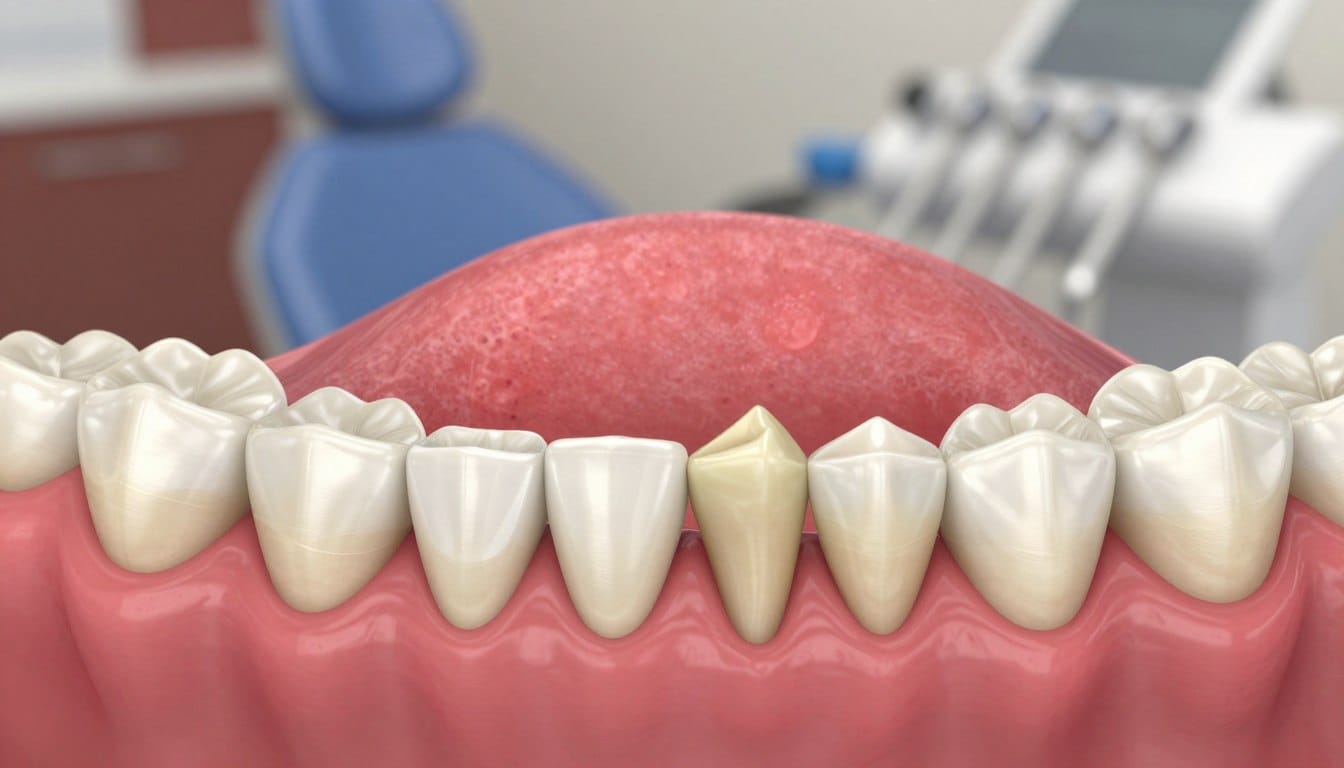
Although recovery from the removal of impacted wisdom teeth is usually simple, knowing what to watch for provides peace of mind. We are committed to your comfort and want you to feel confident in identifying when your body needs extra attention during the healing process.
Signs of Infection to Monitor
It is normal to experience some discomfort, but you should remain vigilant for specific infection signs after surgery. If you notice a fever that persists or pain that seems to worsen rather than improve after the third day, please reach out to our team.
Other indicators of a potential issue include:
- Persistent or foul-tasting discharge from the extraction site.
- Swelling that increases significantly after the first 48 hours.
- Visible pus or unusual redness around the gums.
Identifying Nerve Damage Symptoms
While rare, some patients may experience sensations that suggest nerve irritation. You might notice a persistent tingling or numbness in your tongue, lips, or chin area.
These symptoms are often temporary as the tissues heal. However, we encourage you to report any numbness that does not show signs of fading within a few days so we can monitor your progress closely.
When to Seek Emergency Dental Care
We want you to feel supported at every stage of your recovery. You should contact us immediately for emergency dental care if you experience uncontrollable bleeding that does not stop with firm pressure or difficulty breathing.
If you are unsure about your symptoms, please do not hesitate to call our office. Our team is always here to provide expert support, ensuring you know exactly how to manage any unexpected infection signs after surgery or other concerns that may arise.
Conclusion
Taking control of your oral health is a significant step toward long-term comfort and wellness. We hope this guide provides the clarity needed to approach your procedure with complete confidence.
Our dedicated team remains available to offer professional dental advice tailored to your unique needs. We believe that informed patients experience the best outcomes during their healing journey.
Maintaining open communication with our staff ensures you receive the support required for a smooth recovery. We are honoured to partner with you as you work toward achieving a healthy, comfortable smile.
Reach out to our clinic today to schedule your consultation. We look forward to providing the professional dental advice that keeps your smile bright and pain-free for years to come.