
When your wisdom teeth start causing discomfort, finding the right care matters. We understand that the thought of wisdom tooth removal can feel overwhelming. Many of our patients in the Parramatta and greater Sydney area come to us with questions, concerns, and sometimes anxiety about the procedure ahead.
You’re not alone in these feelings. Wisdom teeth removal is one of the most common dental procedures we perform. Our experienced team has helped thousands of patients achieve relief and optimal oral health through gentle, anxiety-free treatment.
This comprehensive guide walks you through everything you need to know about wisdom teeth removal. We’ll explain what wisdom teeth are, why they often need removal, what the procedure involves, and how we make your experience as comfortable as possible.
Ready to Discuss Your Wisdom Teeth?
Our caring team at 37 Grose St, Parramatta is here to answer your questions and provide the gentle, expert care you deserve. Let’s talk about how we can help you achieve lasting comfort.
What Are Wisdom Teeth and Why Do They Cause Problems?
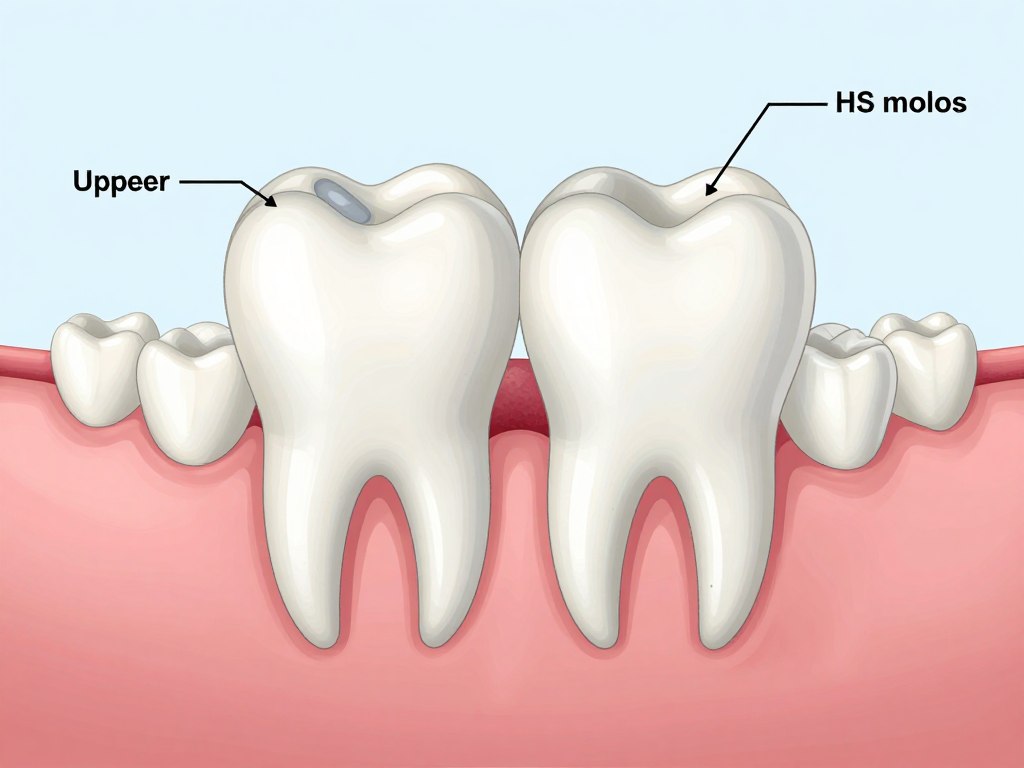
Wisdom teeth are your third molars. They’re the last teeth to develop in your mouth, typically appearing between ages seventeen and twenty-five. Most people have four wisdom teeth, one in each corner of the mouth at the very back.
These teeth earned their name because they arrive much later than your other teeth. They emerge during young adulthood, a time traditionally associated with gaining wisdom.
Our ancestors needed these extra molars. Their diet consisted of rough foods that wore down teeth quickly. Today, our softer modern diet and better dental care mean we rarely need these additional teeth.
Why Modern Jaws Often Cannot Accommodate Wisdom Teeth
Evolution has changed our jaw structure over thousands of years. Human jaws have become progressively smaller while our teeth have remained roughly the same size. This creates a fundamental problem when wisdom teeth try to emerge.
When there isn’t enough room in your jaw, wisdom teeth become impacted. This means they cannot fully emerge through the gum tissue. They may grow at awkward angles, pushing against other teeth or remaining trapped beneath the gum line.
Common Wisdom Teeth Growth Patterns
- Growing toward the second molar at an angle
- Growing toward the back of the mouth
- Growing straight but remaining trapped in the jawbone
- Lying horizontally beneath the gum line
- Partially erupting through gum tissue
Signs Your Wisdom Teeth May Need Attention
Many people experience discomfort when their wisdom teeth begin to emerge. The symptoms can range from mild irritation to significant pain that affects your daily life and overall well-being.
Pay attention to these warning signs. Early intervention often prevents more serious complications down the road.
- Pain or tenderness at the back of your mouth
- Swelling around the jaw or gums
- Red or bleeding gums near the back teeth
- Difficulty opening your mouth fully
- Unpleasant taste or bad breath that doesn’t improve with brushing
- Headaches that seem to originate from the jaw area
- Swollen lymph nodes in your neck
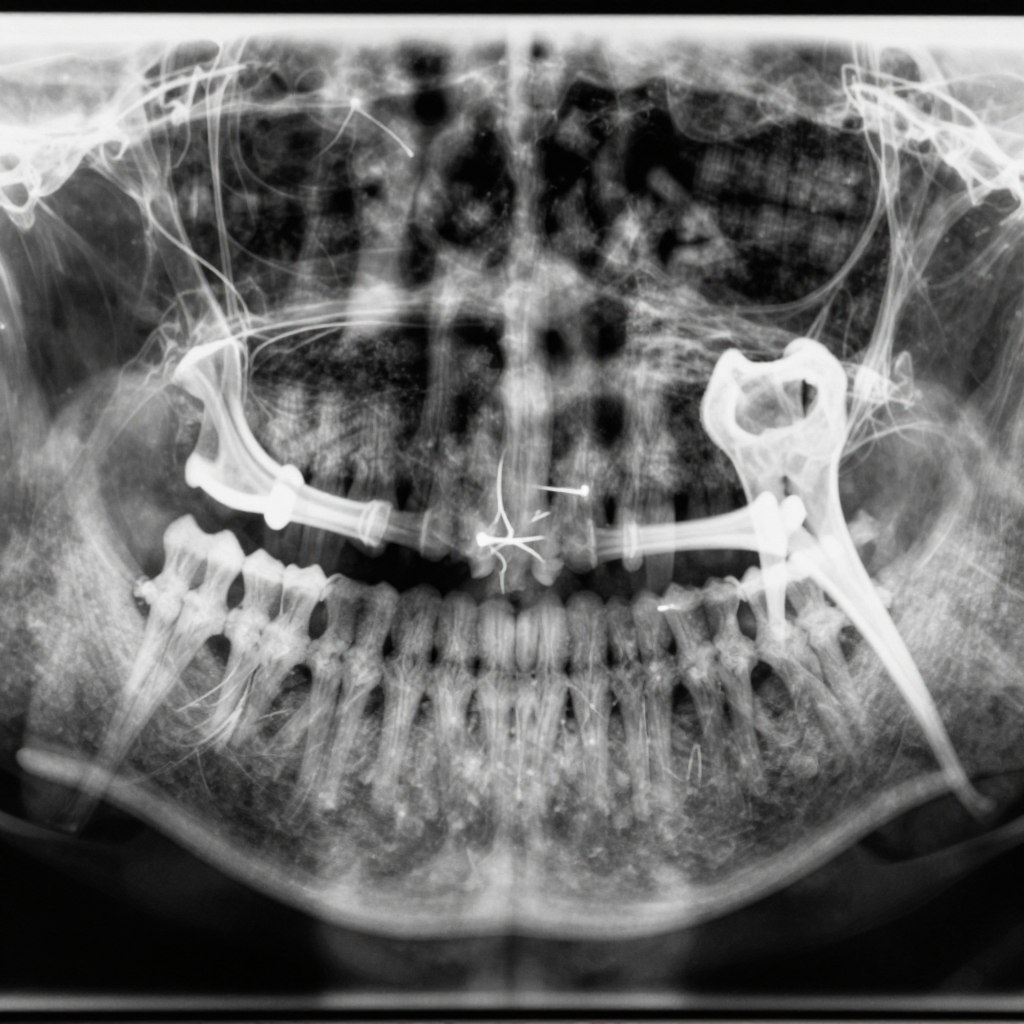
Some wisdom teeth cause no symptoms at all. They may still require removal if x-rays show they’re positioned in ways that could cause future problems. Our team evaluates each situation individually to recommend the best course of action for your long-term oral health.
Why Wisdom Teeth Need to Be Removed
Not everyone needs their wisdom teeth removed. Some people have adequate space in their jaws, and their wisdom teeth grow in properly without causing issues. However, the majority of patients benefit from wisdom teeth extraction.
We recommend removal when wisdom teeth pose risks to your oral health. These risks often outweigh the benefits of keeping teeth that serve little functional purpose in modern mouths.
Impacted Wisdom Teeth and Their Complications
Impacted wisdom teeth create numerous problems. When a tooth cannot fully emerge, a flap of gum tissue often covers part of it. This creates a perfect environment for bacteria to accumulate beneath the gum line.
The resulting infection, called pericoronitis, causes pain, swelling, and difficulty eating or swallowing. Without treatment, the infection can spread to other areas of your mouth and throat. Some patients develop serious infections that require emergency care.
Impacted wisdom teeth also put pressure on neighboring teeth. This pressure can damage the roots of your second molars, the teeth directly in front of your wisdom teeth. Over time, this pressure may cause your other teeth to shift, affecting your bite alignment.
Decay and Gum Disease Risks
Wisdom teeth location makes them exceptionally difficult to clean properly. Even when they grow in straight, their position at the very back of your mouth puts them beyond the easy reach of your toothbrush and floss.
This cleaning challenge leads to higher rates of tooth decay in wisdom teeth. The decay doesn’t stay isolated to just these teeth. It can spread to adjacent molars that are otherwise healthy and important for chewing.
Gum disease develops more easily around wisdom teeth for the same reasons. The bacteria that cause gum disease thrive in areas that are hard to clean. Advanced gum disease can lead to bone loss and affect the stability of nearby teeth.
Cyst Formation and Bone Damage
Sometimes a fluid-filled sac called a cyst forms around an impacted wisdom tooth. These cysts slowly expand, destroying surrounding bone and potentially damaging nearby teeth roots. Left untreated, cysts can grow quite large and may require extensive surgery to remove.
In rare cases, tumors can develop in the tissue surrounding impacted wisdom teeth. Though usually benign, these growths still require surgical removal and can cause significant damage to your jaw structure.
Preventive Removal for Long-Term Health
Many dental professionals recommend removing wisdom teeth before problems develop. This preventive approach offers several advantages, particularly for younger patients whose bone tissue is less dense and heals more readily.
Recovery from wisdom tooth removal tends to be easier in younger patients. The roots are not fully formed yet, which makes extraction less complicated. The surrounding bone is also more flexible, reducing the risk of complications during the procedure.
Waiting until problems develop often means dealing with infection, pain, or damage to other teeth. Emergency wisdom tooth removal typically involves more complex surgery and longer recovery periods compared to planned preventive extraction.
The Wisdom Teeth Removal Procedure: What to Expect
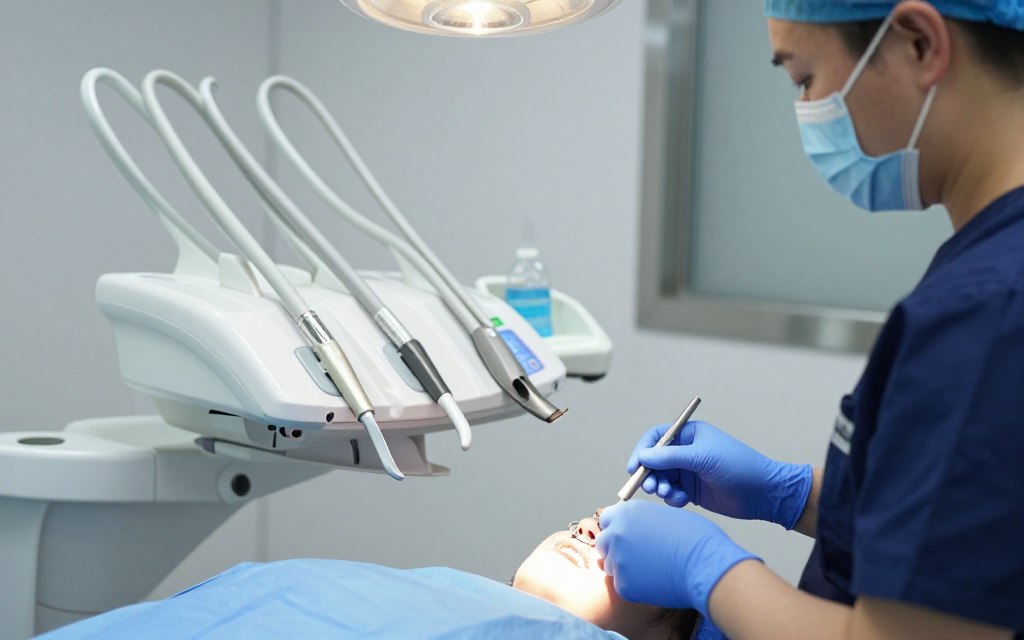
Understanding what happens during wisdom tooth removal helps reduce anxiety. We believe informed patients feel more comfortable and confident about their treatment. Let’s walk through each step of the process together.
Every wisdom teeth removal begins with a thorough consultation and examination. We want to understand your specific situation before recommending any treatment approach.
Your Initial Consultation and Assessment
During your first visit to our Parramatta clinic, we conduct a comprehensive evaluation of your wisdom teeth. This assessment includes a detailed examination of your mouth and digital x-rays that show us the exact position of your wisdom teeth beneath the gum line.
These images reveal crucial information. We can see how your wisdom teeth are positioned, whether they’re impacted, how close they are to nerves and sinuses, and whether the roots are fully formed. This information guides our treatment recommendations.
We discuss your medical history and any medications you take. Certain health conditions and medications affect how we approach your treatment and what type of anaesthesia we recommend.
This is your opportunity to ask questions. We encourage you to share any concerns about the procedure, recovery, or costs. We’re here to ensure you feel completely comfortable with your treatment plan before we proceed.
Anaesthesia Options for Your Comfort
We offer several anaesthesia options to ensure your comfort during wisdom teeth removal. The right choice depends on the complexity of your extraction, your anxiety level, and your personal preferences.
Local Anaesthesia
We numb only the area around the wisdom teeth using injections. You remain fully awake and aware during the procedure but feel no pain in the treatment area. Most patients describe feeling pressure and movement but no discomfort.
This option works well for straightforward extractions of fully erupted wisdom teeth. Recovery from the anaesthesia is immediate once the procedure ends.
Sedation Options
For patients who feel anxious about the procedure or those requiring removal of multiple impacted wisdom teeth, we offer sedation in addition to local anaesthesia. You’ll feel deeply relaxed and may not remember much about the procedure afterward.
Sedation helps you stay calm and comfortable throughout the treatment. You’ll need someone to drive you home afterward as the sedation takes time to wear off completely.
General Anaesthesia
Complex cases may benefit from general anaesthesia, where you’re completely asleep during the procedure. This option is particularly suitable for patients with severe dental anxiety or extensive surgical requirements.
We’ll discuss whether this option is appropriate for your situation during your consultation. General anaesthesia requires additional preparation and recovery time.
The Extraction Process Step by Step
Once you’re comfortable and the anaesthesia has taken effect, we begin the extraction. The specific technique depends on whether your wisdom teeth have erupted through the gum or remain impacted beneath it.
Simple Extraction for Erupted Teeth
When wisdom teeth have fully emerged through the gum tissue, we can often remove them using a straightforward extraction technique. We gently loosen the tooth in its socket using specialized instruments, then lift it out.
This process typically takes just a few minutes per tooth. You’ll feel pressure as we work but no sharp pain thanks to the local anaesthesia numbing the area completely.
Surgical Extraction for Impacted Teeth
Impacted wisdom teeth require a more involved surgical approach. We make a small incision in the gum tissue to access the tooth beneath. Sometimes we need to remove a small amount of bone that covers the tooth.
For teeth that are firmly embedded or positioned awkwardly, we may section the tooth into smaller pieces. Removing the tooth in sections allows us to extract it more gently with less impact on surrounding structures.
Once we’ve removed the tooth, we clean the site thoroughly and place stitches if needed. We use dissolvable stitches that don’t require removal in a follow-up visit. They dissolve naturally as your gum tissue heals.
How Long Does the Procedure Take?
The duration of your wisdom teeth removal depends on several factors. A single fully erupted wisdom tooth might take only fifteen to twenty minutes to remove. Multiple impacted wisdom teeth typically require sixty to ninety minutes.
We never rush your procedure. Taking the necessary time ensures we can work carefully and precisely, minimizing trauma to surrounding tissues. This careful approach contributes to your smoother, more comfortable recovery.
Concerned About the Procedure?
We understand that dental procedures can feel overwhelming. Our experienced team at our Parramatta location takes every measure to ensure your comfort and peace of mind. Let’s discuss your specific situation and address any concerns you may have.
Recovery Time and Essential Aftercare Tips

Recovery from wisdom teeth removal progresses through several predictable stages. Understanding what to expect helps you prepare properly and recognize normal healing versus signs that require our attention.
Most patients return to normal activities within a few days. Complete healing of the extraction sites takes several weeks, but you won’t need to restrict your activities during this entire period.
The First 24 Hours: Critical Recovery Period
The first day after your wisdom teeth removal surgery sets the foundation for smooth healing. What you do during these crucial hours significantly impacts your comfort and recovery speed.
Bleeding is normal immediately after the procedure. We’ll place gauze over the extraction sites before you leave our office. Bite down gently but firmly on this gauze for at least thirty minutes. If bleeding continues, replace the gauze and maintain pressure for another thirty minutes.
Swelling typically peaks during the first forty-eight hours after surgery. Apply ice packs to your face for twenty minutes at a time, with twenty-minute breaks between applications. This reduces swelling and helps manage discomfort effectively.
Rest is essential during this period. Avoid strenuous physical activity, bending over, or any actions that increase blood pressure in your head. These activities can restart bleeding and slow your healing process.
What to Eat During Initial Recovery
Stick to soft foods and cool liquids during the first day. Your mouth will feel tender and you need to avoid disturbing the blood clots forming in the extraction sites.
- Smoothies and protein shakes (avoid using straws)
- Yogurt and pudding
- Applesauce and mashed bananas
- Ice cream and frozen yogurt
- Lukewarm soup (broth-based, not too hot)
- Mashed potatoes or sweet potatoes
Never use straws during your recovery period. The suction action can dislodge blood clots and cause a painful condition called dry socket. Drink directly from cups instead.
Days Two Through Seven: Visible Healing
Swelling usually reaches its peak on day two or three, then gradually subsides. Continue using ice for the first forty-eight hours, then switch to warm compresses if swelling persists beyond this point.
Pain and discomfort should steadily decrease during this week. We’ll prescribe or recommend appropriate pain medication. Take it as directed, ideally before the anaesthesia wears off completely, to stay ahead of any discomfort.
You can gradually expand your diet to include more substantial soft foods. Continue avoiding anything crunchy, chewy, or requiring significant chewing force.
Recommended Soft Foods
- Scrambled eggs
- Oatmeal and cream of wheat
- Pasta with soft sauce
- Well-cooked vegetables
- Soft fish or tender chicken
- Rice and quinoa
- Cottage cheese
- Soft bread (no crusts)
Foods to Avoid
- Crunchy foods like chips or nuts
- Chewy foods like bagels or tough meat
- Spicy foods that may irritate sites
- Acidic foods like citrus or tomatoes
- Foods with small seeds or grains
- Very hot beverages or soups
- Alcohol during medication use
- Carbonated beverages
Proper Oral Hygiene During Recovery
Keeping your mouth clean promotes healing and prevents infection. However, you need to modify your normal oral hygiene routine during the recovery period to protect the extraction sites.
Don’t brush your teeth for the first twenty-four hours after surgery. After that, you can gently brush your teeth, carefully avoiding the extraction sites. Don’t spit forcefully. Instead, let water and toothpaste dribble out of your mouth into the sink.
Beginning twenty-four hours after surgery, rinse your mouth gently with warm salt water several times daily, especially after meals. Mix half a teaspoon of salt in a cup of warm water. Swish gently and let it fall from your mouth rather than spitting vigorously.

Returning to Normal Activities
Most patients feel well enough to return to work or school within two to three days. You may still experience some residual swelling and minor discomfort, but these shouldn’t prevent you from resuming normal daily activities.
Wait at least a week before engaging in vigorous exercise or heavy lifting. These activities increase blood pressure and can cause bleeding or delayed healing at the extraction sites.
Recognizing Complications That Need Attention
While complications are rare, knowing warning signs helps you seek prompt treatment if needed. Contact our office immediately if you experience any of these symptoms:
- Severe pain that worsens after three days or doesn’t respond to prescribed medication
- Heavy bleeding that doesn’t stop with applied pressure
- Fever above 38°C (100.4°F)
- Difficulty breathing or swallowing
- Excessive swelling that worsens after three days
- Numbness that persists beyond the first day
- Pus or foul-smelling discharge from extraction sites
Dry socket, a condition where the blood clot dislodges prematurely, occurs in about three to five percent of extractions. It typically develops three to four days after surgery and causes significant pain and a bad taste in your mouth. We can treat this condition quickly to relieve your discomfort.
Long-Term Healing Timeline
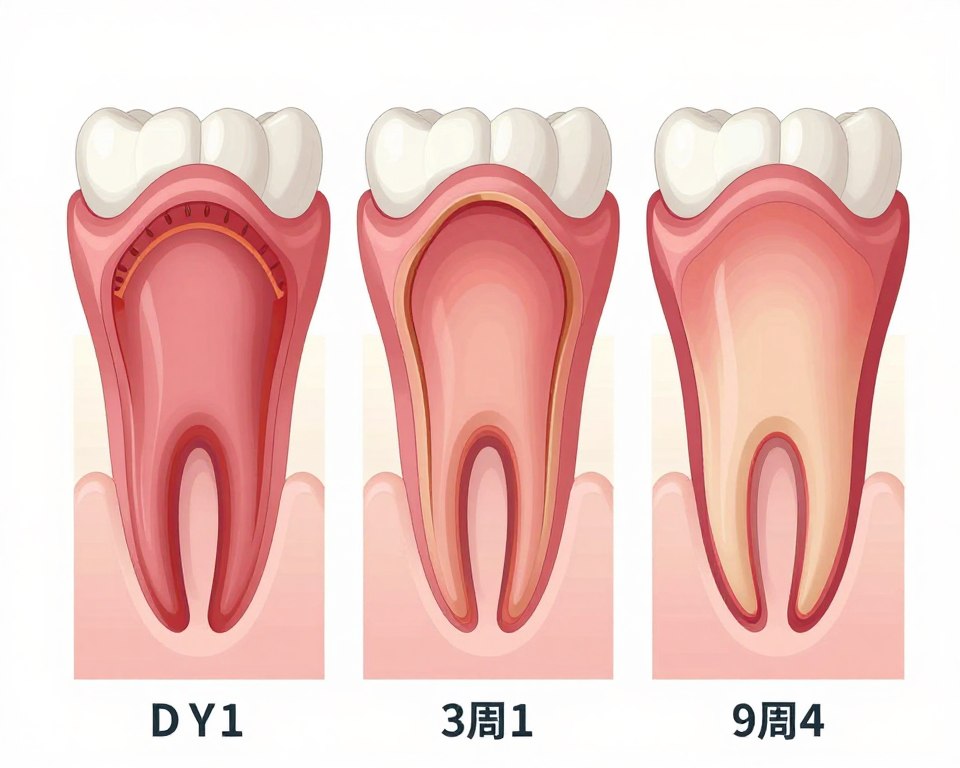
The visible extraction sites close and fill with new tissue within three to four weeks. Complete bone regeneration in the socket takes several months but doesn’t affect your daily life or comfort.
By the end of the first month, you should feel completely back to normal. Any lingering tenderness when touching the area is normal and will gradually fade over the following weeks.
Benefits of Getting Your Wisdom Teeth Removed

Wisdom teeth removal prevents numerous oral health problems before they develop. While the recovery requires some temporary adjustment, the long-term benefits far outweigh this brief inconvenience for most patients.
Let’s explore the specific advantages you gain by addressing problematic wisdom teeth proactively rather than waiting until complications arise.
Preventing Pain and Infection
Perhaps the most immediate benefit is eliminating the pain associated with impacted or partially erupted wisdom teeth. Many patients endure months or years of recurring discomfort before deciding to have their wisdom teeth removed.
This pain doesn’t always stay localized to the back of your mouth. It can radiate to your jaw, ear, and head, causing persistent headaches and difficulty concentrating. Removing the source of this discomfort provides lasting relief.
Wisdom teeth that haven’t fully erupted create pockets where bacteria accumulate. These infections cause swelling, pain, and difficulty eating or swallowing. Severe infections can spread to your throat and other areas, potentially requiring emergency treatment and antibiotics.
By removing wisdom teeth before infections develop, you avoid these painful episodes entirely. You also eliminate the need for repeated courses of antibiotics, which carry their own side effects and contribute to antibiotic resistance concerns.
Protecting Your Other Teeth
Your second molars, the teeth directly in front of your wisdom teeth, perform vital functions in chewing. Impacted wisdom teeth can damage these important teeth in several ways.
The pressure from impacted wisdom teeth can cause root resorption, where the roots of your second molars essentially dissolve. This damage often requires removal of otherwise healthy teeth that were compromised by their problematic neighbors.
Wisdom teeth also increase decay risk for adjacent teeth. The tight space between your second molar and a partially erupted wisdom tooth traps food and bacteria that your toothbrush cannot reach. This leads to cavities that may require expensive fillings or crowns.
Removing wisdom teeth eliminates these risks and protects the long-term health of your valuable chewing teeth.
Maintaining Proper Bite Alignment
Many patients who invested in orthodontic treatment during their teenage years worry about their teeth shifting later. Wisdom teeth can contribute to this crowding as they push forward trying to erupt.
While wisdom teeth aren’t the sole cause of teeth shifting in adulthood, they can certainly contribute to the problem. Removing them eliminates one potential source of unwanted tooth movement.
This benefit is particularly important for patients who’ve completed orthodontic treatment. Protecting your investment in a straight, properly aligned smile makes wisdom teeth removal worthwhile.
Protect Your Smile with Expert Care
Our experienced dental team in Parramatta provides comprehensive wisdom teeth removal in a comfortable, modern facility. We use advanced techniques to ensure your procedure is as gentle and anxiety-free as possible. Your long-term oral health is our priority.
Preventing Cysts and Tumors
Though rare, cysts and tumors can develop around impacted wisdom teeth. These growths destroy surrounding bone and can damage nearby teeth. Large cysts may require extensive surgery to remove and reconstruct the affected area.
Early wisdom tooth removal eliminates this risk before cysts have a chance to form. This preventive approach avoids potentially serious complications down the road.
Easier Treatment When You’re Younger
Younger patients typically experience easier wisdom teeth removal and faster recovery. Your bone tissue is less dense in your late teens and early twenties, making extraction less complicated.
The wisdom teeth roots are also not fully formed in younger patients. This makes removal more straightforward with less risk of complications like nerve damage or difficult extractions.
Recovery tends to be quicker and less uncomfortable in younger patients. Your body’s healing capacity is at its peak during these years.
Waiting until problems develop often means dealing with more complex surgery, longer recovery, and higher complication risks. Proactive removal at the recommended age provides the smoothest experience.
Improved Overall Oral Hygiene
Even wisdom teeth that aren’t causing active problems can compromise your oral hygiene. Their location makes them difficult to clean properly, creating areas where plaque and bacteria accumulate.
After wisdom teeth removal, you’ll find it easier to brush and floss your back teeth thoroughly. This improves your overall oral health and reduces your risk of decay and gum disease in all your teeth.
Peace of Mind About Future Health
Knowing your wisdom teeth won’t cause problems provides valuable peace of mind. You won’t need to worry about emergency dental pain disrupting your life at inconvenient times.
Many patients report feeling relief after having their wisdom teeth removed, even when they weren’t experiencing active symptoms. They appreciate eliminating this potential source of future problems.
What to Expect During Your Consultation
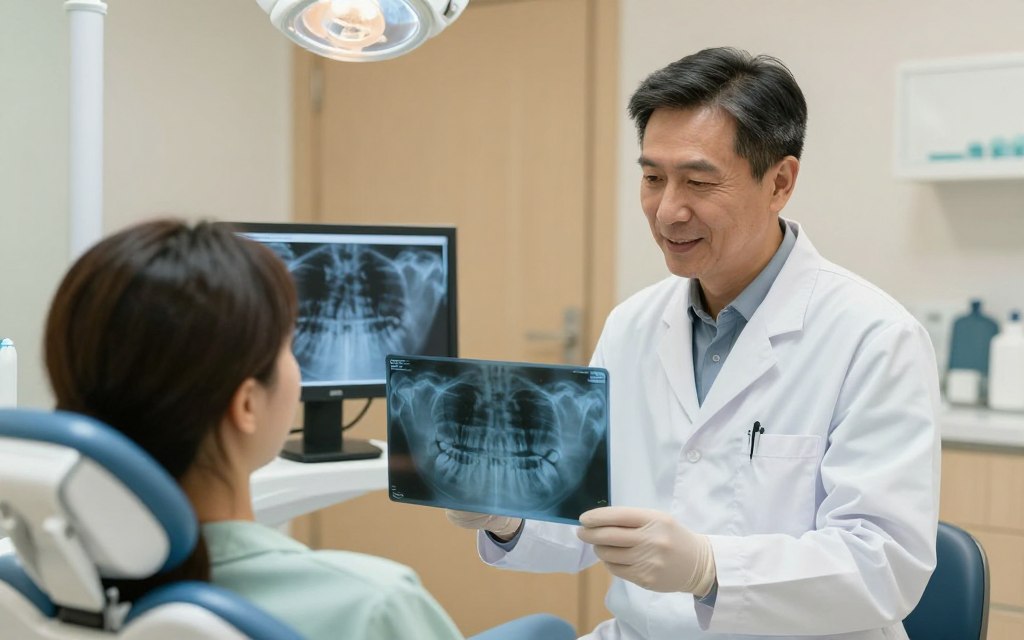
Your consultation visit is a crucial step in your wisdom teeth removal journey. This appointment gives us the opportunity to evaluate your specific situation and allows you to learn about your treatment options in detail.
We designed our consultation process to be thorough yet comfortable. You’ll leave with a clear understanding of your wisdom teeth status and the recommended treatment approach.
Comprehensive Examination and Imaging
Your consultation begins with a detailed examination of your mouth. We check the position of your existing teeth, examine your gum tissue, and assess how much space is available in your jaws.
Digital x-rays provide essential information about your wisdom teeth. These images show us whether your wisdom teeth are impacted, their angle of growth, their proximity to nerves and sinuses, and the stage of root development.
Modern digital imaging exposes you to significantly less radiation than traditional x-rays. The images appear instantly on our computer screen, allowing us to review them with you during the same appointment.
In some cases, we may recommend a 3D scan for particularly complex situations. This advanced imaging gives us a complete three-dimensional view of your jaw structure and wisdom teeth position, allowing for more precise treatment planning.
Discussing Your Symptoms and Concerns
We want to understand your experience with your wisdom teeth. Are you experiencing pain or discomfort? Have you noticed swelling or bleeding around your back teeth? Do certain activities or foods make symptoms worse?
Your symptoms help us assess the urgency of treatment. Some situations require prompt intervention while others can be scheduled at your convenience.
This is also your opportunity to share any concerns or fears about the procedure. Many patients feel anxious about dental surgery. We address these concerns directly and explain how we ensure your comfort throughout the treatment.
Reviewing Your Medical History
Your overall health affects how we approach your wisdom teeth removal. We’ll ask about any medical conditions you have, medications you take, and previous experiences with dental procedures or anaesthesia.
Certain conditions require special precautions during oral surgery. Heart conditions, bleeding disorders, diabetes, and immune system problems all influence our treatment planning. Being thorough with this information helps us provide the safest possible care.
If you take blood-thinning medications, we’ll discuss whether you need to adjust your dosage before surgery. Never stop taking prescribed medications without consulting both our office and your physician.
Treatment Recommendations and Options
Based on our examination and imaging, we’ll explain whether we recommend wisdom teeth removal and why. We’ll show you the x-rays and point out specific concerns that influence our recommendation.
Not all wisdom teeth require immediate removal. If yours are positioned well, fully erupted, and not causing problems, we might recommend monitoring them over time with periodic check-ups and x-rays.
For problematic wisdom teeth, we’ll discuss the proposed treatment approach. We’ll explain whether we recommend removing all four wisdom teeth at once or treating them in stages, what type of extraction each tooth requires, and which anaesthesia options are appropriate for your situation.

Understanding the Timeline
We’ll discuss when we recommend scheduling your procedure. Urgent situations involving infection or severe pain need prompt treatment. Preventive removal for asymptomatic wisdom teeth offers more flexibility in scheduling.
Many patients prefer to schedule wisdom teeth removal during school breaks or periods when they can take time off work. We’ll work with your schedule to find the most convenient timing.
We’ll also explain how long the procedure typically takes and what recovery timeline you can expect. This information helps you plan time off and arrange any necessary help at home during your initial recovery.
Cost Discussion and Payment Options
We believe in transparent pricing. During your consultation, we’ll provide a detailed cost estimate for your wisdom teeth removal. This estimate includes the examination, imaging, procedure, anaesthesia, and follow-up care.
Many dental insurance plans cover a significant portion of wisdom teeth removal, especially when it’s medically necessary. Our administrative team can help you understand your insurance coverage and file claims on your behalf.
For patients without insurance or those with remaining out-of-pocket costs, we offer flexible payment options. We want to ensure that cost doesn’t prevent you from getting necessary treatment.
What to Bring to Your Consultation
- Your health insurance card and dental insurance information
- List of current medications and dosages
- Medical history information including allergies
- Recent dental x-rays if available from another provider
- List of questions or concerns you want to discuss
- Calendar for scheduling if you decide to proceed
Questions We Encourage You to Ask
- Do all my wisdom teeth need removal or just some?
- What happens if I choose not to have them removed?
- Which anaesthesia option do you recommend for me?
- How long will recovery take for my specific case?
- What are the risks or potential complications?
- When can I return to work or school?
- What will my insurance cover?
- Do you have availability that fits my schedule?
Scheduling Your Procedure
If you decide to proceed with wisdom teeth removal after your consultation, our scheduling coordinator will help you choose an appointment date. We’ll provide detailed pre-operative instructions to help you prepare.
These instructions cover eating and drinking restrictions before your procedure, medications to avoid, and arrangements you’ll need for transportation home if you’re having sedation.
You’ll leave our office with written information to review at home. We encourage you to call if you have additional questions before your scheduled procedure date.
Why Choose Our Practice for Wisdom Teeth Removal Sydney
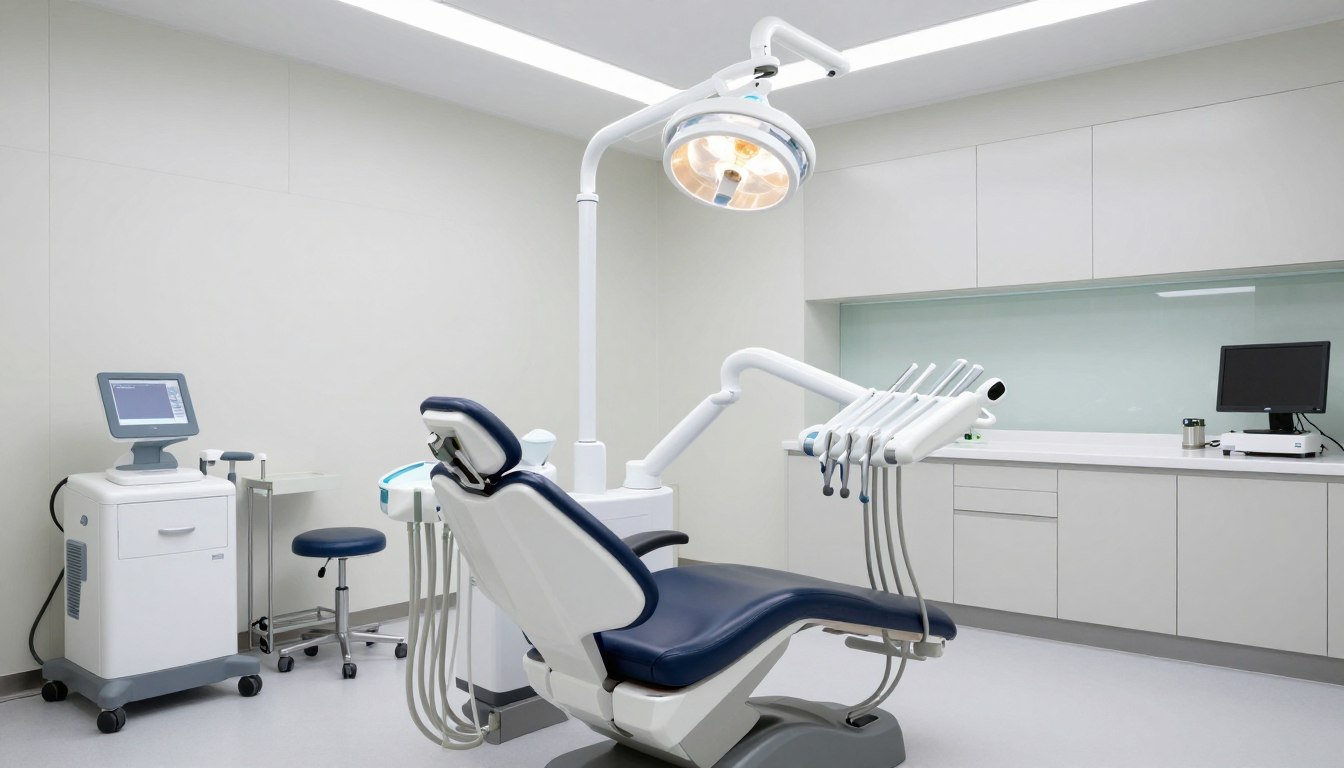
Choosing where to have your wisdom teeth removed is an important decision. We understand you have options in the Sydney area. Let us explain what makes our Parramatta practice the right choice for your care.
Experienced, Compassionate Care
Our dental team brings years of experience in wisdom teeth removal and oral surgery. We’ve successfully treated thousands of patients, from straightforward extractions to complex impacted cases requiring advanced surgical techniques.
Experience matters in oral surgery. It means we can handle unexpected situations confidently, work efficiently to minimize your time in the chair, and use techniques that promote faster, more comfortable healing.
Beyond technical skill, we genuinely care about your comfort and well-being. Many patients tell us they chose our practice because we took time to listen to their concerns and explain everything clearly. We see you as a partner in your care, not just another appointment in our schedule.
Advanced Technology for Better Outcomes
We invest in the latest dental technology because it benefits our patients directly. Digital x-rays provide detailed images with less radiation exposure. Our 3D imaging capabilities allow precise treatment planning for complex cases.
Modern surgical instruments and techniques make procedures gentler with less trauma to surrounding tissues. This translates to reduced swelling, less discomfort, and faster recovery for you.
Our facility maintains the highest standards for sterilization and infection control. We follow strict protocols to ensure your safety throughout your treatment.
Flexible Anaesthesia Options
We recognize that different patients have different comfort needs. Some people feel perfectly fine with local anaesthesia alone. Others prefer sedation to help them relax during the procedure.
Our practice offers multiple anaesthesia options so we can customize your experience. During your consultation, we’ll discuss which approach best suits your situation and preferences.
For patients with dental anxiety, our team has special training in helping nervous patients feel comfortable. We take extra time to explain each step and check in with you throughout the procedure.
Convenient Parramatta Location
Our clinic at 37 Grose St in Parramatta offers convenient access for patients throughout western Sydney. The location is easily reachable by public transport and we provide parking information for those driving.
Parramatta’s central location means you don’t need to travel into the CBD for quality wisdom teeth removal. You can receive expert care close to home, which is especially valuable during your recovery when you won’t feel like traveling far.
Comprehensive Follow-Up Care
Your care doesn’t end when you leave our office after your procedure. We provide thorough aftercare instructions and are available if you have questions during your recovery.
We schedule follow-up appointments to monitor your healing and ensure everything is progressing normally. If you experience any concerns between appointments, our team responds promptly to address them.
This ongoing support gives you peace of mind throughout your recovery period. You’re never left wondering whether something is normal or trying to handle problems on your own.
Transparent Pricing and Payment Options
We believe you deserve to know what your treatment will cost before you commit. Our team provides detailed, written cost estimates that clearly break down all components of your care.
We work with most major dental insurance providers and handle claim submission on your behalf. Our administrative team has expertise in maximizing your insurance benefits.
For the portion of treatment costs you’re responsible for, we offer flexible payment plans. Quality care should be accessible, and we work with each patient to find arrangements that fit their budget.
Understanding Wisdom Teeth Removal Cost in Sydney

The cost of wisdom teeth removal varies based on several factors. Understanding these factors helps you anticipate what your treatment might cost and plan accordingly.
We believe in pricing transparency. During your consultation, you’ll receive a detailed estimate specific to your situation before you commit to treatment.
Factors That Influence Treatment Cost
The complexity of your extraction is the primary cost factor. Simple removal of fully erupted wisdom teeth costs less than surgical extraction of impacted teeth requiring gum incision and bone removal.
The number of wisdom teeth you’re having removed affects total cost. Some patients need all four removed while others only need one or two extracted.
Your chosen anaesthesia option influences cost as well. Local anaesthesia alone costs less than sedation or general anaesthesia, which require additional monitoring equipment and specialized personnel.
The need for additional procedures like bone grafting or treatment of infection adds to the overall cost. These factors are difficult to predict without examination and imaging.
Average Cost Ranges in Sydney
In the Sydney area, simple wisdom tooth extraction typically ranges from three hundred to six hundred dollars per tooth. Surgical extraction of impacted wisdom teeth generally costs between four hundred and eight hundred dollars per tooth.
These are general ranges. Your specific cost depends on your individual situation. Complex cases requiring extensive surgery or specialized techniques may fall outside these typical ranges.
Sedation adds to the base extraction cost. The specific amount depends on the type and duration of sedation required for your procedure.
Insurance Coverage for Wisdom Teeth Removal
Most dental insurance plans provide coverage for wisdom teeth removal when it’s medically necessary. Coverage typically ranges from fifty to eighty percent of the procedure cost after you meet your annual deductible.
Insurance plans classify wisdom teeth removal as oral surgery, which often has different coverage percentages than routine dental procedures. Review your specific policy to understand your benefits.
Our administrative team verifies your insurance coverage before your procedure and provides an estimate of your out-of-pocket costs. We handle claim submission and work directly with your insurance company.
Payment Plans and Financial Options
We offer flexible payment arrangements for patients without insurance or those with significant out-of-pocket costs. These plans allow you to spread treatment costs over several months.
We also work with third-party healthcare financing companies that offer longer-term payment plans, often with promotional interest-free periods.
Don’t let cost concerns prevent you from seeking necessary treatment. Delaying wisdom teeth removal when it’s needed often leads to more expensive problems down the road. Talk to our team about the financial options available to you.
Common Questions About Wisdom Teeth Removal Sydney
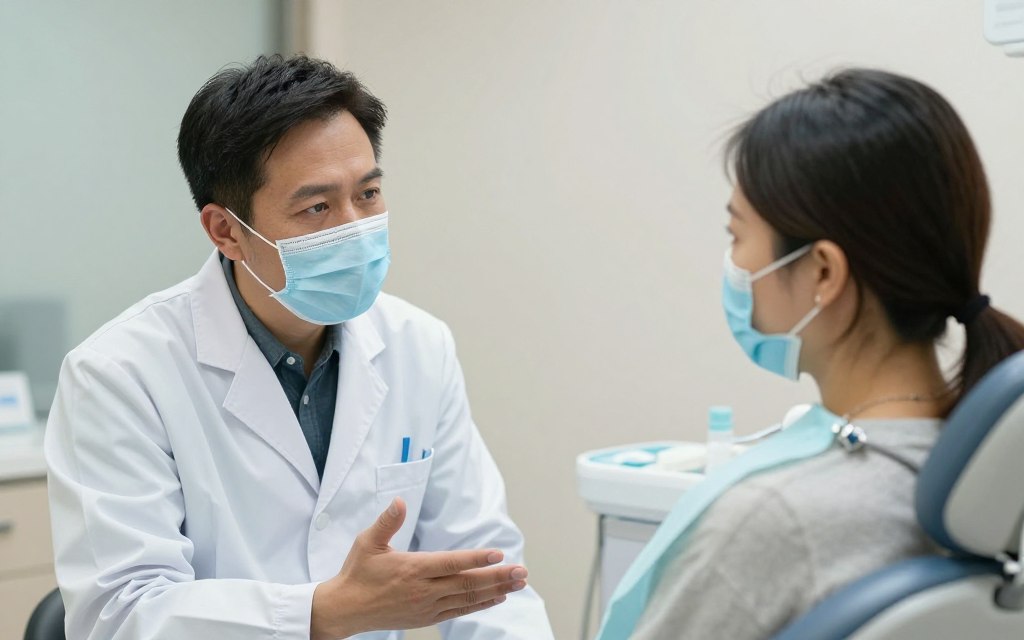
Our patients ask thoughtful questions about wisdom teeth removal. Here are answers to the most common concerns we hear during consultations.
How do I know if my wisdom teeth need to be removed?
Several signs indicate wisdom teeth removal may be necessary. Pain or tenderness at the back of your mouth, swelling around the jaw, recurring infections in the gum tissue, or difficulty fully opening your mouth all suggest problematic wisdom teeth.
Sometimes wisdom teeth require removal even without symptoms. X-rays might show they’re impacted or positioned in ways that will cause future problems. During your consultation, we’ll examine your specific situation and explain whether removal is recommended and why.
Does wisdom tooth removal hurt?
You won’t feel pain during the procedure itself thanks to anaesthesia. Local anaesthesia completely numbs the treatment area. With sedation options, you’ll feel deeply relaxed and may not remember the procedure afterward.
After the procedure, you’ll experience some discomfort as the anaesthesia wears off. Most patients describe this as soreness rather than sharp pain. We prescribe or recommend appropriate pain medication to keep you comfortable during recovery. The discomfort typically peaks within the first two to three days and then steadily improves.
How long does recovery take after wisdom teeth removal?
Most patients feel well enough to return to work or school within two to three days. You’ll still have some swelling and need to stick with soft foods, but you won’t need to stay home resting.
Complete healing of the extraction sites takes about three to four weeks. The sockets fill with new tissue and the gum tissue closes over them. You can resume all normal activities including exercise after about one week, though you should continue avoiding hard or crunchy foods for a few more weeks.
Can I have all four wisdom teeth removed at once?
Yes, removing all four wisdom teeth during one procedure is common and often recommended. This approach means you only need to go through the recovery process once rather than multiple times.
Single-session removal is more convenient for most patients. You take time off work once, arrange help at home once, and deal with dietary restrictions for one recovery period instead of repeating this multiple times.
Some situations may warrant staged removal. We’ll discuss the best approach for your specific case during your consultation.
What can I eat after wisdom teeth removal?
For the first day, stick with cool, soft foods like smoothies, yogurt, applesauce, and ice cream. Avoid hot foods and never use straws, as suction can dislodge blood clots.
After the first day, you can gradually add more substantial soft foods like scrambled eggs, oatmeal, pasta, mashed potatoes, and soup. Continue avoiding anything crunchy, chewy, spicy, or that requires significant chewing force.
By the end of the first week, most patients can eat a wider variety of foods, though you should continue avoiding very hard or crunchy items for another week or two. We provide detailed dietary guidelines after your procedure.
What is dry socket and how can I prevent it?
Dry socket occurs when the blood clot that forms in the extraction site dislodges prematurely. This exposes the bone and nerves underneath, causing significant pain that typically starts three to four days after surgery.
You can prevent dry socket by following aftercare instructions carefully. Don’t use straws, smoke, or spit forcefully during recovery. These actions create suction that can pull the clot out. Avoid vigorous rinsing for the first twenty-four hours, and be gentle when you do start rinsing.
If you develop dry socket, contact our office immediately. We can treat it quickly with medicated dressing that relieves pain and protects the site while it heals.
Will removing wisdom teeth change my face shape?
No, wisdom teeth removal does not change your facial structure or appearance. The wisdom teeth are located far back in your jaw and don’t provide structural support to your face.
Some patients notice temporary swelling during recovery that makes their face look fuller or different. This is normal inflammation that resolves completely as you heal. Your face returns to its normal appearance within two to three weeks.
How soon can I return to exercise after wisdom teeth removal?
Wait at least one week before returning to vigorous exercise or heavy lifting. Physical activity increases your blood pressure, which can cause bleeding from the extraction sites and delay healing.
Light walking is fine after the first day and can actually help reduce swelling. Just avoid bending over or activities that cause your head to be lower than your heart, as these positions increase bleeding risk.
After one week, you can gradually resume your normal exercise routine. Start with less intense workouts and work back up to your typical level over a few days.
Is wisdom teeth removal covered by Medicare in Australia?
Medicare provides limited coverage for wisdom teeth removal. It typically only covers the procedure when it’s performed in a hospital by an oral surgeon and meets specific medical necessity criteria.
Private dental insurance usually offers better coverage for wisdom teeth removal performed in a dental office. Most policies cover a percentage of the cost when the procedure is medically necessary.
Our administrative team can help you understand what coverage you have through your insurance or Medicare and what your out-of-pocket costs will be.
What happens if I choose not to have my wisdom teeth removed?
If your wisdom teeth are causing problems or positioned in ways that will lead to future issues, choosing not to remove them often results in complications. You may develop recurring infections, damage to adjacent teeth, cysts, or persistent pain.
Delaying necessary wisdom teeth removal typically means dealing with more complex surgery later. As you age, your bone becomes denser and recovery takes longer. Removing wisdom teeth becomes more difficult and carries higher complication risks.
However, if your wisdom teeth are healthy, fully erupted, properly positioned, and causing no problems, removal may not be necessary. We only recommend treatment when it benefits your oral health.
Have more questions? We’re here to help.
What Our Patients Say About Their Experience

The experiences of our past patients speak to the quality of care we provide. Here’s what people who’ve had their wisdom teeth removed at our Parramatta practice have shared about their treatment.
“I was terrified about having my wisdom teeth removed, but the team made me feel so comfortable. They explained everything clearly and checked on me constantly during the procedure. Recovery was much easier than I expected. I’m so glad I didn’t put it off any longer.”
“Professional, caring, and efficient. My wisdom teeth were impacted and I’d been dealing with pain for months. The procedure was straightforward and I felt minimal discomfort afterward. The team followed up to make sure I was healing well. Highly recommend this practice.”
“As someone with severe dental anxiety, I appreciated how patient and understanding everyone was. The sedation option made the experience stress-free. I don’t remember the procedure at all, and recovery was manageable with the aftercare instructions they provided.”
These testimonials reflect our commitment to providing anxiety-free, high-quality care. Every patient deserves to feel comfortable and confident about their treatment, and we work hard to ensure that’s your experience with us.
How to Prepare for Your Wisdom Teeth Removal
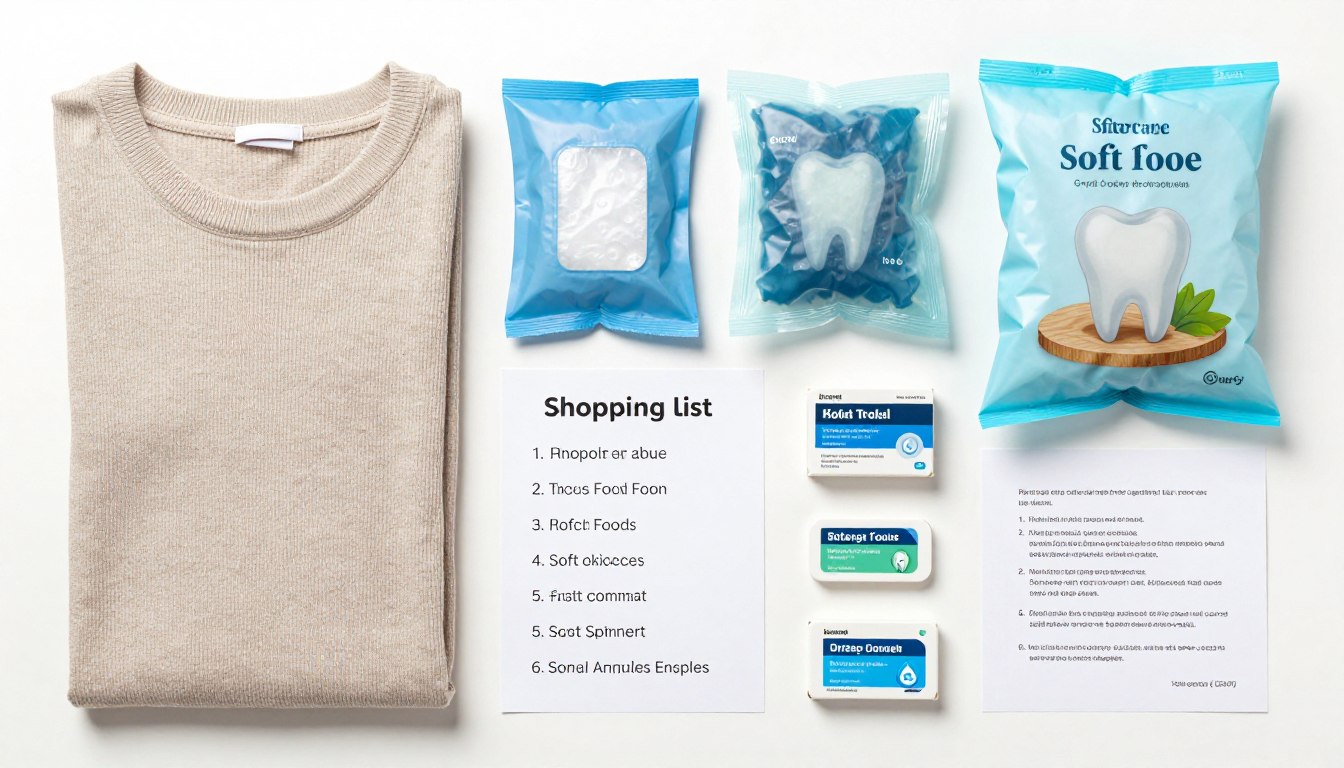
Proper preparation helps ensure your procedure goes smoothly and your recovery progresses as comfortably as possible. Here’s what you need to know and do before your appointment.
Before Your Procedure Day
Follow all pre-operative instructions we provide during your consultation. These instructions are designed to keep you safe during the procedure and optimize your healing afterward.
Fill any prescribed medications before your procedure day. Having pain medication and antibiotics ready at home means you won’t need to stop at the pharmacy on your way home when you’re feeling uncomfortable.
Prepare soft foods and stock your kitchen with appropriate options. Having these items ready saves you from needing to think about meal planning during your initial recovery when you’re focused on healing.
Shopping List for Recovery
- Smoothie ingredients (yogurt, frozen fruit, protein powder)
- Applesauce and pureed fruits
- Instant oatmeal or cream of wheat
- Mashed potatoes or sweet potatoes
- Soft bread and spreads
- Soup and broth (not too hot)
- Ice cream, frozen yogurt, or popsicles
- Cottage cheese or soft cheese
- Eggs for scrambling
- Pasta and soft sauces
- Nutritional supplement drinks
- Plenty of water and gentle beverages
The Day of Your Procedure
If you’re having sedation or general anaesthesia, you’ll need to fast before your appointment. We’ll provide specific instructions about when to stop eating and drinking. Following these instructions is crucial for your safety during anaesthesia.
Wear comfortable, loose-fitting clothing to your appointment. Choose a shirt with sleeves that can be rolled up easily if we need to monitor your blood pressure or administer IV medications.
Arrange for a responsible adult to drive you home after your procedure. You cannot drive yourself if you’ve had any sedation. Your driver should plan to stay at the office during your procedure or be available to return when you’re ready to leave.
Bring your insurance information, identification, and method of payment for any out-of-pocket costs. Having these items ready speeds up the check-in process.
Setting Up Your Recovery Space at Home
Before you leave for your appointment, prepare a comfortable recovery area at home. You’ll want to rest for the remainder of the day after your procedure.
Set up a comfortable spot where you can relax with your head elevated. Use pillows to prop yourself up at about a forty-five-degree angle, as lying completely flat can increase swelling.
Have ice packs ready in your freezer. You’ll be applying these to your face for the first twenty-four to forty-eight hours to control swelling.
Place all your medications, a glass of water, tissues, and gauze within easy reach of your recovery spot. Having everything you need nearby means you won’t need to get up frequently.
What to Bring to Your Appointment
- Photo identification and insurance cards
- List of current medications
- Comfortable jacket or sweater (offices can be cool)
- Phone and charger for while you wait
- Sunglasses to wear home (your eyes may be sensitive)
- Small bag to carry home aftercare instructions
Mental Preparation
It’s normal to feel some nervousness before oral surgery. Remember that wisdom teeth removal is a routine procedure we perform regularly with excellent outcomes.
If you feel anxious, share these feelings with our team. We have strategies to help nervous patients feel more comfortable, and knowing about your anxiety allows us to provide extra support.
Focus on the positive outcome. Soon you’ll be past this procedure with your problematic wisdom teeth removed and your oral health protected for the long term.
Take the First Step Toward Comfortable Oral Health
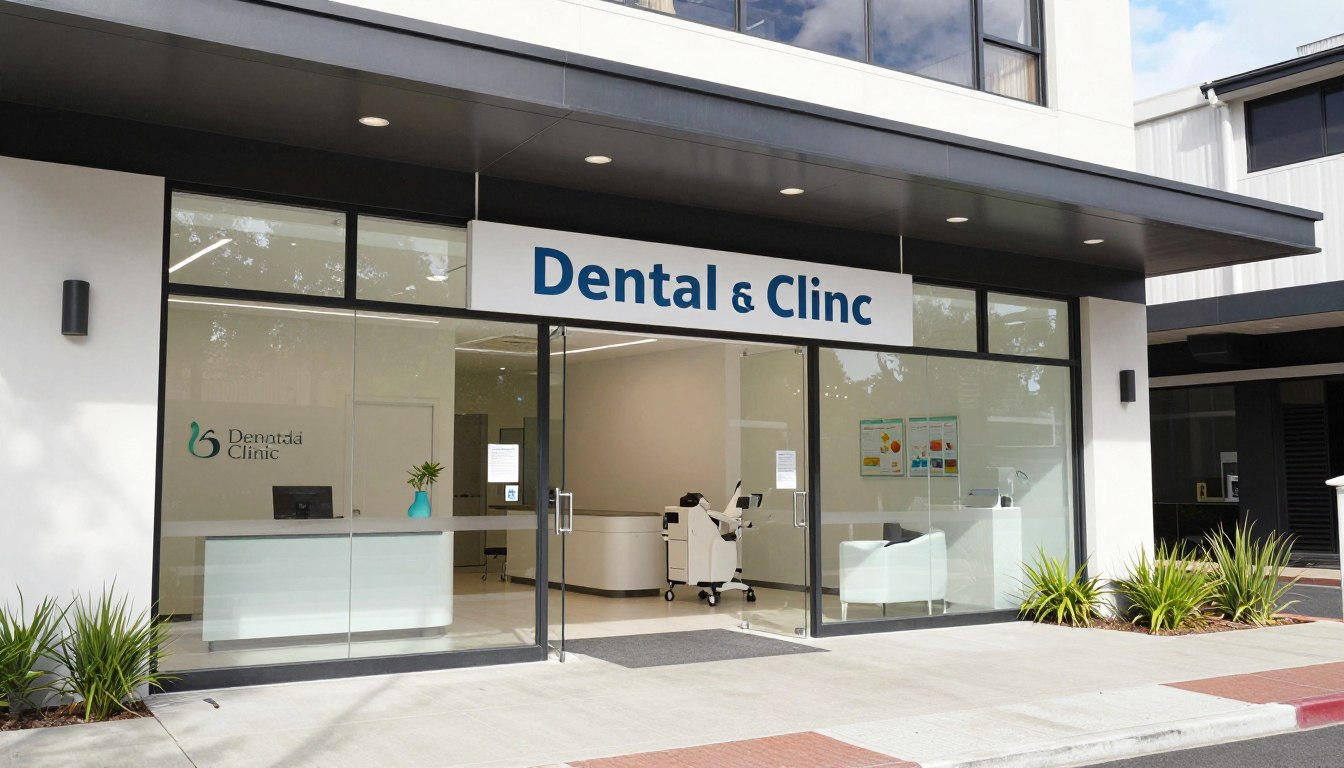
If you’re experiencing wisdom teeth discomfort or want to discuss whether preventive removal is right for you, we’re here to help. Our experienced team at our Parramatta location provides the gentle, expert care you deserve.
We understand that dental procedures can feel overwhelming. That’s why we take time to explain everything clearly, answer all your questions, and ensure you feel completely comfortable with your treatment plan before we proceed.
Located conveniently at 37 Grose St in Parramatta, we serve patients throughout western Sydney. Our modern facility features advanced technology and a caring team dedicated to your comfort and well-being.
Why Schedule Your Consultation Today?
- Experienced team with thousands of successful procedures
- Advanced technology for precise, gentle treatment
- Multiple anaesthesia options for your comfort
- Convenient Parramatta location
- Flexible scheduling to fit your life
- Transparent pricing and payment options
- Comprehensive aftercare support
- Focus on anxiety-free, patient-centered care
What Happens Next?
When you call to schedule your consultation, our friendly staff will find an appointment time that works with your schedule. We’ll ask a few basic questions about your wisdom teeth and any symptoms you’re experiencing.
During your consultation, we’ll thoroughly evaluate your situation, answer all your questions, and discuss your treatment options. You’ll leave with a clear understanding of whether wisdom teeth removal is recommended and what your experience would involve.
There’s no pressure to schedule treatment during your consultation. We want you to feel completely confident in your decision and comfortable with your care plan.
Prefer to Talk Directly? We’re Here for You
Call our Parramatta office today to speak with our friendly team. We’ll answer your questions, discuss your concerns, and schedule your consultation at a time that’s convenient for you. Your comfort and oral health are our top priorities.
📍 Visit us at: 37 Grose St, Parramatta NSW 2150
Moving Forward with Confidence

Wisdom teeth removal is a significant step in protecting your long-term oral health. Whether you’re dealing with current discomfort or considering preventive removal, making an informed decision about your care matters.
We’ve walked you through every aspect of wisdom teeth removal in this guide. From understanding why these teeth cause problems to knowing what to expect during your procedure and recovery, you now have the information you need to move forward confidently.
Remember that every patient’s situation is unique. The best way to understand your specific needs is through a comprehensive consultation and examination. We’ll evaluate your wisdom teeth, discuss your concerns, and recommend the treatment approach that’s right for you.
Our commitment goes beyond the procedure itself. We’re here to support you throughout your entire experience, from your first consultation through complete recovery and beyond. Your comfort, safety, and satisfaction matter to us.
Don’t let uncertainty or anxiety prevent you from addressing wisdom teeth concerns. Thousands of patients have trusted us with their care and moved forward to better oral health. We’re ready to provide the same gentle, expert treatment for you.
Take that first step today. Contact our Parramatta practice to schedule your consultation. We look forward to meeting you and helping you achieve lasting oral health and comfort.
37 Grose St, Parramatta NSW 2150
Your journey to comfortable, healthy teeth starts with a simple phone call.