
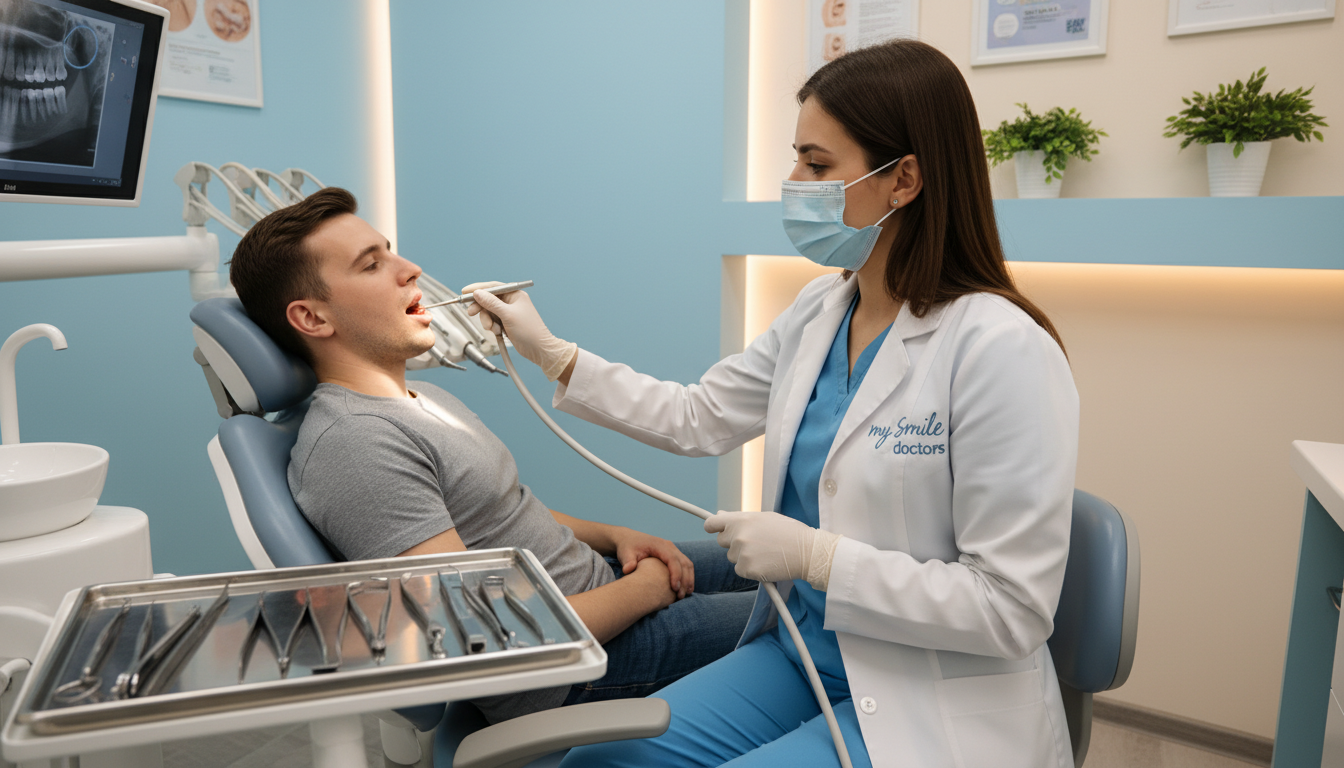
We understand facing an extraction can be worrying. Our clinic is just a five-minute walk from the Granville train station, so getting here is easy. We have provided dental care for many years and our dentists perform wisdom teeth procedures every day.
We focus on comfort and clear communication. You can ask about sedation options if you prefer a calmer experience. Our team guides each patient through the process and supports a smooth recovery.
Choosing us means professional, caring treatment. From the initial consultation to aftercare, we aim to reduce pain and restore oral health in the shortest possible time. Our experienced team tailors care to each patient’s needs.
Key Takeaways
- Our clinic is conveniently located a short walk from Granville station.
- Experienced dentists provide gentle extraction and aftercare.
- Sedation options help patients remain calm during the procedure.
- We prioritise recovery and long-term oral health for every patient.
- Many years of practice mean a confident, professional team you can trust.
Understanding Wisdom Tooth Pain
Persistent discomfort at the back of the jaw often comes from impacted third molars. Around 90% of people do not have enough space for these late-erupting teeth, which can lead to ongoing pressure and soreness.
When an impacted tooth presses on neighbouring molars it can create steady pain and swelling. This pressure may also cause infection, gum irritation or damage to the adjacent teeth.
Recognising the source of your pain is the first step toward relief. We examine how each tooth sits in the jaw and check for signs of crowding, infection and decay that often accompany these problems.
Why removal is often recommended: taking out an impacted wisdom tooth usually stops recurring pain and prevents further oral health issues. Our team explains options clearly and guides you through the best plan for comfort and healing.
- Around 90% of people have limited space for wisdom teeth, which can cause discomfort.
- Impacted teeth often press on neighbouring teeth, producing persistent pain that needs professional removal.
Why You Need Professional Wisdom Tooth Removal Granville
Ignoring a troublesome third molar often lets infection and damage spread quietly through the jaw. We see cases where delay turns a simple problem into a complex issue that needs surgery.
The Risks of Delay
Severe infections can spread beyond the mouth. In rare cases, an untreated problem can lead to deep neck infection such as Ludwig’s Angina.
Impacted teeth trap food and bacteria. This causes decay in the wisdom teeth and nearby molars. Left untreated, bone erosion and gum infection can follow.
Long-term Oral Health
Professional extraction protects your long-term oral health. Our dentistry team performs surgical procedures to remove sources of infection and prevent future problems.
“Timely care reduces complications and speeds recovery.”
- Delaying treatment raises the risk of spreading infection.
- Expert dentists offer sedation options to keep you comfortable during the procedure.
- Choosing our services gives access to skilled care and ongoing aftercare.
Common Symptoms of Impacted Teeth
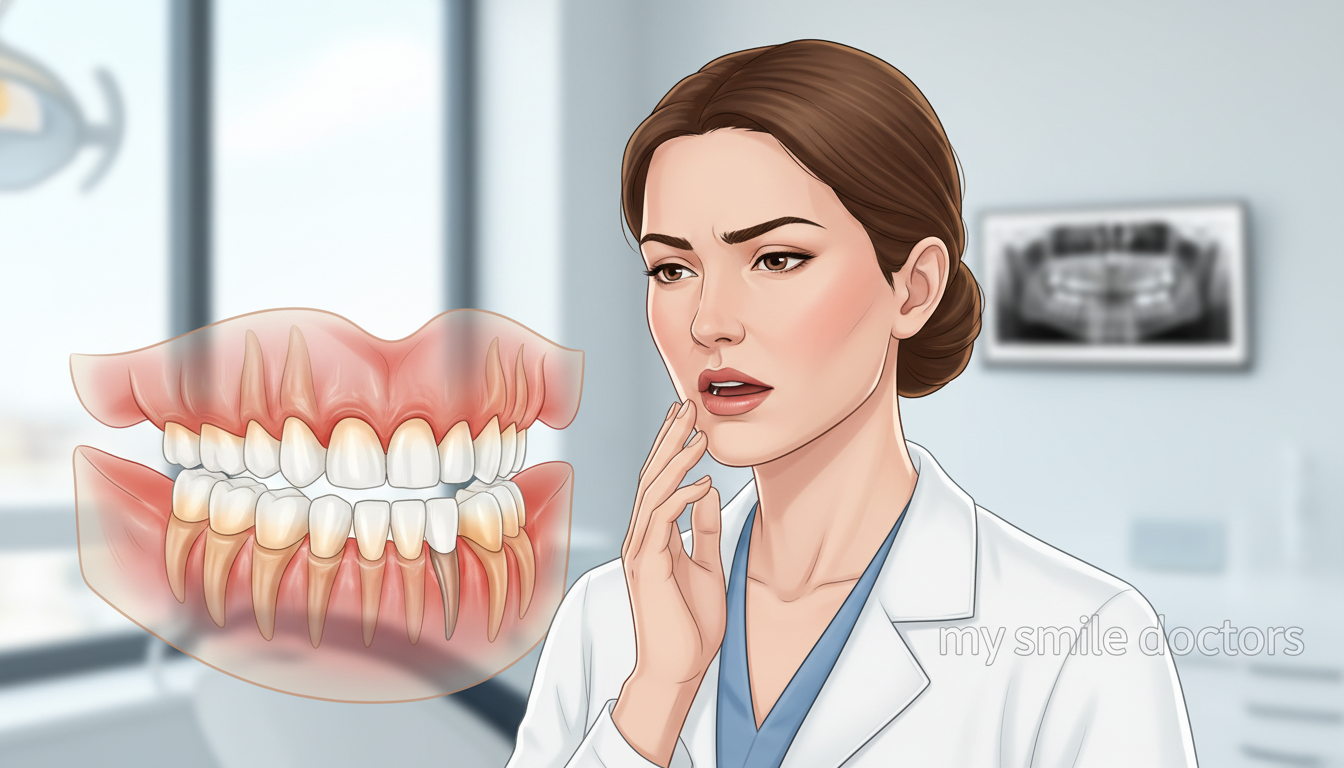
A persistent, low-level ache near the rear molars can signal an impacted growth beneath the gum. This discomfort often appears when a third molar cannot erupt properly and starts pressing on nearby structures.
Watch for swelling, local tenderness and difficulty opening your mouth. You may also notice sharp pain when biting or a constant dull ache that affects daily comfort.
When a tooth stays trapped under the gum it can lead to infection or a cyst. These issues affect oral health and may damage the bone around nearby teeth.
- Persistent pain or pressure at the back of the mouth.
- Ulcers from rubbing against the cheek or gum irritation.
- Crowding that shifts other teeth and alters bite or bone alignment.
If you have any of these signs, we recommend an assessment. Early assessment and prompt wisdom teeth removal or teeth removal when needed prevents more complex problems and speeds recovery.
The Extraction Process Explained
A clear plan and a supportive team make the extraction process straightforward and less stressful. We start with a focused consultation so you know each step and feel comfortable before your appointment.
Initial Consultation
During your first visit our dentist will assess X-rays and explain the treatment plan. We discuss sedation options and expected recovery time.
Surgical Procedure
On the day of surgery a specialist oral and maxillofacial surgeon can often remove all four wisdom teeth in 20 to 30 minutes. We tailor the procedure to your needs—whether you need one tooth or all four—and focus on efficient, safe care.
Post-operative Care
After surgery we provide clear aftercare instructions and follow-up support to help recovery and reduce infection risk. Our multilingual staff—speaking English, Arabic, Assyrian, Persian, Urdu and Hindi—answer any questions and guide each patient through healing.
“We aim to make the procedure quick, comfortable and well supported.”
- Assessment: clear plan at the initial consultation.
- Sedation & surgery: options to manage pain and discomfort.
- Aftercare: experienced team supporting recovery and long-term oral health.
Benefits of Early Intervention
Early treatment can reduce surgical complexity and lead to quicker healing for younger patients. When roots are still forming and the jaw bone is softer, extraction tends to be easier and less traumatic.
Acting sooner often means less pain and a shorter recovery period. Younger patients typically heal faster and report fewer post-operative problems.
We recommend timely assessment to avoid long-term damage to nearby teeth and bone. Our comprehensive services include careful imaging and a clear plan that considers sedation options and expected time for recovery.
| Factor | Early Intervention | Late Intervention |
|---|---|---|
| Surgical complexity | Low – roots immature | Higher – roots fully formed |
| Procedure time | Shorter | Longer |
| Recovery | Faster, less discomfort | Slower, more complications possible |
Choosing early extraction helps prevent pain from impacted growth and gives a more predictable recovery. Contact us to discuss personalised treatment options and the best time for intervention.
Anaesthesia and Comfort Options
Comfort starts before the procedure — we tailor anaesthesia so you feel relaxed from check-in to recovery.
Our goal is to reduce anxiety and make the whole process calm and clear. We explain all choices at your consultation so you know what to expect and can pick the best option for your needs.
Sedation Techniques
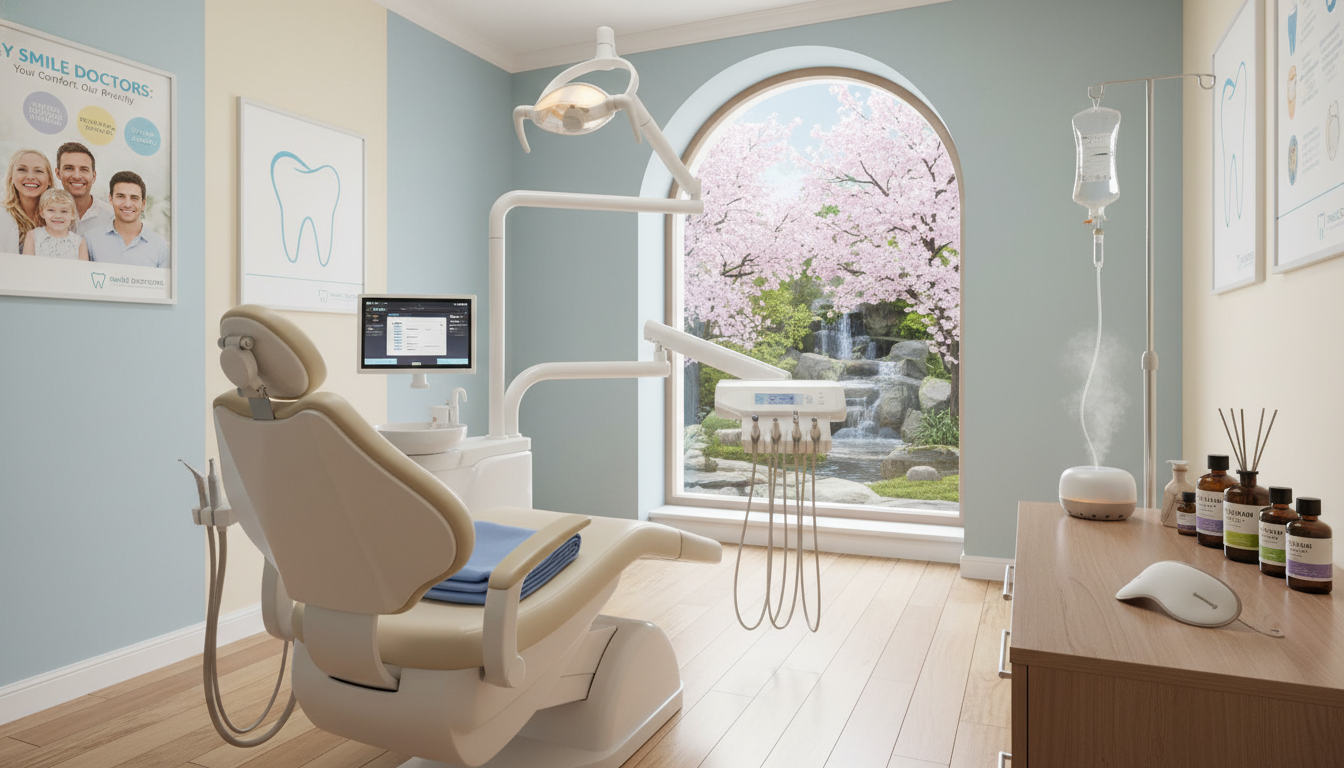
We offer a range of sedation techniques to ensure a comfortable experience. Some options let you sleep through the procedure, while others keep you relaxed but responsive.
- Local anaesthetic with conscious sedation — quick recovery and minimal fuss.
- IV sedation — deeper relaxation for more complex treatment or anxious patients.
- General anaesthetic — used for hospital cases; this involves extra set-up time and monitoring.
“Proper sedation shortens chair time and supports a gentler experience.”
Our team prioritises safety and careful aftercare. Good anaesthesia reduces trauma to surrounding bone, supports faster recovery and helps make teeth removal or surgery feel more manageable. We tailor services to each patient — offering clear guidance on time, care and follow-up.
Recovery and Aftercare Tips
Initial days after the procedure set the tone for a smooth, complication-free recovery. We guide you through simple steps to reduce pain and protect the healing site.
Rest is vital. Avoid heavy lifting and strenuous activity for the recommended time. This helps clot stability and speeds tissue repair.
Keep the extraction site clean to prevent infection. Gently rinse with salt water after 24 hours and follow the oral care plan we give you.
- Manage discomfort: Take prescribed pain relief and use cold packs in the first 48 hours.
- Oral hygiene: Soft brushing and saline rinses protect the gum and bone as it heals.
- Follow-up: Attend review visits so we can monitor bone healing and detect any infection early.
We provide a clear written guide after surgery, covering diet, activity and signs that need urgent attention. If you have concerns about sedation effects, swelling or persistent pain, contact us—our team supports your recovery every step of the way.
Our Commitment to Patient Care
Our team puts patient comfort first, answering questions and guiding you through each step of care. We stay available before, during and after treatment so you never feel left alone with concerns.
We have spent years building a skilled, compassionate team of dentists who treat every patient with respect and clear communication. Each clinician tailors procedures and recovery plans to your needs, aiming for minimal pain and a steady recovery.
Our dentistry services include safe sedation options so many patients can sleep comfortably during surgery. We explain every option and the expected time for recovery so you can decide with confidence.
We take the time to understand your situation. That means answering questions, reviewing past treatment, and planning care that fits your lifestyle and health goals.
If you’d like to discuss sedation or treatment choices, contact our team today — or learn more about our sedation dentistry options and how we support patients every step of the way.
Visit Our Clinic in Parramatta
Find us in Parramatta where modern dentistry meets calm, patient-focused care. Our clinic is at 37 Grose Street, Parramatta, NSW, 2150, and we welcome patients of all ages.
Booking an appointment is simple. Call us on 02 8036 2411 and our friendly team will arrange a time that suits you.
We provide expert wisdom tooth care, including surgical extraction and teeth removal when needed. Our dentist discusses options, explains the procedure and supports each patient through surgery and recovery.
- Address: 37 Grose Street, Parramatta, NSW, 2150.
- Phone: Call 02 8036 2411 to book appointment.
- We are proud to be part of the Parramatta community, offering modern services in a comfortable clinic.
- Our team handles each extraction with professional care and efficiency.
Get in touch today to book appointment and take the first step toward a healthier, pain-free smile. We’re here to answer questions and make your visit as easy and reassuring as possible.
Conclusion
Acting promptly protects long-term oral health and keeps minor issues from becoming serious.
Our experienced team provides clear, comfortable treatment and supports a steady recovery. We tailor care so each patient feels safe, informed and at ease.
Please book an appointment to discuss extraction options and next steps. Early attention to a painful or crowded tooth often makes the procedure simpler and healing quicker.
Contact us today to secure your visit and take the final step toward better oral health — our team will guide you through booking, treatment and follow-up for a smoother recovery.