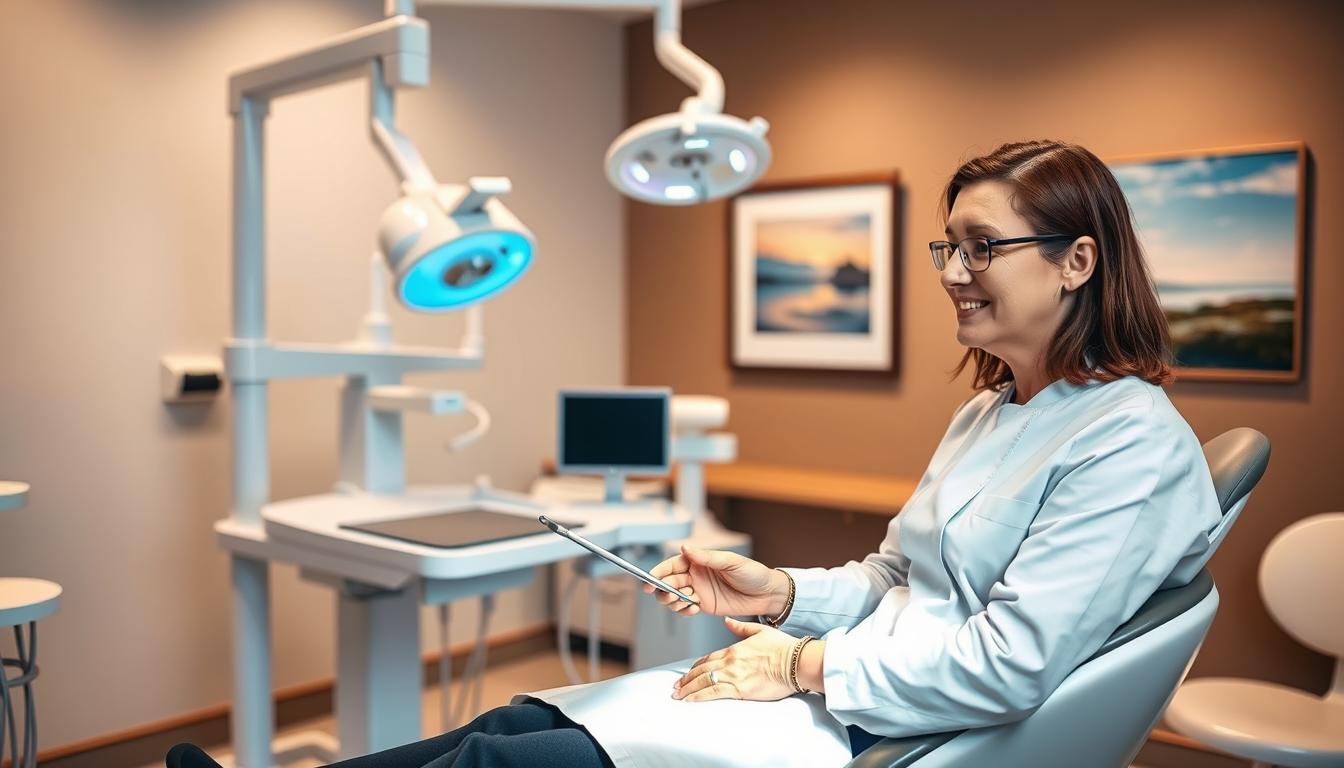
We provide calm, expert care for local patients at our modern clinic on 37 Grose St, Parramatta, NSW 2150. Our team focuses on clear explanations and gentle techniques so you feel supported at every step.
Comfort and safety matter most — we offer local and advanced sedation options to reduce anxiety during extraction procedures. Our dentist discusses the best approach for simple and surgical extractions, and outlines likely healing over the following days.
To book a visit or ask about treatment, call us on 02 8036 2411. For more details on our process and aftercare, see our Rydalmere clinic. We aim to make teeth removal as smooth and pain-free as possible for families and busy professionals in the area.
Key Takeaways
- Modern clinic at 37 Grose St, Parramatta, NSW 2150 — easy local access.
- Gentle, experienced team offering simple and surgical extractions.
- Advanced sedation options to keep patients comfortable and calm.
- Clear treatment plans, follow-up guidance and expected healing days.
- Phone bookings available on 02 8036 2411 for fast assessment and visits.
Understanding Your Wisdom Teeth
For most young adults, the last set of back molars emerges between 17 and 25. These are the third set of molars and often arrive after the rest of your permanent teeth.
What are third molars
Third molars are the final pair of teeth at the very back of each jaw. Some people develop all four, while others have fewer or none at all.
Our team watches development during regular check-ups. This helps us spot crowding, infection or impacted molars early.
When do they typically appear
They usually appear between 17 and 25 years of age. Many patients find they fit without issue, but others may experience pain or shifting of nearby teeth.
We recommend consulting our dentists if you feel discomfort or for routine X-rays. Understanding the anatomy of these teeth is the first step in preventing future problems and keeping your mouth healthy.
- Final set of molars that often appear in late teens.
- Number varies—some people have none, some have four.
- Regular dental checks help detect potential issues early.
Signs You Need Wisdom Tooth Removal Parramatta
Persistent discomfort at the back of your mouth can signal that an extraction is needed. Small, repeated pain episodes or constant soreness merit an early check-up.
Look for swelling in the gum around the rear molars, redness, or bad taste — these are common signs of infection such as pericoronitis. If swelling returns often, we recommend prompt assessment.
- Ongoing pain or tenderness behind other teeth.
- Swelling or infection of the gum near a partially erupted molar.
- Crowding or shifting of nearby teeth due to pressure.
- Damage or decay on adjacent teeth from impacted growth.
We perform a careful tooth extraction assessment — including clinical checks and radiographs — to decide if a simple extraction or surgical approach is best. Early detection helps us plan treatment and prevent more serious issues in the jaw.
The Importance of Early Detection
Regular imaging lets our team spot potential concerns before they become painful. At Parramatta Dentistry we track development from the first appearance on radiographs so changes are noticed early.
Monitoring development via radiographs
Early radiographs show how each tooth is forming in the jaw. This helps us predict whether any teeth are likely to become impacted or cause crowding.
By watching growth over time we can recommend a timely extraction. That often prevents more complex surgery and reduces the chance of extended pain.
- Track growth: regular X-rays reveal position and angle of the teeth.
- Plan precisely: advanced imaging lets us map a safe, predictable removal.
- Protect your health: early intervention keeps follow‑up care simple and recovery quicker.
We explain findings clearly and discuss options so you feel confident about any recommended tooth extraction. Our goal is steady, long‑term oral health with the least disruption to your life.
What to Expect During Your Consultation
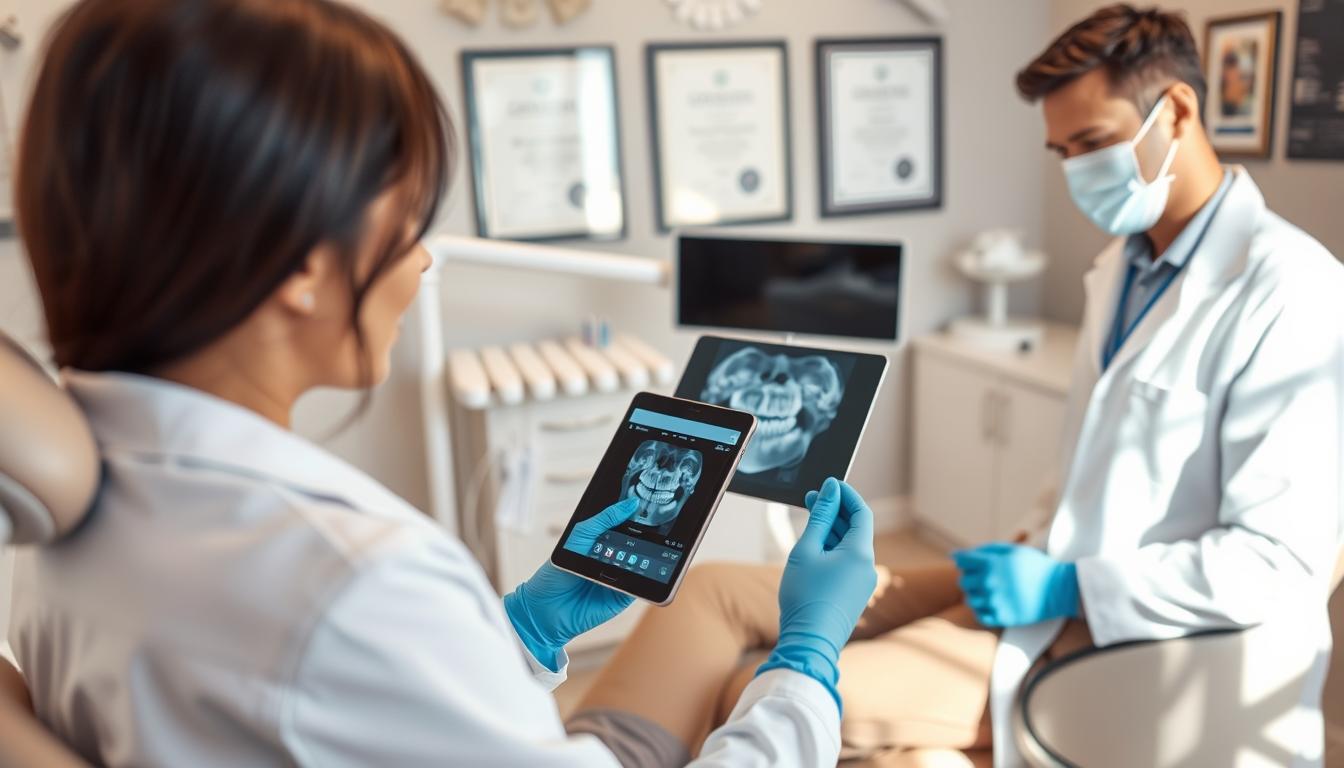
We start every consultation with a thorough clinical exam and clear explanations so you know what to expect.
On arrival our team will review your X-rays and inspect the area. This helps us assess the position of your wisdom teeth and any nearby tooth that may be affected.
We explain the tooth extraction procedure in plain language. You can ask our dentist about options, sedation and recovery — we welcome all questions.
| Stage | What we do | What you learn |
|---|---|---|
| Examination | Clinical check and oral health review | Current status of teeth and gums |
| Diagnostics | Digital X-rays and imaging | Clear view of roots and angles |
| Plan | Discuss procedure, timing and costs | Step‑by‑step appointment plan |
By the end of your visit you will have a clear, written plan and confidence about the next steps. We make the appointment calm and supportive so you leave informed and reassured.
Simple Versus Surgical Extractions
A clear assessment tells us if a routine extraction will suffice or if a surgical approach is safer.
Simple extraction process
For a visible, accessible tooth we use local anaesthetic so the patient feels little or no discomfort.
We loosen the tooth gently and remove it with forceps in a single visit.
This approach suits many teeth that have straight roots and good access.
Surgical extraction requirements
When a tooth is impacted or buried, we may make a small incision in the gum to reach it.
Some people need a tiny amount of bone removed to allow safe access to the root.
Our team plans the procedure to protect nearby teeth and soft tissue, and to speed healing.
| Type | When used | Key steps |
|---|---|---|
| Simple extraction | Visible tooth with straight roots | Local anaesthetic, loosen, remove |
| Surgical extraction | Impacted or buried tooth | Incision, possible bone removal, sutures |
| Complex roots | Curved or fused roots | Segmenting tooth, careful bone management |
We evaluate each tooth individually to choose the safest option.
Understanding the difference helps you feel prepared for the extraction and follow-up care.
Managing Your Comfort with Sedation
We tailor sedation to each patient’s needs so you stay calm and pain-free during the procedure. Our team discusses options clearly and recommends the best approach based on medical history and personal preference.
We offer a range of choices — from light inhalation to deeper conscious sedation. Many people find these methods reduce anxiety and make the teeth extraction far more manageable.
We explain what to expect before, during and after the appointment. This helps you feel secure and less overwhelmed on the day.
- Personalised plan: we match sedation to your health and comfort levels.
- Minimised pain: techniques keep discomfort low throughout the visit.
- Calm environment: our team supports you from arrival to recovery.
Your well-being is our priority. We use advanced sedation protocols so patients receive safe, compassionate care while we complete the required work on the affected tooth or teeth.
Understanding the Costs of Treatment
Understanding what your treatment will cost helps you make calm, informed decisions. We offer clear, up‑front pricing so you can plan without surprises.
Typical fees start at $250 for a simple wisdom teeth removal. Surgical extraction fees range from $350 to $450 depending on complexity.
| Service | When used | Typical cost |
|---|---|---|
| Simple removal | Accessible, straight root | $250 |
| Surgical extraction | Impacted or complex roots | $350 – $450 |
| Multiple extractions | Two or more teeth in one visit | Discounts available — ask us |
We are happy to discuss the exact cost of your tooth extraction during your consultation. Our aim is affordable, high‑quality care that reduces financial stress.
- Transparent pricing and written estimates before any procedure.
- Discussion of options so you know possible costs and outcomes.
- Support for patients worried about pain or budget — we plan together.
Essential Aftercare for a Smooth Recovery
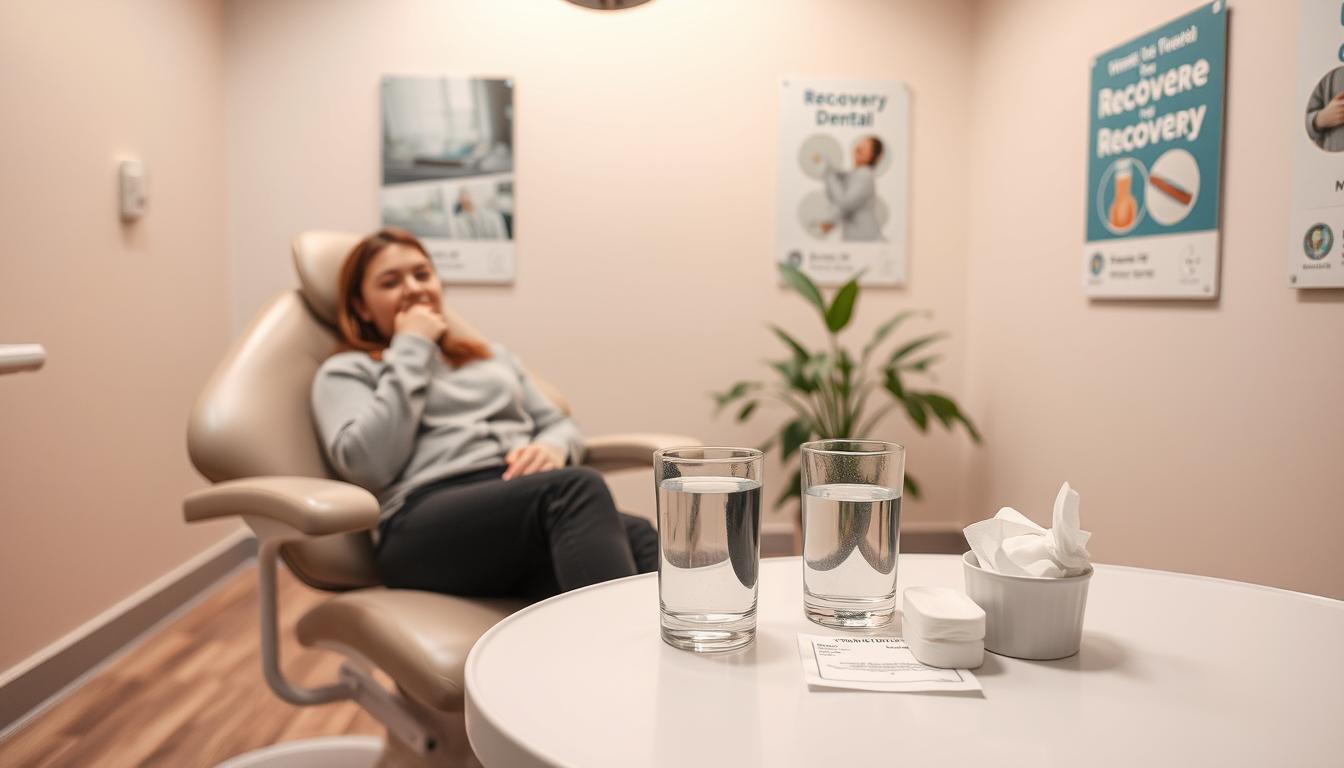
We provide clear aftercare so your recovery is safe and comfortable. After a wisdom tooth procedure, simple steps in the first hours and days reduce complications and ease pain.
Immediate post-operative care
Bite gently but firmly on the supplied gauze for three to four hours to help a clot form and stop bleeding. Change gauze only when directed and keep the area clean with gentle rinses after 24 hours.
Dietary recommendations
Stick to a soft-food plan for the first few days — congee, oats and yogurt are ideal. Avoid hot, crunchy or spicy items and do not use a straw for the first 24 hours to protect the healing area.
Managing pain
If you feel pain, follow our guidance on prescribed medication and recommended over‑the‑counter options. Rest, avoid vigorous activity for 24 hours and contact us if bleeding, severe pain or unusual swelling occurs.
- Key reminders: gauze for 3–4 hours, soft foods, no straws or heavy exercise.
- We give every patient written aftercare instructions and local phone support during recovery.
- Most people return to normal activities within a few days when they follow these steps.
Preventing Complications Like Dry Socket
A firm blood clot is the first line of defence after an extraction — protecting the healing bone and nerves. If that clot is disturbed, the underlying bone can become exposed and cause sharp, long‑lasting pain.
We watch for warning signs and give clear guidance to protect the site. For example, with impacted wisdom teeth or routine tooth work, keeping the area undisturbed matters most.
To reduce risk, follow our simple aftercare steps in the first 24 hours: avoid rinsing, smoking, spitting or using a straw. Gentle eating and careful oral hygiene after the first day help your teeth and gums heal.
- Act fast: if you suspect a dry socket, contact us for prompt pain‑relief treatment.
- Protect the site: minimise pressure on the area for the first few days so the clot can set.
- We take care: during every tooth extraction we aim to lower complication risk with careful technique.
Following our guidance for the early days will make healing smoother and reduce the chance of needing extra treatment.
Our Commitment to Gentle Dental Care
Comfort and respect guide our approach — we make every visit calm and predictable.
Our team is focused on gentle dental care so all people feel respected and supported during treatment for wisdom teeth and nearby molars.
We use advanced techniques and tailored sedation to reduce anxiety and keep pain low. Our experienced dentists explain each step in plain language so you feel in control.
Everyone deserves compassionate care. We provide accessible services that protect oral health and speed recovery for teeth that cause concern.
- Personalised plans from assessment to follow‑up.
- Comfort-focused techniques and clear explanations.
- Ongoing improvements to enhance patient experience.
For practical tips on how to prepare and what to expect after treatment, see our guide to prepare and recover well.
Visit Our Clinic at 37 Grose St
Our clinic is at 37 Grose St, Parramatta, NSW, 2150, Sydney, Australia. We welcome a calm visit and offer clear guidance for any extraction or removal concerns.
We provide a full range of services — from routine tooth extraction to more complex extractions. Our team plans each step so you feel supported during consultation and beyond.
“Call us on 02 8036 2411 to book an appointment — our staff will guide you through options and costs.”
| What to do | When | Contact |
|---|---|---|
| Book an appointment | Same‑week availability | 02 8036 2411 |
| Consultation and X-rays | Initial visit | On site at 37 Grose St |
| Extraction or tooth removal | Planned procedure | Tailored care plan |
- We invite you to visit for a friendly consultation.
- Our team answers questions about tooth extraction, teeth removal and removal options.
- Call 02 8036 2411 to schedule — we look forward to helping you.
Conclusion
Our clinic stands ready to support you with clear advice and timely care if any concerns arise.
We hope this guide has helped clarify the wisdom tooth process and answered common questions about care and healing.
Our dedicated team supports patients through every step — from consultation to follow‑up — so your recovery is comfortable and reliable.
If you have pain or need a professional assessment, contact us for expert tooth extraction guidance. For more detail, see our wisdom teeth extraction information.
Thank you for trusting us with your dental needs — we look forward to caring for your smile at our clinic.