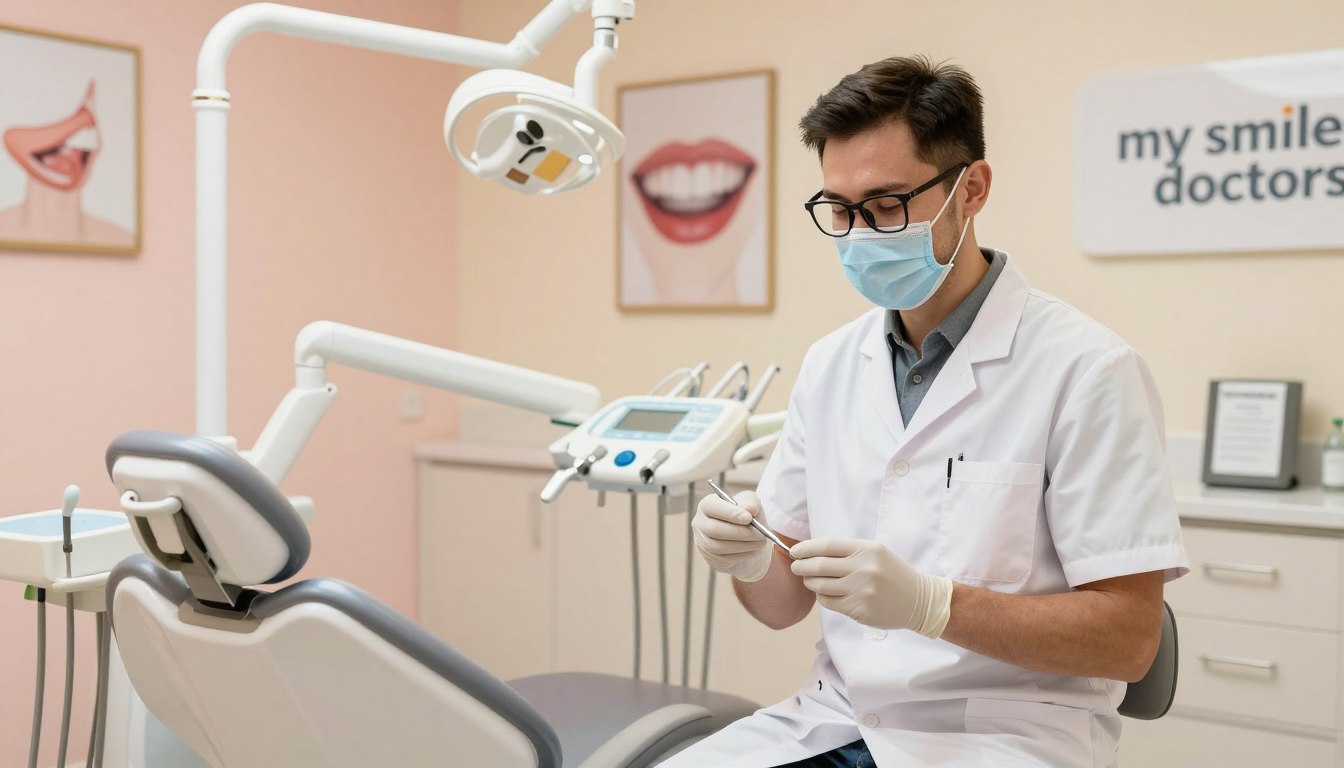
We provide clear, calm care for people needing an extraction in the Parramatta area. Our team blends technical skill with a friendly approach so every appointment feels safe and respectful.
At our clinic, we use advanced dentistry techniques to reduce discomfort and speed recovery. We explain each step and offer anaesthetic choices to match your needs.
Our dedicated dentist team focuses on long-term oral health and gentle aftercare. We support families and busy professionals with clear advice and a warm, reassuring environment.
For more details or to book a consultation, see our page on wisdom teeth extraction and arrange an appointment that suits your schedule.
Key Takeaways
- We deliver professional, compassionate care for teeth removal.
- Advanced techniques aim to keep you comfortable and safe.
- Our team explains options and supports recovery.
- Flexible appointment times suit families and professionals.
- Choose a clinic that prioritises your long-term oral health.
Understanding Wisdom Teeth and Why They Need Removal
When the last adult molars arrive, they sometimes cause unexpected problems that need a dentist’s eye. These third molars usually emerge between 17 and 25 years of age and can vary a lot in how they grow.
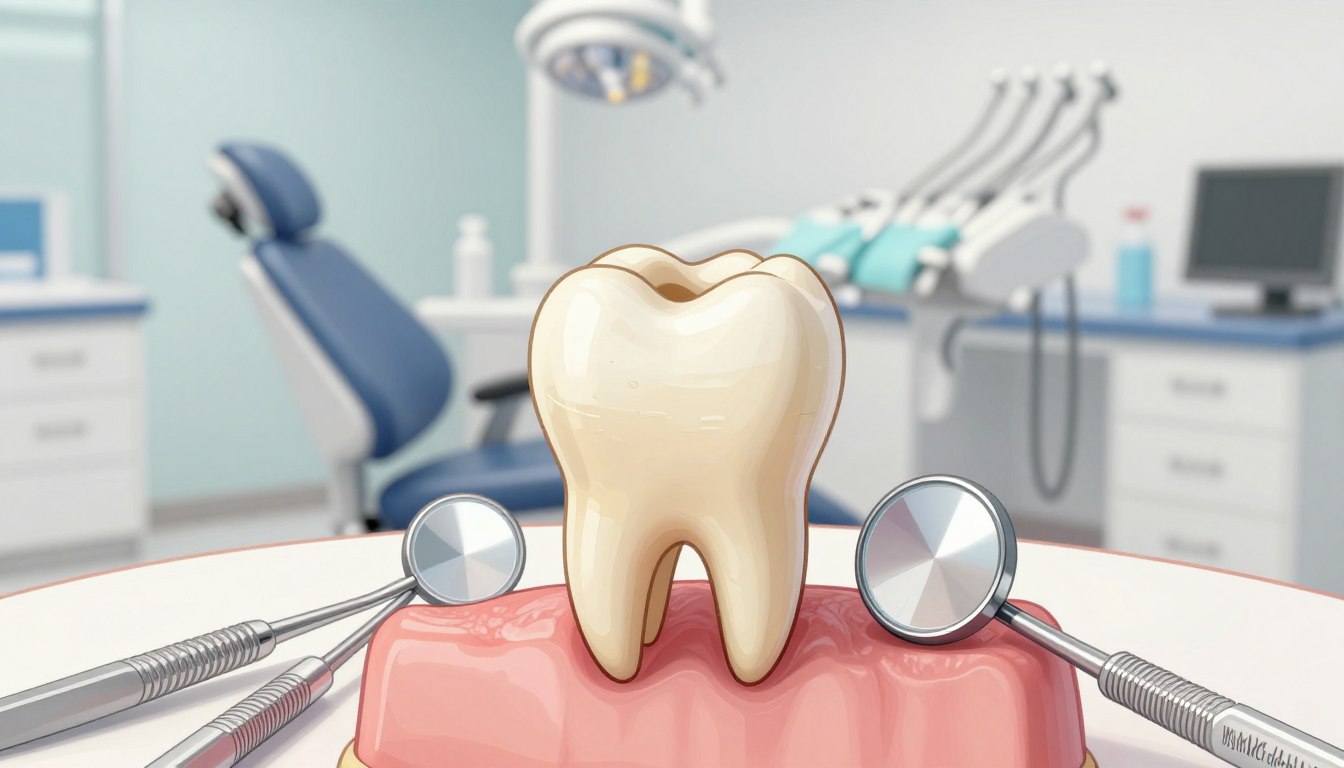
Many people find that these teeth appear at odd angles or with limited room in the mouth. If there isn’t enough space, a tooth can become impacted and press on nearby teeth or gum.
Impact and infection risk: Crowding raises the risk of pain, swelling and infection. An extraction is often recommended to stop damage to adjacent structures and to protect jawbone health.
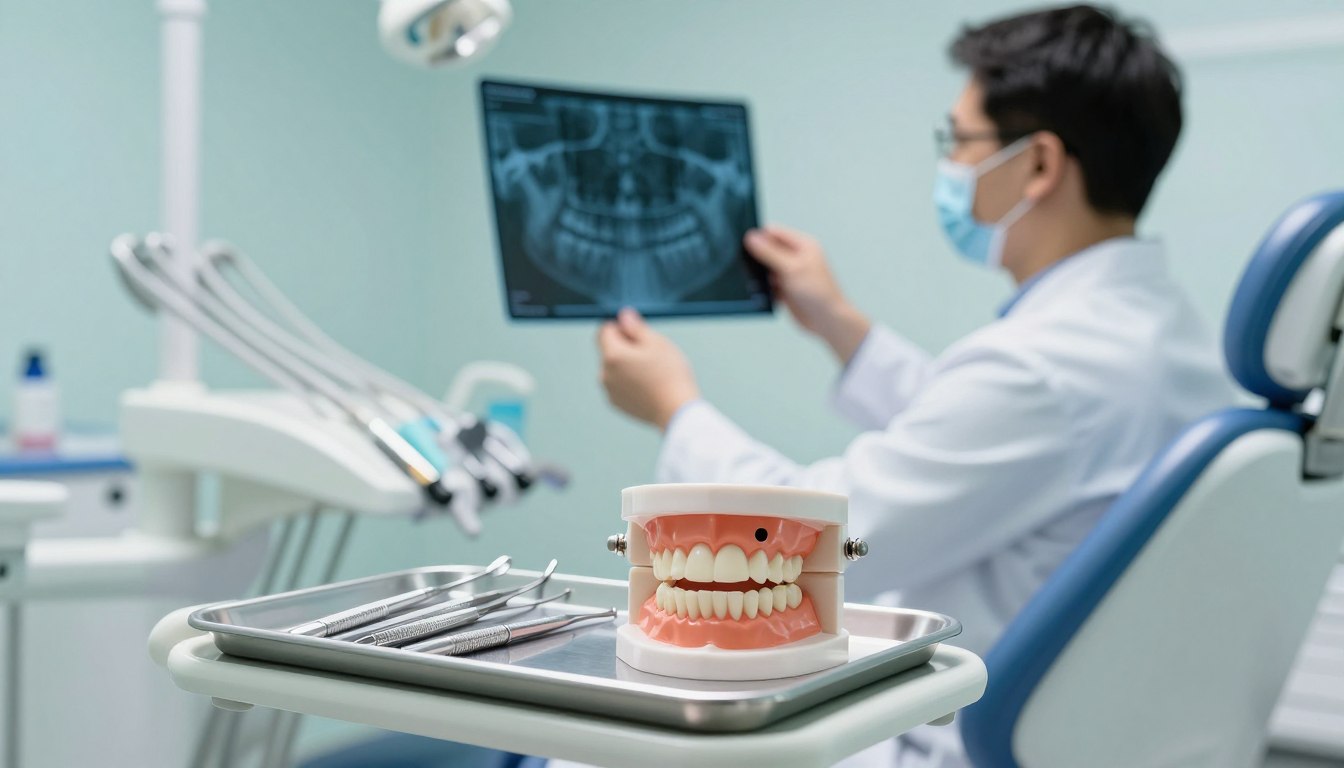
We monitor the position of your teeth with careful exams and X-rays. Our dentists explain options clearly so you understand whether removal will improve comfort and long-term oral hygiene.
- Age of arrival: typically 17–25 years.
- Why problems occur: limited space and unpredictable growth.
- Our role: assess, advise and protect gum and jaw health.
Signs That You Require Wisdom Tooth Removal Parramatta Sydney
Persistent pain or swelling near the back molars often shows a problem with how your teeth are erupting. This soreness can appear around the gum and may worsen over a few hours if infection starts.
We encourage prompt checks. Our dentists spot risky patterns early and advise when extraction will protect your long-term oral health. Early care lowers the chance of complex surgery later.
- Constant jaw or ear pain — suggests pressure from nearby teeth.
- Swelling that doesn’t ease in a few hours — could be infection.
- Food trapping or bad breath around a rear molar — poor cleaning and risk.
- Shifting or crowding of adjacent teeth — impacts alignment and bite.
| Symptom | What it may mean | Our recommended action |
|---|---|---|
| Ongoing pain | Impacted or infected tooth | Book an assessment within 24–48 hours |
| Swollen gum | Local infection risk | Clinical examination and X‑ray |
| Crowding | Pressure on adjacent teeth | Monitor development; plan extraction if needed |
| Difficult cleaning | Higher decay risk | Early intervention and improved care |
The Professional Approach to Dental Extractions
A tailored plan—based on detailed imaging—helps us choose the simplest, safest approach for each patient.
At our clinic we use on-site OPG and CBCT x-rays to map root shape and position. This step tells us if a simple extraction will do or if a surgical option is needed for an impacted wisdom tooth.
Simple vs Surgical Extractions
A simple extraction is usually done when the tooth is fully visible and can be removed with forceps. A surgical extraction is planned when bone or soft tissue hides the tooth.
During your visit we assess root anatomy and surrounding bone so the procedure is precise and gentle. We explain each stage so you understand what to expect.
Proper planning helps us manage gum tissue and bone with care. That attention reduces recovery time and improves comfort after the extraction.
Managing Anxiety with Sedation Dentistry
For those with dental anxiety, intravenous sedation can turn a stressful procedure into a restful experience. We offer IV sedation at Painfree Dentistry so patients relax fully during their wisdom teeth removal.
Many people say sedation reduces fear and makes treatment feel calm and quick. Our team listens to concerns and explains options clearly. We match the technique to each patient so care is personalised and reassuring.
Comfort and safety are our priorities. We monitor vital signs and adjust sedation to keep you stable. The goal is a pain‑free visit and a smoother recovery.
| Option | Best for | Key benefit |
|---|---|---|
| Local anaesthetic | Minor procedures, low anxiety | Fast recovery, awake and alert |
| Oral sedative | Mild to moderate anxiety | Simple to use, relaxed but responsive |
| IV sedation | High anxiety or complex treatment | Deep relaxation, minimal memory of procedure |
We work closely with you to choose the right approach and answer questions beforehand. If you want guidance on preparing and aftercare, see our guide on preparing and recovering well.
What to Expect During Your Appointment
At the start of your visit we listen to your concerns, then carry out a clear, focused check of your mouth and X‑rays.
During the consultation our dentist will examine your teeth and explain whether an extraction or simple removal is needed. We speak plainly about risks, options and the likely recovery timeline.
We structure each appointment to be efficient and calm. You’ll get time to ask questions and feel involved in the plan.
Our team provides full care before, during and after the procedure so you know what to expect on the day and in the weeks that follow.
If you prefer sedation or extra reassurance, we will outline those choices and any preparation required. We aim to make every visit low-stress and time‑efficient for busy families and professionals.
- Thorough exam and imaging at consultation
- Clear explanation of the recommended course
- Practical guidance on recovery and follow-up care
Understanding the Costs of Wisdom Teeth Extraction
Clear pricing makes deciding on treatment easier—so we list typical fees up front.
Our fees for extraction services usually range from $230 to $450, depending on how complex the case is. A simple tooth extraction is priced at $250.
Surgical extraction for an impacted wisdom tooth typically sits between $350 and $450. We explain why prices vary during your consultation.
We believe in transparent pricing for all our extraction services. If you need several teeth out, we offer discounted rates to make treatment more accessible.
During your pre-procedure consultation we review costs tied to your specific needs and any follow-up services. Our team answers questions and helps you plan payment or insurance details.
| Service | Typical Cost (AUD) | When it applies | Notes |
|---|---|---|---|
| Simple extraction | $250 | Fully erupted, straightforward cases | Quick recovery, local anaesthetic |
| Surgical extraction | $350–$450 | Impacted or complex root anatomy | May require sutures and longer follow-up |
| Multiple teeth removal | Discounted package | Two or more extractions at one visit | Ask at consultation for specific pricing |
| Consultation & X‑ray | Included / itemised as needed | Assessment before extraction | We discuss all fees before treatment |
Essential Aftercare Tips for a Smooth Recovery
Recovery starts the moment you leave the chair — gentle, simple steps make the next 48 hours much easier.
Immediate post-surgery care
Bite down firmly on the supplied gauze for three to four hours to help clotting. Replace gauze only if bleeding soaks through.
Apply an ice pack to your cheek in 10-minute intervals for the first few hours to reduce swelling and ease discomfort.
Dietary recommendations
Stick to soft foods for at least 24 hours — congee, oats and yoghurt are ideal. These protect the extraction site and keep nutrition steady.
Avoid hot, crunchy or spicy items that can disturb healing. Keep meals small and easy to eat.
Managing bleeding
Do not rinse your mouth or use a straw for 24 hours — those actions can dislodge the clot and cause complications.
If bleeding continues beyond a few hours, contact us. Our dentist will guide you and may ask you to return for a check.
“Follow the simple steps we give you — they greatly reduce pain and speed healing.”
For a full aftercare checklist, see our aftercare guide.
Preventing Complications Like Dry Socket
Keeping the clot intact in the first days after a procedure is the single best defence against dry socket. A dry socket happens when that protective blood clot is dislodged from the extraction site and causes sharp, persistent pain.
Follow our aftercare instructions closely for the first 72 hours. Bite gently on gauze as directed and avoid rinsing or using a straw during that time.
Avoid vigorous activity and smoking — both can disturb the clot and increase the chance of complications. Rest, ice packs and a soft-food plan help healing.
“If you notice intense pain or a change at the site, contact us immediately so we can arrange prompt treatment and protect your oral health.”
| Risk | Why it matters | Our advice |
|---|---|---|
| Dislodged clot | Exposes bone and nerves | Keep gauze in place; avoid sucking actions |
| Smoking | Reduces blood flow; draws clot out | Avoid for 72 hours; longer if possible |
| Heavy exercise | Raises blood pressure; may restart bleeding | Limit activity for 48–72 hours |
Every patient receives clear guidance from our dentist team so you know how to care for the site and reduce risk. If issues arise, prompt treatment preserves long-term health of your teeth and mouth.
Why Choose Our Parramatta Dental Team
We aim to make each visit efficient and stress-free, offering tailored care that respects your time and long-term health. Our team delivers gentle, professional extractions for patients across the greater Sydney area.
Comfort and clear communication guide every appointment. We explain the process in plain language and answer questions at your consultation so you feel confident about the planned care.
Our clinic offers high-quality services in a calm, modern space. We welcome patients from Harris Park, Westmead and surrounding suburbs who need reliable teeth removal and ongoing oral support.
Choosing experienced clinicians matters: by trusting our team you prioritise a professional approach to your oral health and long-term wellbeing.
“Call us on 02 8046 9975 to book your consultation — we’ll guide you through every step with warmth and expertise.”
For more detail about our approach and options, see our tooth extraction information page.
Conclusion
We hope this guide has clarified your options and eased any concerns about caring for late‑arriving molars. Our team is dedicated to gentle, expert care and clear communication.
If you have discomfort, please book an appointment for a prompt consultation. Early assessment helps us choose the right extraction or treatment and can prevent more complex issues later.
We offer a range of supportive services to make removal straightforward and anxiety‑free — from local anaesthetic to sedation when needed. Trust our experienced team to help you move toward better oral health and a pain‑free smile.