Navigating your child’s early development can often feel quite overwhelming. We understand that as a parent, you want the very best for your little one’s growth and daily comfort. Our team is here to provide gentle, expert guidance to help you feel supported every step of the way.
Based in the heart of Parramatta, we focus on delivering anxiety-free, patient-centred dental care. We believe that building a foundation of trust is essential for your family’s long-term wellbeing. This guide serves as a helpful resource to explain how oral motor skills influence your child’s development.
We invite you to explore these insights as we partner with you to achieve optimal health for your children. Understanding these oral motor skills is a wonderful way to ensure your little ones grow up with confidence and ease.
Key Takeaways
- Early identification of development patterns supports long-term health.
- Our Parramatta clinic prioritises a gentle, anxiety-free environment for all children.
- Expert guidance helps parents navigate complex developmental milestones with confidence.
- Building trust through patient-centred care is at the heart of our practice.
- We provide practical resources to help your family thrive every day.
Understanding Oral Motor Skills and Their Importance
We often take for granted the simple acts of eating and speaking, yet these rely on intricate systems within the mouth. Developing oral motor skills is a vital milestone that supports your child’s confidence and physical well-being as they grow.
What Are Oral Motor Skills?
At their core, these skills involve the precise and coordinated movement of the lips, tongue, jaw, and cheeks. This facial muscle coordination allows a child to manage food, swallow safely, and produce clear speech sounds.
When these muscles work in harmony, children can navigate their environment with ease. We believe that demystifying these clinical concepts helps you feel empowered throughout your child’s developmental journey.
Why Are They Crucial for Development?
Strong facial muscle coordination is essential for more than just clear communication. It forms the foundation for safe feeding and effective digestion, which are critical for a child’s overall health.
When a child masters these movements, they gain the independence needed to enjoy a variety of textures and flavours. This sense of mastery boosts their self-esteem and encourages positive social interactions during mealtime and play.
Common Signs of Oral Motor Skill Difficulties
Recognising the signs of difficulty early allows us to provide the nurturing care your child needs to thrive. While every child develops at their own pace, certain indicators may suggest that extra support is beneficial.
The following table outlines common observations that parents and educators might notice during daily routines:
| Observation Area | Typical Development | Potential Difficulty |
|---|---|---|
| Feeding | Chews food thoroughly | Frequent gagging or choking |
| Speech | Clear articulation | Difficulty forming specific sounds |
| Muscle Tone | Closed mouth at rest | Persistent open-mouth posture |
| Coordination | Controlled swallowing | Excessive drooling beyond age |
By staying informed, we can work together to ensure your child receives the gentle, professional guidance they deserve. Early intervention is always a proactive step toward long-term success.
The Role of Tongue Tie in Oral Motor Skills
We often see families struggling with the hidden effects of a restricted tongue on daily function. It is common to feel overwhelmed when you notice your child facing challenges with basic movements, but please know that you are not alone in this journey.
What is Tongue Tie?
A tongue tie, or ankyloglossia, occurs when the thin piece of tissue connecting the underside of the tongue to the floor of the mouth is shorter or tighter than usual. This physical restriction can limit the tongue’s ability to move freely. It is a common condition that can be identified through a gentle physical examination.
How Tongue Tie Affects Oral Motor Skills
When the tongue cannot move properly, it impacts the development of essential oral motor skills. This restriction often makes it difficult for a child to latch during feeding or to articulate sounds clearly during speech development. Because the tongue is a vital muscle for these tasks, even a small limitation can create a ripple effect on your child’s comfort and confidence.
Finding a Tongue Tie Clinic in Sydney
At our tongue tie clinic in Sydney, we provide specialised assessments and gentle treatments designed to restore function and comfort for your child. We believe in a holistic approach to care, which is why we often incorporate specific tongue exercises and orofacial myofunctional therapy into our treatment plans. These methods help ensure that your child regains full mobility after intervention.
Our commitment is to provide a calm, supportive environment where your family’s needs are always our primary focus. We are here to help you navigate these challenges with compassion and expertise, ensuring your child has the best foundation for healthy oral motor skills development.
Identifying Oral Motor Skill Challenges in Children
Identifying potential challenges early is a vital step in supporting your child’s long-term comfort and development. We understand that as a parent, you want the very best for your little one, and noticing small changes is the first step toward providing the right care.
Red Flags to Look Out For
Certain behaviours can indicate that a child might be struggling with their muscle coordination or sensory processing. If you notice these signs, it is often helpful to keep a simple log to discuss with a professional later.
- Persistent difficulty with chewing or swallowing specific food textures.
- Frequent drooling beyond the expected developmental age.
- Challenges with clear speech articulation or sounds.
- A tendency to mouth non-food objects excessively.
- Difficulty keeping the lips closed while resting or breathing.
Assessing Oral Motor Skills
When you visit our clinic, we perform a comprehensive oral motor assessment to gain a clear picture of your child’s needs. This process is designed to be gentle and stress-free, ensuring your child feels safe throughout the evaluation.
We look closely at how the muscles in the face, jaw, and tongue work together during movement. By evaluating these oral motor skills in a supportive environment, we can determine if your child requires extra assistance to reach their full potential.
Seeking Professional Help
If our evaluation suggests that your child needs support, we offer a range of tailored solutions to help them thrive. We often recommend orofacial myofunctional therapy to improve muscle function and coordination in the mouth area.
Additionally, we may suggest strategies for oral sensory integration if your child experiences discomfort with certain textures or sensations. Our team is dedicated to eliminating fear through quality service and clear, reassuring communication at every step of the process. Please know that we are always here to provide the professional guidance your family deserves.
Activities to Enhance Oral Motor Skills
We believe that building strong oral motor skills should feel like a game rather than a clinical chore. By focusing on play, we can help your child develop the necessary strength and control without any added stress or anxiety. Our goal is to make these moments a joyful bonding experience for your entire family.
Fun Exercises for Home
Simple tongue exercises are a fantastic way to improve muscle tone and flexibility. You might encourage your child to push their tongue against their cheek to create a “dimple” or try to lick a small amount of yoghurt off their upper lip. These movements are highly effective for improving facial muscle coordination in a natural way.
Another playful activity involves making funny faces in the mirror together. By exaggerating expressions like wide smiles, pouting lips, or puffing out cheeks, your child learns to isolate and control specific muscle groups. These activities are not only effective but also provide plenty of laughter during your practice sessions.
Recommended Tools and Toys
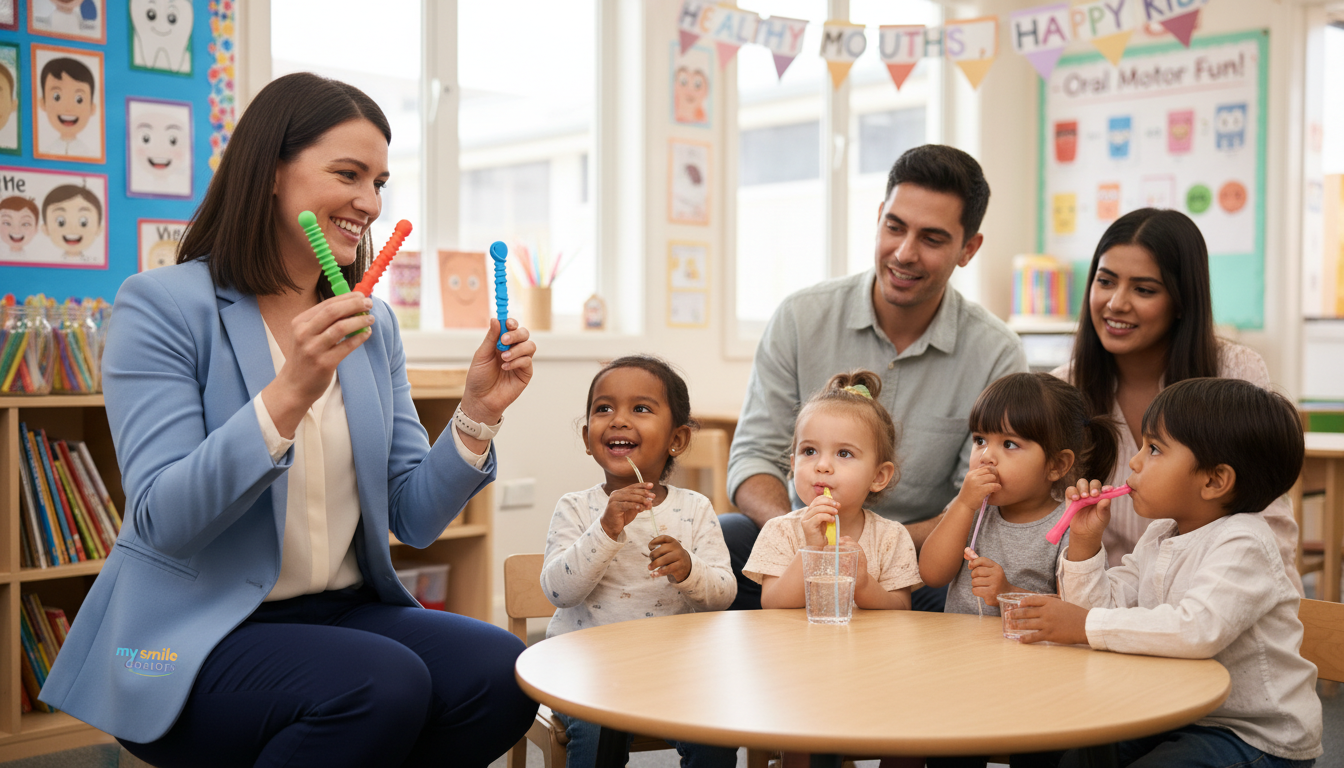
Sometimes, using specific tools can make the process more engaging for children. We often suggest using items like whistles, bubbles, or even straws to encourage lip rounding and breath control. These simple objects turn routine practice into an exciting challenge that children genuinely enjoy.
- Whistles and party blowers: Excellent for lip closure and breath support.
- Bubbles: Great for encouraging rounded lips and controlled exhalation.
- Textured spoons: Helpful for sensory awareness and tongue placement.
Incorporating Oral Motor Skill Practice into Daily Routines
You do not need to set aside large blocks of time to see progress. Instead, try weaving these activities into your existing daily habits, such as during bath time or while reading a bedtime story. Consistency is the key to success, and short, frequent bursts of play are often more effective than long, formal sessions.
| Activity | Primary Benefit | Daily Opportunity |
|---|---|---|
| Funny Face Mirror Game | Facial muscle coordination | Morning routine |
| Blowing Bubbles | Lip rounding | Outdoor play |
| Tongue Wiggles | Tongue exercises | Mealtime |
| Drinking through a straw | Oral motor skills | Snack time |
The Link Between Oral Motor Skills and Speech
Helping your child find their voice starts with understanding the relationship between their oral motor skills and their speech. We recognise that clear communication is a fundamental part of your child’s confidence and overall growth.
By addressing the physical mechanics of the mouth, we help create the foundation necessary for your child to express themselves clearly and comfortably. Every small improvement in these movements can lead to significant gains in their ability to interact with the world around them.
How Oral Motor Skills Impact Speech Development
The muscles in the lips, tongue, and jaw must work in harmony to produce clear sounds. When these muscles lack coordination, it can hinder speech and language development, making it difficult for a child to articulate specific phonemes.
Think of these muscles as the engine for speech. If the engine is not functioning smoothly, the output—your child’s words—may become unclear or frustrating for them to produce.
Strategies to Support Speech and Communication
We believe in empowering parents with practical tools to use at home. Incorporating simple speech therapy exercises into your daily routine can make a world of difference in your child’s progress.
These activities often include fun articulation exercises that feel more like play than work. Whether it is blowing bubbles to strengthen lip muscles or making funny faces in the mirror, these actions build the strength and control needed for clearer speech.
Collaborating with Speech Therapists
We often collaborate with speech therapists to ensure that your child receives a holistic approach to their care. By working together, we can align our dental expertise with their specialised techniques to provide a seamless support system.
This partnership ensures that your child’s journey toward better communication is handled with the utmost care and expertise. We are here to support you every step of the way, ensuring your child feels confident and heard.
Nutritional Considerations for Oral Motor Development
Every mealtime offers a unique opportunity to strengthen the muscles required for clear speech and effective eating. We understand that nutrition plays a significant role in your child’s physical growth, and we are here to help you navigate this journey with confidence. By focusing on specific food choices, you can actively support the development of oral motor skills in a natural, stress-free way.

Foods That Support Oral Motor Skills
To build muscle strength, it is helpful to introduce foods that provide a bit of resistance. These items encourage your child to use their tongue, jaw, and cheeks more effectively during meals. Incorporating these foods can naturally refine their chewing and swallowing techniques over time.
- Crunchy vegetables: Raw carrot sticks or celery provide excellent resistance for jaw muscles.
- Chewy proteins: Lean meats or dried fruits require sustained effort to break down.
- Thick textures: Greek yoghurt or hummus can help with tongue lateralisation and control.
Importance of Texture in Diet
Introducing a variety of textures is essential for sensory and motor development. When children experience different sensations in their mouths, they learn to adapt their movements to manage various food types safely. Gradual progression is the key to success here.
“The way a child interacts with food textures serves as a foundation for their future ability to manage complex eating tasks and clear communication.”
We recommend starting with softer, mashed foods before moving toward more solid, textured options. This approach ensures that your child feels comfortable and safe while they build the necessary muscle control for healthy eating habits.
Strategies for Encouraging Healthy Eating Habits
Making mealtimes a positive experience is just as important as the food itself. We encourage families to keep the atmosphere light and supportive, as this reduces anxiety and promotes exploration. You can try these simple strategies to make every meal a success:
Create a routine: Consistent meal times help children feel secure and ready to engage with their food. Model the behaviour: Show your child how you chew and swallow, as they often learn best by watching you. Finally, keep portions small to avoid overwhelming them, allowing them to focus on mastering their chewing and swallowing techniques at their own pace.
The Impact of Oral Motor Skills on Feeding
Feeding your child should be a joyful experience, yet we understand that challenges can often turn mealtime into a source of stress. When your little one struggles with food, it is natural to feel concerned about their growth and comfort. We are here to walk this path with you, ensuring your child achieves optimal health in a patient-centred environment.
Recognising Feeding Issues
Identifying the root cause of feeding difficulties is the first step toward finding a solution. Many children face hurdles due to underdeveloped oral motor skills, which can make the mechanics of eating feel overwhelming. You might notice your child gagging frequently, pocketing food in their cheeks, or showing a strong aversion to specific textures.
These signs often indicate that the muscles in the mouth are not working in harmony. By observing these patterns closely, we can better understand how to provide the right support for your family.
| Feeding Challenge | Potential Cause | Observation |
|---|---|---|
| Food Pocketing | Weak cheek muscles | Food remains in the side of the mouth |
| Frequent Gagging | Sensory sensitivity | Over-reaction to food textures |
| Difficulty Chewing | Poor jaw stability | Swallowing food without proper breakdown |
Effective Techniques for Feeding Support
We believe in empowering parents with practical tools to make mealtimes more comfortable. A primary focus involves improving chewing and swallowing techniques through gentle, guided practice. By breaking down the process into smaller, manageable steps, we help your child build the necessary strength and coordination.
Furthermore, we emphasise the importance of oral sensory integration to help children become more comfortable with a variety of food sensations. This approach reduces anxiety and encourages a more positive relationship with food. Consistency and patience are the keys to success in this developmental journey.
When to Consult a Feeding Specialist
Sometimes, despite your best efforts at home, your child may require additional professional guidance. If you notice that your child is losing weight, avoiding entire food groups, or showing signs of distress during every meal, it is time to seek expert advice. A feeding specialist can provide a tailored assessment to address specific underlying issues.
Please remember that seeking help is a sign of your dedication to your child’s well-being. We are always here to offer referrals and support, ensuring that your child receives the comprehensive care they deserve. You are never alone in your commitment to your child’s health and happiness.
Working with Educators on Oral Motor Skills
Collaboration between parents and educators creates a powerful support system for developing oral motor skills. We believe that consistent support across home and school environments is essential for your child’s ongoing progress. By maintaining open communication, you ensure that every adult in your child’s life is working toward the same developmental goals.
Communication with Teachers and Caregivers
Establishing a clear line of communication with your child’s teacher is the first step toward success. We encourage you to share insights about your child’s specific needs and the techniques that have proven effective at home. Open dialogue allows educators to better understand how to support your child during the school day.
“Education is a shared journey where the partnership between home and school forms the foundation for a child’s future success.”
Strategies for Classroom Support
Teachers can play a significant role in reinforcing articulation exercises within the classroom. When these activities are woven into the daily routine, they become a natural part of learning rather than an extra chore. We are happy to provide resources that help educators implement these strategies in a way that is both inclusive and supportive for all students.
Supportive strategies often involve simple, non-intrusive adjustments to classroom activities. For example, teachers might incorporate specific movements during circle time or snack breaks to encourage muscle coordination. These small, consistent efforts help bridge the gap between clinical therapy and everyday life.
Integrating Oral Motor Activities in Educational Settings
Integrating oral motor skills practice into the classroom does not require complex equipment or significant time away from learning. Many effective exercises can be performed during standard activities, such as reading aloud or playing group games. Our goal is to create a collaborative network of care that empowers your child to succeed in every aspect of their development.
- Encourage clear speech through fun, group-based articulation exercises.
- Use visual cues to remind children of proper tongue and lip placement.
- Ensure that all activities remain engaging and stress-free for the child.
Resources for Parents and Educators
Accessing reliable information is a powerful way to reduce anxiety and feel more confident in your role as a parent or educator. We understand that the path to supporting your child’s development can sometimes feel complex, but having the right tools makes a world of difference. You are not alone in this journey, and we are here to help you navigate the best paths forward.
Recommended Books and Websites
Building a strong foundation starts with knowledge. Many parents find great comfort in evidence-based literature that explains how oral motor skills develop during early childhood. Websites such as Raising Children Network Australia offer excellent, peer-reviewed articles that break down developmental milestones into manageable steps.
For those looking for practical activities, many reputable speech pathology blogs provide simple, home-based speech therapy exercises. These resources are designed to be fun and engaging, ensuring that your child feels supported rather than pressured during their daily practice.
Community Support Groups in Australia
Connecting with others who share similar experiences can be incredibly empowering. Across Australia, there are numerous community groups and online forums where families share their stories and successes. These networks provide a safe space to discuss challenges related to oral motor skills and exchange tips on what has worked for their little ones.
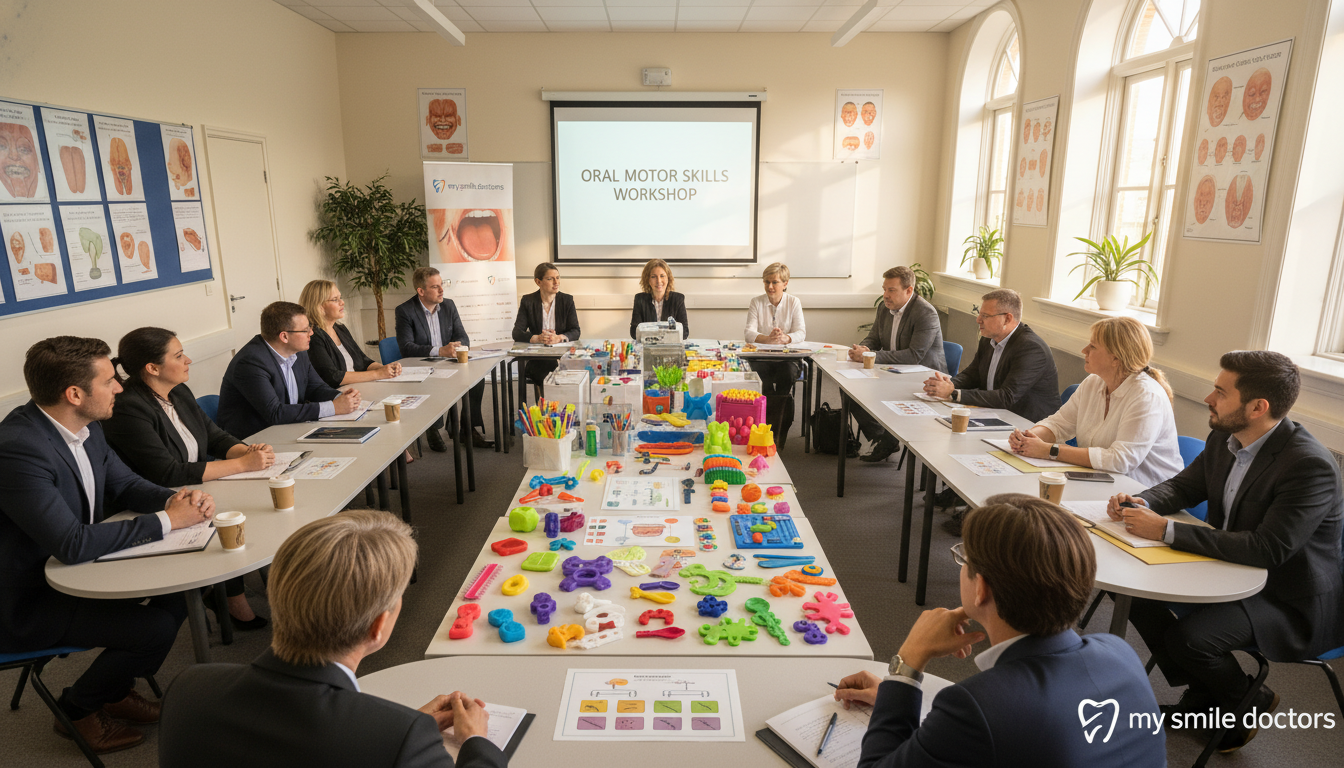
Local community centres and parenting groups often host workshops that focus on early intervention. Engaging with these local circles helps you build a support system that understands the unique needs of your family. Sharing your experiences can often lead to discovering new, creative ways to encourage your child’s progress.
Professional Services for Further Guidance
While self-help resources are valuable, there are times when a professional perspective is necessary for your child’s specific needs. If you feel that your child requires a formal oral motor assessment, our team is always available to provide professional, compassionate support. We take the time to listen to your concerns and create a tailored plan that fits your family’s lifestyle.
Whether you need a comprehensive oral motor assessment or ongoing speech therapy exercises, we are dedicated to being your trusted partner. We offer the expertise and resources necessary for long-term success, ensuring your child receives the high-quality care they deserve in a warm, welcoming environment.
Conclusion: Supporting Oral Motor Skills in Your Child
Supporting your child as they navigate their developmental milestones creates a foundation for a bright future. Prioritising oral motor skills is one of the most impactful ways to foster long-term well-being and confidence. We hope this guide provides the clarity needed to take these next steps with peace of mind.
Focusing on Developmental Milestones
Every small improvement in muscle control contributes to significant gains in speech and language development. Consistent practice at home helps children build the strength they need for clear communication and comfortable eating. Small, daily efforts turn into lasting habits that benefit your child for years to come.
The Value of Proactive Care
Early intervention acts as a powerful tool to address challenges before they become obstacles. Our team at Parramatta Dentistry remains dedicated to providing the gentle, expert care your family deserves. We view our relationship with you as a partnership built on trust and shared goals for your child’s health.
Continuing the Journey Together
Learning about your child’s needs is an ongoing process that evolves as they grow. We invite you to reach out whenever you have questions or require professional guidance. Our commitment is to support your family through every stage of development with compassion and modern, patient-centred care.
## FAQ
### Q: What exactly are oral motor skills and why are they important for my child?
A: Oral motor skills involve the coordinated movement of the lips, tongue, jaw, and cheeks, which are essential for everyday functions like eating and speaking. We believe that developing strong facial muscle coordination is a vital milestone that supports your child’s confidence and physical well-being. By focusing on these skills early, we can ensure your child has the foundational strength needed for clear speech and language development and comfortable, efficient eating.
### Q: How can I tell if my child needs a professional oral motor assessment?
A: We recommend keeping an eye out for certain “red flags,” such as persistent difficulty with chewing and swallowing techniques, excessive drooling beyond a typical age, or struggles with making specific sounds. If you notice your child is a particularly “fussy” eater or avoids certain textures, a comprehensive oral motor assessment at our clinic can help us identify the root cause. We are here to provide the professional guidance you deserve in a modern, patient-centred environment.
### Q: What should we do if we suspect our child has a tongue tie?
A: A tongue tie can often restrict the natural range of motion required for proper feeding and speech, but our team is here to help you navigate these challenges with compassion. At our tongue tie clinic Sydney, we provide specialised assessments and gentle treatments designed to restore function and comfort. We often incorporate specific tongue exercises and orofacial myofunctional therapy to ensure your child regains full mobility and comfort after any intervention.
### Q: Can we practice speech therapy exercises at home to support our child?
A: Absolutely! Strengthening your child’s oral muscles can be a joyful and engaging experience that fits seamlessly into your daily family routine. We often recommend simple, playful speech therapy exercises and articulation exercises that you can do together. By using recommended tools and toys, you can turn necessary practice into a bonding opportunity that supports your child’s development without causing any stress or anxiety.
### Q: What is orofacial myofunctional therapy and how does it help?
A: Orofacial myofunctional therapy is a tailored programme of exercises designed to improve the strength and coordination of the tongue and facial muscles. We use this therapy to correct patterns that might interfere with normal growth, development, or function. By focusing on these specific movements, we help your child achieve optimal facial muscle coordination, which is essential for healthy breathing, swallowing, and speech.
### Q: How does oral sensory integration affect my child’s eating habits?
A: Oral sensory integration refers to how your child’s brain processes information through the mouth, including the texture, temperature, and taste of food. If a child has difficulty processing these sensations, they may struggle with certain foods. Our team focuses on identifying these root causes and providing effective feeding support to make mealtimes safer and more enjoyable for the whole family.
### Q: Why is early intervention so important for oral motor development?
A: We believe that early intervention is a powerful tool for your child’s long-term health and comfort. By addressing challenges with oral motor skills early, we can provide targeted support—such as articulation exercises or chewing and swallowing techniques—before they impact your child’s confidence or school performance. Our mission is to partner with you to ensure your child achieves their full potential in a supportive, anxiety-free environment.
### Q: How do you collaborate with educators regarding a child’s oral motor skills?
A: We believe that consistent support across home and school is essential for your child’s ongoing progress. Our team is happy to provide resources and clear communication to help teachers and caregivers integrate simple oral motor skills activities into the classroom. By maintaining this partnership, we ensure that strategies like speech therapy exercises are reinforced throughout the day, creating a collaborative network of care for your child.