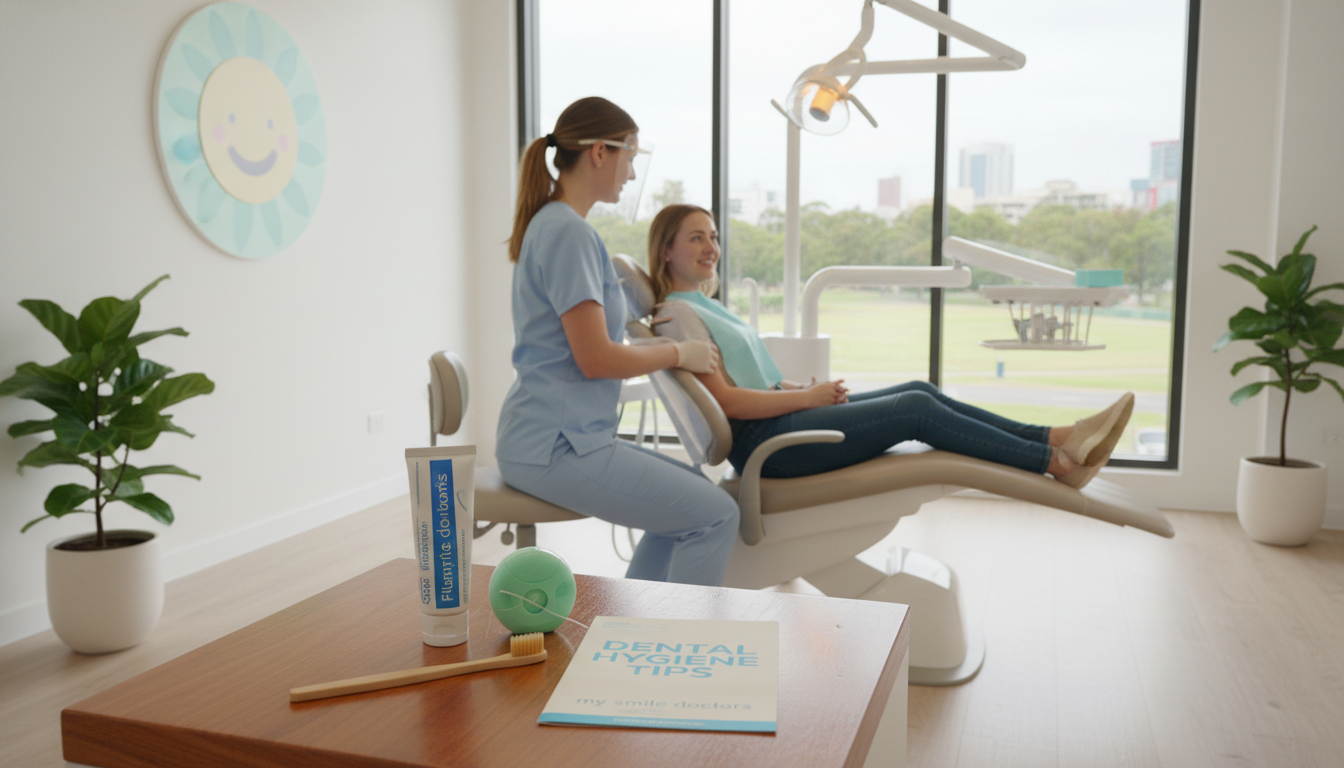
We’re here to make each visit calm, clear and comfortable — whether you come for a routine check or a specific treatment. Our team at 37 Grose Street, Parramatta, NSW, 2150, Sydney, Australia, focuses on gentle care that protects your oral health and supports overall wellbeing.
Comfort and clear communication matter to us. We use modern methods to reduce fear and prevent tooth decay and gum disease. If you have concerns, call our friendly team on 02 8036 2411 to arrange an anxiety-free appointment.
Simple daily habits help protect your teeth and mouth — from brushing with fluoride toothpaste to flossing and drinking water after meals. For more practical guidance, see our expert tips for maintaining a bright in Parramatta.
Key Takeaways
- We provide calm, modern care at 37 Grose Street, Parramatta — call 02 8036 2411 for anxiety-free appointments.
- Daily brushing with fluoride toothpaste and regular flossing protect teeth and reduce decay risk.
- Our team prioritises comfort and uses techniques to ease worry during treatment.
- Hydration and smart food choices support a healthy mouth and gums.
- Visit us for a friendly check-up and personalised advice to keep your smile bright.
The Importance of Good Oral Health
A healthy mouth supports clear speech, confident smiles and the pleasures of taste every day. NIDCR Director Dr Rena D’Souza reminds us that good oral health helps you speak, chew and express yourself with ease.
Protecting your teeth and gums through consistent good oral hygiene is the best defence against tooth decay and serious gum disease. Plaque is a sticky film of bacteria that builds on tooth surfaces and can cause decay — even around fillings.
We focus on keeping your teeth gums healthy by removing plaque each day. This simple habit reduces the risk of gingivitis and more advanced periodontal disease. It also supports overall health by limiting bacteria that can affect the rest of the body.
Visit us so we can personalise care and help you keep your teeth strong for life.
“Good oral health allows you to speak clearly, taste food, and express feelings through smiling.”
| Risk | Cause | Daily action | Result |
|---|---|---|---|
| Tooth decay | Plaque and bacteria | Brush twice, fluoride toothpaste | Fewer cavities; stronger tooth enamel |
| Gum disease | Plaque build-up at gum line | Daily cleaning, flossing, regular check-ups | Gums healthy; less bleeding and inflammation |
| Long-term health risk | Chronic oral infection | Professional care and plaque control | Better overall health and comfort |
Mastering Your Daily Dental Hygiene Tips
Mastering a short daily routine makes it easy to prevent plaque build-up and keep your gums comfortable. We focus on clear, simple actions you can do every morning and evening to protect your oral health.
Techniques for Effective Brushing
Use a soft-bristled toothbrush and brush teeth twice a day for two minutes. Tilt the brush at a 45-degree angle to the gum line to loosen plaque where teeth meet gums.
Clean every surface of your teeth and gently brush tongue to reduce bacteria and freshen breath. A timer helps you spend the full two minutes and build consistent brushing flossing habits.
Choosing the Right Toothpaste
Choose a fluoride toothpaste to strengthen enamel and protect against tooth decay. We recommend products approved by Australian dental associations when possible.
“Simple technique and the right paste make daily care efficient and effective.”
| Action | How | Result |
|---|---|---|
| Brush teeth twice | 2 minutes with soft brush, 45° to gum line | Removes plaque; lowers risk of gum disease |
| Use fluoride toothpaste | Daily, morning and night | Strengthens enamel; protects against decay |
| Brush tongue | Gently, once per session | Reduces bacteria; fresher breath |
Need guidance? Speak to our team—your dentist can tailor products and technique to suit sensitive gums or specific concerns.
The Role of Flossing in Preventing Gum Disease
Removing trapped food each day prevents bacteria from gathering where a toothbrush cannot reach. Flossing clears plaque from tight spots between teeth and below the gum line. This reduces the risk of gum disease and tooth decay.
How to floss well: Curve dental floss into a “C” around each tooth and slide it gently below the gum line. Move the floss up and down to remove plaque without damaging soft tissue.
Alternative Tools for Sensitive Gums
If string floss irritates your gums, try a water flosser or interdental brushes. These tools clean effectively and help keep your gums healthy and free from inflammation.
“Regular cleaning between teeth prevents the bacteria that cause decay and gum disease from gaining a foothold.”
- Neglecting interdental cleaning can lead to calculus that only a dentist or hygienist can remove.
- Consistent between-tooth cleaning supports good oral health and reduces treatment needs.
- For evidence-based guidance, see this short review on flossing in practice: don’t toss floss research.
| Method | Best for | Result |
|---|---|---|
| String floss | Tight contacts | Removes plaque under gum line |
| Interdental brushes | Wider spaces or braces | Gentle cleaning; less irritation |
| Water flosser | Sensitive gums | Effective, comfortable rinse action |
Professional Care and Routine Check-ups
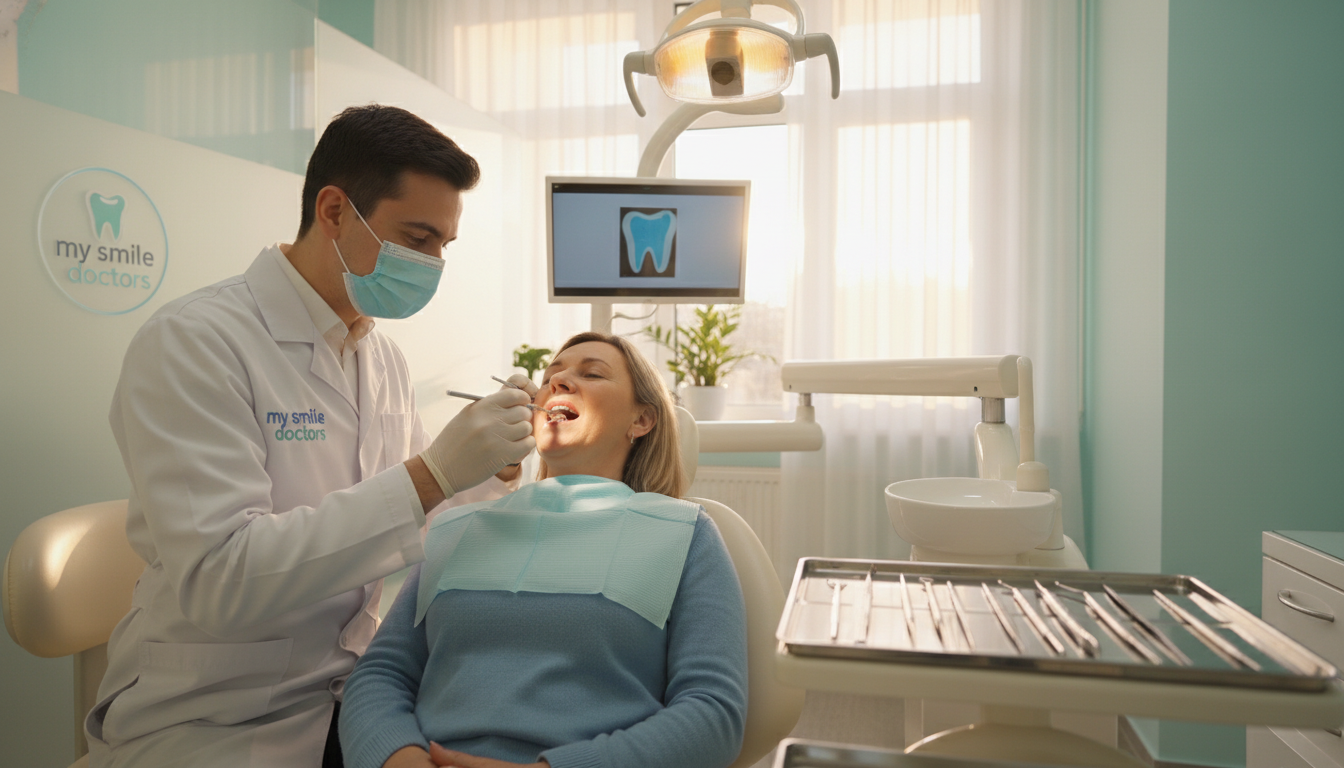
Routine visits let our team spot early signs of decay and gum disease when treatment is simple. We recommend you see us every 6 to 12 months for a check-up and professional cleaning.
During your appointment we remove hardened plaque and calculus that brushing at home cannot clear. This cleaning helps keep your teeth and gums healthy and comfortable.
Regular professional care is vital for early detection of tooth decay and gum disease. Catching issues early avoids more complex, costly treatment later.
If you have higher risk for decay, we may apply a fluoride treatment to strengthen enamel and protect your teeth. Our team provides gentle, caring attention to make each visit positive.
- Visit every 6–12 months for routine review and cleaning.
- Professional cleaning removes hardened plaque and calculus.
- Early detection lowers risk and simplifies treatment.
- Fluoride and tailored care protect enamel and reduce future risk.
“Regular check-ups protect your mouth and make long-term care simpler and kinder.”
| Action | Why | Result |
|---|---|---|
| 6–12 month visit | Professional review and cleaning | Healthy teeth; fewer surprises |
| Fluoride treatment | Strengthens enamel | Lower decay risk |
| Early detection | Spot decay and gum disease | Simpler treatment; better outcomes |
Creating an Anxiety-Free Dental Experience
We design each visit to feel calm and predictable, so fear does not get in the way of your care. Our goal is to make appointments gentle and clear, so you leave feeling more confident about your mouth and overall health.
Communicating Your Concerns
Tell us what worries you — we listen first. A quick chat before treatment lets us adjust pace, explain steps and set clear signals for breaks.
Call us on 02 8036 2411 or mention concerns when booking. That helps us prepare a calming plan tailored to you.
Comfort Measures During Treatment
We use soothing techniques and modern tools to reduce discomfort during care.
Options include: soft pillows, distraction aids, and local comfort methods to lower stress while we work on teeth and gums.
Visiting Our Parramatta Clinic
Our practice at 37 Grose Street, Parramatta, NSW, 2150, Sydney, Australia is designed for calm arrivals and private consultations.
We encourage simple daily habits at home — such as using a fluoride toothpaste and remembering to brush tongue and brush teeth twice day — so your appointments are shorter and gentler.
“Comfort and clear communication make treatment easier and more effective.”
- We prioritise a calm, welcoming environment at our Parramatta clinic.
- Phone us on 02 8036 2411 to share needs before you arrive.
- Modern comfort measures help you maintain good oral hygiene without fear.
| Concern | What we offer | Benefit |
|---|---|---|
| Anxiety or fear | Pre-visit call, paced treatment | Reduced stress; more comfortable visits |
| Sensitivity | Comfort tools, gentle technique | Less pain; better ability to keep appointments |
| Need for clear plans | Step-by-step explanations | Trust; easier follow-up and care |
Establishing Healthy Habits for Children
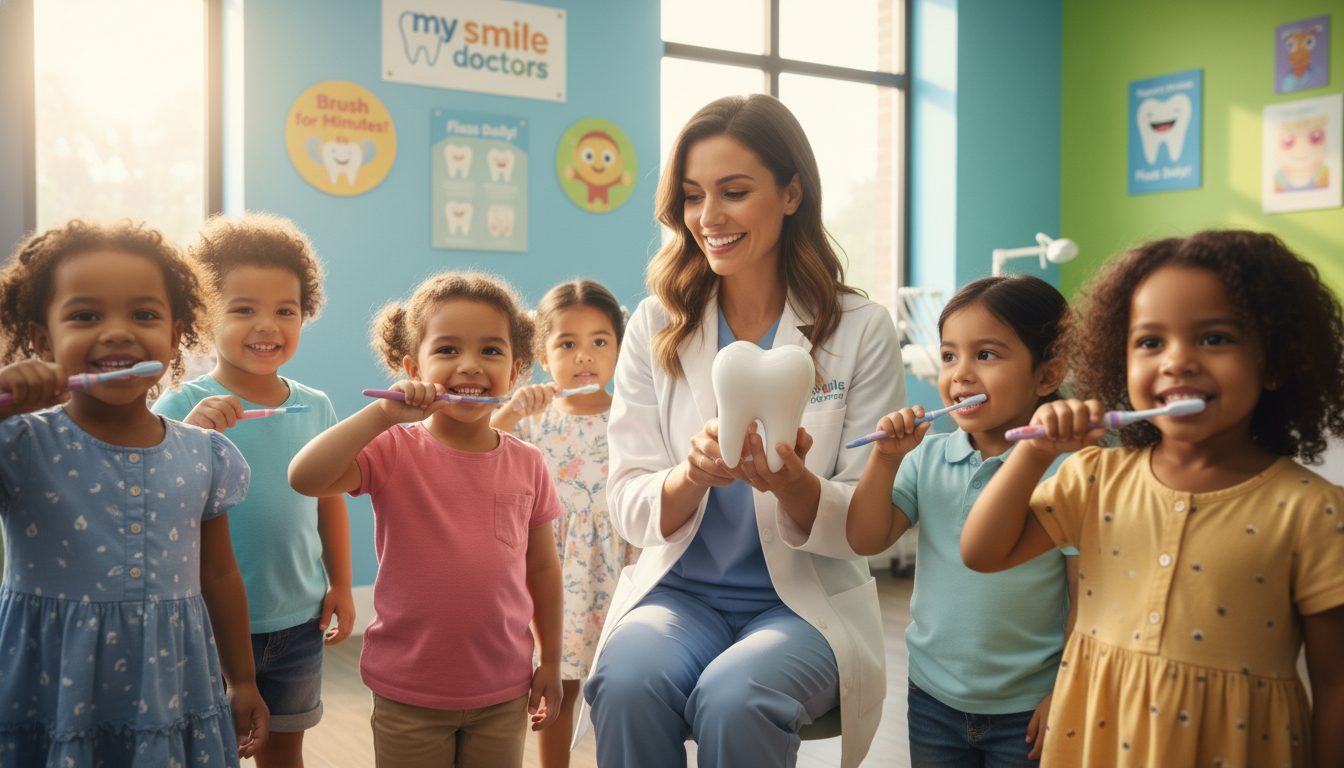
Start habits early so small mouths learn to care for teeth with calm, steady routines. We recommend a first check-up when the first tooth appears or by age one. Early visits make future care less stressful and help spot issues before they grow.
Parents should help children clean their teeth until about eight years old. Guiding brushing builds correct technique and keeps gums healthy while permanent teeth arrive.
Use a pea-sized amount of fluoride toothpaste for young children to reduce the risk of tooth decay. Encourage drinking fluoridated water and limit sugary food and drinks to protect teeth and gum health.
“Gentle routines at home and regular check-ups set children up for a lifetime of good oral health.”
- First check-up: when first tooth appears or by age 1.
- Parental help: assist brushing until ~8 years old.
- Fluoride toothpaste: pea-sized amount to prevent decay.
- Water and food: choose fluoridated water and limit sugar.
- Questions? Call healthdirect on 1800 022 222 for advice.
| Action | When | Benefit |
|---|---|---|
| First dental visit | First tooth or by age 1 | Early advice; less anxiety |
| Parental brushing help | Until ~8 years old | Better technique; cleaner teeth |
| Fluoride use | Daily, pea-sized for children | Lower risk of decay |
Conclusion
A clear plan — steady home care plus professional check-ups — makes maintaining strong teeth simple and manageable. We believe that consistent routine is the foundation of good oral health and long-term comfort.
Small daily actions and regular visits help prevent decay and protect gums. Good oral hygiene keeps each tooth and the wider mouth healthy, and supports whole-body health. Follow simple steps at home and see us for professional care when needed.
We are here to support your journey with calm, compassionate service. Call our Parramatta team for personal advice and to book a check-up — we will tailor care to your needs and help you keep your smile bright.