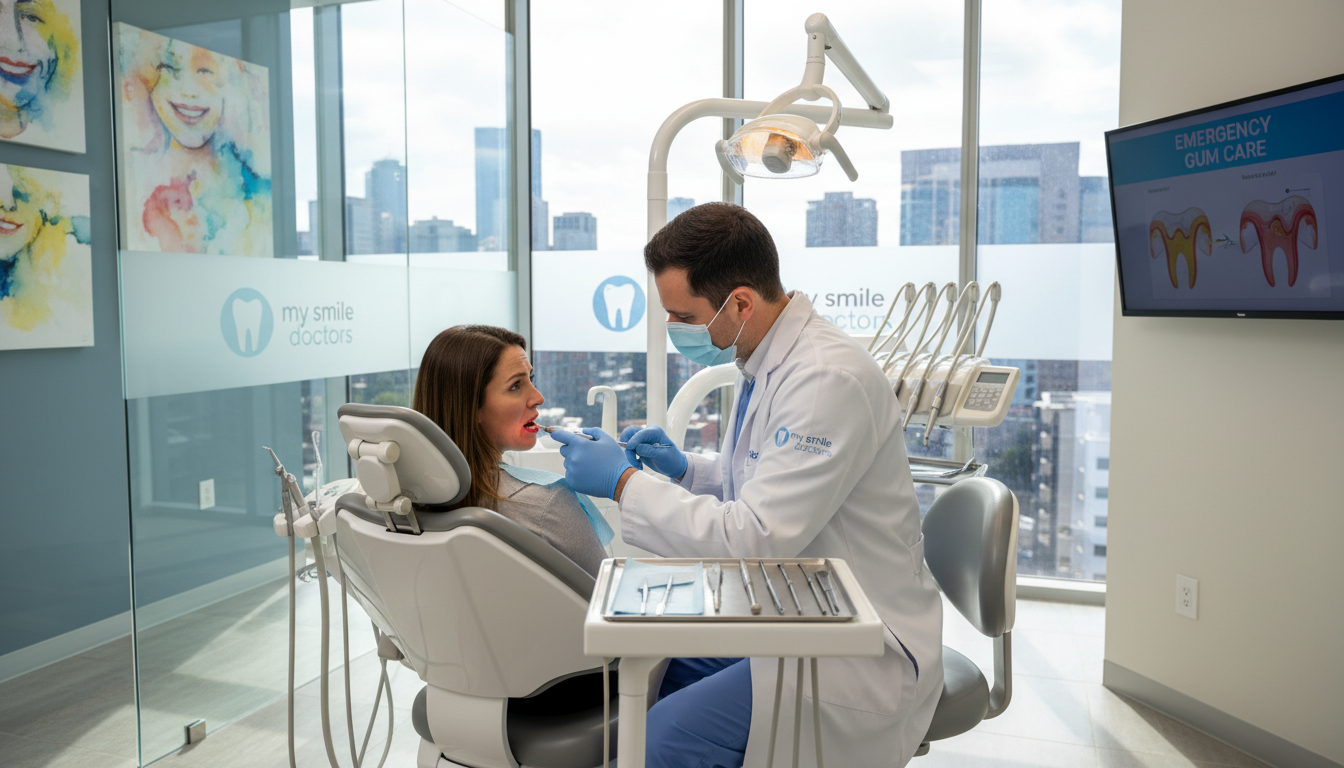
We’re here for you — at our clinic on 37 Grose St, Parramatta, NSW we offer prompt care for people worried about their oral health.
Call us on 02 8036 2411 and our friendly team will arrange a timely appointment. We focus on quick assessment, gentle cleaning and clear advice to protect your teeth and gums.
Our dentistry approach targets the root cause of infection so you feel better fast. We prioritise comfort, explain each step plainly and help patients restore hygiene with practical home care tips.
If pain or swelling starts suddenly, don’t hesitate to phone — we’ll guide you through what to do next and book a same-day slot when needed.
Key Takeaways
- Our Parramatta team is at 37 Grose St and ready to help promptly.
- Phone 02 8036 2411 to arrange assessment or urgent cleaning.
- We treat the cause to protect teeth and gums from further harm.
- Care is gentle, clear and focused on restoring hygiene and comfort.
- We support busy locals with fast, compassionate dentistry and practical aftercare.
Understanding Periodontal Disease
Periodontal problems begin when bacteria build up beneath the gum line and start affecting the structures that hold teeth in place.
Periodontal disease is a bacterial infection that attacks the attachment fibres, bone and soft tissue around teeth. Left unchecked, mild gingivitis can progress into deeper infection that threatens how firmly teeth sit in the jaw.
Early care makes a big difference — when we treat gum disease promptly we can stop damage and preserve both bone and soft tissue. Our approach focuses on removing the cause, restoring healthy gums and keeping your teeth secure for years to come.
- Serious infection affects supporting bone and fibres.
- Timely care prevents gingivitis from becoming advanced periodontal disease.
- We address underlying causes to avoid long-term complications.
| Stage | Main Sign | Focus of Care |
|---|---|---|
| Gingivitis | Red, swollen gums | Cleaning and oral hygiene |
| Early periodontal | Pocketing, mild bone loss | Scaling and monitoring |
| Advanced periodontal | Significant bone loss | Surgical and restorative options |
Recognising the Warning Signs of Gum Infection
Spotting subtle changes in your mouth can stop a small problem from becoming serious. We watch for clear signs that suggest increased risk to teeth, bone and soft tissue. Quick recognition helps us protect your smile and comfort.
Common Symptoms
Look for:
- Swollen, red or tender gums and bleeding when brushing.
- Persistent bad breath or a lasting unpleasant taste.
- Teeth that seem longer or feel loose — these can signal tissue and bone loss.
Contributing Factors
Research shows nine out of ten people will face some form of gum disease. After 35, about three in four adults develop it.
Factors such as smoking, hormonal changes and poor oral hygiene speed plaque and tartar build-up around teeth.
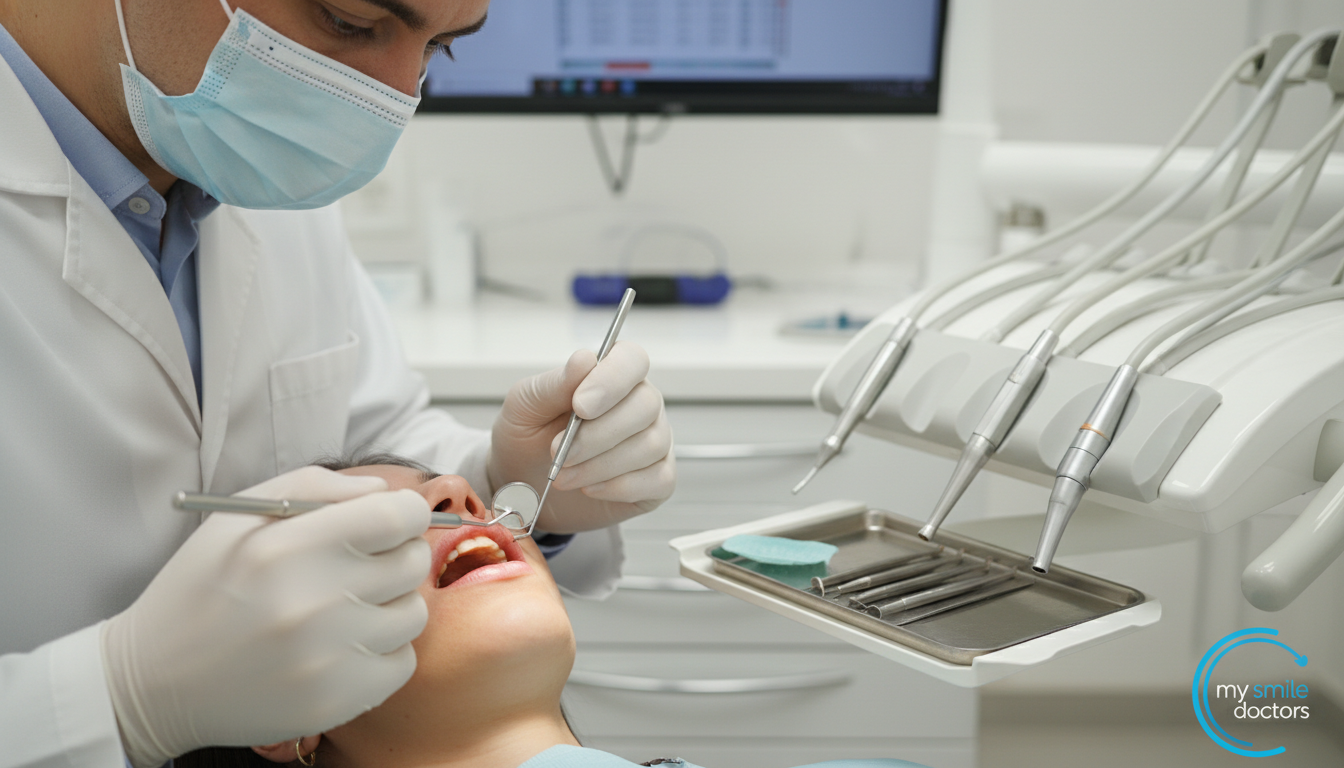
We use a probe to check pockets; depths over three millimetres may need prompt care to avoid infection and eventual tooth loss.
Professional Emergency Gum Disease Treatment Options
Removing hardened plaque and smoothing root surfaces helps gums reattach and heal. This step targets the root of the problem and supports faster recovery.
Nonsurgical scaling and root planing
Scaling and root planing involve deep cleaning of the teeth and below the gum line to remove plaque and tartar.
Root planing smooths rough root areas where bacteria hide, encouraging tissue to reattach and reducing pockets that harbour infection.
- Essential care: Scaling and root planing form the backbone of our periodontal treatment to strip away hardened deposits on teeth.
- Our hygienist uses precise instruments to clean the gum line, while root work prevents further bacteria build‑up.
- This nonsurgical procedure is often the first line against gingivitis and helps restore oral hygiene effectively.
- Good home hygiene after the procedure aids healing and helps protect bone and surrounding tissues.
- By removing the infection source early, we help patients avoid more complex surgical options later.
We provide gentle, patient‑centred care during every session — clear explanations, comfort measures and follow‑up advice to keep your teeth and gums healthy.
Surgical Interventions for Advanced Cases
When pockets deepen and bone shows signs of loss, surgical options can restore support and comfort.
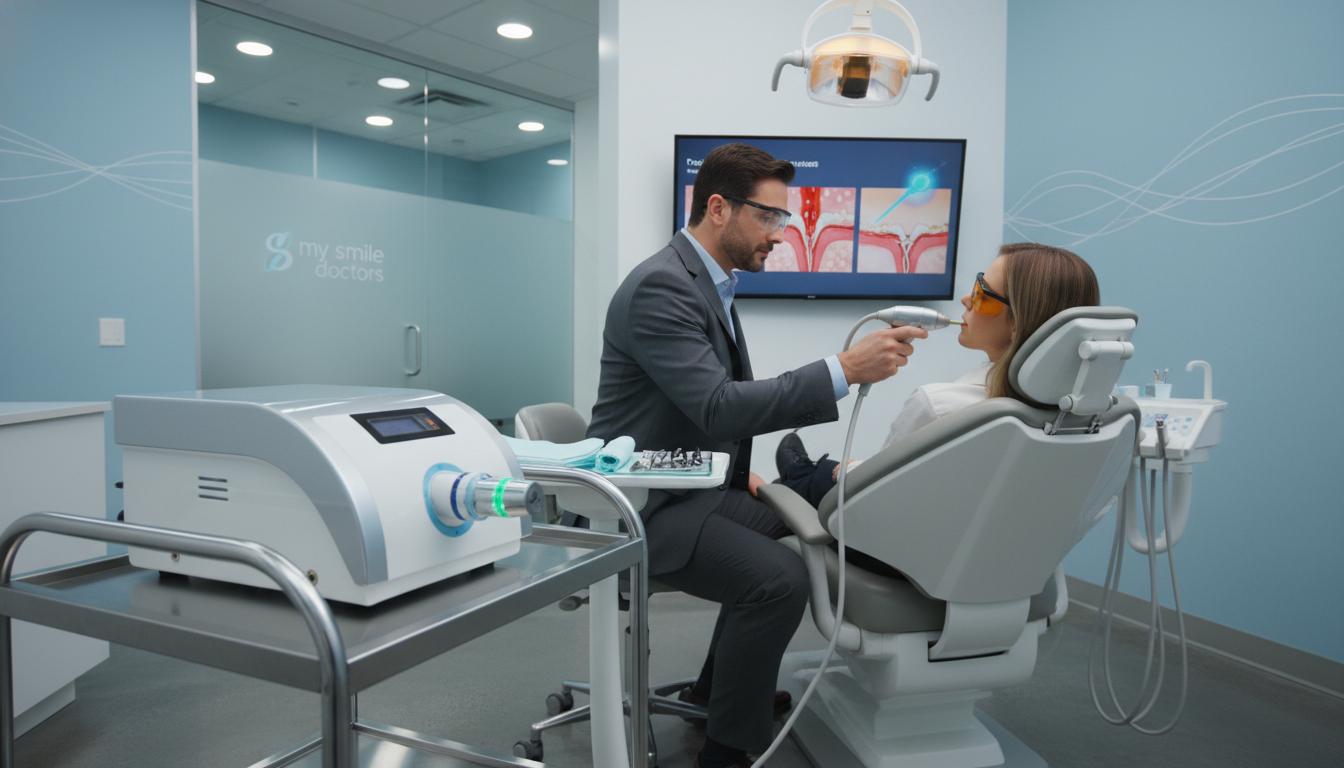
Laser periodontal therapy is a minimally invasive option that uses focused light to remove diseased tissue and reduce bacteria. It often causes less discomfort and speeds healing compared with traditional cuts.
Pocket Reduction Surgery
Pocket reduction surgery involves lifting back the gums to access root surfaces. We remove tartar and infected tissue, then reposition the gum to reduce pocket depth.
Bone and Soft Tissue Grafting
Bone grafts help regenerate jaw bone lost to infection and provide firmer support for teeth. Soft tissue grafting restores lost gum tissue and shields exposed roots.
These procedures are planned carefully to minimise pain and promote a faster recovery over a few days.
- When suggested: deep pockets around teeth or increasing loose teeth despite earlier care.
- Benefits: stop progression of periodontal disease and reduce risk of further tooth loss.
- Recovery: our team supports patients with clear aftercare and gentle follow‑up.
| Procedure | Purpose | Key Benefit |
|---|---|---|
| Laser periodontal therapy | Remove diseased tissue, reduce bacteria | Less discomfort, quicker healing |
| Pocket reduction surgery | Clean root surfaces and reduce pocket depth | Improved gum attachment, fewer pockets |
| Bone grafting & soft tissue grafting | Regenerate bone and replace lost gum tissue | Better support for teeth, reduced sensitivity |
To learn more about our surgical vs non‑surgical options, see our guide on surgical vs non-surgical approaches. We will tailor care to your needs and explain each step clearly.
Post-Treatment Care and Recovery
Recovery is a team effort — our guidance plus your daily care helps protect teeth and gums.
What to expect: mild pain, swelling or light bleeding can last a few days after a procedure. Simple steps make healing faster and reduce the risk of further infection or tooth loss.
- Brush gently twice daily and floss once to keep plaque and bacteria under control and reduce bad breath.
- Follow any prescribed care after scaling or periodontal treatment — it supports tissue and bone repair around teeth.
- A healthy diet and avoiding tobacco speed recovery and lower chances of recurring periodontal disease.
- Contact us if pain, heavy bleeding or unusual symptoms persist beyond a few days.
We recommend a professional cleaning and check-up at least every six months. Regular visits help prevent gingivitis from returning and protect long-term oral health.
Contacting Our Parramatta Dental Clinic
Our staff in Parramatta aim to make arranging care easy and stress-free for busy families.
Location: 37 Grose St, Parramatta, NSW, Sydney, Australia.
Phone: 02 8036 2411 — call to speak with our team and book an appointment.
If you notice symptoms such as bleeding or changes in your mouth, please get in touch. We can discuss options for gum disease and other oral concerns.
We provide calm, professional support and clear next steps.
- Talk to us about prevention, cleaning and ongoing hygiene for healthier teeth and gums.
- We will explain suitable care plans and follow-up to protect oral health.
- Do not wait for a minor issue to become a major disease — book today.
| Contact Method | When | What we can help with |
|---|---|---|
| Phone: 02 8036 2411 | Mon–Fri, 9am–5pm | Appointments, advice, urgent queries about bleeding or pain |
| Visit: 37 Grose St | By appointment | Cleaning, check-ups, care plans and follow-up |
| Follow-up calls | After procedures | Recovery checks and hygiene support |
Conclusion
Taking a few clear steps now can protect your smile and reduce the chance of future tooth loss.
Consistent oral hygiene — daily brushing, flossing and regular professional cleaning — is the best defence against periodontal disease and plaque build‑up.
If you notice signs like bleeding or persistent bad breath, seek prompt advice. Early care can save teeth and avoid complex procedures.
We are here to support you with advanced therapy and compassionate care to keep bone and soft tissue healthy for years to come. Learn more about when to seek urgent care for gum and our compassionate care in Parramatta.
Addressing oral health today gives you a stronger, more confident smile tomorrow.