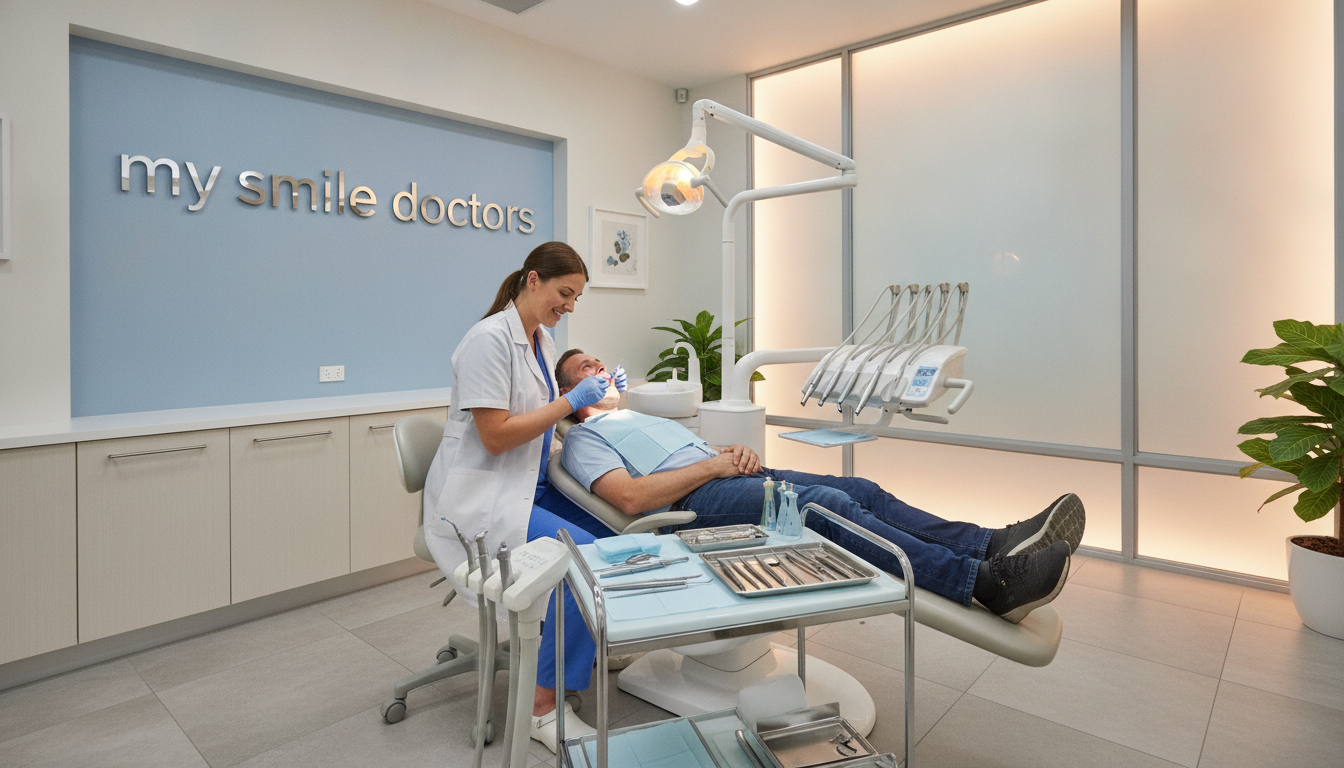
We know a sudden problem with your mouth or teeth can be upsetting. We offer prompt, compassionate care at our Parramatta clinic and will guide you through each step with calm, practical advice.
Call us on 02 8036 2411 for urgent attention to trauma, bleeding or severe pain. Acting quickly can improve the chance of saving a damaged tooth and preventing infection.
Our team provides clear instructions—how to keep a knocked-out tooth moist, when to apply a cold compress, and when to seek dental treatment. We assess, stabilise and advise on next steps with a focus on your comfort and long-term oral health.
For local support and trusted follow-up care, see our Parramatta page at experienced dentist Parramatta.
Key Takeaways
- Call 02 8036 2411 for prompt, compassionate urgent care.
- Quick action can save a tooth and stop infection.
- We give simple, practical steps for mouth injuries and bleeding.
- Our team focuses on comfort, clear advice and quality treatment.
- Visit our Parramatta clinic page for more information and follow-up care.
Understanding Dental Emergencies
A mouth injury or sharp toothache can feel alarming — knowing what to do first matters. A genuine dental emergency covers accidents to your teeth or mouth, severe pain, bleeding, infections and sudden facial swelling.
When you call our clinic we ask screening questions to triage your situation. This helps us prioritise care and book the right appointment time. We aim to answer all your questions so you feel supported.
Adults with a current Health Care Card or Pensioner Concession Card may be eligible for specified emergency care. Knowing problems early in the day makes treatment more effective for your teeth and overall health.
- Clear phone screening to assess risk and need.
- Clinic hours set to accept urgent appointments.
- Guidance on handling common dental problems until you arrive.
| Issue | What we ask | Typical action |
|---|---|---|
| Severe pain | Start time, intensity, medication | Urgent assessment, pain relief plan |
| Bleeding or swelling | Location, volume, breathing impact | Immediate triage, same-day appointment |
| Knocked-out tooth | Time since injury, storage of tooth | Quick retrieval steps, prompt treatment |
| Infection | Fever signs, spreading redness | Assessment, antibiotic guidance if needed |
We are dedicated to helping our patients manage oral health needs during any urgent issue. Contact us for a fast, caring appointment and clear next steps.
Immediate Actions for Emergency Dental Services
Knowing the right first steps helps calm you and gives the best chance of saving a tooth.
When to seek help
If you have trauma to the mouth or severe pain during the day, contact us promptly for advice and an appointment.
Seek help straight away if you notice spreading redness, fever, or heavy bleeding—these signs can indicate infection.
Holding a valid concession card may assist with costs when you visit our clinic.
Call during business hours so we can assess your needs and arrange urgent treatment if required.
Triage and assessment
We use focused screening questions to prioritise care. This helps us decide if you need same-day treatment or safe home care until your appointment.
| Situation | What we ask | Typical action |
|---|---|---|
| Severe pain | Onset, location, intensity | Pain relief plan, timely treatment |
| Signs of infection | Fever, swelling, spreading redness | Urgent assessment, possible antibiotics |
| Trauma to teeth | Time since injury, tooth storage | Immediate triage, prompt restoration steps |
Our team gives clear advice to help you manage symptoms while you wait. We aim to keep patients comfortable and informed at every step.
Managing a Knocked Out Tooth
When a tooth is knocked out, quick, calm action can make all the difference. We explain clear steps for adults and for little ones so you know what to do before your appointment.
Adult teeth
- Handle by the crown only — avoid touching the root or rubbing it.
- If the tooth is dirty, gently rinse it in milk; do not scrub the root.
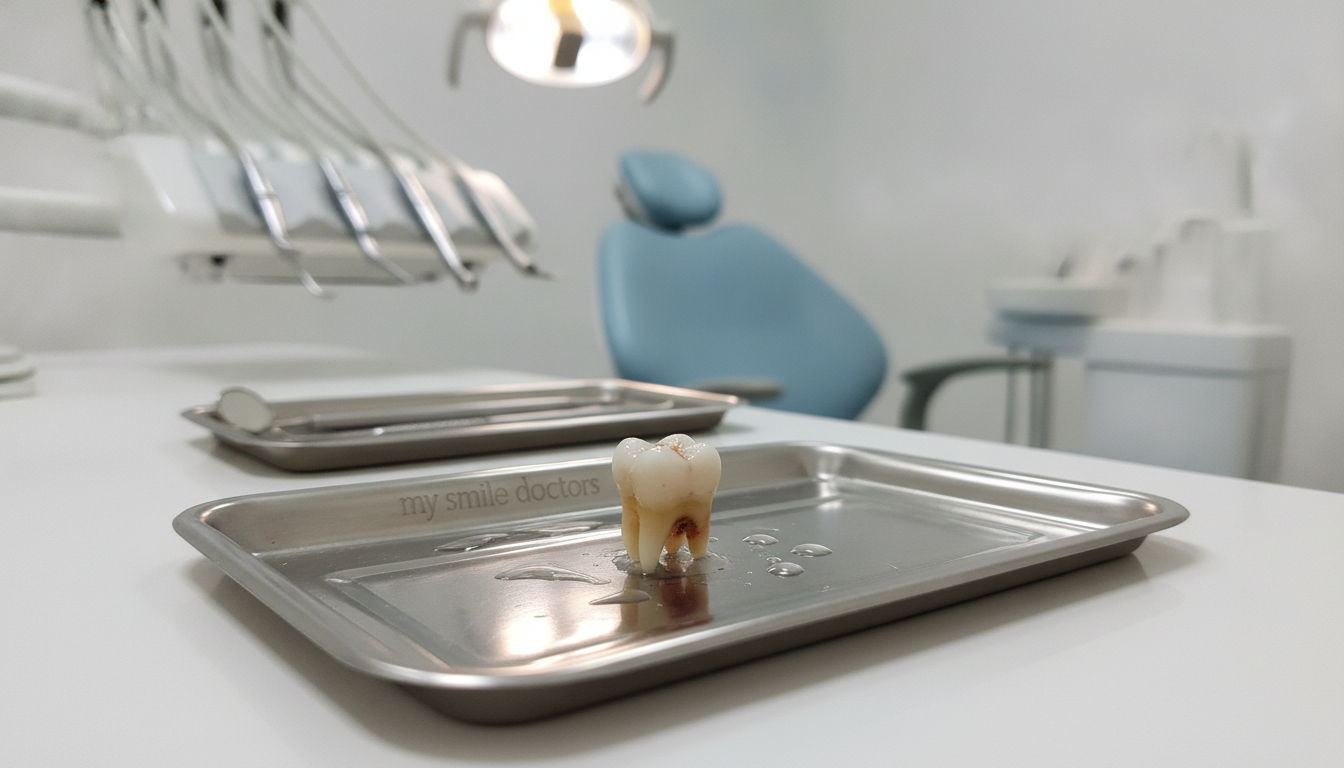
- If you can, try to replant the adult tooth using other teeth as a guide. If not, keep it moist in a container of milk or tucked inside the person’s cheek.
- Time is critical — seek treatment quickly to improve the chance of successful re-implantation.
Baby teeth
Do not attempt to replant a baby tooth — this risks damage to the developing adult tooth beneath the gum.
Bring the baby tooth with you to the appointment so we can assess any trauma to the mouth and plan safe care for the child.
Our team provides calm, expert care for adults and children who have experienced a knocked out tooth, and we will explain each treatment step when you arrive.
Dealing with Severe Toothache and Pain
A sudden, intense toothache can steal your focus and make simple tasks hard. We understand how upsetting that feels and aim to help quickly and kindly.
First, gently rinse your mouth with warm water to remove food and debris. If there is swelling, apply a cold compress to the outside of the cheek to reduce it and ease pain.
Do not place aspirin directly on the gum or aching tooth — this can burn soft tissue and make the problem worse.
If pain or jaw discomfort persists, please book an appointment so we can find the root cause and arrange appropriate treatment. Our emergency dental approach focuses on resolving the source of pain and restoring comfort.
We provide compassionate dental care and clear advice while you wait for your visit. Contact us if your toothache comes with jaw pain, fever or spreading swelling — these signs may need faster attention.
Addressing Abscesses and Facial Swelling
Facial swelling or a persistent, throbbing lump near a tooth can signal a serious infection that needs prompt attention.
If you notice a red, swollen gum or jaw, or a bad taste in the mouth, seek emergency dental care right away.
Difficulty swallowing, fever or spreading redness are warning signs that an infection may be spreading beyond the tooth and cheek. An abscess will not heal on its own.
We prioritise treatment that removes the source of the problem rather than only easing pain. This reduces risk to your overall health and helps protect nearby teeth.
- While you wait, apply cold packs to the cheek to reduce swelling and ease pain.
- Patients with a valid concession card can get support for urgent treatment.
- If a baby tooth or adult tooth is causing swelling, contact us for immediate assessment and clear advice.
For more practical information on managing an abscess or swelling, see our guide on fast emergency dental care for swelling.
Handling Chips, Fractures, and Cracks
A broken corner or hairline crack may not hurt now, yet it can quickly lead to bigger problems if left unchecked. We recommend you book an appointment so we can assess the extent of the injury and protect the tooth.
Check for warning signs: look for a pink or dark spot on the tooth — this can mean the nerve is exposed and needs urgent care. If you feel sharp edges or notice a change in bite, please contact us.
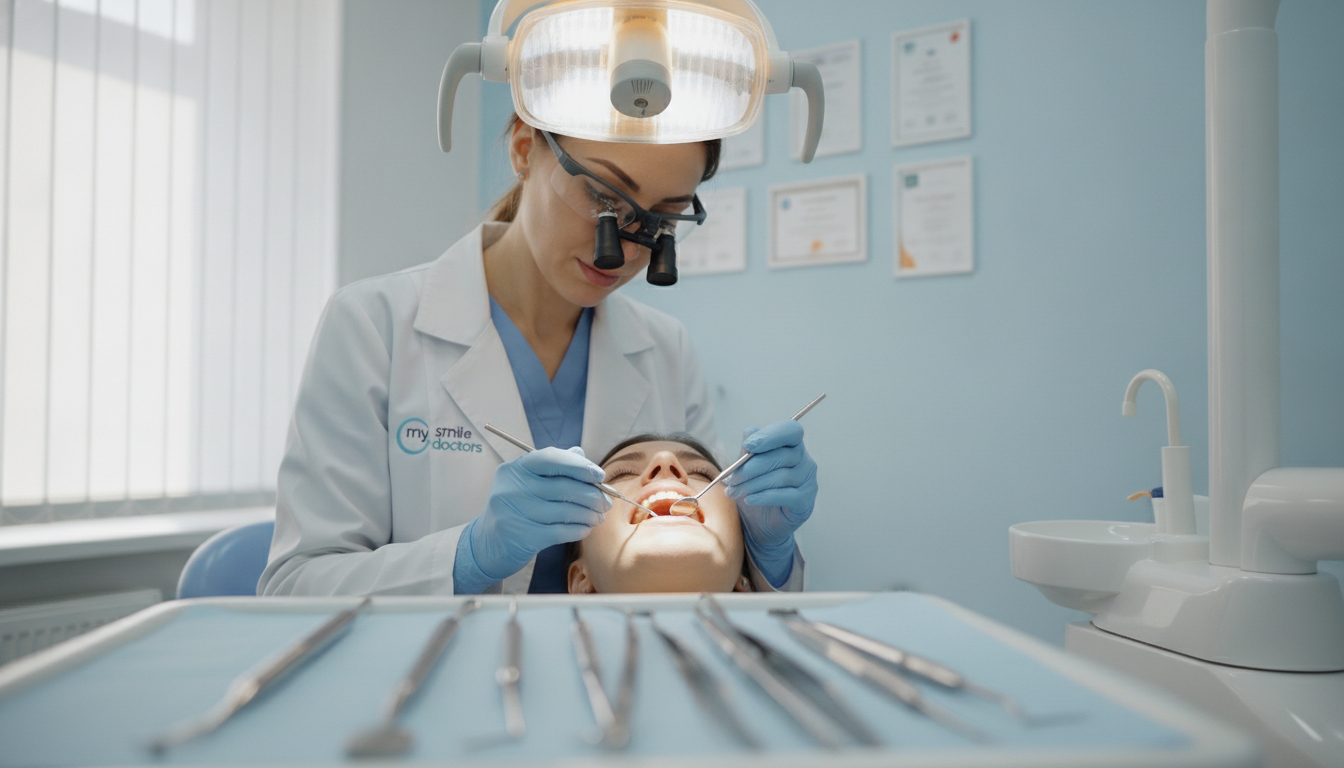
Our team treats trauma with precision, using modern dental treatment to restore function and appearance. Even small chips benefit from early attention to avoid root problems or further damage to nearby teeth.
- If pain or pink shows: seek dental advice straight away — we prioritise these cases.
- If damage is minor: still arrange a check so we can prevent long-term issues.
- What we do: stabilise, repair and explain follow-up care for lasting results.
We know a tooth injury can be upsetting. Our aim is to provide calm, expert care and clear options for your long-term oral health.
First Aid for Bitten Lips or Cheeks
When you cut or bite your cheek, simple steps can stop bleeding and lower the risk of infection.
Apply firm pressure with a clean bandage or gauze for at least 10 minutes. Sit upright — do not lie flat — to help reduce blood flow and manage the wound.
If bleeding continues after 10 minutes, seek medical attention straight away. Persistent bleeding may indicate a deeper injury or a higher risk that needs expert review.
After the wound has slowed, rinse gently with warm salt water. This promotes healing and helps reduce the risk of infection in the mouth.
“Apply pressure, stay upright, and use warm saltwater rinses to help recovery.”
Watch for ongoing pain, swelling in the jaw or gum, or signs of spreading redness. If these occur, please book an appointment so we can assess soft tissue damage and plan care.
- Pressure: 10 minutes minimum.
- Position: sit upright to control flow.
- Aftercare: warm saltwater rinses to aid healing.
| Issue | Immediate action | When to seek help |
|---|---|---|
| Minor bite to lip or cheek | Firm pressure, warm saltwater rinses | If pain resolves within 24–48 hours |
| Bleeding that won’t stop | Apply pressure, remain upright, seek medical review | After 10 minutes of continuous bleeding |
| Persistent pain or swelling | Avoid irritants; rinse gently with water, monitor | If jaw or gum swelling persists — book an appointment |
Managing Jaw Pain and Discomfort
Waking with a sore jaw or finding it hard to open your mouth are signs you should seek professional assessment.
To ease immediate pain, apply a cold compress to the cheek for 10–15 minutes and take pain medicine as directed by a healthcare professional. Rinse gently with warm water if the area needs cleaning.
If you can’t open your mouth, feel severe swelling or notice bleeding from the gum or mouth, contact us for prompt advice and an appointment.
Some people mistake heart pain for jaw pain — if you feel chest tightness, shortness of breath or other worrying symptoms, please seek medical help straight away.
While you wait for treatment, we offer clear guidance on self-care and simple steps to reduce discomfort. We will work with each person to diagnose the cause and plan appropriate treatment that protects long‑term oral health and general health.
“We are dedicated to your comfort and will support you through assessment, treatment and recovery.”
- Apply cold packs and avoid hard foods.
- Follow medication directions and keep hydrated with water.
- Book an appointment if pain, swelling or bleeding persists.
Visiting Our Parramatta Dental Clinic
We welcome you to our Parramatta practice and aim to make each visit calm, efficient and reassuring.
Please call us on 02 8036 2411 to book an appointment for any urgent dental problems you or your children are facing. Our team will try to accommodate your request as quickly as possible during the day.
Location details
We are at 37 Grose St, Parramatta, NSW 2150, Sydney, Australia. The clinic is easy to reach and set up to provide care for adults and children in a comfortable setting.
- Bring your concession card if you have one — we can explain cost information at reception.
- We treat tooth pain, breaks and other pressing dental problems for both children and adults.
- Call ahead to secure an appointment and get clear information about what to bring and expect.
“Our priority is prompt, compassionate care that protects your oral health and comforts the whole family.”
Conclusion
When tooth or mouth problems arise, quick, calm action helps you get back to normal.
We are dedicated to providing compassionate care at our Parramatta clinic and to keeping your comfort front of mind. Call 02 8036 2411 to arrange an urgent appointment and speak with our team.
Our staff offer practical, expert help for tooth, jaw or mouth injuries — from stabilising a knocked tooth to advising on swelling and pain relief. Trust our experienced team to act promptly and support your recovery.
For local follow-up and trusted information, see our Parramatta clinic page and feel confident that help is close at hand.
FAQ
What counts as an urgent tooth problem and when should we call 02 8036 2411?
Call us right away if you have severe pain, uncontrolled bleeding, a tooth knocked out, a swelling that affects breathing or swallowing, or a high fever with mouth pain. These signs can indicate a serious issue needing prompt care at our Parramatta clinic.
What should we do immediately if a permanent tooth is knocked out?
Handle the tooth by the crown only, rinse gently with water if dirty—do not scrub—then try to reinsert it into the socket if the person is conscious. If reinsertion isn’t possible, store the tooth in milk or Save-A-Tooth solution and come to our clinic as soon as possible; time is critical for replantation.
What if a baby tooth is knocked out instead of an adult tooth?
Do not reinsert a knocked-out baby tooth. Contact our team for advice—usually we monitor and manage to avoid damage to the developing adult tooth. Keep the area clean and seek assessment to prevent infection.
How can we manage severe toothache at home before arrival?
Rinse the mouth with warm salt water, floss gently to remove trapped food, take over-the-counter pain relief such as paracetamol or ibuprofen if suitable, and apply a cold pack to the outside of the cheek for swelling. Avoid placing aspirin directly on the gum. Contact us to arrange prompt treatment.
What are signs of a dental abscess or serious facial swelling?
Look for persistent throbbing pain, a swollen cheek or jaw, redness, fever, difficulty opening the mouth or breathing, and a bad taste from a draining gum. These could signal an infection that needs urgent antibiotics and dental care to prevent spread.
How do we handle chips, fractures or cracks in a tooth?
Save any large fragments in milk and bring them with you. Rinse the mouth with warm water, apply a cold pack for swelling, and avoid chewing on the damaged side. We will assess the crack or chip and recommend bonding, crown, or other restorative options depending on severity.
What first aid should we give for bitten lips or cheeks?
Clean the area with water, apply gentle pressure with a clean dressing to stop bleeding, and use a cold pack to reduce swelling. If bleeding won’t stop, the cut is deep, or there are signs of infection, seek urgent care—stitches may be needed.
What causes jaw pain and when is it urgent?
Jaw pain can come from trauma, tooth infections, jaw joint disorders (TMJ), or impacted wisdom teeth. Seek urgent assessment if pain follows an injury, limits opening the mouth, or is accompanied by fever, swelling or numbness.
How does our Parramatta clinic handle triage and assessment on arrival?
We prioritise patients by severity—those with airway compromise, uncontrolled bleeding, or spreading infection are seen immediately. Our team performs a focused exam, takes necessary X-rays, and discusses treatment and pain-control options to get you comfortable quickly.
What are your clinic hours and how do we make an appointment after hours?
We offer extended weekday hours and selected weekend times for urgent care. If you need help outside regular hours, call 02 8036 2411 and follow the after-hours instructions; we provide advice and arrange the earliest possible appointment.
Do you treat children and infants for mouth injuries or tooth pain?
Yes—we care for babies, children and adults. For infants and toddlers, prompt assessment matters when a baby tooth is injured or if there’s bleeding, swelling or feeding difficulty. We use a calm, child-friendly approach to reduce anxiety.
Will you accept concession cards or provide information about costs?
We welcome enquiries about payment options and concession cards—please call before your visit for details. We’ll explain treatment costs, any urgent procedures required, and follow-up care so you can make an informed choice.
Can a toothache be a sign of something more serious than a cavity?
Yes. Deep tooth pain can signal nerve inflammation, an abscess, cracked tooth, or referred pain from sinus or jaw joints. If pain is severe, persistent or accompanied by swelling or fever, seek prompt assessment to prevent complications.
What should we bring to our appointment to help with treatment?
Bring photo ID, any concession card, a list of medications, and details about the incident if applicable (when it happened, how). If you have a knocked-out tooth, bring it stored in milk or a suitable solution. This helps us plan quicker, more effective care.
How do we reduce the risk of dental trauma during sports or play?
Use a professionally fitted mouthguard for contact sports, supervise young children during play, remove hazardous items from mouths during activities, and ensure safe environments. Prevention reduces the chance of tooth loss or facial injury.