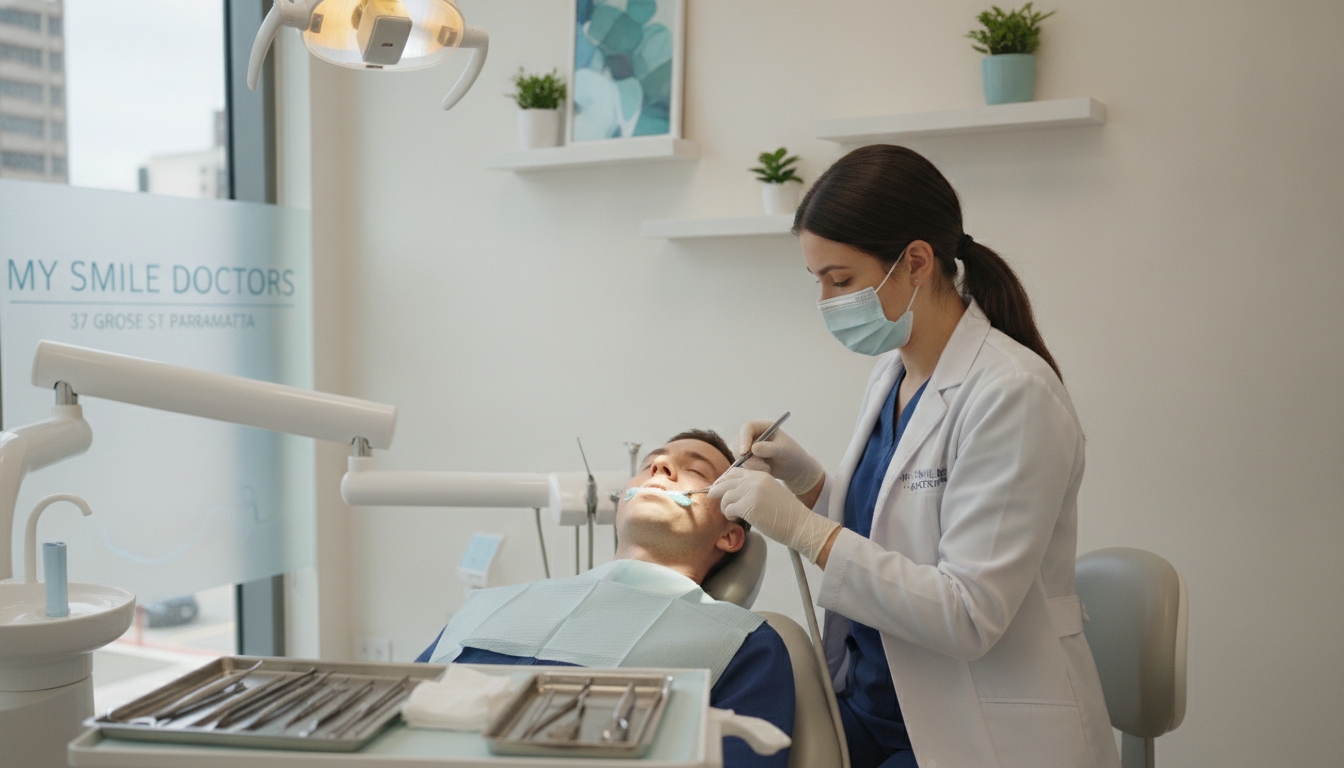
We welcome you to our clinic at 37 Grose St, Parramatta, NSW, 2150. Our team offers calm, professional care for anyone facing a dental procedure, and we focus on comfort and long-term oral health.
If you feel worried, we understand — and we will listen. Call 02 8036 2411 to speak with our friendly staff and arrange a consultation. Our dentist will explain each step and tailor care to your needs.
We aim to make every visit straightforward. Whether you are a new or returning patient, we perform every removal with precision and compassion. Maintaining your teeth supports overall health, and we are here to help you stay pain-free.
Key Takeaways
- Visit us at 37 Grose St, Parramatta for friendly, expert care.
- Call 02 8036 2411 for urgent dental concerns or to book.
- We focus on comfort and clear communication throughout the procedure.
- Our dentist team provides precise treatment in a calm environment.
- Keeping your teeth healthy supports your overall health and well‑being.
Understanding the Tooth Extraction Procedure
Knowing the steps ahead helps you feel calm and confident during care. We explain the difference between simpler removals and more involved surgery so you can choose with clear information.
Simple versus Surgical
Simple removals suit a visible tooth that the dentist can grasp with forceps. The process is quick, and healing is usually straightforward.
Surgical cases apply when a tooth is impacted, broken at the gum line, or not fully emerged. Surgery may involve small incisions or bone removal for safe access.
Anaesthesia and Comfort
We use a local anaesthetic to numb the area and prevent pain. If you feel anxious, we offer sedation options so you remain relaxed throughout the appointment.
Our team will select the best anaesthetic and method based on your health, the complexity of the case, and your comfort needs.
“We aim to make care gentle and predictable — your comfort is our priority.”
| Type | When Used | Typical Tools |
|---|---|---|
| Simple | Visible tooth, straightforward removal | Forceps, elevators |
| Surgical | Impacted or broken tooth, complex access | Scalpel, bone files, sutures |
| Comfort | All procedures | Local anaesthetic, sedation options |
- Our dentist assesses each case and recommends the right approach.
- Choosing the correct anaesthetic and technique helps make the visit stress-free.
Common Reasons for Needing a Tooth Removed
Certain dental problems commonly lead us to recommend removal as the best way to protect your mouth.
Severe decay can destroy the internal structure so much that repair is no longer safe or reliable. In those cases, we may need to remove the damaged unit to protect nearby teeth and overall oral health.
Advanced gum disease weakens the supporting tissue and bone. When a support problem threatens adjacent teeth, our dentist may advise removing the affected unit as the safest option.
If you have a deep infection or abscess, removing the infected part can stop bacteria spreading to other areas. Trauma from an accident can also cause severe damage — sometimes a surgeon is required to perform careful removal.
- You may need a tooth removed if decay or damage leaves the structure unsalvageable.
- Severe gum disease that compromises support often leads to removal to protect remaining teeth.
- Deep infection or injury may require removal to prevent further problems.
- Orthodontic treatment sometimes means removing a unit to create space for proper alignment.
Our dentists always evaluate every condition and explain why a removal is recommended. We only choose this route when other restorative treatment is no longer viable and your long‑term comfort and health are best served by removal.
Preparing for Your Dental Appointment
A calm plan before your visit gives us the best view of your mouth and helps your appointment run smoothly. We will ask a few key questions so we can tailor care and reduce surprises on the day.
Medical History and Dental X-rays
Our dentist will review your medical history at the start. This helps us confirm that the proposed treatment is safe and suited to your needs.
We take high-quality dental X-rays to examine the roots, bone and surrounding gum tissue. These images let us plan a precise approach and spot any hidden issues before we begin.
- We check medications and allergies so recovery is smooth and risks are minimised.
- If you need tooth removal, knowing your health background helps us anticipate complications.
- Our team explains each step so you feel confident about the care for your teeth.
We aim to make your visit calm and clear — thorough preparation makes for safer, more comfortable treatment and better long‑term oral health.
What Happens During a Tooth Extraction
Here is what happens in the chair — a calm, step‑by‑step summary of the process.
We first numb the area with a local anaesthetic so you do not feel pain during the procedure. The anaesthetic works quickly and keeps you comfortable for the day.
Once numb, the surgeon uses specialised forceps to gently loosen the unit from its socket in the jawbone. You may feel pressure, but not pain.
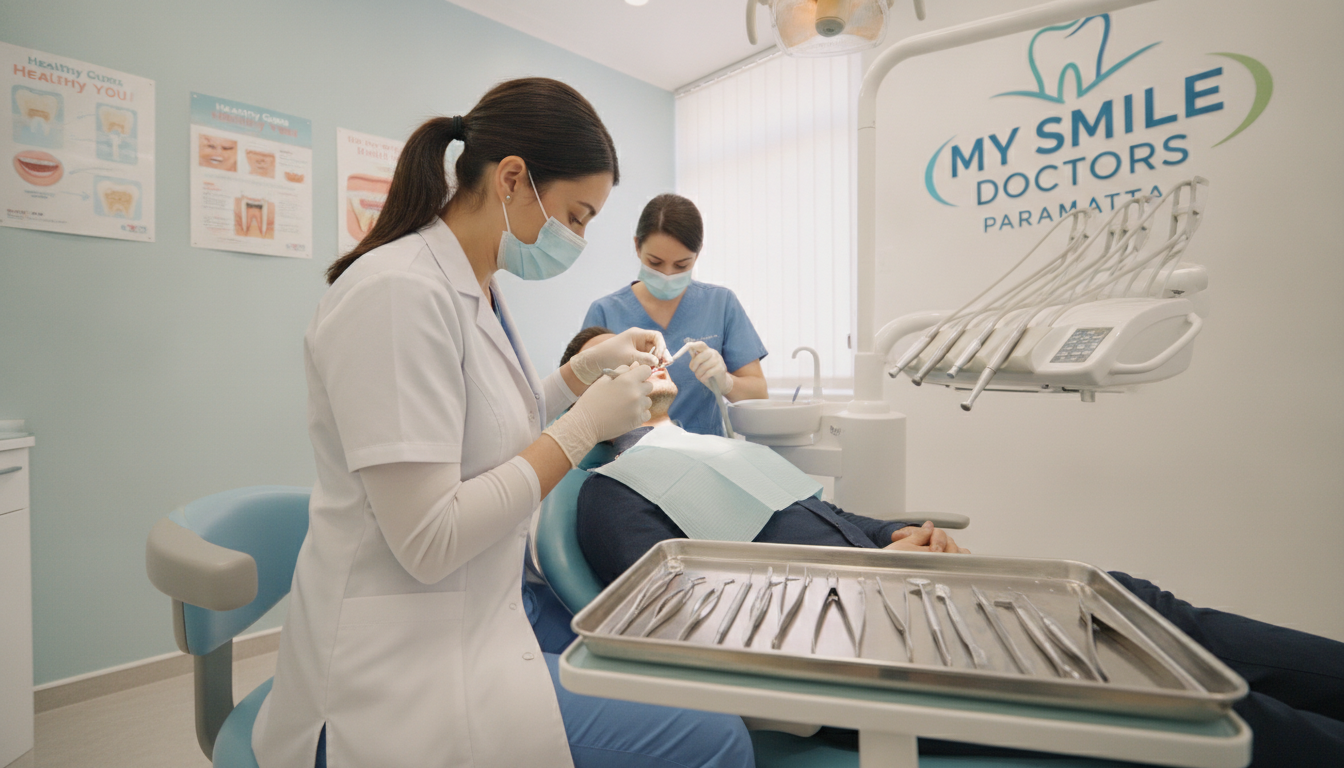
After the unit is removed, we clean the site carefully, removing any damaged tissue and taking care of the surrounding bone and gum. We may place a stitch if the socket needs closing.
To control bleeding, you will bite on gauze for a short time — bleeding usually reduces within a few hours. Our team checks you before you leave and gives clear aftercare steps so the blood clot forms and healing begins.
| Step | Instrument | Immediate Care |
|---|---|---|
| Anaesthesia | Local anaesthetic | Numbness, no pain |
| Removal | Forceps / surgeon | Gentle pressure, tooth removed |
| Site care | Cleaning / stitch | Gauze to stop bleeding |
Managing Pain and Discomfort
Most people feel some discomfort once the anaesthetic fades, but simple steps help control it.
Expect mild pain and swelling for a short period. These symptoms typically ease within a few days, and resting helps the healing process.
Our dentist may recommend prescription or over‑the‑counter medication to keep you comfortable at home. Follow dosing advice carefully and avoid mixing medicines without checking with us.
- Use an ice pack on the cheek in short intervals during the first day to reduce swelling.
- Keep your head elevated while resting to limit bleeding and lessen discomfort.
- If bleeding is heavy or your pain increases, contact our clinic straight away for advice.
We are committed to your recovery and will give a clear care plan before you leave. If you have questions during the days after your appointment, call us — we will support you through each step.
Essential Aftercare for Your Mouth
Simple habits in the first days after treatment protect the healing site and promote comfort. We provide clear steps so you — and your mouth — recover safely.
Controlling Bleeding with Gauze
Bite gently on gauze for the first few hours. This helps a stable blood clot form in the socket and reduces bleeding.
If bleeding continues beyond a few hours, replace the gauze and rest upright. Contact our clinic if heavy bleeding persists.
Protecting the Blood Clot
Do not rinse or spit forcefully for the first 24 hours — this prevents dislodging the clot that protects bone and tissue.
Avoid smoking, sucking through a straw or vigorous activity for at least 48 hours to lower the risk of dry socket and infection.
Maintaining Oral Hygiene
Keep your mouth clean by brushing other teeth gently and rinsing with salt water only after 24 hours if advised by our dentist.
Healing usually takes about two weeks. Rest for a few days and follow all care instructions to support a smooth recovery.
“Protecting the clot is the most important part of recovery — it acts as a natural bandage for the bone and soft tissue.”
- Gauze: bite for several hours to form a clot in the socket.
- Avoid rinsing for 24 hours to prevent dislodging the clot.
- Brush gently around the area and rest for a few days.
- Call us if you see signs of infection — persistent pain or swelling.
| Care Step | When | Why it matters |
|---|---|---|
| Bite gauze | First hours | Forms stable clot to stop bleeding |
| Avoid rinsing/smoking | First 24–48 hours | Prevents clot dislodgement and dry socket |
| Gentle oral hygiene | After 24 hours | Reduces infection risk without disturbing site |
| Rest & avoid exercise | First few days | Limits bleeding and aids recovery |
Foods to Eat During Recovery
What you eat in the first few days can make a big difference to how quickly you recover. We recommend gentle options that protect the healing site and keep you comfortable.
Stick to soft foods for the first 48–72 hours. Good choices include creamy yoghurt, warm soups and mashed potato — all kind on sensitive teeth and the surrounding mouth.
Avoid crunchy or hard food that could irritate the area or create decay-related sensitivity. Do not use a straw for at least 24 hours — suction can dislodge the clot and delay recovery.
- First few days: focus on nourishing, low-chew meals like blended soup and mashed vegetables.
- Keep hydrated, but sip gently — no straws on the first day.
- After 24 hours, rinse gently with warm salt water if we advise it to support oral health.
Choosing the right foods supports your body’s natural recovery and helps you feel more comfortable each day. If you need tailored advice, call our clinic — we will guide you through meal choices that suit your healing plan.
Potential Complications to Watch For
After a removal, be alert for signs that something needs prompt attention. Most people heal well, but a few issues can occur in the days after their appointment.
Pain and swelling are common at first. These usually ease with rest, cold packs and the medicines we recommend.
If you notice persistent swelling, increasing redness, or discharge from the site, contact us right away — these are signs of possible infection.
A dry socket happens when the protective clot is lost from the socket. This can cause sudden, intense pain and exposed bone or tissue. It needs professional care to relieve pain and protect healing.
- Watch for heavy bleeding that does not slow after a few hours.
- Seek help for severe or worsening pain that does not respond to medication.
- Report fever, spreading swelling, or a bad taste — these can signal infection.
- Protect the clot by following aftercare — avoid smoking, straws and vigorous rinsing.
“If you feel unwell or see unusual bleeding or discharge, call us so we can check the site and prevent further damage.”
| Issue | What to look for | Action |
|---|---|---|
| Pain / Dry socket | Sharp, intense pain; exposed bone or foul taste | Contact clinic for assessment and pain relief |
| Infection | Persistent swelling, redness, discharge, fever | Antibiotics and review by dentist |
| Bleeding | Continuous bleeding after gauze use | Return for advice; apply firm pressure until seen |
| Tissue damage | Unusual numbness or prolonged discomfort | Examination to check healing and nerve status |
When to Contact Your Dentist
Prompt contact with your dentist can prevent small problems becoming serious. If you have a fever over 38°C after a tooth removal, call us — this may signal an infection that needs attention.
If you experience severe pain that your medication does not control, or if bleeding does not slow after a few hours, contact the clinic straight away.
If the blood clot has been dislodged from the socket, this often causes sharp pain and needs a professional review to protect the site and reduce further blood loss.
- Please call if swelling gets worse instead of better after the first day — increasing swelling can mean infection.
- Reach out if you feel unwell, notice ongoing bleeding, or see discharge in the area of the healing site.
- We are here to support your recovery — never hesitate to phone if something in your mouth feels wrong.
“Your comfort and safety are our top priorities — we are always available to help during recovery.”
Understanding the Costs and Insurance
Understanding likely costs helps you plan and avoid surprises on the day of treatment. Fees vary with complexity — a simple removal under local anaesthetic will differ from a surgical procedure that involves bone work or a specialist surgeon.
Before you book, we provide a clear written quote with all item numbers so you can check cover with your private health insurer. If you have questions about benefits or eligibility for public oral health services, our team will help you find the right pathway.
We offer sedation options and will explain how these choices affect total fees. We also assess whether a general dentist can manage your case or if a surgeon is needed, which can change the cost and timeline.
- Transparent quotes with item numbers before any treatment.
- Check private policy for general or major dental benefits.
- Discuss sedation, anaesthetic and surgeon options — we explain cost impacts.
- Information on public services if you may be eligible.
“We are committed to clear, honest pricing so you can choose the best care for your condition.”
Visiting Our Parramatta Clinic
At 37 Grose St, Parramatta, we combine advanced equipment with a warm, patient‑centred approach. Our location in Sydney, Australia is easy to reach and set up to make every visit calm and efficient.
We are proud to serve the Parramatta community from a modern facility designed for comfort. Our team focuses on clear communication and compassionate care, so you feel supported from arrival to follow‑up.
Our clinic provides a full range of dental services in an environment that respects your time and dignity. We have invested in up‑to‑date technology to keep appointments safe, fast and stress‑free.
- Convenient address: 37 Grose St, Parramatta, NSW, 2150.
- A welcoming space built for patient comfort and privacy.
- Expert team committed to high standards of oral health care.
If you need assistance or want to learn more about our options, call us or visit our dentist Parramatta page for practical details and booking information. We welcome patients from across the region and aim to make your visit positive and reassuring.
Contacting Our Team for Assistance
For quick answers and friendly guidance, our team is only a phone call away.
Call 02 8036 2411 for any questions or to book an appointment with our dentist. We will talk you through the procedure and any treatment options that suit your needs.
If you need round‑the‑clock advice, Healthdirect is available on 1800 022 222 for 24/7 health support.
- If you have questions about your upcoming procedure, call our friendly team for immediate assistance.
- We provide clear information on sedation and anaesthetic choices to keep you comfortable.
- Our dentist and surgeon work together to deliver careful, coordinated care for your teeth and oral health.
- For urgent advice outside clinic hours, contact Healthdirect on 1800 022 222.
- We aim to make our services accessible — reach out whenever you need help or guidance.

| Contact | When to Use | Purpose |
|---|---|---|
| 02 8036 2411 | Clinic hours | Bookings, treatment questions, sedation options |
| Healthdirect 1800 022 222 | After hours / urgent | 24/7 health advice |
| Clinic reception | Any time during opening | Information on services and follow‑up care |
“We are committed to your well‑being and ready to assist with any concerns about your care.”
Conclusion
We want you to leave with confidence — knowing what to expect and who will support you matters most.
We hope this guide has given clear information to help you feel ready for a tooth extraction and the steps that follow.
Prioritising your oral health brings real benefits — less pain, quicker recovery and better long‑term teeth care.
Our team at 37 Grose St, Parramatta is here to provide compassionate, professional support for every stage of your treatment and recovery.
If you have further questions or need personalised advice, call us on 02 8036 2411 — we are ready to help you plan the best path for your health.
FAQ
What should I expect at 37 Grose St Parramatta for my appointment?
We greet you warmly, review your medical history and take any necessary X‑rays. We explain the procedure, discuss anaesthesia options and answer questions so you feel comfortable before we begin.
What is the difference between a simple and a surgical removal?
A simple removal involves an elevated crown and forceps and is done when the tooth is visible. A surgical procedure may need an incision or bone work if the tooth is impacted or below the gum line — we’ll explain which is best for your situation.
What anaesthesia choices are available to keep me comfortable?
We offer local anaesthetic as standard to numb the area. For anxious patients, we can discuss inhalation sedation (nitrous oxide) or IV sedation with a qualified practitioner — your safety and comfort guide our recommendation.
Why might I need to have a tooth removed?
Common reasons include severe decay, infection that won’t respond to treatment, advanced gum disease, overcrowding before orthodontics, or a damaged tooth that can’t be restored.
How should I prepare for my dental appointment?
Come with a list of medications and a recent medical history. Avoid heavy meals if advised for sedation, organise transport if you’ll be sedated, and arrive a little early to complete any paperwork.
What happens during the procedure?
After anaesthesia, we use gentle, controlled techniques to remove the tooth. We clean the socket, place gauze to help bleeding and may apply sutures if needed. The whole process is monitored for your comfort.
How will pain and swelling be managed afterwards?
We provide pain relief guidance — commonly paracetamol or ibuprofen — and may prescribe stronger analgesics or antibiotics if needed. Cold packs and rest help limit swelling in the first 24 hours.
How do I control bleeding at home?
Bite gently on the provided gauze for 30–60 minutes. Replace with clean gauze if bleeding continues. Keep your head elevated and avoid spitting or rinsing forcefully during the first 24 hours.
How can I protect the blood clot in the socket?
Avoid smoking, using straws, spitting or vigorous rinsing for several days. Stick to soft foods and gentle oral care, and follow any special instructions we give to reduce the risk of a dry socket.
What oral hygiene should I maintain during healing?
You can brush gently away from the surgical site and resume careful saline rinses after 24 hours to keep the area clean. Continue regular dental hygiene while being gentle around the socket.
What foods are best during recovery?
Choose soft, nourishing options like yoghurt, mashed potatoes, smoothies (no straws), soups that aren’t hot, scrambled eggs and well‑blended porridge. Avoid hard, crunchy or spicy foods until healed.
What complications should I watch for after the procedure?
Contact us if you notice persistent heavy bleeding, increasing pain after 48–72 hours, swelling that worsens after 72 hours, fever, a bad taste or smell from the site, or numbness lasting longer than expected.
When should I call the dentist or surgeon?
Call us promptly for signs of infection, uncontrolled bleeding, severe pain not helped by medication, or if you’re concerned about healing — early assessment helps prevent worse problems.
How are costs and insurance handled for removals?
We provide a clear quote before treatment and can advise on private health insurance rebates. Costs vary with complexity — simple procedures cost less than surgical removals or sedation — and we’re happy to discuss payment options.
What should I know about visiting our Parramatta clinic?
Our modern clinic at 37 Grose St offers a calm, comfortable setting with experienced clinicians and up‑to‑date technology. We focus on anxiety‑free care and personalised treatment plans for busy families and professionals.
How can I contact the team for help or to book an appointment?
Call us on 02 8036 2411 to book or discuss concerns. We’ll arrange a time that suits you, explain preparation steps and ensure you feel supported from booking through recovery.