We believe a confident smile starts with steady daily care. Dr Rena D’Souza reminds us that looking after your teeth across life helps you speak, taste and smile clearly. Our clinic in Parramatta offers practical guidance and gentle treatment to support long-term oral health.
We provide the best oral hygiene tips to keep your teeth and gums in peak condition. Every tooth deserves personalised care to prevent decay and discomfort.
Call us on 02 8036 2411 to discuss how our team can improve your daily routine. We combine modern techniques with a compassionate approach to make visits calm and effective.
Key Takeaways
- Consistent care protects teeth and supports overall health.
- Personalised treatment prevents long-term damage.
- Our team offers gentle, modern care for teeth gums.
- Good oral health helps you speak and smile with confidence.
- Contact us on 02 8036 2411 to arrange a friendly consultation.
The Importance of Maintaining Good Oral Hygiene Tips
Consistent care is the single best defence for healthy teeth and gums.
Establishing strong daily habits lays the foundation for long-term health. Simple actions at home prevent decay and costly treatment later.
We focus on personalised support — modern techniques delivered in a calm, reassuring setting. This keeps your teeth strong and your gums firm as you age.
“Prioritising your oral health today is a commitment to your future well-being.”
- Consistent care reduces the risk of systemic problems linked to poor dental health.
- Personalised guidance helps you maintain a bright, resilient smile.
- Our team combines expertise with gentle support for every patient.
| Focus | Daily Action | Benefit |
|---|---|---|
| Teeth cleaning | Two-minute brushing, twice daily | Removes plaque and reduces decay |
| Gum care | Gentle gum massage and interdental cleaning | Prevents inflammation and keeps gums firm |
| Regular review | Dental check-ups every 6–12 months | Early detection and long-term protection |
We are here to support your journey. Small, steady steps today make a big difference for your oral health tomorrow.
Mastering Your Daily Brushing Technique
A reliable brushing routine is the foundation of strong teeth and lasting mouth health. We focus on clear steps you can repeat each day to reduce plaque and guard against tooth decay.
The Two Minute Rule
Spend at least two minutes brushing — twice day — to clean all surfaces effectively.
Set a timer or use a playlist. Two focused minutes removes surface plaque and lowers bacteria counts. Replace your toothbrush or brush head every three months to keep bristles effective.
Proper Brushing Motions
Use a soft-bristle toothbrush and a fluoride toothpaste to protect enamel. Hold the brush at a slight angle along the gum line and use small, circular motions.
- Clean outside, inside and chewing surfaces — cover every tooth.
- Brush your tongue to reduce bacteria and freshen breath.
- Be gentle at the gum line to avoid irritation while removing plaque.
We are here to show you the best way to brush so your teeth and gums stay healthy with simple, steady care.
The Essential Role of Flossing
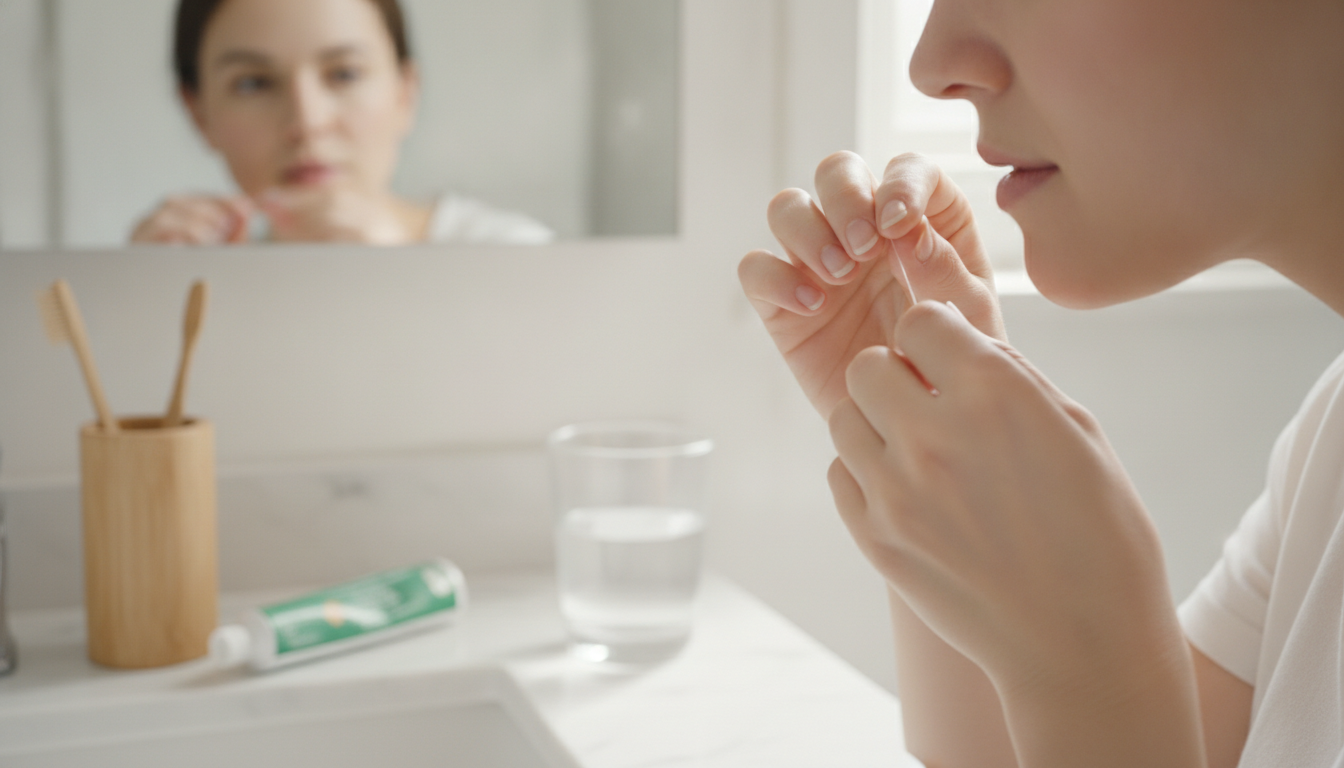
Daily flossing reaches the places a brush cannot and protects the gaps between teeth.
We recommend flossing at least once a day to remove plaque and trapped food. This step complements brushing and keeps your mouth free from excess bacteria.
Techniques for Effective Cleaning
Use a clean length of floss and guide it gently between each tooth. Curve the floss around the side of the tooth and slide it below the gum line to lift away debris.
Be gentle—avoid snapping the floss, which can harm the gum. Take time and work methodically so each tooth gets attention.
“Small daily actions — like careful flossing — prevent larger problems later.”
- Remove food particles and reduce bacteria between teeth.
- Protect your tooth structure and keep gums firm.
- Pair flossing with regular brushing for complete care.
| Action | How to do it | Why it matters |
|---|---|---|
| Floss once a day | Use 45cm of floss, curve around each tooth | Removes plaque where the brush can’t reach |
| Gentle motion | Slide below the gum line without forcing | Prevents inflammation and bleeding |
| Consistent routine | Make it part of your daily care | Reduces risk of disease and decay |
Choosing the Right Dental Tools
The tools you choose shape how well your teeth and gums stay healthy each day.
Pick a soft-bristle toothbrush — it cleans thoroughly while protecting the gum and tooth roots. Replace the brush every three months so the bristles remain effective at removing plaque.
Consult your dentist about the best toothpaste and floss for your needs. A tailored choice supports any ongoing treatment and reduces the risk of disease.
- Soft bristles protect sensitive gum tissue and clean well.
- Use the right size brush so every tooth is reachable.
- Quality tools are a small investment that prevents bigger problems.
- We can help you select toothbrushes, toothpaste and floss that suit your routine.
Good tools make daily care easier and help your teeth gums stay strong long term. Our team offers practical advice to match products with your mouth and treatment plan.
Dietary Habits for Stronger Enamel
Simple dietary changes can make a big difference to your tooth enamel and long‑term health. We focus on practical swaps you can use every day to reduce decay risk and protect teeth.
Foods to Avoid
Limit sugary food and sticky snacks — they cling to teeth and feed bacteria that cause cavities. Acidic fruits and confectionery soften enamel, increasing the risk of tooth decay.
- Avoid frequent snacking on sugary or sticky items.
- Choose crunchy vegetables and cheese to help neutralise acids and strengthen enamel.
Drinks for Dental Health
Drink plenty of water during the day to wash away sugars and keep your mouth hydrated. Avoid acidic drinks like soda and many fruit juices; these wear tooth enamel faster.
“Water is the simplest way to protect teeth between meals.”
Use a fluoride toothpaste and an antiseptic mouthwash for extra defence after meals. Rinsing with mouthwash removes debris and lowers bacteria until your next brush.
| Item | Effect on Enamel | Recommended Action |
|---|---|---|
| Soda / Soft drinks | High acid and sugar — accelerates enamel wear | Replace with water; limit to occasional drinks |
| Fruit juices | Often high in sugar — raises cavity risk | Dilute with water or eat whole fruit instead |
| Cheese, nuts | Neutralise acid and support enamel | Include as snacks to protect teeth |
| Water | Neutral and hydrating — supports mouth health | Drink throughout the day; first choice after meals |
For detailed guidance on diet and dental health, see our review of nutrition and disease prevention at diet and dental health. If you have questions about how food affects your treatment, view our frequent questions or talk to your dentist.
Protecting Your Gums from Disease
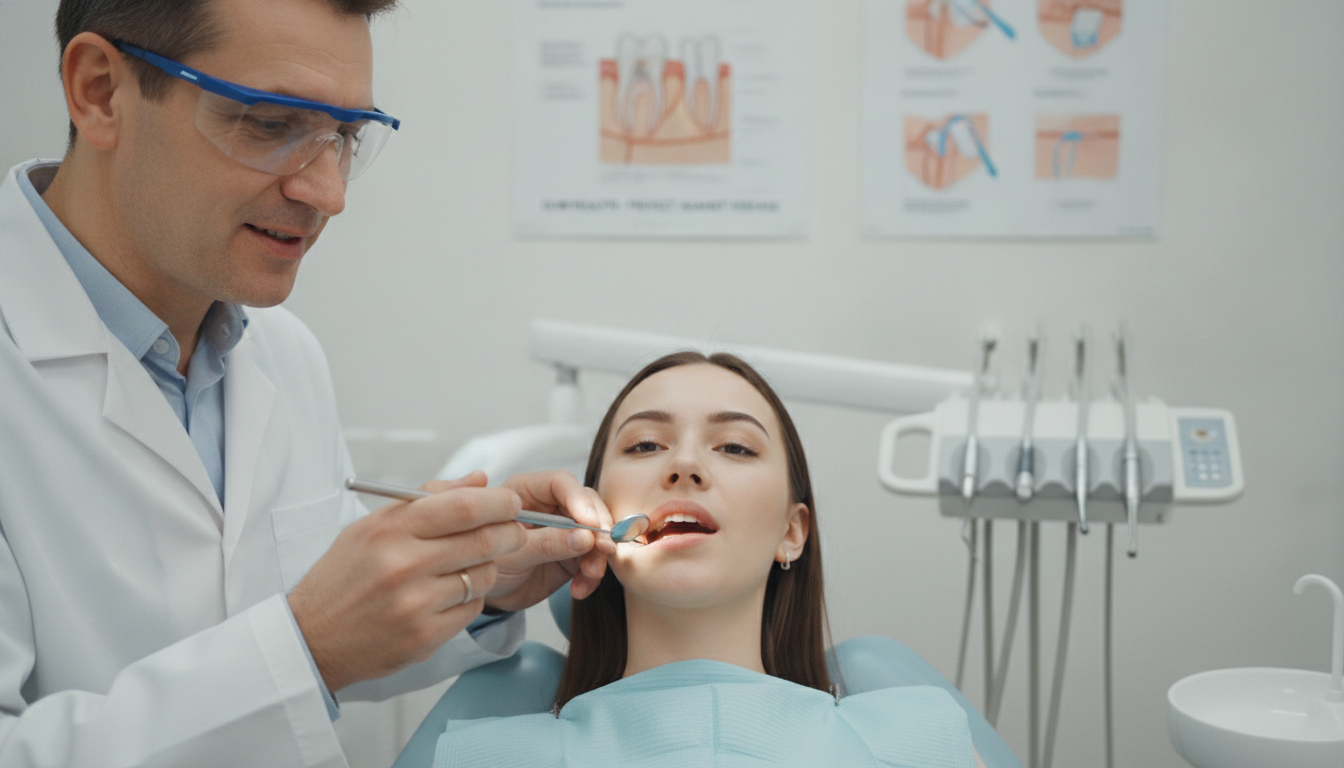
Healthy gums start with small, daily actions that stop plaque before it causes harm. We focus on simple routines that fit into a busy life and protect your smile.
Consistent brushing and flossing remove plaque along the gum line. These habits lower the chance of gum disease and tooth decay.
We recommend gentle brushing and careful flossing each day. If plaque builds up, bacteria can inflame the gums and harm nearby teeth.
“Preventive care keeps small problems from becoming painful ones.”
| Action | How it helps | When to do it |
|---|---|---|
| Brush two minutes | Removes surface plaque and cleans gum line | Morning and night |
| Floss once daily | Clears between teeth where brush can’t reach | Before bedtime |
| Regular check-ups | Early treatment for gum inflammation | Every 6–12 months |
| Professional cleaning | Removes hardened plaque and restores gum health | As advised by your dentist |
For more on everyday dental care, see our guide on taking care of your teeth and. We are here to help you keep teeth gums healthy with gentle, practical care.
When to Visit Your Local Dentist
Knowing when to see a dentist keeps small problems from becoming painful ones.
We recommend you visit dentist every 6 to 12 months for a professional check-up and cleaning. Regular reviews help us spot early signs of gum disease or tooth decay and reduce the need for complex treatment.
Signs You Need an Appointment
- If you have persistent pain, swelling or sensitivity in a tooth — book an assessment straight away.
- Bleeding or sore gums, or changes when you brush teeth, can signal early disease and need prompt care.
- Noticeable changes in bite, loose teeth, or white spots that suggest decay should be reviewed without delay.
- If you experience frequent bad breath despite brushing, or persistent tongue or mouth discomfort, please contact us.
“Regular check-ups and simple habits — like brushing twice day and flossing daily — protect your teeth gums between visits.”
We provide calm, expert care and practical advice on toothbrush choice, toothpaste and mouthwash to lower your risk. If something feels wrong, call us to arrange a visit dentist — early treatment keeps smiles healthy and pain-free.
Contact Our Parramatta Dental Clinic
Contacting our clinic is the simplest step toward steady, professional dental care in Parramatta.
Call us on 02 8036 2411 to book your next appointment for professional oral hygiene care. Our friendly reception team will help you find a time that suits your schedule.
We are located at 37 Grose St, Parramatta, NSW, 2150, Sydney, Australia. The clinic is modern, calm and easy to access from local transport.
Visit dentist at our Parramatta practice to experience anxiety-free treatment and personalised care. Maintaining good hygiene is our priority — we support your journey with gentle, evidence-based care.
| Service | Benefit | When |
|---|---|---|
| Phone bookings | Fast appointments and friendly support | Mon–Fri, by phone |
| Location | Central Parramatta — easy access | 37 Grose St, Parramatta |
| Patient care | Comfort-focused, modern treatment | At every visit |
Please call us today to schedule your visit and take the next step toward a healthier smile. We look forward to welcoming you and providing the best care for every patient who comes through our doors.
Conclusion
Small habits each day build lasting protection for teeth, gums and your confidence to smile.
Maintaining good oral hygiene is a lifelong commitment — brushing, flossing and regular visits to a dentist protect tooth enamel and prevent disease.
We are here to support your oral health journey with practical care and calm, expert treatment. Simple choices — drinking water after a snack, using mouthwash when needed and keeping a steady routine — add up over time.
Thank you for trusting our team. If you have questions or wish to book a visit, please call us and we will help you keep your smile strong and healthy.
FAQ
What are the best daily habits for healthy teeth and gums?
We recommend brushing twice a day for two minutes with a fluoride toothpaste, flossing once daily, rinsing with water after sugary snacks, and limiting acidic drinks. Regular check-ups at your Parramatta dental clinic help catch problems early and keep enamel and gum health strong.
Why is maintaining good oral hygiene important for overall health?
Good care reduces plaque and bacteria that cause decay and gum disease — conditions linked to systemic risks like heart disease and diabetes. We focus on prevention to protect your smile and general wellbeing.
How should I brush to get the best results?
Follow the two-minute rule — spend 30 seconds on each quadrant of your mouth. Use small, gentle circular motions and aim the bristles at the gum line to remove plaque without damaging enamel or gums.
What is the correct technique for flossing?
Slide the floss gently between teeth, curve it into a C-shape around each tooth and move it up and down to clean below the gum line. Use a fresh section of floss for each gap to avoid spreading bacteria.
How often should I replace my toothbrush or brush head?
Replace a manual toothbrush or electric brush head every three months, or sooner if bristles fray. Worn bristles clean less effectively and can irritate the gum line.
Which toothbrush is best — soft or medium bristles?
Soft bristles are preferable — they clean effectively while protecting tooth enamel and gums. Medium or hard bristles increase the risk of abrasion and recession over time.
What foods should I avoid to protect my enamel?
Limit sticky sweets, hard lollies and frequent snacking on sugary foods. Acidic items like citrus and vinegar-based dressings can erode enamel if consumed often without proper care.
Which drinks are better for dental health?
Water is best — it hydrates, helps rinse away food particles and supports saliva that protects enamel. Milk and unsweetened tea are good choices; avoid frequent soft drink and fruit juice consumption.
How can I protect my gums from disease?
Brush and floss daily, stop smoking, eat a balanced diet, and book regular professional cleanings. Early treatment of bleeding or swollen gums prevents progression to more serious gum disease.
When should I see my dentist for a problem?
Make an appointment if you have persistent pain, bleeding, loose teeth, a persistent bad taste or sore that won’t heal. These signs could indicate decay or gum disease needing prompt care.
How often should I visit the dentist for check-ups and cleaning?
Most patients benefit from a check-up and professional cleaning every six months. We tailor visit frequency based on your risk factors — some may need more frequent care.
What services does your Parramatta clinic offer to reduce dental anxiety?
We provide a calm, modern environment, gentle techniques, clear explanations and options like local anaesthesia or nitrous oxide to make treatment comfortable and stress-free.
Can mouthwash replace flossing or brushing?
No. Mouthwash can complement brushing and flossing by reducing bacteria and freshening breath, but it does not remove plaque between teeth — flossing is essential for that.
Are fluoride products safe and necessary?
Yes. Fluoride strengthens enamel and reduces the risk of cavities. We recommend fluoride toothpaste for most patients and professional fluoride treatments for higher-risk cases.
What should I do after dental treatment to support healing?
Follow your dentist’s aftercare instructions, keep the area clean with gentle brushing, avoid hard or sticky foods if advised, and attend any follow-up appointments to monitor recovery.