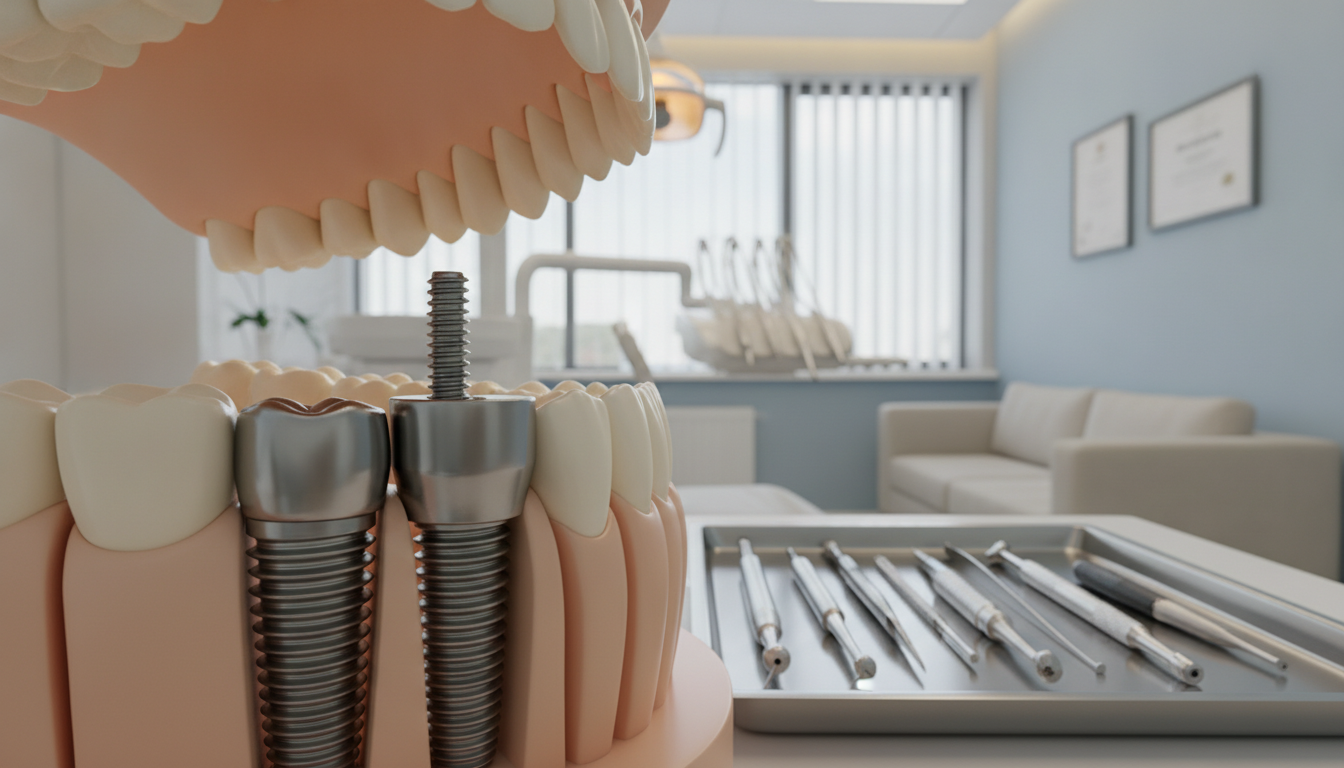
We’re here to help you regain a confident, comfortable smile. Losing a tooth can feel unsettling, and we understand how that affects your oral health and daily life. Our team offers tailored care that focuses on comfort, quality and long-term results.
Through modern implant techniques and a clear replacement process, we restore function and natural appearance. We guide you step by step, from assessment to final restoration, so you feel supported at every stage.
Our priority is a gentle experience and a reliable solution for missing teeth. We combine clinical expertise with a warm, patient-centred approach to bring back the strength and look of your original teeth.
Key Takeaways
- We provide expert care that aims to restore function and confidence.
- The replacement process is clear, gentle and focused on long-term health.
- Our approach blends advanced technique with compassionate patient support.
- Choosing our services helps return a natural look and strong bite.
- We tailor treatments to each person for the best outcome in Parramatta and beyond.
Understanding Dental Implants
Modern tooth replacement blends proven science with natural-looking results. We explain what these fixtures are made from and how they work so you can feel confident about the process.
What are they made of?
Since the 1960s, dental implants have become a trusted solution for missing teeth. Most are made from biocompatible titanium, a metal that the body accepts well.
How they function
An implant acts like a stable root replacement. Over a period of years it fuses with the jawbone, creating a secure base for a crown or bridge.
This fusion restores bite strength and supports the look of natural teeth. The result is a replacement tooth that is hard to distinguish from your original tooth.
| Feature | Benefit | Typical timeline |
|---|---|---|
| Material (titanium) | Biocompatible and durable | Permanent |
| Osseointegration | Stable foundation for chewing | Several months to years |
| Crown or bridge | Natural appearance and function | Fitted after healing |
Why Choose Dental Implants for Missing Teeth
A stable tooth replacement prevents jaw bone loss and restores everyday confidence. We focus on solutions that protect your facial structure and help you eat, speak and smile without worry.
Independent support: An implant works on its own, so we avoid altering nearby healthy teeth. This preserves your natural teeth for longer.
Bone preservation: Replacing the tooth root triggers the jaw to stay strong. That reduces the gradual bone loss that follows missing teeth.
- Superior stability — you can chew comfortably and speak clearly.
- Natural feel — most patients say the replacement feels like their original tooth.
- Long-term health — a standalone root-like solution helps maintain surrounding teeth.
We guide every step with gentle care and clear information. To learn more about our approach, see our dental implants at My Smile Doctors.
The Dental Implant Procedure Explained
We begin with a careful assessment to map bone health and plan a personalised treatment.
Initial assessment
At your consultation we review medical history, take scans and check jawbone and gum condition.
This helps us confirm suitability and set realistic expectations for the treatment and time needed.
Surgical placement
During surgery our dentist places the titanium implant into the jaw to form a stable base for a replacement tooth.
We manage pain and minimise discomfort with local anaesthesia and clear aftercare instructions.
Healing and integration
Integration takes patience — the implant fuses with bone over about 3 to 6 months.
When healing is complete we fit an abutment and a custom crown to restore function and appearance.
“Our team supports you at every appointment, focusing on comfort and long-term health.”
| Step | What to expect | Typical time |
|---|---|---|
| Consultation | Scans, planning, suitability check | 1 appointment |
| Surgery | Implant placed, local anaesthetic | 1–2 hours |
| Healing | Osseointegration of the implant | 3–6 months |
| Final fit | Abutment and crown attached | Final appointment |
Conventional Versus Immediate Implant Options
Choosing the right option depends on bone health, lifestyle and how quickly you want a visible tooth.
Conventional dental implants follow a staged approach. We place the fixture, allow 3–6 months for healing, then fit the final crown. This timeline supports strong osseointegration and long-term success.
Immediate implants suit patients with good bone density. In selected cases we can place a replacement tooth on the same day as surgery. That means less time without a visible tooth and quicker recovery of confidence.
We discuss both treatment paths at consultation to find the best match for your needs and time frame. Our goal is clear advice and a plan that balances safety with convenience.
Alternatives such as dentures remain a valid choice when clinical factors favour a different approach. Whatever you choose, we use quality materials and careful care to support a durable result.
All On Four Solutions for Full Arch Restoration
All‑On‑4 can restore a full arch in one carefully planned procedure. We use four strategically placed implant posts to secure a permanent set of replacement teeth to the jawbone.
This approach avoids a roof‑covering denture, so speech and taste feel more natural and your mouth is easier to care for.
We recommend it for patients who have lost most teeth and want a lasting, natural-looking result without removable dentures. The fixed design gives strong support and helps preserve the underlying bone.
- Single surgery to attach a full arch for quicker recovery and fewer visits
- Stable foundation that feels like your old tooth and supports chewing
- Designed to improve comfort, speech and long‑term function
Our team plans each treatment with precision and gentle care. We focus on comfort during surgery and on the long-term success of your new smile.
“I regained confidence quickly — the fixed arch felt secure and natural.”
The Role of Bone Grafting in Implant Success
When bone has shrunk after tooth loss, rebuilding the foundation often makes the difference between a short‑lived fix and a lasting restoration.
Grafting restores volume and density so your future restoration sits on a robust base. We assess gum and bone health to decide if grafting is needed before moving to the surgical stage.
Who needs it? Patients with noticeable bone loss or long‑standing gaps often require grafting to accept a secure implant. Without this step, the fixture may not integrate properly with the jawbone.
- Tooth removal can cause jawbone recession over time, reducing available support.
- Advanced graft techniques rebuild the site and improve long‑term stability.
- We include grafting as part of a complete treatment plan when required.
Common graft types and timelines
| Graft type | Purpose | Typical healing time |
|---|---|---|
| Autograft (your own bone) | Strongest integration for structural support | 3–6 months |
| Allograft (donor bone) | Rebuilds volume with no extra surgery site | 3–6 months |
| Bone substitute (synthetic) | Useful for minor defects and guided regeneration | 2–4 months |
Addressing bone loss early improves the success of a later dental implant and helps protect surrounding teeth and gum health. For a clear overview of grafting in the process, see our detailed guide on bone grafting and treatment.
Benefits of Choosing Implants Over Bridges
A single, well-placed root replacement often avoids altering adjacent healthy teeth. For many people, this is the clearest advantage when comparing a bridge and a long-term option such as dental implants.
Preserves natural teeth. A bridge relies on nearby crowns for support. An implant sits in the jaw and leaves your natural teeth untouched.
Protects bone. Because the implant is fixed into the bone, it slows the bone loss that follows tooth loss. That helps keep the shape of your face and the strength of your bite.
Durability and feel. Implants tend to feel and act more like natural teeth. Bridges can loosen over time, while an implant is designed for long service with good care.
We explain options clearly so patients can weigh quick fixes against a long-term investment in oral health and smile confidence.
| Feature | Implant | Bridge |
|---|---|---|
| Impact on adjacent teeth | None — stands alone | Requires preparation of nearby teeth |
| Bone preservation | Helps prevent bone loss | Does not stop jawbone resorption |
| Longevity | High — long-term with care | Moderate — may need replacement |
| Maintenance | Standard cleaning and checks | May need extra repairs or adjustments |
Maintaining Oral Hygiene for Long Term Results
Long-term success depends on simple, regular habits that protect gum and bone health. Good oral hygiene is the most important factor after you replace missing teeth. Small daily steps make a big difference over time.
We give personalised care instructions — including how to use special brushes and floss around your restoration. These tools help keep the area clear of plaque and reduce the risk of gum issues.
Regular professional cleanings at our clinic are vital. Our team checks the fit, monitors soft tissue and removes build-up that home care can miss.
- Brush twice daily and floss once — keep routines consistent.
- Use interdental brushes where recommended to clean tight spaces.
- Attend scheduled hygiene visits so your replacement stays strong.
With the right care and check-ups, dental implants last for many years. We support you with follow-up plans so your investment in oral health stays protected and comfortable.
Factors Influencing the Cost of Dental Implants
Several practical elements influence what you will pay for a modern tooth replacement. The total price depends on the number of teeth you replace and the clinical complexity of the procedure.
During your initial consultation our dentist will give a clear estimate. This covers the implant, the crown and any necessary bone grafting.
The quality of materials, the need for grafts to rebuild bone, and the time needed for healing all affect the final figure.
- Number of teeth — single tooth or full arch changes scope and cost.
- Complexity — additional grafts or sinus lifts raise fees.
- Lab work and materials — premium crowns add value and longevity.
We believe in transparency about cost dental implants. Getting dental options is a significant decision, so we offer payment plans to make this life-changing treatment more accessible.
Our team provides a detailed breakdown of the cost dental during the consultation so you can plan with confidence and peace of mind.
Who Is a Suitable Candidate for Treatment
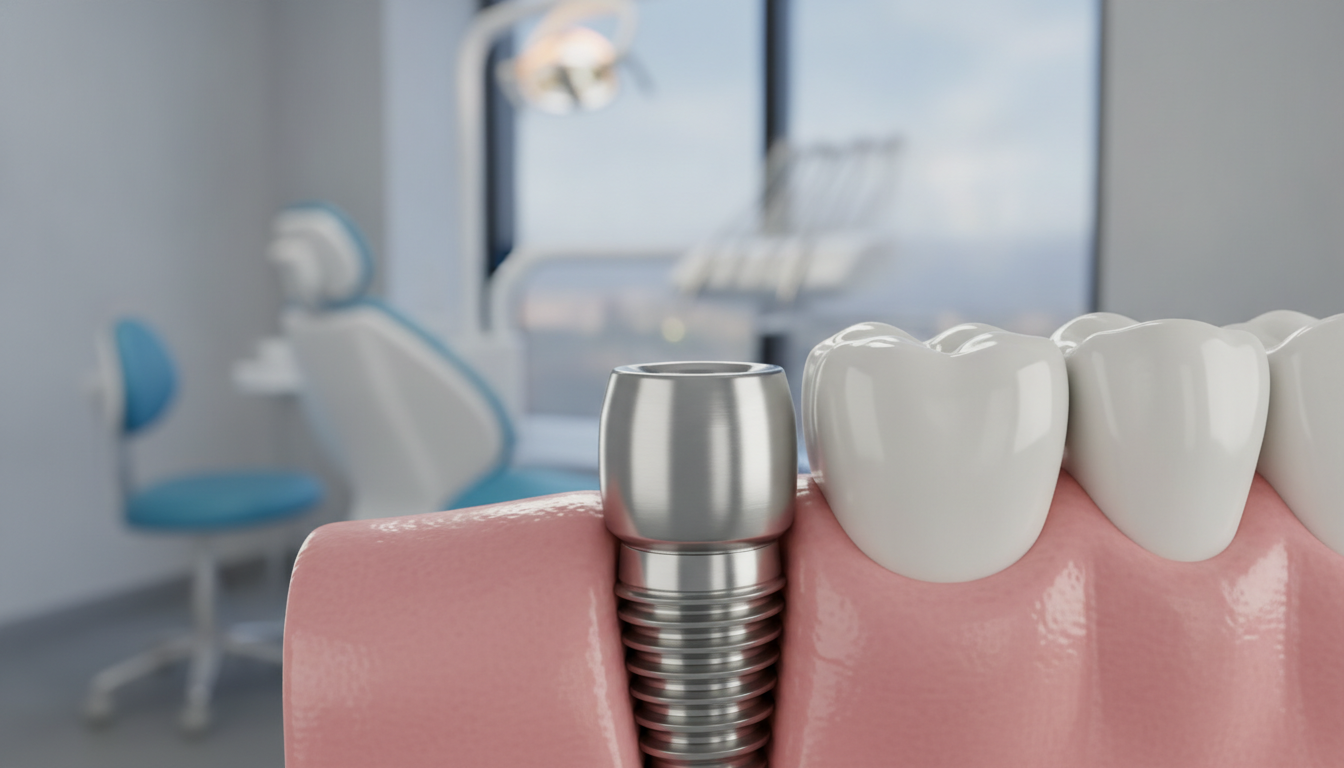
A clear assessment of bone and gum health tells us whether the procedure is a good fit.
Most patients are suitable candidates for a dental implant when they have a reasonably strong jawbone and good overall oral health. We check your medical history and perform scans to confirm strength and volume of bone.
Our dentist conducts a thorough examination to rule out gum disease or other issues that might affect success. If we find concerns, we treat them first to give you the best chance of a lasting result.
If you currently use dentures or a bridge, we discuss how moving to implants can improve comfort, chewing and confidence. Many patients notice a big quality‑of‑life improvement.
- We assess bone density and plan grafting if volume is low.
- We outline the full treatment path so you know what to expect.
- Our aim is safe, effective care tailored to each patient.
Safety and Success Rates of Modern Implants
A well-planned implant treatment is a reliable path to restore function and protect jawbone health.
Modern dental implants show high success in clinical practice. We use biocompatible materials that bond with bone and support a stable restoration for years.
Our team follows strict safety protocols during every implant procedure to reduce infection risk and keep discomfort low. Careful planning helps avoid nerve or sinus issues during surgery.
Most patients heal predictably — osseointegration and abutment stages take time, but lead to a secure replacement tooth. With routine check-ups we monitor healing and the fit of the crown.
Good oral hygiene and regular visits to our dentists make a big difference. Keep cleaning and attend reviews so your implants last and your mouth stays healthy.
- High long-term success when planning and hygiene are followed
- Materials integrate with bone to reduce failure
- We prevent and manage pain and complications with careful technique
Expert Care at Our Parramatta Clinic
Our team combines long experience with gentle techniques to help you smile with ease.
Dr Manish Shah brings over 25 years of expertise in general and cosmetic practice. He leads a team focused on safe, precise treatment that restores function and appearance.
At our Parramatta clinic we listen first. We design a personalised plan so every patient feels heard and confident about their care.
We understand visiting a dentist can cause anxiety. That is why we prioritise a calm, pain-free experience and clear information at every step.
“Our commitment to excellence means you are in the safest hands, receiving treatment from experienced professionals who truly care about your well‑being.”
| Feature | Benefit | Who it helps |
|---|---|---|
| Experienced team | Consistent, predictable outcomes | Patients seeking reliability |
| Advanced technology | Precise planning and safer treatment | Those needing complex care |
| Personalised plans | Comfort-focused approach and clear follow-up | Anyone worried about pain or anxiety |
Our Commitment to Patient Comfort
We are deeply committed to your comfort. Every part of your visit is designed to be calm and supportive so our patients feel safe and respected.
Comfort guides our care — from the waiting room to the treatment chair, your ease matters. We use modern techniques to manage pain and reduce anxiety so you can focus on restoring your smile.
Our friendly team explains each step clearly. We welcome questions and tailor our approach to match your needs and pace. This helps reduce discomfort and builds trust.
We believe compassionate care is the foundation of a positive experience. Simple comforts — warm blankets, quiet music and clear communication — make a real difference for people who worry about visiting the dentist.
“Your well‑being is our priority — we provide gentle, high‑quality care so every appointment feels manageable and respectful.”
- Personalised pain management to keep you relaxed.
- Calm environment that eases fear and builds confidence.
- Ongoing support — we stay with you through planning, treatment and aftercare.
Contact Our Sydney Dental Team
If a healthier, more confident smile matters to you, reach out — we’ll walk you through each step. Our team makes booking easy and keeps your comfort front of mind.
Phone: 02 8036 2411 — call to book an appointment or ask about a consultation. We welcome new patients and answer questions about getting dental implants and other options.
We provide clear, compassionate care and aim to ease any worry about pain or treatment. Our friendly staff will guide you through timing, costs and the best path for your needs.
- Call 02 8036 2411 to book your initial consultation today.
- Our team will help with scheduling, payment options and what to expect at your appointment.
- We serve patients across Sydney and aim to make visits simple and positive.
“We are dedicated to helping you achieve a healthy smile and providing expert support every step of the way.”
For details on cost and options, or to discuss getting dental implants, please phone 02 8036 2411. We look forward to supporting your care and booking a convenient appointment.
Visit Our Parramatta Practice
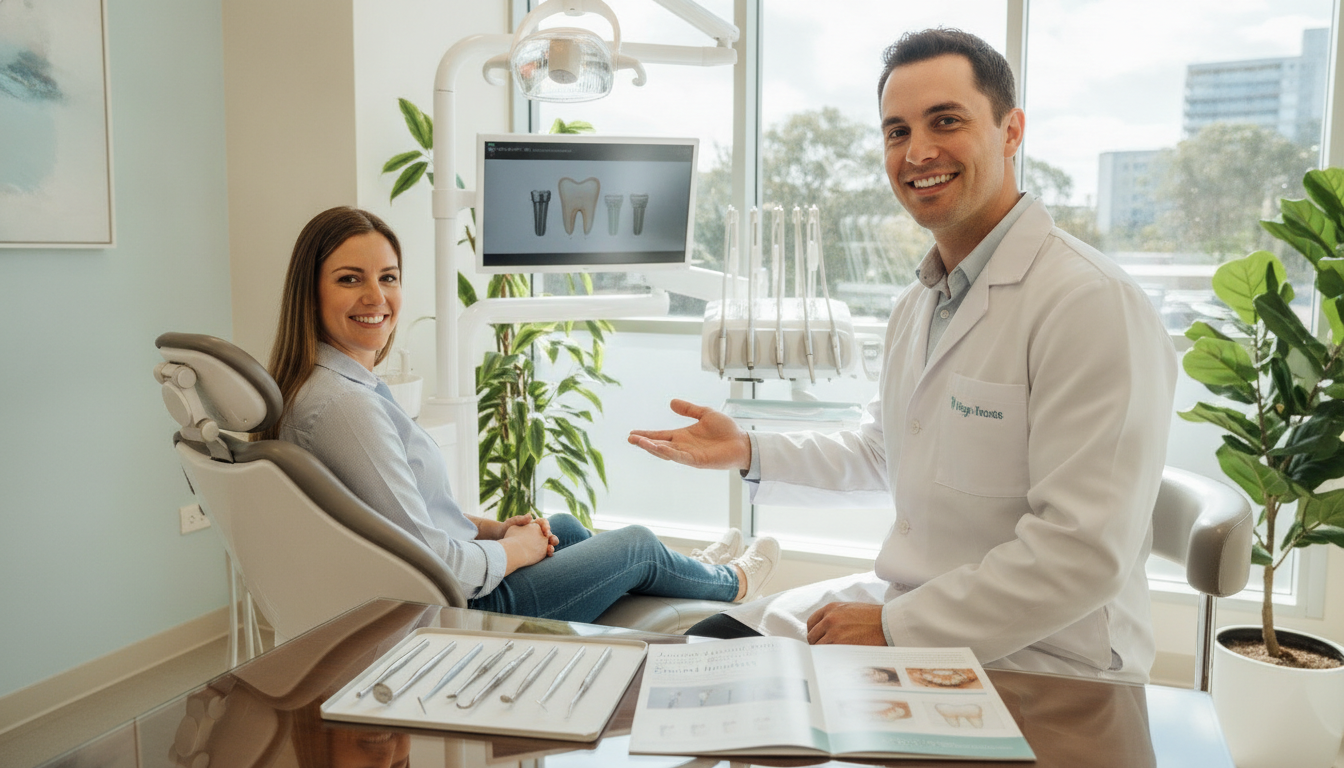
Make your next appointment with a team who listens, informs and supports your best smile.
We invite you to visit our practice at 37 Grose St, Parramatta, NSW, 2150, Sydney, Australia. Our clinic is modern, accessible and designed for comfort.
Our team is passionate about providing high-quality care in a calm, friendly setting. Whether you are interested in getting dental solutions or need routine maintenance, our dentist is ready to help.
We pride ourselves on a welcoming atmosphere where every patient receives respect, kindness and professional attention. Booking is simple — just call or use our online form to secure an appointment.
- Central Parramatta location for easy access
- Modern equipment and a relaxed environment
- Clear explanations and personalised treatment plans
“Please reach out to schedule your visit — let us show you why many local people trust us with their long-term oral health.”
| Feature | Benefit | How to arrange |
|---|---|---|
| Location | Easy parking and public transport | Visit 37 Grose St or call reception |
| Care style | Gentle, patient-centred approach | Discuss needs at consultation |
| Services | Routine checks to advanced restorations | Book a tailored appointment |
| Support | Payment plans and follow-up care | Ask our team for options |
Conclusion
Restoring a missing tooth is about function, comfort and regaining natural confidence. Our team offers a clear path—from consultation and the implant procedure to the final abutment—to help you return to full mouth function and an easy smile.
We’ve answered the questions patients ask most. You’ll understand the surgery, expected timeframes and how treatment helps prevent bone loss compared with bridges or removable options.
We invite you to book an appointment with our experienced dentist to discuss costs, timelines and personalised care. With careful planning and ongoing support, implants last and give a lasting replacement that improves daily life and confidence.
FAQ
What are implants made of?
Most modern implants use titanium or a titanium alloy for the root-like post because it bonds well with bone. Some posts are made from zirconia, a strong ceramic option for those seeking a metal-free solution. The visible crown is usually porcelain or a porcelain-fused material to match your natural tooth colour and function.
How do implants function in the mouth?
An implant acts like an artificial tooth root that supports a crown or bridge. Once placed into the jaw, it integrates with bone — providing stability similar to a natural tooth. This support preserves neighbouring teeth and restores chewing, speech and smile aesthetics.
Why choose this treatment for missing teeth instead of a bridge or denture?
Unlike a bridge, an implant doesn’t require shaving down adjacent healthy teeth. Compared with removable dentures, implants offer greater comfort, chewing efficiency and bone preservation — helping your jawline and smile stay healthier over time.
What happens during the initial assessment?
We review medical history, take 3D scans and X-rays, and conduct an oral exam to assess bone, gums and overall health. Together we discuss goals, timings and tailored options — including grafting if needed — so you leave the appointment with a clear plan.
What does the surgical placement involve?
Surgery is performed under local anaesthetic with sedation available for anxious patients. The post is placed into the jawbone through a small incision. Comfort measures and antibiotics are provided as required. Most patients report manageable discomfort rather than severe pain.
How long is the healing and integration period?
Healing typically takes several months as the bone fuses to the post. For many people this is around three to six months, depending on bone quality and whether bone grafting was needed. We monitor progress and fit the final crown once integration is secure.
What is the difference between conventional and immediate placement?
Conventional placement waits for complete healing before loading the implant, which can improve predictability. Immediate placement places a temporary crown the same day as extraction — suitable for certain cases and when primary stability is achieved. We recommend the option best matched to your oral health and lifestyle.
What is the “All-on-Four” approach for full-arch replacement?
All-on-Four uses four strategically angled posts to support a full fixed bridge, often allowing same-day teeth. It’s a cost-effective, stable solution for patients missing most or all teeth, reducing the need for multiple implants while restoring function and appearance.
When is bone grafting necessary?
Grafting is advised when jawbone volume or quality is insufficient to support a post. We can rebuild the area using your own bone or synthetic materials to create a stable foundation. This step greatly improves long-term success in many cases.
How do implants compare with bridges for long-term benefits?
Implants preserve bone and neighbouring teeth, often lasting many years with good care. Bridges can fail sooner due to decay or stress on adjacent teeth. For longevity and oral health, implants are typically the superior option.
What care is required to maintain results long term?
Daily brushing and interdental cleaning, regular check-ups and professional cleans are essential. Avoid smoking and excessive alcohol, and attend scheduled reviews so we can catch issues early and keep your smile healthy.
What factors influence the overall cost?
Costs vary with the number of posts, need for grafting or sinus lifts, choice of crown material, surgical complexity and imaging. We provide a transparent quote at consultation and discuss payment plans or financing where needed.
Who is a suitable candidate for treatment?
Most medically fit adults with adequate jawbone and healthy gums can succeed with implants. Chronic conditions and smoking can affect outcomes, so we tailor treatment and may coordinate with your GP to optimise health before surgery.
Are modern implants safe and successful?
Yes — modern techniques and materials yield high success rates when placed by experienced teams and followed by good home care. We use evidence-based protocols to minimise complications and monitor healing closely.
What specialised care do you offer at our Parramatta clinic?
We combine advanced imaging, sedation options and restorative expertise to deliver personalised, anxiety-reducing treatment. Our team focuses on comfort, clear communication and predictable outcomes for busy families and professionals.
How do you ensure patient comfort during treatment?
We use modern anaesthesia, calming environment design and compassionate patient support. Pre-visit planning, sedation choices and post-op pain control keep discomfort minimal and recovery smooth.
How can patients contact the Sydney team for a consultation?
You can call our practice, book online or pop in to speak to our reception. We’ll arrange an appointment at a time that suits your schedule and explain steps, costs and expected timelines clearly.
What should I expect when visiting the Parramatta practice?
Expect a welcoming space, a thorough assessment with 3D imaging and a tailored treatment plan. We prioritise clear explanations, comfort measures and realistic timelines so you feel supported every step of the way.