
Call 02 8036 2411 for immediate assistance with your oral health needs. We know sudden pain or trauma can disrupt your day, so we act quickly to bring comfort and clear care.
Our team provides professional emergency dental extraction services with a calm, skilled approach. We focus on prompt relief and clear explanations so you feel safe and understood.
To speak with our staff and arrange urgent attention, please ring 02 8036 2411 straight away. You can also book online or book a time that suits you, and we will prepare for your visit without delay.
We are a local, caring practice with experienced clinicians ready to act as your trusted emergency dentist. Our priority is to ease pain and protect your oral health with professional, humane care.
Key Takeaways
- Ring 02 8036 2411 for fast, compassionate help.
- We offer prompt, professional extraction services to relieve pain.
- Options to book online make arranging care simple.
- Our team acts with skill and a patient-centred approach.
- We prioritise quick treatment to prevent further complications.
Understanding the Need for Emergency Dental Extraction
When a tooth is beyond repair, timely treatment protects nearby teeth and stops infection. A tooth removal becomes necessary for severe gum disease, deep infection or blunt trauma that cannot be fixed by other means.
Our dentists assess your oral health and explain why removal is the safest option. We focus on clear, calm communication so you understand the proposed treatment and next steps.
Severe pain is a clear sign you may need urgent care — addressing the source prevents spread and preserves long-term health. Each case is unique, so we take time to review options and reassure you about comfort and outcomes.
We prioritise quality care and clinical precision, removing the source of discomfort and protecting adjacent teeth. For details on our approach to a tooth extraction in Parramatta, see tooth extraction in Parramatta.
Identifying Common Dental Emergencies
Knowing which signs need fast attention makes it easier to secure timely treatment. We want you to recognise the most common problems so you can get prompt care and avoid complications.
Signs of Infection
If you have a fever over 38°C, increasing swelling or a spreading sore, these are strong indicators of infection. A persistent toothache or a painful, swollen area around a tooth can signal an abscess that needs professional review.
Red flags also include pus, sensitivity that wakes you at night, or difficulty opening your mouth — all warrant an immediate call to our team.
“Act early when you spot fever, swelling or severe pain — quick action protects your health.”
When to Seek Urgent Care
Uncontrolled bleeding, intense pain, or trauma to the mouth should be assessed within hours. Our clinic offers extended hours so you can access urgent care when symptoms escalate.
Rinsing with warm water and using cold water compresses can ease symptoms while you arrange treatment, but these do not replace professional care. If you are unsure, please contact our emergency dentist in Parramatta to book online or speak with a clinician.
Immediate First Aid Steps for Dental Pain and Trauma
Simple, calm actions in the first minutes after trauma often determine whether a tooth can be saved. We recommend a few clear steps you can use right away to reduce pain and stabilise the area before professional treatment.
Managing Bleeding
If bleeding occurs, bite down firmly on clean gauze or a cloth for at least 10 minutes to help clotting. If bleeding continues after 10 minutes, seek prompt care from our clinic.
Handling a Knocked Out Tooth
If a tooth is knocked out, touch only the crown — not the root. Keep the tooth moist by storing it in milk or, if needed, in your saliva.
Using Cold Compresses
Apply a cold compress to the outside of the cheek to reduce swelling and provide pain relief. Avoid heat — cold is the recommended method to control swelling and ease pain.
- Rinse mouth gently with lukewarm water and half a teaspoon of salt to soothe a toothache.
- Keep children calm — it helps us give better care and improves first-aid results.
- Proper first aid increases the chances of saving a damaged tooth before you arrive for treatment.
“Act quickly but calmly — the right first aid can protect teeth and reduce pain while you head to the clinic.”
What to Expect During Your Emergency Dental Extraction
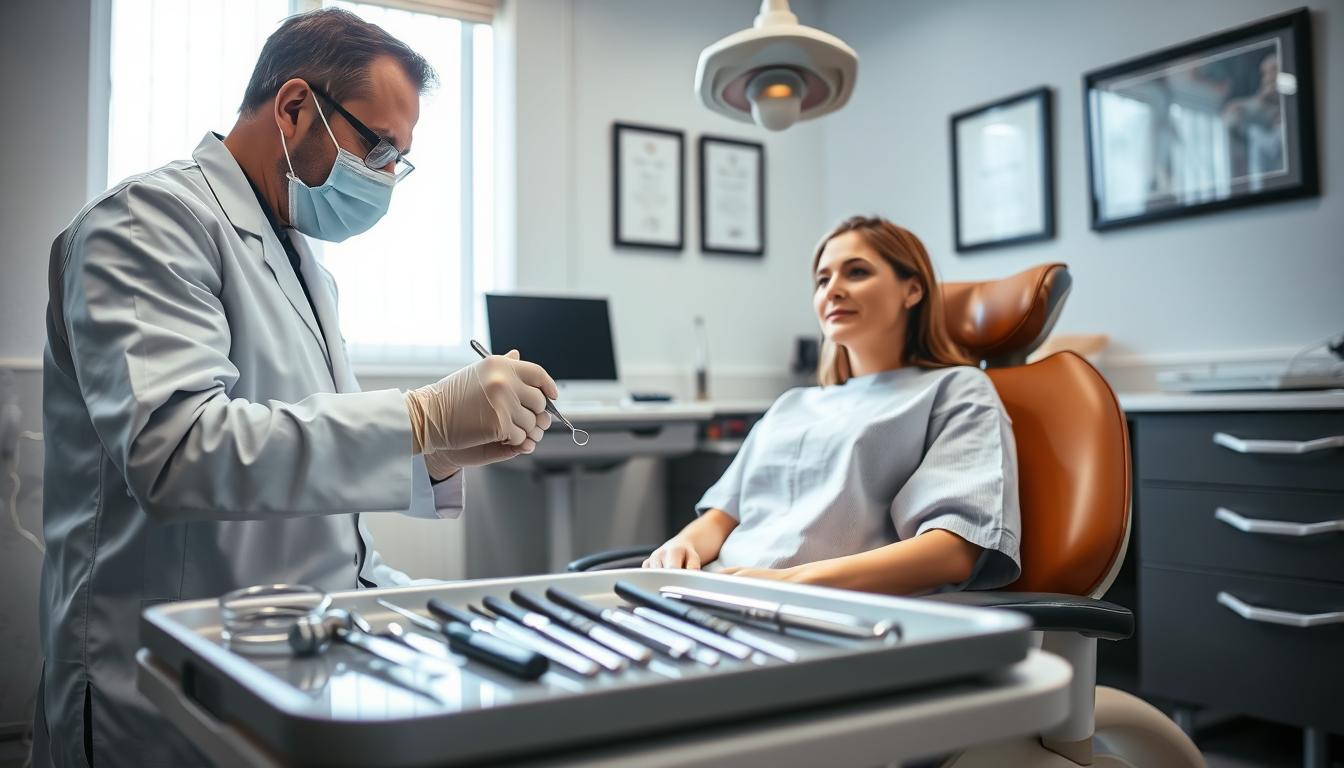
We will guide you through each step so you feel informed, calm and safe from the moment you arrive.
Local anaesthetic is used to ensure you do not feel pain while the tooth is removed. We check your comfort throughout the treatment and pause if you need time to relax.
After removal, the socket — the small hole in the jawbone where the tooth used to be — is gently cleaned to reduce risk of infection. We may place a stitch to help healing and control bleeding.
We offer comprehensive pain relief and will prescribe antibiotics if infection is present. You will receive clear advice on caring for your mouth over the next few days.
- Discussion of treatment options so you can decide with confidence.
- Use of an ice pack or cold compress to reduce swelling and provide fast relief.
- Simple recovery steps and follow-up plans to protect your teeth and gums.
“Our goal is to make you feel supported and comfortable — urgent care with skilled clinicians and clear aftercare.”
For more detail, see our guide on emergency tooth extraction — what to.
Professional Care at Our Parramatta Clinic
At 37 Grose St we provide calm, confident care when sudden tooth pain or trauma interrupts your day. Our modern clinic is fully equipped to manage urgent issues with clear, friendly communication.
Contacting Our Team
Call 02 8036 2411 or book online to reach our reception. We offer extended hours so you can access urgent care when you need it most.
- Location: 37 Grose St, Parramatta, NSW, 2150, Sydney, Australia.
- Our dentists and support team handle a wide range of dental services and complex emergencies.
- We focus on fast, effective treatment to protect adjacent teeth and reduce pain.
- We aim to make you feel comfortable from arrival through recovery.
“Our Parramatta team is ready to provide professional, compassionate care whenever you’re dealing with a sudden issue.”
Post-Procedure Care and Recovery Advice
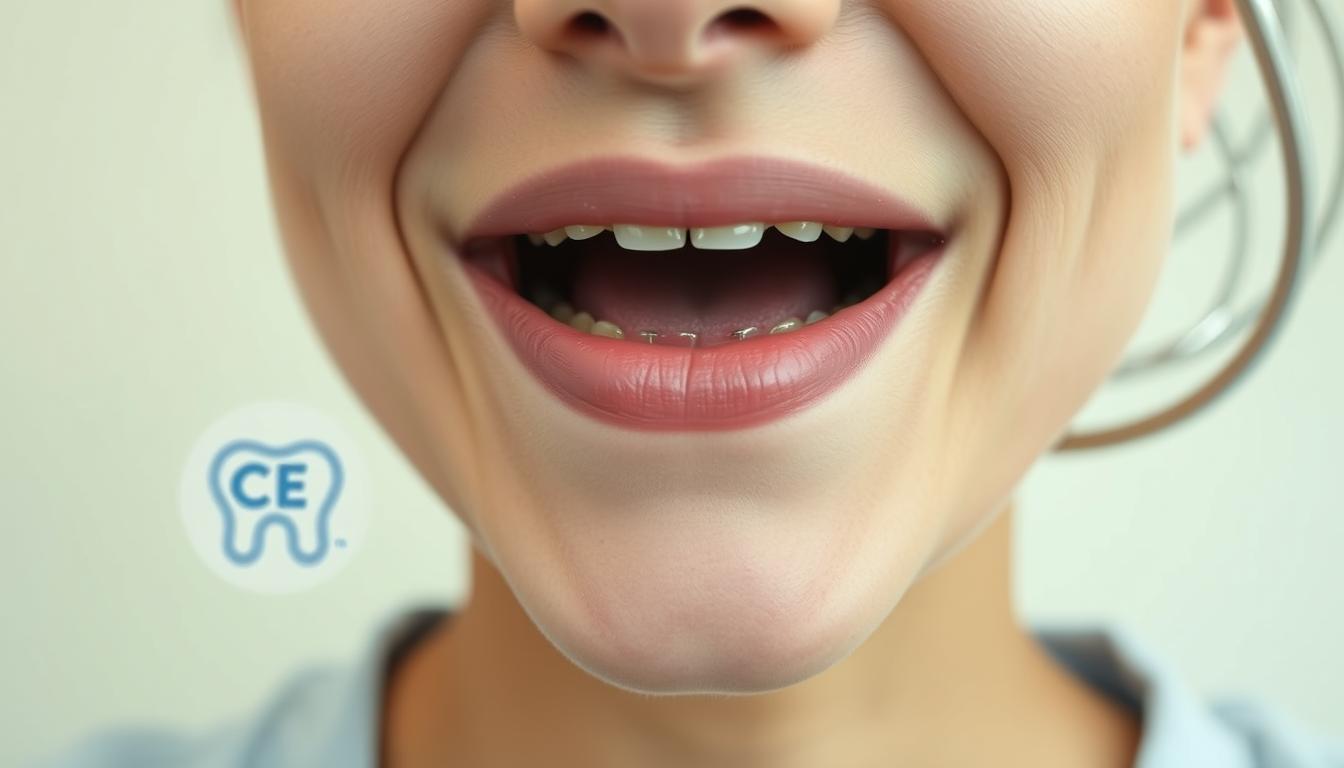
Gentle care and sensible habits following treatment protect the socket and promote steady healing. We outline practical steps so you can rest and recover with confidence.
Dietary recommendations
Stick to soft foods for the first few days and chew on the opposite side of the mouth. This reduces pressure on the area and lowers the risk of dislodging the clot.
Avoid hot drinks for 24 hours. Keep nutrition up with yoghurt, mashed vegetables and soups once cool.
Managing discomfort
Expect the wound to take about two weeks to heal. Use an ice pack or cold compress on the face for short periods to reduce swelling and provide fast relief.
Do not rinse your mouth for the first 24 hours — this protects the clot in the socket. After 24 hours, gently rinse with lukewarm water and half a teaspoon of salt to help prevent infection.
| Timeframe | Action | Notes |
|---|---|---|
| First 24 hours | Rest, head elevated, avoid rinsing | Limit activity and use ice pack for swelling |
| 24–72 hours | Gentle salt water rinses, soft diet | Take prescribed antibiotics and pain relief as directed |
| 3–14 days | Monitor healing, avoid hard foods | Contact our dentists if pain or heavy bleeding continues |
| After 2 weeks | Follow-up if needed | Most wounds have healed; resume normal care |
“Proper care in the days after treatment cuts risk of infection and speeds recovery.”
If you have persistent pain, heavy bleeding or signs of infection, call our clinic within hours so we can advise and support your recovery.
Financial Considerations and Insurance Coverage
Costs and cover can feel confusing at a stressful time — we make them simple and clear.
Before your treatment, ask our clinic for a detailed quote that lists item numbers for the proposed procedure. Having item numbers helps you check benefits with your insurer and speeds claims.
Private health insurance often covers an extraction under general or major dental. Call your provider or bring policy details when you book online so we can help verify entitlements.
We offer flexible payment options to keep quality care accessible. If you have concerns about cost, discuss them with reception — we will outline plans, rebates and likely out-of-pocket amounts.
- We explain fees and timelines so you know what to expect in the coming days.
- Children aged 2–17 may be eligible for free basic care via government programs — we can help check eligibility.
- Our team is open about costs and ready to talk through all available options before any treatment.
“Clear quotes and helpful guidance let you focus on recovery, not paperwork.”
Conclusion
This guide is designed to give clear, practical steps so you can protect your tooth and health.
Acting quickly when you feel pain, notice swelling or suspect an infection can save a tooth and limit harm to your mouth. Follow simple first‑aid steps — cold packs, gentle rinses with water after 24 hours, and rest — while you arrange treatment.
Our team offers prompt care and a range of treatment options. If you need support, please book at our clinic so we can help restore comfort and protect your long‑term teeth health.
We are committed to compassionate, expert support for any sudden problem. Keep this advice handy and contact us if you need immediate guidance or a plan you can trust.
FAQ
What counts as an urgent tooth problem that needs immediate care?
If you have severe pain that won’t ease, heavy bleeding that doesn’t stop after applying pressure, visible swelling of the face or gums, or signs of spreading infection (fever, increasing redness, difficulty breathing or swallowing), you should seek urgent help. These are red flags for complications and need prompt assessment to protect your health.
How can I manage severe mouth pain before I reach the clinic?
Rinse gently with lukewarm salt water to clean the area, take over‑the‑counter pain relievers like paracetamol or ibuprofen as directed, and apply a cold pack to the cheek for 10–15 minutes to reduce swelling and numb pain. Avoid putting aspirin directly on the gum. If pain is accompanied by fever or spreading swelling, call us straight away.
What should I do if a tooth is completely knocked out?
Find the tooth, hold it by the crown (not the root) and rinse under cool water—do not scrub. If possible, try to reinsert it gently into the socket and hold it in place. If that isn’t possible, keep it moist in milk or saline or place it between cheek and gum. Seek urgent care within an hour for the best chance of saving the tooth.
How is a bleeding socket or mouth wound managed at home?
Apply firm, steady pressure with a clean, damp gauze pad or tea bag over the bleeding area for 20 minutes. Keep your head elevated and avoid spitting or using straws, which can dislodge clots. If heavy bleeding continues after 30–60 minutes of pressure, contact us or go to an urgent care centre.
Will I need antibiotics or pain relief after a removal or treatment?
We assess the need for antibiotics case by case—typically for signs of systemic infection or significant spreading infection. We’ll also prescribe appropriate pain relief and give clear instructions on dosing. Follow the course exactly and contact us if symptoms don’t improve within 48–72 hours.
What can I expect during an urgent tooth removal at our Parramatta clinic?
We’ll start with a focused assessment and X‑ray if needed. Local anaesthetic is used to keep you comfortable; for anxious patients we offer sedation options. The procedure is gentle and efficient, and we’ll explain aftercare, pain management and follow‑up before you leave.
How long does recovery usually take after a removal?
Most people feel much better within a few days. Initial clot formation and reduced bleeding happen in the first 24 hours, while swelling and discomfort peak around 48–72 hours and then settle. Full healing of the socket takes a few weeks. We’ll give dietary and care tips to speed recovery.
What foods should I avoid after treatment, and what should I eat?
Stick to soft, cool or lukewarm foods—yoghurt, mashed potato, smoothies (no straw), soup and scrambled eggs work well. Avoid hard, crunchy, spicy or hot foods for several days, and steer clear of alcohol and smoking, as these delay healing and increase infection risk.
How do I reduce swelling and discomfort at home?
Apply an ice pack to the outside of your cheek for 10–15 minutes at a time during the first 24 hours, then switch to warm compresses after 48 hours if swelling persists. Take recommended analgesics on schedule, sleep propped up with pillows to reduce throbbing, and keep up gentle salt‑water rinses after 24 hours to keep the area clean.
Do you accept health insurance and what are the likely costs?
We work with most private health funds and can provide a cost estimate before treatment. Fees vary depending on the complexity of the procedure, any sedation used, and whether imaging is required. Our team will discuss options and any out‑of‑pocket costs so you can make an informed decision.
How quickly can I be seen at your Parramatta clinic and how do I book?
We aim to see urgent cases as soon as possible—call 02 8036 2411 for immediate assistance. You can also book online for available urgent slots; we’ll triage your situation and advise whether to come straight in or manage symptoms until your appointment.
Are services suitable for children and anxious patients?
Yes—we provide gentle, child‑friendly care and offer calming strategies for nervous patients, including conscious sedation when appropriate. Our team works to make each visit as comfortable and stress‑free as possible for the whole family.
When should I come back for a follow‑up after treatment?
We usually schedule a review within 48–72 hours for more complex cases or sooner if you have worrying signs like increased pain, persistent bleeding or fever. For routine removals a follow‑up at one to two weeks lets us check healing and remove any sutures if needed.
What signs mean I should return to the clinic or seek urgent medical care?
Return if you get a high fever, worsening swelling or spreading redness, severe uncontrolled pain, persistent bleeding, difficulty breathing or swallowing, or a strange taste or severe bad smell that suggests infection. These signs require prompt reassessment and possible treatment changes.