
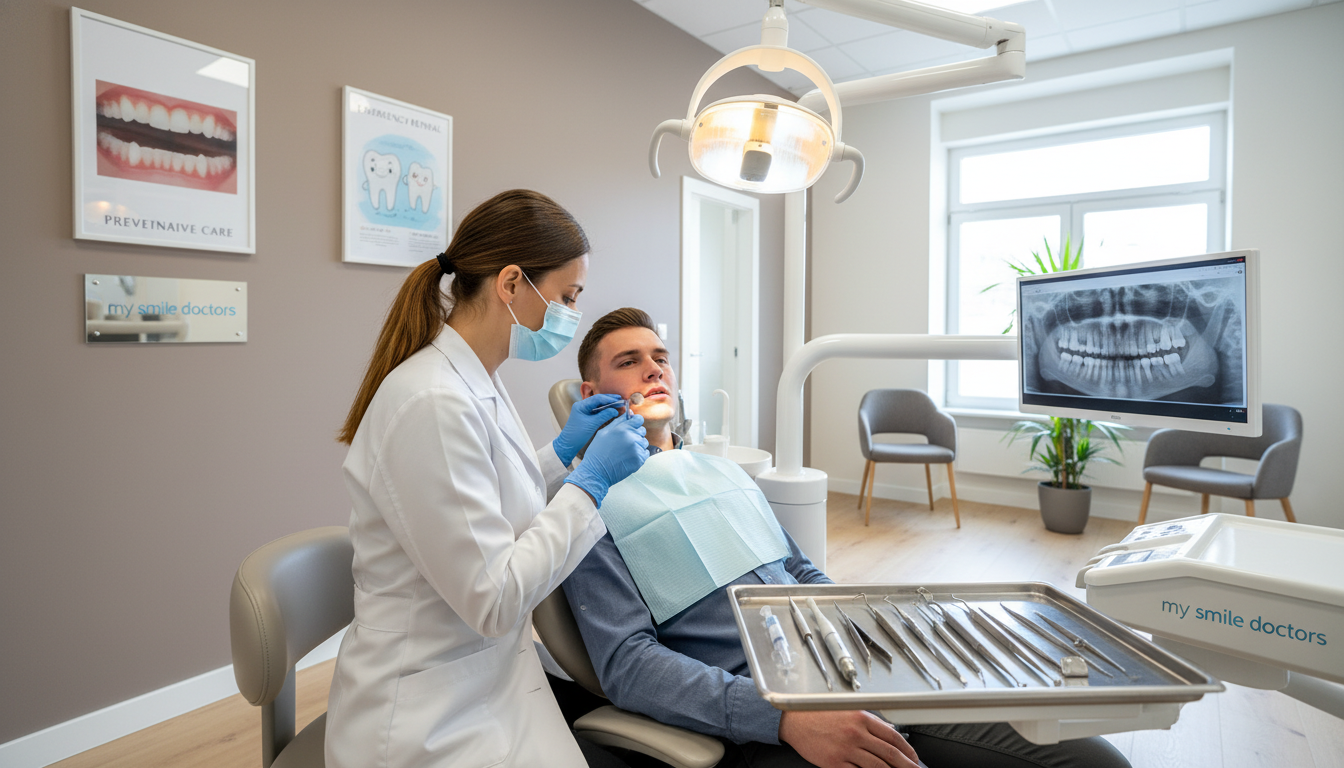
We’re here to help when a tooth problem causes sudden pain or swelling. Our team at National Dental Care offers urgent support for people in the Parramatta area.
If you suspect a dental abscess or a tooth abscess, call us on 02 8036 2411 or visit us at 37 Grose St, Parramatta, NSW, Sydney, Australia. We provide prompt care to reduce pain and lower the risk of further complications.
Our dentist will assess symptoms and the infection quickly — then plan a clear course of action to protect your jaw and overall health. We focus on calm, practical care so you feel supported every step of the way.
Key Takeaways
- Contact 02 8036 2411 or come to 37 Grose St for urgent attention.
- We offer swift assessment of tooth pain, symptoms and infection risk.
- Our dentist aims to relieve pain and avoid complications.
- Book appointment slots as soon as possible for prompt dental care.
- Local, professional support in Parramatta — warm, expert care when it matters.
Understanding the Nature of a Dental Abscess
Infections that reach a tooth’s pulp can form a painful pocket of pus. We explain what this means and why quick recognition matters for your long-term health.
What is a tooth abscess
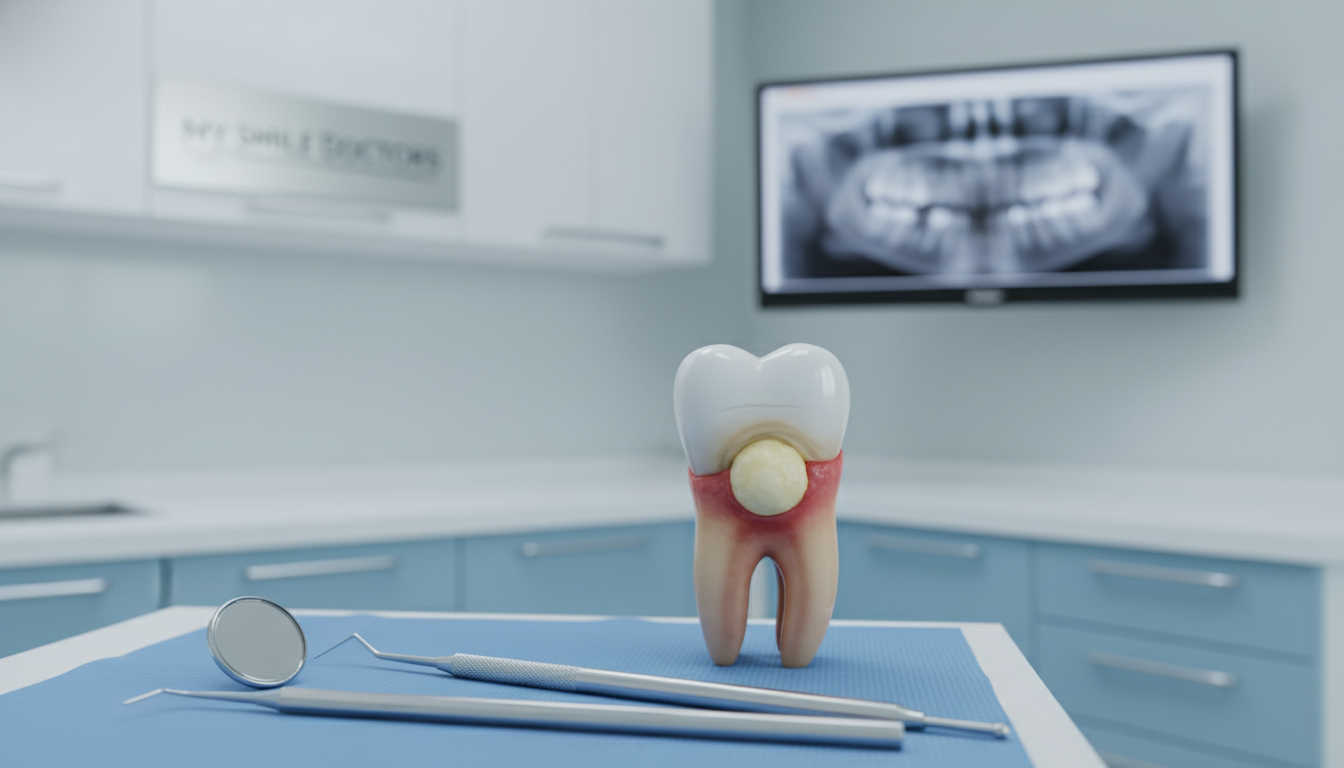
A dental abscess is a pocket of pus that forms when bacteria enter the tooth pulp or nearby tissues. It often starts after untreated tooth decay or persistent gum disease.
Types of dental abscesses
- Periapical abscess: forms at the tip of the root when the pulp is infected.
- Periodontal abscess: develops in the bone beside the tooth and affects the gums.
Understanding these differences helps us choose the right steps to protect surrounding teeth and bone. Left unchecked, these infections can spread and affect general health. We aim to identify the cause — whether tooth decay, a crack, or gum disease — and explain the options clearly and calmly.
Recognising the Symptoms of an Infection
When a tooth begins to throb and reacts sharply to hot or cold, it’s a sign you should pay attention. We aim to help you spot worrying signs early so care can begin without delay.
Common symptoms include a constant throbbing pain in the affected tooth and clear sensitivity to hot or cold foods and drinks. These signs often come on quickly and feel worse at night.
- Swelling around the gum or jaw — this suggests the infection may be spreading beyond the local area.
- A persistent bad taste or bad breath and a low-grade fever as the body fights the infection.
- Discomfort in the neck or difficulty swallowing — these are serious symptoms indicating the issue is affecting the wider body.
- General sensitivity or specific sensitivity hot in the affected tooth, often following tooth decay or gum disease.
| Symptom | What it may mean | When to call us |
|---|---|---|
| Throbbing pain | Likely infection near the tooth root | Within 24 hours |
| Sensitivity to hot or cold | Exposed pulp or advancing decay | As soon as noticed |
| Swelling or fever | Spreading infection to gum or jaw | Urgent contact |
| Neck discomfort | Infection affecting wider body | Seek immediate care |
Why You Need Emergency Dental Abscess Treatment
A spreading tooth infection can affect more than your mouth — and quick action matters.
Untreated infections may move into the jawbone, nearby teeth and soft tissue. This can lead to serious complications for your overall health.
Our advice: book an appointment as soon as possible. Early care usually means simpler, less costly work and a faster return to comfort.
“Leaving an abscess can let the infection spread to the neck or brain — which is much more dangerous than the initial pain.”
We focus on fast relief to reduce pain and stop further infection. Our dentist will assess symptoms and explain next steps to protect your teeth and health.
| Risk | What it means | Action |
|---|---|---|
| Local pain | Infected tooth pulp is likely | See our dentist soon |
| Swelling or fever | Infection spread to tissue or bone | Book appointment immediately |
| Neck soreness or firm swelling | Possible systemic infections | Seek urgent medical care |
Immediate Self-Care Measures for Pain Relief
Small, immediate actions can help calm swelling and make you more comfortable before you see us. These steps aim to reduce throbbing pain and limit sensitivity while you organise prompt professional care.
Temporary relief techniques
Rinse gently with a warm salt water solution — this helps clean the mouth and soothes irritated gum tissue. Repeat a few times a day to ease discomfort and lower bacterial build-up.
Apply an ice pack to the cheek over the swollen area for 10–15 minutes at a time. This reduces swelling and can blunt sensitivity hot cold reactions around the teeth and gums.
Avoid placing aspirin or other painkillers directly on the gums; this can burn tissue and increase discomfort in the area. These home measures are short-term only.
- Rinse with warm salt water for throbbing pain relief.
- Use ice packs to manage swelling and sensitivity hot.
- Do not place topical aspirin on gums — it harms soft tissue.
Important: these tips help control symptoms but are not a substitute for professional emergency dental care for an abscessed tooth. Contact our clinic so we can assess symptoms and provide definitive care.
Professional Clinical Procedures for Abscess Drainage
Careful clinical work — from canal cleaning to drainage — helps stop spread and ease pain quickly. We focus on restoring function and protecting surrounding teeth and gums.
Root canal therapy
Root canal therapy cleans the infected tooth pulp, removes bacteria and seals the canal to prevent recurrence. Our goal is to save the affected tooth whenever possible.
We use modern instruments and local anaesthetic to keep you comfortable. A thorough root canal removes infected tissue from the root and shapes the canal before sealing it.
Surgical drainage
When pus has collected, surgical drainage may be required to relieve pressure and reduce pain fast. This procedure removes the fluid and helps the area heal.
We may also prescribe antibiotics to support recovery and reduce the risk of spread to nearby teeth or gums. Antibiotics are used alongside these procedures — not as a replacement.
“Prompt clinical care that combines drainage, canal work and appropriate antibiotics gives the best chance of saving the tooth and restoring oral health.”
- We perform surgical drainage to remove pus and ease pressure.
- Root canal therapy cleans and seals the canal to save the tooth.
- Antibiotics may be prescribed to help clear the infection and protect surrounding tissues.
For more clinical guidance on managing infections and antibiotic use, see this summary from a respected resource: clinical guidance on oral infections.
Risks of Delaying Necessary Dental Care
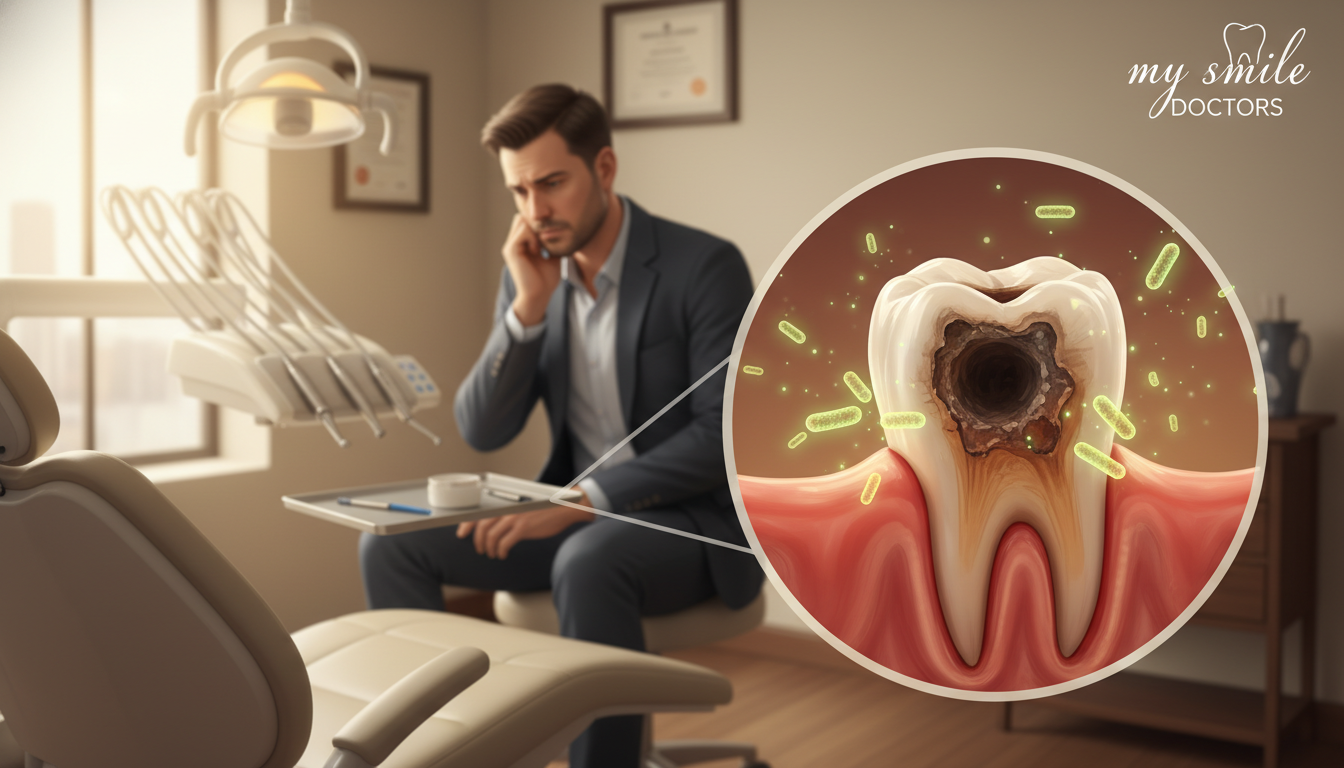
Leaving an infected tooth untreated increases the risk that bacteria will spread from the mouth into the bloodstream. This can cause fever and other systemic signs that affect overall health.
Delaying care for abscesses or similar problems often means the infection grows and moves into nearby tissues. That makes later procedures more complex and costly.
We urge patients to treat early signs seriously. Quick attention from our dentist reduces the chance of jaw damage and widespread infections. Early care usually preserves more of your natural teeth and speeds recovery.
| Delay consequence | What it may cause | What we recommend |
|---|---|---|
| Spread to jaw or gums | Bone loss or worsening pain | Book prompt assessment |
| Entry to bloodstream | Fever, systemic infections | Seek immediate medical attention |
| Longer, costlier care | More invasive procedures | Early intervention |
| Damage to nearby teeth | Loss of adjacent teeth | Preserve with timely care |
Our advice: prioritise care — early action protects your health, reduces complications and often avoids hospital-level intervention.
When to Seek Urgent Medical Attention at a Hospital
If breathing or swallowing becomes difficult, head to the nearest emergency department immediately. This strongly suggests the infection may have spread beyond the mouth and could threaten the airway or brain.
Signs of systemic infection
Go to hospital right away if you have trouble breathing or swallowing — these are critical warning signs of severe infection spread.
Other urgent signs include a high fever, marked swelling in the neck, a stiff jaw, or intense body discomfort. These symptoms show the infection may be affecting the whole body and need prompt medical review.
- If you cannot open your mouth or have severe neck swelling, seek immediate hospital care.
- A persistent high fever or feeling generally unwell are signs the infection is no longer localised.
- Your safety is our priority — if you suspect a serious progression, hospital assessment is vital.
“Recognising when an oral problem becomes a medical crisis can save lives — please act fast if you notice these signs.”
We will always support you in deciding when to go to hospital and will advise prompt follow-up with our clinic once you are medically stable.
Visiting Our Parramatta Dental Practice
Find calm, confident care close to home at our modern practice in the heart of Parramatta. We welcome people who need quick, compassionate support and clear advice.
Location: 37 Grose St, Parramatta, NSW, Sydney, Australia. Call 02 8036 2411 to book appointment times that suit you.
Our friendly team will organise an appointment and explain what to expect. We aim to reduce worry and make each visit as comfortable as possible.
- Visit our modern practice at 37 Grose St for compassionate, professional emergency dental care.
- Reach us at 02 8036 2411 to book appointment slots for urgent needs.
- Our dentist in the Parramatta area is focused on gentle, high-quality dental care and clear aftercare advice.
- We are equipped to handle a dental emergency and provide peace of mind through expert local care.
If you are in pain, please call us — our team is ready to assist with prompt care and the best possible treatment from our experienced dentist.
Conclusion
Prompt action for an infected tooth reduces the chance of wider complications and supports your overall health. Early care usually means less invasive work and a quicker return to comfort.
We are committed to high-quality, compassionate emergency dental treatment that focuses on your comfort and recovery. Our team explains each step so you feel confident about choices and next steps.
If you notice signs of infection, please book appointment slots with our Parramatta clinic as soon as possible. Early intervention helps avoid complex procedures and protects long-term wellbeing.
We are here to support your oral health journey—call us and let our team guide you to a healthy, pain-free smile.