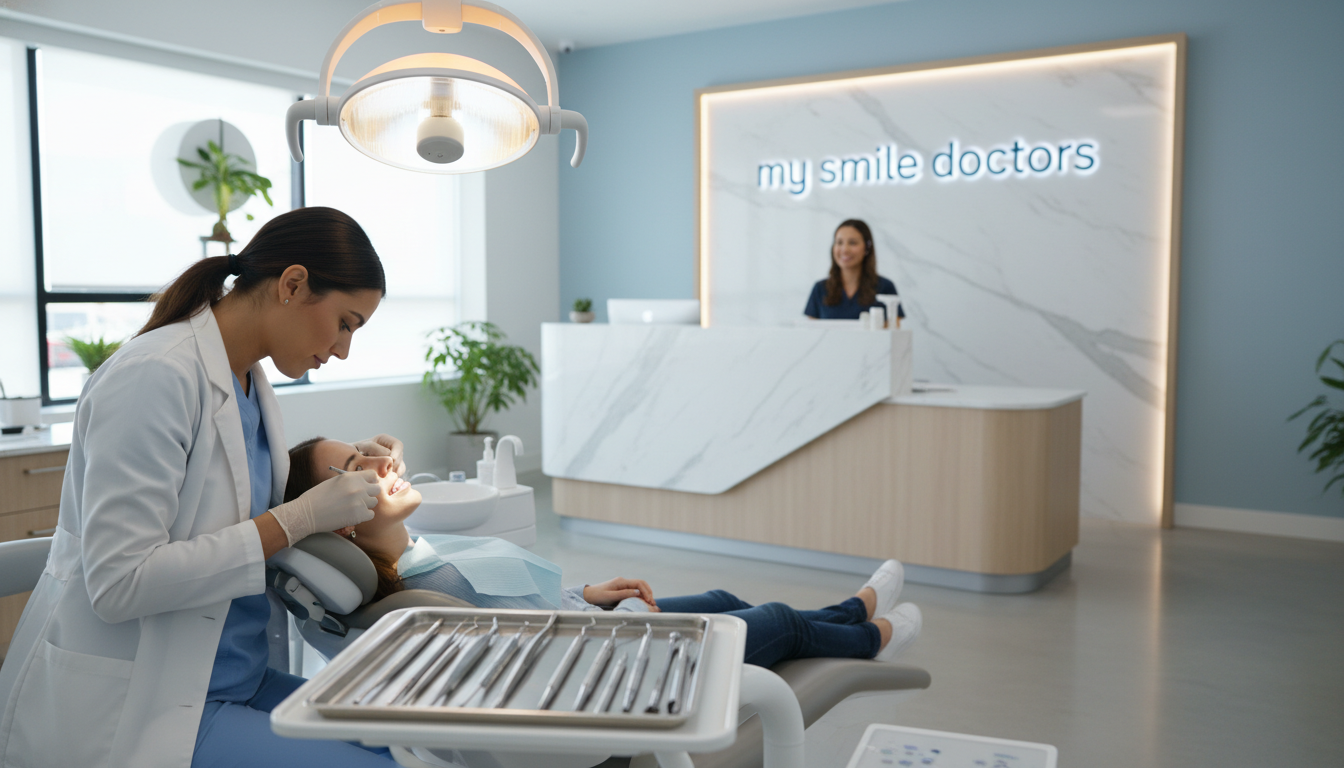
We’re here for you in Parramatta — welcoming families and busy professionals with calm, skilled care when a tooth problem or mouth pain interrupts your day.
Our team acts quickly to reduce pain, limit infection risk and restore comfort. We offer flexible open hours and focused treatment so you can get timely help when you need it most.
Comfort and quality matter to us — from gentle assessments to practical plans that suit your time and needs. If you need same‑day support, learn about our urgent care options at urgent care for tooth pain.
Key Takeaways
- We provide prompt, professional care to manage pain and reduce infection risk.
- Flexible open hours make it easier for families and workers to get help.
- Our approach is gentle, modern and focused on patient comfort.
- Same‑day attention helps prevent problems from worsening.
- We guide you through treatment options and follow‑up to protect oral health.
Understanding Dental Emergencies
When a sudden problem affects your mouth or teeth, quick assessment can change the outcome. A range of situations can qualify — from an accidental knock to severe toothache, persistent bleeding, infection or noticeable swelling.
Acting promptly matters. Early treatment increases the chance of saving a damaged tooth and helps prevent spreading infection. We recommend contacting a qualified dentist as soon as possible for an assessment and plan.
Our team provides comprehensive emergency dental care and focused treatment to protect your oral health during unexpected events. Whether you attend a public dental clinic or our practice, professional management makes complex problems easier to resolve.
- Affected teeth and mouth injuries need swift, skilled attention.
- Prompt treatment improves outcomes and reduces infection risk.
- We offer supportive, high‑quality services and clear follow‑up to aid recovery.
When to Seek Emergency Dental Hygiene Appointments
Not every mouth concern needs urgent care, but some signs mean you should get professional help quickly.
If you notice severe pain, visible swelling or uncontrolled bleeding, contact our clinic right away. These symptoms can point to a dental emergency that needs fast treatment to protect your health and comfort.
When you are unsure whether the issue is urgent, try a reliable teeth and symptom checker or call us for advice. We can guide you on next steps and whether an in‑clinic review is needed.
- We offer extended open hours and on‑call dentists so your needs are met without delay.
- Many patients find daytime visits give the best chance to resolve sudden problems quickly.
- We provide both public dental and private services to match different care needs.
| Sign | Usual action | When to call our clinic |
|---|---|---|
| Severe pain | Pain relief and assessment | Same day for treatment |
| Swelling or fever | Monitor and manage at home | Call immediately — infection possible |
| Lost filling or broken tooth | Keep area clean, avoid chewing | Book an urgent appointment for repair |
We aim to keep your care calm and effective. If you’re unsure, reach out — we will help you decide the best path for treatment and wellbeing.
Immediate Actions for a Knocked Out Tooth
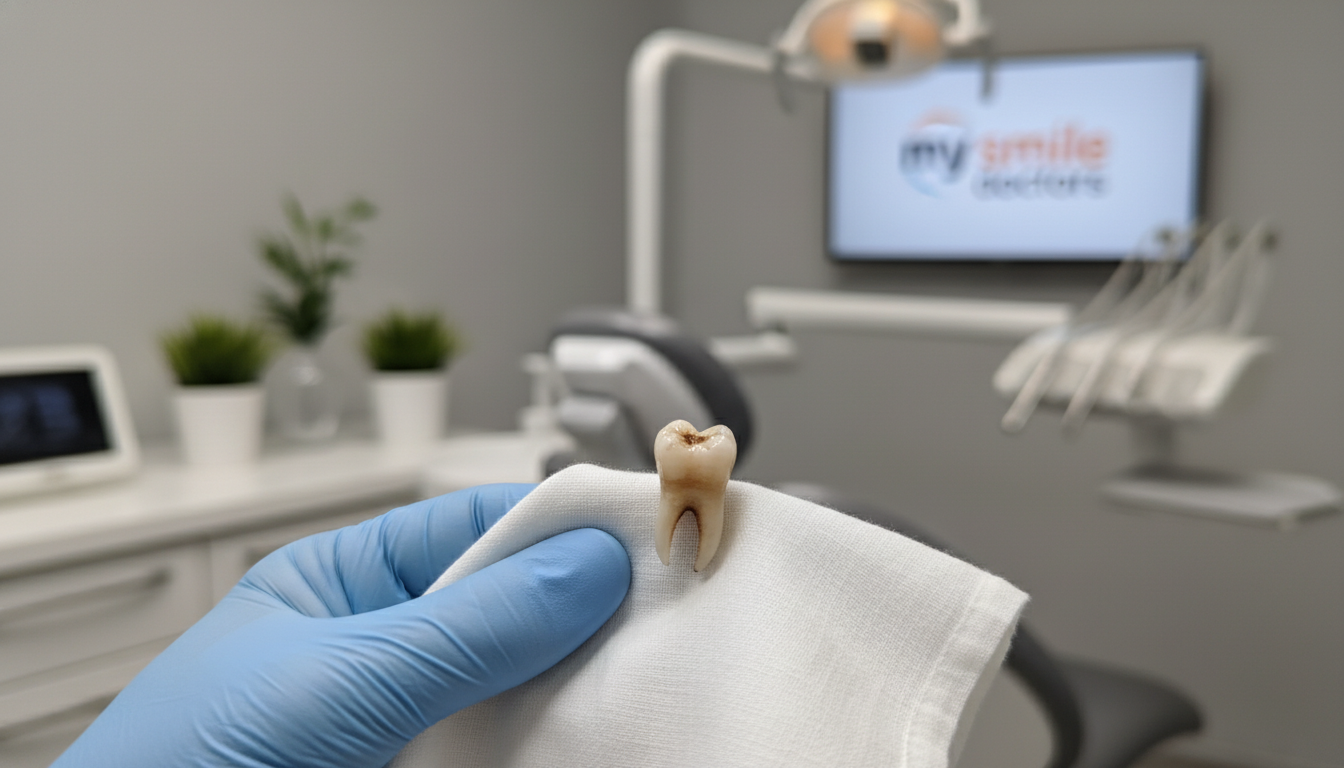
A knocked‑out tooth needs calm, quick action to give the best chance of saving it. Time matters — the sooner the tooth is treated, the better the outcome.
Permanent Teeth
Handle the crown only. Never touch the roots. If the tooth is dirty, rinse it briefly in milk or contact lens saline — avoid scrubbing or using tap water for long.
If possible, try to replant the tooth gently into the socket. If you cannot, keep it moist by placing it in a container of milk or tucked inside the cheek.
Act fast — time affects success rates. Contact our clinic for immediate care so we can assess and provide appropriate treatment.
Baby Teeth
Do not replant a knocked‑out baby tooth. Replanting can damage the developing adult tooth beneath the gums.
Keep the child comfortable, control bleeding with gentle pressure to the gums, and seek professional advice promptly.
- We provide prompt treatment for these kinds of dental emergencies to help save natural teeth where possible.
- Please call our team for an emergency appointment — expert dental help is essential for the best result.
Managing Severe Toothache and Discomfort
When a tooth causes sharp or constant pain, simple steps can ease symptoms until we can help. Rinse your mouth gently with warm water to remove debris. This soothes the area and helps us assess the problem later.
Apply a cold compress to the cheek to reduce swelling and numb the pain. Use short intervals — 10–15 minutes on, then a break — to protect the skin.
Do not place aspirin or other tablets directly on the gum. That can cause a chemical burn and make the pain worse.
- Our team will diagnose whether the pain is from a simple infection, a cracked tooth, or a more complex dental emergency.
- We offer emergency appointment slots so you can receive prompt dental treatment and relief.
- If pain spreads to the jaw, head or ear, call 13 HEALTH (13 43 25 84) to rule out heart‑related or other serious health issues.
| Home action | When to contact us | When to call 13 HEALTH |
|---|---|---|
| Rinse with warm water | Persistent or worsening pain | Pain in jaw with chest discomfort |
| Cold compress to cheek | Visible swelling or fever | Unexplained head, ear or jaw pain |
| Avoid aspirin on gums | Any bleeding that won’t stop | Signs of systemic illness |
We are here to help. Call or book so we can assess your tooth, stop the pain and plan appropriate treatment to restore your oral health.
Dealing with Abscesses and Facial Swelling
A swollen cheek or throbbing lump near a tooth often signals a spreading infection that needs prompt attention.
What is a dental abscess? It is a pus‑filled swelling caused by infection inside a tooth, the gums or after trauma. Left untreated, the infection can spread to the jaw or neck and affect overall health.
Recognising Serious Infection
Seek help without delay if the swelling worsens, you have a fever, or the area feels warm and red. These signs mean the body is fighting a serious problem.
- A dental abscess is a serious infection that requires immediate care to prevent spread to the jaw or neck.
- Contact our dentists if you notice red, swollen gums or facial swelling — these are common signs of a dental emergency.
- We provide urgent dental services to manage pain and protect oral health for adults and children.
- If you have trouble swallowing, breathing, or opening your mouth, seek treatment immediately to protect overall health.
- We are available during our operating hours to respond to your dental needs and provide the right treatment.
“Prompt assessment and targeted treatment reduce complications and restore comfort.”
Addressing Chips, Fractures, and Cracks
When enamel breaks or a tooth splits, timely care can prevent pain and preserve your natural tooth. We assess the damage and explain practical options in plain terms.
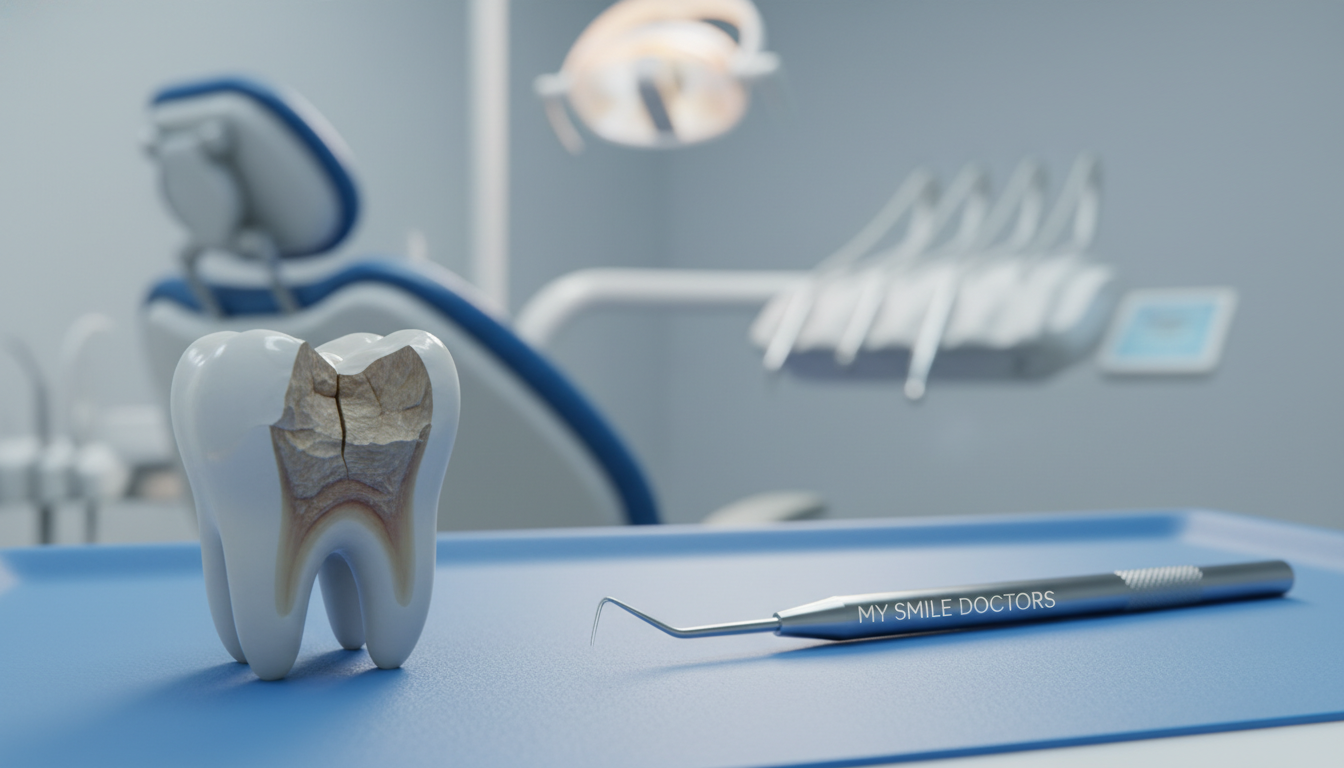
If you see a pink area in the damaged tooth, the nerve may be exposed and you need immediate treatment. This is a serious sign and should be managed right away to reduce risk of infection or further loss.
If the chip is small and not painful, you should still see your dental practitioner as soon as you can. Early attention helps us repair enamel and protect the tooth from cracking deeper or becoming infected.
- We recommend you seek dental care immediately for chipped or fractured teeth to limit harm.
- Our team provides expert dental treatment for cracked teeth, aiming to preserve natural structure whenever possible.
- We offer calm, compassionate care to ease stress and restore your smile.
“Quick assessment and clear treatment options protect your tooth and give the best chance of saving it.”
Please contact our office to arrange an assessment if trauma has caused a chip, fracture or crack — we will guide you through each step of care.
First Aid for Bitten Lips or Cheeks
Soft‑tissue bites inside the mouth are common; knowing the right first aid reduces pain and the chance of infection.
Rinse gently with warm salt water — mix half a teaspoon of salt in a glass of warm water. Use the rinse several times a day to keep the area clean and support healing.
Small bites often look like a chemical burn, especially after local anaesthetic, so watch the site closely. If swelling, persistent bleeding or increasing pain occurs, contact us for prompt assessment.
Our team provides emergency care when soft tissue injuries need extra attention. We will check for deeper damage and advise whether further treatment is required.
- Use warm saltwater rinses to reduce infection risk and soothe the area.
- Monitor the wound — many cheek injuries heal without intervention.
- Seek help if bleeding won’t stop or pain gets worse.
We are here to guide you through simple home care and to offer timely support if the injury needs professional treatment.
Controlling Bleeding and Soft Tissue Injuries
Controlling bleeding in the mouth relies on simple steps you can do immediately at home. Sit upright and apply a clean bandage or folded handkerchief to the wound.
Hold firm, steady pressure for at least 10 minutes without checking too often. This pause helps blood clot and reduces the chance of further bleeding.
Do not lie down flat — staying upright lowers blood flow to the head and makes control easier. After pressure, rinse gently with warm water or a mild salt solution to clean the area.
If bleeding still does not stop after 10 minutes, seek immediate medical attention to protect your safety and wellbeing. Persistent bleeding raises the risk of complications and needs prompt assessment.
- Apply firm pressure while sitting upright to control bleeding from gums or soft tissue.
- Avoid lying flat — it can increase bleeding and discomfort.
- We provide emergency care to help people with these injuries and reduce infection through careful cleaning and advice.
“A calm approach and correct first aid reduce pain and lower the chance of infection.”
We are here to support you — call our team if you need professional treatment or reassurance after a mouth injury.
Relieving Jaw Pain and Discomfort
Jaw discomfort can start slowly or arrive suddenly, and simple measures often ease symptoms while you wait for care.
Apply a cold compress to the cheek for 10–15 minutes, then rest for the same length of time. Take over‑the‑counter pain relief as directed for short‑term comfort.
Call 13 HEALTH (13 43 25 84) if your jaw pain comes with chest tightness, shortness of breath or other signs that could affect heart health.
- We assess the likely cause — muscle strain, TMJ issues, infection or referred pain — and explain the best next steps.
- Our team offers clear guidance and a tailored treatment plan to address underlying problems and restore comfort.
- If jaw pain is severe or sudden, it can signal an emergency and needs prompt attention.
| Action | When to use | Follow-up |
|---|---|---|
| Cold compress | Immediate pain or swelling | Use intermittently; seek review if lasting >48 hours |
| OTC pain relief | Moderate discomfort | Follow instructions; contact us if ineffective |
| Call 13 HEALTH | Jaw pain with chest or breathing signs | Seek urgent medical assessment |
We are here to help— contact our clinic to discuss symptoms and arrange a prompt assessment so you can get lasting relief and protect your overall health.
Our Parramatta Dental Clinic Location and Contact Details
You can easily reach our clinic on Grose Street for prompt, compassionate help when a tooth problem disrupts your day. We welcome families and busy people, and aim to make care straightforward and calm.
Visit Our Parramatta Practice
Address: 37 Grose St, Parramatta, NSW, Sydney, Australia.
Who we see: patients of all ages, including children, for urgent tooth concerns and ongoing dental care.
Call for Urgent Assistance
Phone us at 02 8036 2411 to book an emergency appointment; our dentists are ready to discuss treatment and next steps.
Outside our open hours, call 1800 098 818 for after‑hours advice and support.
| Item | Details | Best time to contact |
|---|---|---|
| Location | 37 Grose St, Parramatta, NSW | During clinic hours |
| Phone (clinic) | 02 8036 2411 | Day — book or get advice |
| After‑hours line | 1800 098 818 | Outside open hours |
| Services | Same‑day care, public dental options and treatment for urgent needs | Ask when you call |
We’re here to help — if you need more information about our services or want compassionate care in Parramatta, visit compassionate care in Parramatta.
“Quality care close to home makes a big difference when people need quick, confident help.”
Conclusion
Knowing what to do and when to seek help saves time and often protects natural teeth. We hope this guide gives you clear steps to manage pain and act with confidence.
Time matters: a quick response can be the difference between saving a tooth and needing more complex treatment. Call us during clinic hours or after hours if you need urgent advice or an appointment.
Our team is committed to high‑quality dental care and friendly support. We provide practical services to protect your oral health and help your family stay comfortable and well.
Thank you for trusting us — we look forward to helping you keep a healthy, pain‑free smile.