
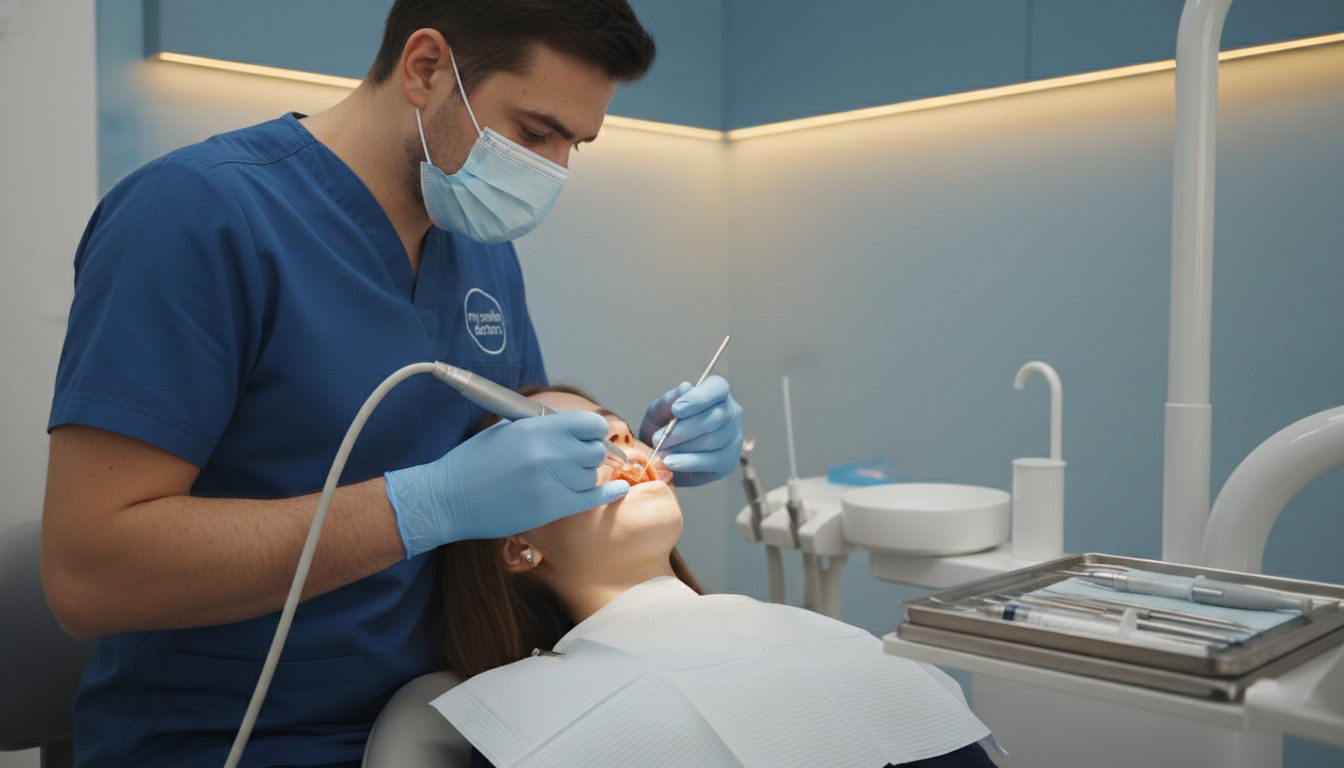
We’re here for you. If you face sudden tooth pain, our compassionate team will act quickly to restore comfort and function. We know how worrying a dental crisis can be, so we make care easy and calming.
Call 02 8036 2411 and you’ll reach a skilled dentist who will assess your needs and explain the procedure in plain language. Our priority is a precise root procedure that treats the cause of your pain and protects your smile.
Timely action matters. When you call our emergency line, you connect with a caring team that places your comfort first. We aim to make each visit smooth, respectful and focused on quality care.
Key Takeaways
- Call 02 8036 2411 for prompt, professional support.
- We provide fast, compassionate care for sudden tooth pain.
- Our dentist explains the procedure clearly and kindly.
- Timely intervention helps protect your oral health.
- We make every visit calm, efficient and focused on you.
Understanding Dental Emergencies
When severe tooth pain starts, prompt assessment and care make all the difference.
Some issues need a same-day appointment to stop infection and save the natural tooth. Other problems can wait for routine care. We help people tell the difference so they act at the right time.
Our team provides expert root canal therapy and clear guidance during stressful moments. We explain options in plain language and outline what an urgent visit will involve.
- Sudden, sharp pain that wakes you at night — seek urgent assessment.
- Swelling or fever with tooth pain — needs prompt professional care.
- Persistent sensitivity or deep decay — may require specialist therapy.
| Situation | When to Book | Likely Approach |
|---|---|---|
| Mild sensitivity | Regular appointment | Check-up, preventive care |
| Severe, constant pain | Urgent appointment same day | Root canal therapy or pain relief |
| Swelling or spreading infection | Immediate assessment | Specialist canal therapy and antibiotics if needed |
Signs You Need Emergency Root Canal Treatment
If your tooth aches steadily and won’t ease, that pain can mean an infection has reached inner tissues. We assess signs quickly so you get relief and a clear plan.
Physical Indicators
Visible swelling or pus near the affected area suggests the pulp and nearby root canals are compromised.
Small bumps on the gum or obvious damage to a tooth also point to bacterial invasion.
“Severe, constant pain often signals an infection deep inside tooth structures,” says Dr Paez, our experienced emergency dentist.
Systemic Symptoms
A fever over 38.5°C with tooth pain shows your body is fighting a spreading infection.
That systemic response means you should see an emergency dentist without delay.
- Persistent pain and swelling can damage the tissue inside tooth and nearby bone.
- We examine nerves and blood vessels in the pulp to decide if root canal therapy is the best option.
- Early action increases the chance of saving your teeth and protecting overall oral health.
Why Prompt Intervention Matters
Swift action can stop bacteria spreading from a painful tooth into nearby jawbone and soft tissue. We prioritise early assessment to limit damage and protect your oral health.

Ignoring persistent tooth pain or swelling may allow an abscess to form. That makes canal treatment more complex and recovery longer.
Our dentist stresses that early care keeps more options open and helps preserve the natural tooth structure. Acting quickly often means a simpler, more successful outcome.
- Prevent spread: prompt care reduces bacterial invasion into bone and soft tissue.
- Avoid complications: untreated infection can escalate and increase discomfort.
- Preserve tooth: early action boosts the chances of saving the natural tooth.
“Timely management is the most effective way to protect overall health and limit how much treatment is needed later.”
What to Expect During Your Emergency Root Canal Treatment
First, our team performs targeted imaging and a clinical exam to pinpoint the affected area and signs of infection. This initial assessment helps us decide if a root canal procedure is the best option and lets you understand the care plan.
Initial Assessment
We use X-rays and modern scans to view tissue inside tooth and the nearby blood vessels. The dentist explains findings in plain language and answers questions so you feel informed.
The Procedure
The actual procedure typically takes about 60–90 minutes. We remove infected pulp, disinfect the canals and place a protective temporary filling to relieve pain.
When suitable, we offer CEREC same-day crowns to restore strength and bite function in a single visit.
Recovery Process
Most patients recover in a few days and follow simple aftercare steps to manage mild discomfort. We schedule follow-up appointments to check healing and place the final crown.
“Choosing preservation over extraction helps protect your bite and long-term oral health.”
For more detail on what happens during and after your visit, see our guide on what to expect during and after emergency root.
Benefits of Saving Your Natural Tooth
Preserving a natural tooth often gives better long-term outcomes than replacing it. When a tooth is saved with a successful root canal treatment, you keep chewing strength and a natural feel.
High success rate: Clinical studies show a preserved tooth has an 85–95% success rate when cared for correctly. That means fewer replacements and less disruption to daily life.
Following the procedure with a durable crown or filling restores strength and helps you enjoy favourite foods without extra damage. Keeping the tooth also protects jaw bone and prevents adjacent teeth from shifting after an extraction.
“Saving a natural tooth preserves function, appearance and comfort for many years.”
| Benefit | Why it matters | Typical outcome | Care needed |
|---|---|---|---|
| Strength restored | Prevents bite problems | Normal chewing | Crown or filling |
| High longevity | 85–95% success | Years of service | Good oral hygiene |
| Protects jaw | Prevents bone loss | Stable bite | Regular check-ups |
| Avoids extra work | No bridge or implant needed | Less invasive care | Routine maintenance |
We emphasise consistent oral hygiene and regular reviews to protect your restored tooth and tissue. If you want more on preserving teeth and restorative solutions, see our restorative dentistry page for options and guidance.
Our Approach to Gentle Dental Care
We place patient comfort at the centre of every visit, using calm techniques that reduce fear and build confidence.
Anxiety-Free Techniques
We use gentle anaesthesia, soft-touch instruments and calming communication to make the procedure less stressful. These steps help patients relax and let us work precisely.
Our dentist explains all available options in plain language so you understand each stage. We outline the likely timeline, what to expect during the appointment and simple aftercare.
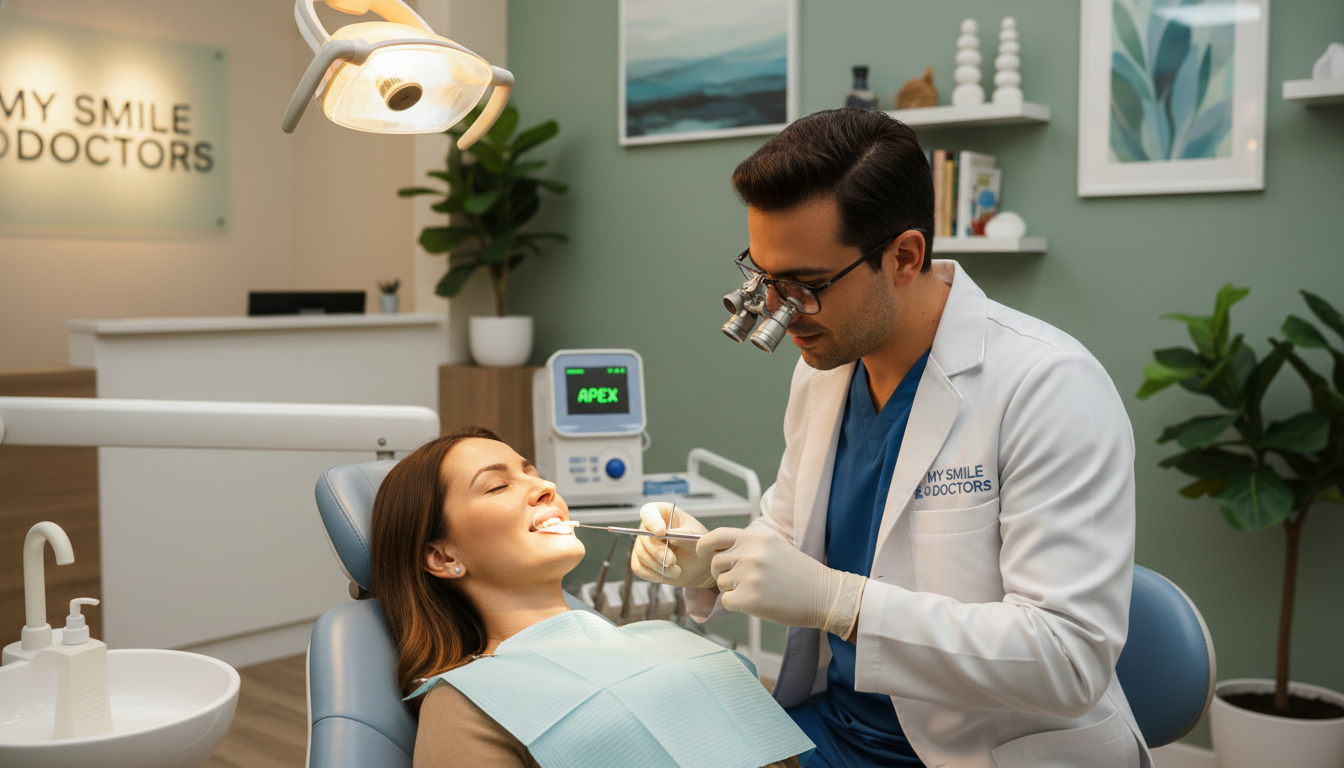
Personalised care is central—every plan is tailored to your tooth and overall health. We adjust techniques for anxious patients and offer sedation when needed.
- Calm environment and supportive staff.
- Clear explanations of options and next steps.
- Hands-on, patient-focused therapy to restore comfort.
“Our aim is to make saving a natural tooth as comfortable and straightforward as possible.”
Visit Our Parramatta Dental Clinic
Find prompt, professional support at our centrally located Parramatta practice on Grose Street.
Address: 37 Grose St, Parramatta, NSW, Sydney, Australia.
Please call us at 02 8036 2411 to schedule your appointment and receive fast, professional care that focuses on comfort and clear communication.
- Our modern clinic at 37 Grose St welcomes families and professionals seeking timely dental support.
- We provide a comfortable, calming environment designed to reduce anxiety and deliver quality care.
- We are proud to serve the Parramatta community with accessible, high-standard dental services.
- Our team is ready to answer questions and help you plan your visit—before, during and after care.
- Convenient location in the heart of Sydney makes arriving simple for busy schedules.
“We aim to make your visit straightforward, caring and centred on restoring comfort and confidence.”
Call 02 8036 2411 if you need guidance or to arrange a prompt visit—our team will support you every step of the way.
Preparing for Your Emergency Appointment
Gathering previous X‑rays, medication details and a short note of recent symptoms will speed up your assessment and help our dentist plan care.
Bring:
- Any dental records or X‑rays you have.
- A list of current medications and allergies.
- Clear notes about the timing and type of tooth pain or swelling.
Avoid hard or sugary foods before you arrive. This reduces the chance of aggravating the affected area and may relieve discomfort before your visit.
Maintain good oral hygiene but be gentle near the sore spot. If swelling or pain is present, we can advise simple over‑the‑counter options to relieve pain until you see us.
“A little preparation helps us deliver faster, more precise care and eases your experience.”
If you’re ready to book, use our simple online form to secure appointments—visit our booked appointment page and we’ll confirm a time that suits you. We aim to make every visit efficient, comfortable and focused on protecting your oral health.
Conclusion
Choosing prompt professional care can protect your smile and reduce recovery days. If you have persistent tooth pain or signs of infection, early action gives the best chance to save the tooth.
Our team offers expert root canal therapy and personalised options to restore oral health and relieve discomfort. We explain each step clearly and support patients through the process.
Don’t wait for symptoms to worsen—contact us today to discuss your options and get timely relief. For more guidance on when to seek urgent care, see our helpful guide at how to know when action is.