

Noticing that your little one might be experiencing a speech delay can naturally cause a sense of worry for any parent. Please know that you are not alone in this experience, and we are here to walk this path alongside your family.
Our team provides a warm, reassuring environment where we partner with you to address these developmental concerns with gentle care. We believe that early identification is the most effective way to support your child’s unique growth journey.
This guide offers a compassionate look at the signs you should watch for and the modern solutions available across Australia. We are committed to using our professional expertise to help your child find their voice and thrive in their daily life.
Key Takeaways
- Early identification of communication challenges leads to better long-term outcomes for children.
- Parents play a vital role as partners in the therapeutic process for their little ones.
- Modern Australian support services offer tailored strategies to suit individual developmental needs.
- Creating a nurturing home environment significantly boosts a child’s confidence and progress.
- Professional guidance helps remove the uncertainty often felt by families during this journey.
Understanding Speech Delay in Children
Every child develops at their own unique pace, yet understanding the nuances of language development is essential for providing the best care. We recognise that observing your child’s progress can sometimes bring up questions or concerns. By staying informed, you are taking a proactive step toward supporting your child’s communication journey.
What is Speech Delay?
A speech delay occurs when a child does not reach expected communication milestones at the typical age. While every child is different, it is helpful to know what to look for as they grow. It is important to remember that a delay does not always mean a long-term problem, but it does signal that your child may need a little extra help to find their voice.
Causes of Speech Delay
Many factors can influence how a child learns to communicate. Sometimes, the cause is related to physical challenges, while other times it involves developmental variations. We often look at several key areas when assessing a child’s needs:
- Hearing difficulties or chronic ear infections.
- Oral-motor challenges, such as tongue tie.
- Developmental conditions, including autism spectrum disorder.
- Environmental factors that impact daily interaction.
The Importance of Early Detection
We view early intervention as a cornerstone of our philosophy. Addressing concerns before they become significant barriers allows us to provide the tailored support your child needs to thrive. By identifying these patterns early, we can work together to create a nurturing environment that encourages growth.
Early intervention is not just about fixing a problem; it is about building confidence. When we act quickly, we provide children with the tools they need to express their thoughts and connect with the world around them. Your commitment to their development is the most valuable resource they have.
Common Signs of Speech Delay
We understand that noticing changes in your child’s communication skills is a significant step in their development. It is natural to feel concerned when your little one does not seem to reach the same milestones as their peers. Our goal is to help you distinguish between typical developmental variations and signs that may require a professional assessment.
Limited Vocabulary
A child’s vocabulary grows rapidly during the early years, but every child develops at their own pace. If you notice that your child uses very few words or struggles to add new ones to their repertoire, it might be a sign of a speech delay. We encourage you to observe how they express their needs and whether they attempt to imitate sounds or words during play.
Difficulty Pronouncing Words
It is common for young children to have trouble with certain sounds as they learn to speak. However, persistent issues where speech is consistently unclear to family members may indicate underlying speech disorders. We look for patterns where the child seems frustrated because they cannot be understood by those closest to them.
Challenges in Understanding Instructions
Effective communication skills involve both speaking and listening. Sometimes, a child may struggle to follow simple, age-appropriate instructions, which can be a sign that they are having trouble processing language. We also pay close attention to nonverbal communication, such as pointing, waving, or making eye contact, as these are vital precursors to verbal speech.
| Observation Area | Typical Development | Potential Concern |
|---|---|---|
| Vocabulary Size | Steady increase in new words | Stagnant or very limited word count |
| Clarity | Improving with age | Consistently unintelligible speech |
| Following Directions | Responds to simple requests | Frequent difficulty with basic tasks |
| Nonverbal Cues | Uses gestures to communicate | Lack of engagement or pointing |
By keeping a watchful eye on these areas, you are taking a proactive role in your child’s journey. Remember that identifying these signs early is the best way to ensure your child receives the support they need to thrive. We are here to provide the clarity and guidance necessary to reduce your anxiety and advocate for your child’s future.
Speech Milestones by Age
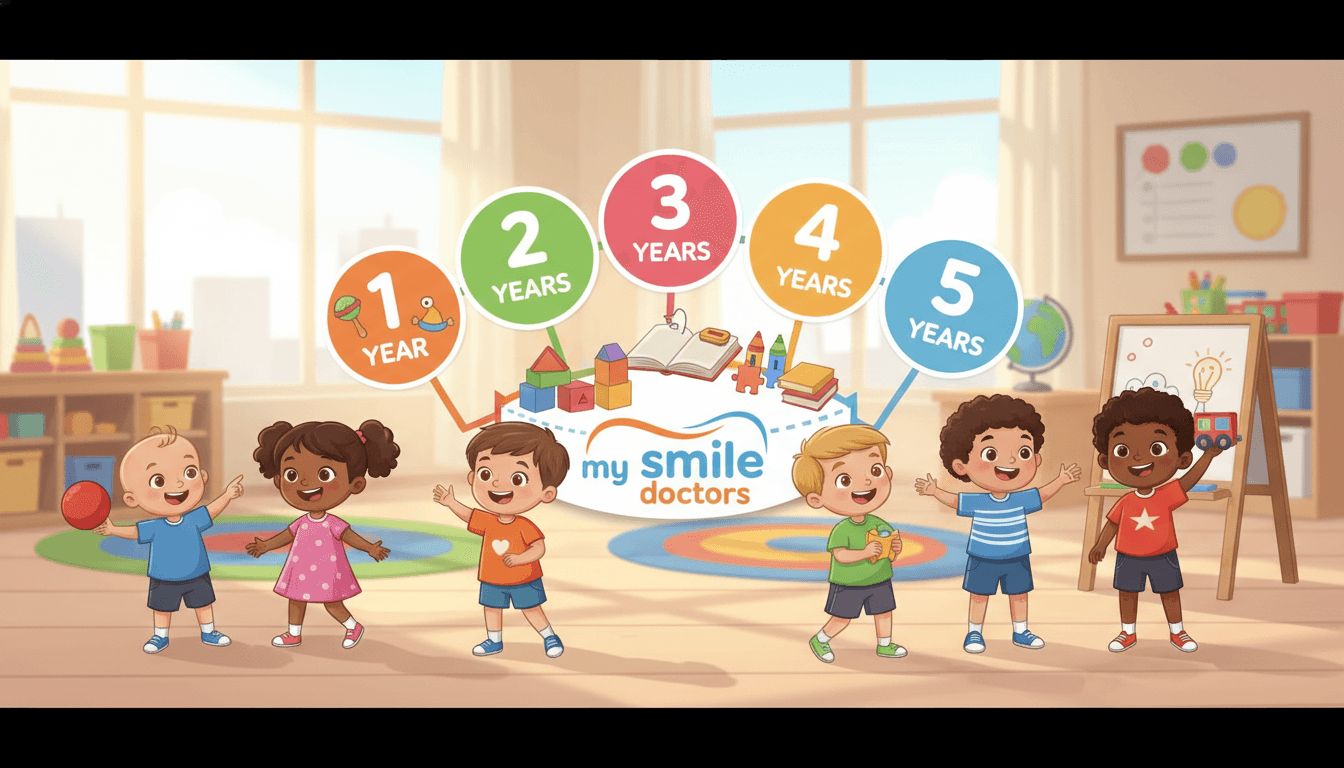
We believe that viewing developmental markers as a flexible guide helps parents better support their child’s natural progress. Tracking these stages provides a helpful roadmap for understanding your child’s unique growth trajectory. While we focus on language development, it is important to remember that every child moves at their own pace.
Early growth often begins with nonverbal communication, such as pointing, waving, or using facial expressions to share needs. These early interactions form the foundation for the words that will soon follow. We are always here to offer reassurance if you feel your child is not meeting these expected markers.
12-18 Months
During this exciting phase, children typically begin to use single words to label objects or people. You might notice them using nonverbal communication more intentionally to get your attention. They often understand far more than they can say, which is a normal part of this stage.
2-3 Years
This period marks a significant leap in language development as children start combining two or three words into simple sentences. Their vocabulary grows rapidly, and they begin to follow two-step instructions with more ease. It is a joy to watch them express their personality through their expanding speech.
4-5 Years
By this age, children usually speak in longer, more complex sentences that tell stories or describe events. Their language development allows them to engage in meaningful conversations with peers and adults alike. They are becoming confident communicators who can share their thoughts and feelings clearly.
| Age Range | Key Focus | Expected Progress |
|---|---|---|
| 12-18 Months | Nonverbal Communication | Uses gestures and single words |
| 2-3 Years | Language Development | Combines words into short phrases |
| 4-5 Years | Complex Speech | Tells stories and uses full sentences |
When to Seek Help for Speech Delay
You might wonder if your child is simply taking their time or if they need extra support. Navigating the path of early childhood development can feel like a complex journey, but you are never alone in this process. We are here to help you identify the right moment to reach out for professional guidance.
Recognizing the signs of a speech delay early on is the most effective way to ensure your child receives the support they deserve. By staying informed, you can make confident decisions that positively impact your child’s future communication skills.
Signs That Warrant Action
Every child develops at their own unique pace, yet there are specific developmental milestones that serve as helpful benchmarks. If your child is not meeting these targets, it may be time to consult with a professional.
Watch for signs such as a lack of babbling by twelve months, or the absence of single words by eighteen months. You should also consider seeking advice if your child struggles to follow simple instructions or seems frustrated when trying to express basic needs.
Early concerns regarding autism spectrum disorder or other developmental conditions are also valid reasons to seek an evaluation. Trusting your instincts as a parent is essential; if you feel something is not quite right, a professional assessment can provide much-needed clarity.
Professional Assessment
A formal evaluation is a compassionate and structured way to understand your child’s specific needs. Our team provides a supportive space where we look at the whole picture, ensuring that no concern is overlooked during the diagnostic process.
“The beauty of early intervention is that it provides children with the tools they need to bridge the gap, turning potential challenges into milestones of success.”
Timely speech therapy can make a profound difference in your child’s long-term confidence and ability to connect with others. We believe that early intervention is the cornerstone of effective communication development. By taking action today, you are investing in your child’s ability to express themselves clearly and navigate the world with ease.
Tongue Tie: Overview and Impact
We often find that addressing minor physical restrictions can unlock a world of clearer communication for young children. When we look at the root causes of communication challenges, we consider both developmental milestones and physical anatomy. Our team is dedicated to providing a gentle, supportive environment to help your child thrive.
What is Tongue Tie?
Tongue tie, medically known as ankyloglossia, is a common condition present at birth. It occurs when the thin strip of skin connecting the underside of the tongue to the floor of the mouth is shorter or tighter than usual. This physical tether can restrict the tongue’s range of motion, making it difficult for a child to move their tongue freely.
While it is a simple anatomical variation, it can have a lasting impact on a child’s daily comfort. We focus on identifying these barriers early to ensure your child receives the care they need for healthy oral development. Our approach is always centered on the long-term well-being of your little one.
How Tongue Tie Affects Speech
When the tongue cannot move with full flexibility, it can lead to challenges with articulation. This is particularly noticeable when a child attempts to make sounds that require the tongue to touch the roof of the mouth. If left unaddressed, these physical limitations may contribute to various speech disorders that affect a child’s confidence.
You might notice your child struggling with specific sounds or appearing frustrated during conversation. Common indicators that a physical restriction may be influencing their speech include:
- Difficulty lifting the tongue to reach the upper teeth.
- A tongue that appears notched or heart-shaped when extended.
- Challenges with clear pronunciation of sounds like ‘t’, ‘d’, ‘l’, and ‘s’.
- Visible frustration when trying to articulate complex words.
By addressing these physical barriers, we can often see significant improvements in a child’s comfort and clarity of speech. We are here to guide you through every step of the process, ensuring that your child feels safe and supported. Early intervention is a powerful tool in managing potential speech disorders and fostering a lifetime of confident communication.
Tongue Tie Clinic Sydney: Services Offered
At our tongue tie clinic Sydney, we believe that every child deserves a gentle and stress-free path to better communication. We understand that any procedure involving your little one can feel deeply personal and sometimes stressful for parents. Our team is dedicated to creating a warm, modern environment where your family feels supported and heard from the very first visit.
Assessment and Diagnosis
Our approach begins with a thorough and compassionate assessment to understand your child’s unique needs. We prioritise a patient-centered experience, ensuring that your child feels safe and comfortable throughout the entire diagnostic process. By using advanced, proven techniques, we can accurately identify if a tongue tie is impacting your child’s ability to feed or speak.
We walk beside you every step of the way, explaining our findings in clear and simple language. Our goal is to eliminate any fear or uncertainty by providing you with all the information you need to make informed decisions. You are an essential part of our care team, and your input is always valued during the diagnostic phase.
Treatment Options Available
When treatment is necessary, we offer modern and minimally invasive solutions designed to provide the best possible outcomes for your child. Our clinic focuses on high-quality care that minimises discomfort and promotes quick recovery. We utilise the latest technology to ensure that every procedure is performed with the highest level of precision and safety.
Choosing the right tongue tie clinic Sydney means choosing a partner who is committed to your child’s long-term well-being. We are here to answer your questions and provide the gentle, professional guidance your family deserves. Together, we can help your child overcome these early challenges and set them on a path toward confident communication.
Speech Therapy Solutions
We believe that every child deserves the tools to express themselves clearly and confidently. When a child experiences a speech delay, early intervention acts as a bridge to future success. Our team focuses on creating a positive, anxiety-free experience that encourages your child to engage and grow at their own pace.
Importance of Speech Therapy
Speech therapy is a transformative process that helps children build the communication skills necessary for both social and academic achievement. By addressing challenges early, we help children gain the emotional confidence they need to interact with peers and express their needs effectively. Our commitment is to provide high-quality care that fosters long-term development.
Types of Speech Therapy
There are various forms of speech therapy tailored to meet the unique needs of every child. Each approach is designed to target specific areas of development, ensuring that your child receives the most effective support possible. We work closely with families to determine the best path forward for your little one.
| Therapy Type | Primary Focus | Key Benefit |
|---|---|---|
| Articulation Therapy | Sound production | Clearer speech patterns |
| Language Intervention | Vocabulary and grammar | Improved sentence structure |
| Social Communication | Interaction skills | Better peer engagement |
| Oral-Motor Therapy | Muscle strength | Enhanced speech control |
By utilizing these diverse methods, we ensure that your child feels supported throughout their journey. We remain dedicated to providing a nurturing environment where progress is celebrated and every milestone is a step toward greater independence.
Parental Involvement in Therapy
You are the primary partner in your child’s development, and your daily interactions hold immense power. While professional guidance provides the roadmap, your consistent presence at home acts as the engine for lasting change. We are here to support you, ensuring you feel confident and empowered in your vital role as a caregiver.
By integrating simple strategies into your everyday life, you create a nurturing environment that reinforces the goals established during speech therapy. This collaborative approach helps bridge the gap between clinical sessions and real-world practice, making progress feel natural rather than forced.
Encouraging Communication at Home
Building stronger connections starts with small, intentional moments throughout your day. You can encourage language development by narrating your actions while you cook, clean, or play. This constant exposure to descriptive language helps your child map words to their environment.
It is also helpful to provide your child with ample time to respond during conversations. By waiting patiently, you show them that their attempts to share are valued, which significantly boosts their confidence and communication skills.
Activities to Boost Speech Development
Engaging in play-based activities is one of the most effective ways to foster growth. Whether you are reading a favourite book or playing with blocks, these moments are perfect opportunities to practice new sounds and vocabulary in a low-pressure setting.
The following table outlines simple, effective activities that you can easily incorporate into your family routine to support your child’s ongoing progress.
| Activity Type | Primary Benefit | How to Implement |
|---|---|---|
| Narrative Play | Vocabulary Growth | Describe toys and actions during play. |
| Shared Reading | Sentence Structure | Ask open-ended questions about pictures. |
| Daily Routines | Functional Language | Label items while getting dressed or eating. |
| Singing Songs | Phonetic Awareness | Use repetitive rhymes to build rhythm. |
Remember that every child develops at their own pace, and your patience is the greatest gift you can offer. By maintaining a positive and encouraging atmosphere, you provide the security your child needs to explore their voice and reach their full potential.
Support Groups and Resources in Australia
Building a circle of support is one of the most effective ways to navigate the complexities of speech development in Australia. We understand that this journey can feel overwhelming at times, but you do not have to walk it alone. Connecting with other parents who share similar experiences provides a unique sense of comfort and practical wisdom that is truly invaluable.

Local Support Networks
Many families find great relief by joining local community groups where they can share stories and strategies in a safe environment. These networks often meet at local community centres, libraries, or playgroups, offering a space for both children and parents to interact. Face-to-face connection allows you to build lasting friendships with people who genuinely understand the daily challenges you face.
We encourage you to reach out to your local council or community health centre to inquire about parent-led support groups in your area. These groups frequently host guest speakers, such as speech pathologists, who can offer professional insights in a relaxed setting. Sharing your experiences with others can help reduce anxiety and provide a stronger sense of confidence as you support your child’s progress.
Online Resources for Parents
In our digital age, high-quality information is often just a click away, providing flexible support that fits into your busy schedule. Several reputable Australian organisations offer comprehensive guides, webinars, and fact sheets designed to help parents understand speech milestones. These digital platforms serve as a reliable foundation for learning how to encourage communication at home.
Online forums and moderated social media groups can also be excellent places to find peer support and encouragement. When using these resources, we recommend sticking to verified Australian health websites to ensure the advice is both safe and evidence-based. Taking advantage of these tools allows you to access expert guidance whenever you need it, ensuring your family feels supported every step of the way.
Success Stories: Overcoming Speech Delay
Every child’s path to communication is unique, yet many families find comfort in shared experiences. Hearing about the progress of others can offer a profound sense of hope when navigating the challenges of a speech delay.
Real-Life Examples from Australia
Across Australia, we have seen countless children bloom after receiving the right support. For instance, families in local communities often share how early intervention transformed their daily lives, turning frustration into meaningful connection.
These stories highlight the resilience of children who once faced a significant speech delay. By celebrating small wins, such as a first word or a new sentence, parents find the strength to keep moving forward.
The Role of Professional Guidance
The journey toward better communication is rarely taken alone. A dedicated, compassionate care team plays a vital role in addressing a speech delay effectively. Professional guidance provides the structure and tools necessary for long-term success.
When experts and families work in partnership, the results are often life-changing. We are proud to support families as they overcome the hurdles of speech delay, ensuring every child has the chance to find their voice and thrive in their environment.
Conclusion: Path to Effective Communication
Navigating the world of speech development is a journey we are honoured to share with you. Every small step your child takes toward clear communication represents a significant victory for your family.
The future for children facing speech challenges remains incredibly bright when they receive the right support. By prioritising early intervention, you provide your child with the essential tools needed to express their thoughts and feelings with confidence.
Looking Toward a Bright Future
Modern therapeutic approaches continue to evolve, offering more effective ways to support young learners across Australia. Consistent engagement with specialists ensures that your child builds a strong foundation for social and academic success.
We believe that every child possesses a unique voice waiting to be heard. With dedicated care and the right professional guidance, your child can overcome obstacles and thrive in their daily interactions.
Guidance for Every Parent
Please remain patient and kind to yourself as you navigate these developmental milestones. Your unwavering commitment to your child’s well-being serves as the most powerful resource they have.
We stand ready to support you at every stage of this process. Reach out to our team whenever you need expert advice or a helping hand to ensure your child reaches their full potential.