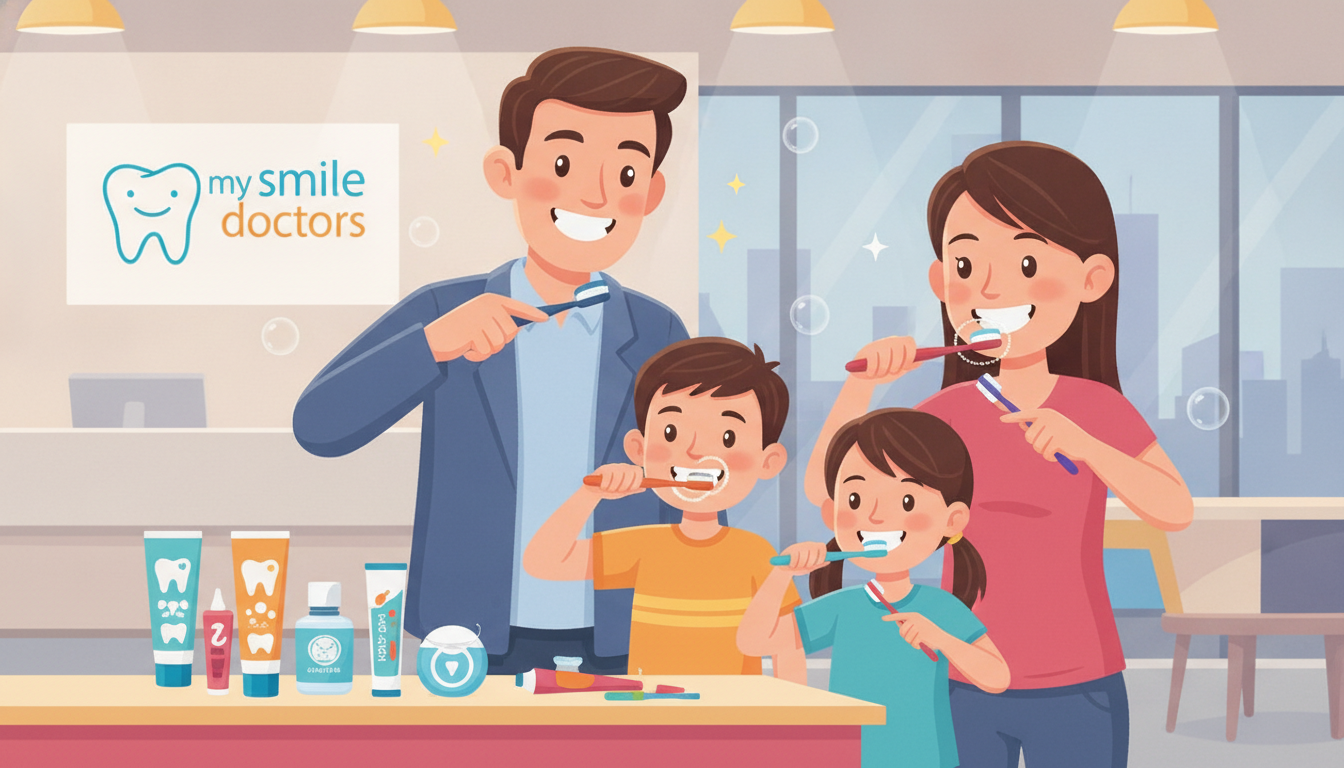
We know family life in Parramatta is busy — school runs, work and after-school activities leave little time for extra tasks. Still, a few simple steps each day protect your children’s and your own teeth, gums and overall health.
At our clinic on 37 Grose St, Parramatta, NSW 2150, we help families make care quick and effective. Small changes — like a reliable toothbrush routine, timely flossing and drinking fluoridated water — reduce plaque and the risk of tooth decay.
Call 02 8036 2411 to book an appointment with our dentist. We offer practical guidance, friendly treatment and support for common mouth conditions such as gingivitis, cavities and enamel wear. Our approach aims to save you time and avoid complex treatment later, while keeping every smile bright.
Key Takeaways
- Daily brushing and flossing protect teeth and gums from plaque and decay.
- Fluoridated water, limited sugary drinks and proper toothpaste reduce cavity risk.
- Replace your toothbrush regularly and check your tongue and gum health.
- Our Parramatta team provides simple, time-saving care — call 02 8036 2411.
- Early attention prevents complex treatment and keeps smiles comfortable and confident.
Why Oral Hygiene Matters for Busy Families
Even with a packed schedule, protecting your family’s mouth and teeth should stay simple and effective. Good oral health helps you speak clearly, taste food and share smiles — essential parts of daily life, says NIDCR Director Dr Rena D’Souza.
For busy households, consistent care is the main defence against plaque and tooth decay. Left unchecked, bacteria build up and can cause gum disease or worsen existing fillings.
We focus on prevention so problems do not grow into complex treatments. When you visit our dentist, we explain practical steps that remove bacteria and protect both teeth and gums.
“Maintaining good oral health is vital for your overall wellbeing and ability to enjoy life.” — Dr Rena D’Souza
Key benefits for families:
- Reduce plaque and lower risk of tooth decay.
- Keep gums firm and avoid gum disease progressing.
- Preserve existing dental work by removing bacteria daily.
| Concern | Why it matters | What we do |
|---|---|---|
| Plaque buildup | Leads to decay and sore gums | Simple routines and professional cleaning |
| Existing fillings | Still at risk without bacteria control | Targeted advice and check-ups |
| Gum disease | Affects comfort and long-term tooth support | Early detection and tailored care plans |
Essential Oral Hygiene Tips for Your Daily Routine
A few reliable daily habits protect your family’s teeth without adding stress to a busy day. We focus on simple steps you can keep up every morning and night to prevent plaque, decay and sore gums.
The Role of Fluoride
Fluoride is a mineral that strengthens the tooth’s outer surface, known as enamel, and helps guard against cavities. Use a fluoride toothpaste when you brush teeth twice a day to build that protective barrier.
Fluoride also fights the bacteria that cause tooth decay. If you’re unsure which product to choose, our dentist can recommend one tailored to your family’s needs.
Establishing a Consistent Schedule
Make brushing and flossing part of the daily routine — consistency prevents plaque and gingivitis from becoming long-term problems.
- Brush teeth twice a day with fluoride toothpaste.
- Floss once a day to reach between teeth and reduce cavities and gum disease.
- Use mouthwash at a different time than brushing to let fluoride do its work.
- Brush the tongue to remove bacteria and reduce bad breath.
“Consistent care is the best way to avoid the pain and expense associated with advanced tooth decay and gum disease.”
We are here to help you build a routine that fits your life — small changes now save time and worry later. Call our clinic to discuss personalised advice for your family.
Mastering the Art of Brushing
A calm, two-minute routine can make a big difference to your family’s tooth and gum health. We focus on simple steps you can use every morning and night so brushing becomes fast and effective.
Techniques for Effective Brushing
Brush for two minutes using gentle, circular motions. Take your time to cover every surface and focus along the gum line where bacteria gather and cause decay.
Use a soft-bristled toothbrush to protect tooth enamel while you clean each side. Replace the brush every three months so bristles stay effective at removing plaque.
- Brush teeth for two minutes—do this twice daily.
- Gently brush tongue surfaces to remove bacteria and reduce bad breath.
- Focus on the gum line to prevent gum disease and decay.
“Proper brushing preserves tooth enamel and helps prevent costly treatment later.”
| Action | Why it matters | How we help |
|---|---|---|
| Two-minute routine | Ensures all tooth surfaces are cleaned | We time and demonstrate techniques during visits |
| Soft-bristled brush | Protects tooth enamel from wear | Recommendations for best toothbrush types |
| Brush tongue | Removes bacteria that cause bad breath | Gentle methods shown by our team |
The Importance of Flossing Between Teeth
A quick, targeted floss each day keeps hidden plaque from causing harm. Flossing cleans the narrow spaces a brush cannot reach and helps remove plaque and food particles that hide between teeth.
If plaque is left, bacteria can harden into calculus beneath the gum line and cause inflammation. That can lead to gingivitis — a mild gum disease that often reverses with daily brushing and flossing.
We recommend using about 40–50cm of floss. Curve it gently around each tooth and slide it just below the gum line to lift away trapped debris.
Good oral hygiene includes daily flossing to keep teeth and gums healthy. If string floss is hard to use, we can show alternatives — interdental brushes or a water flosser work well to remove plaque.
Consistent care prevents disease from progressing. By taking the time each day to floss, you protect tooth surfaces that brushing misses and reduce the bacteria that cause decay.
Our team is happy to demonstrate technique and tailor solutions so your family can keep smiles strong and comfortable.
Choosing the Right Dental Products
The right tools and pastes can reduce problems, save money and support long‑term tooth health. We help busy families pick products that fit routines and reduce the risk of decay and gum disease.
Selecting a Toothbrush
Choose a soft‑bristled toothbrush to protect teeth and gums from unnecessary wear. Replace the brush or head every three months, or sooner if bristles look worn.
Understanding Toothpaste Varieties
We recommend a fluoride toothpaste to strengthen enamel and fight the bacteria that cause plaque and decay. For sensitivity, choose a paste formulated for sensitive tooth surfaces.
The Role of Mouthwash
Mouthwash can freshen breath and reach areas your brush misses, but it does not replace brushing and flossing. If you have dry mouth or other conditions, our dentist may suggest a specialised rinse or in‑clinic fluoride treatment.
| Product | When to use | Why it helps |
|---|---|---|
| Soft toothbrush | Twice daily when you brush teeth | Protects gums and cleans surfaces |
| Fluoride toothpaste | Each brushing session | Strengthens tooth enamel and lowers decay risk |
| Mouthwash | After brushing or between meals | Reduces bacteria and freshens mouth |
| Fluoridated water | Daily drinking water | Provides steady protection throughout the day |
We can guide your family through the many product choices and recommend what suits your needs. For child‑friendly options, see our guide on choosing the right dental products for.
Managing Diet and Hydration for Healthy Teeth
Small dietary swaps can protect tooth enamel and reduce the chance of cavities for busy households. Choose whole meals over frequent snacking to give saliva time to neutralise acids that harm enamel.
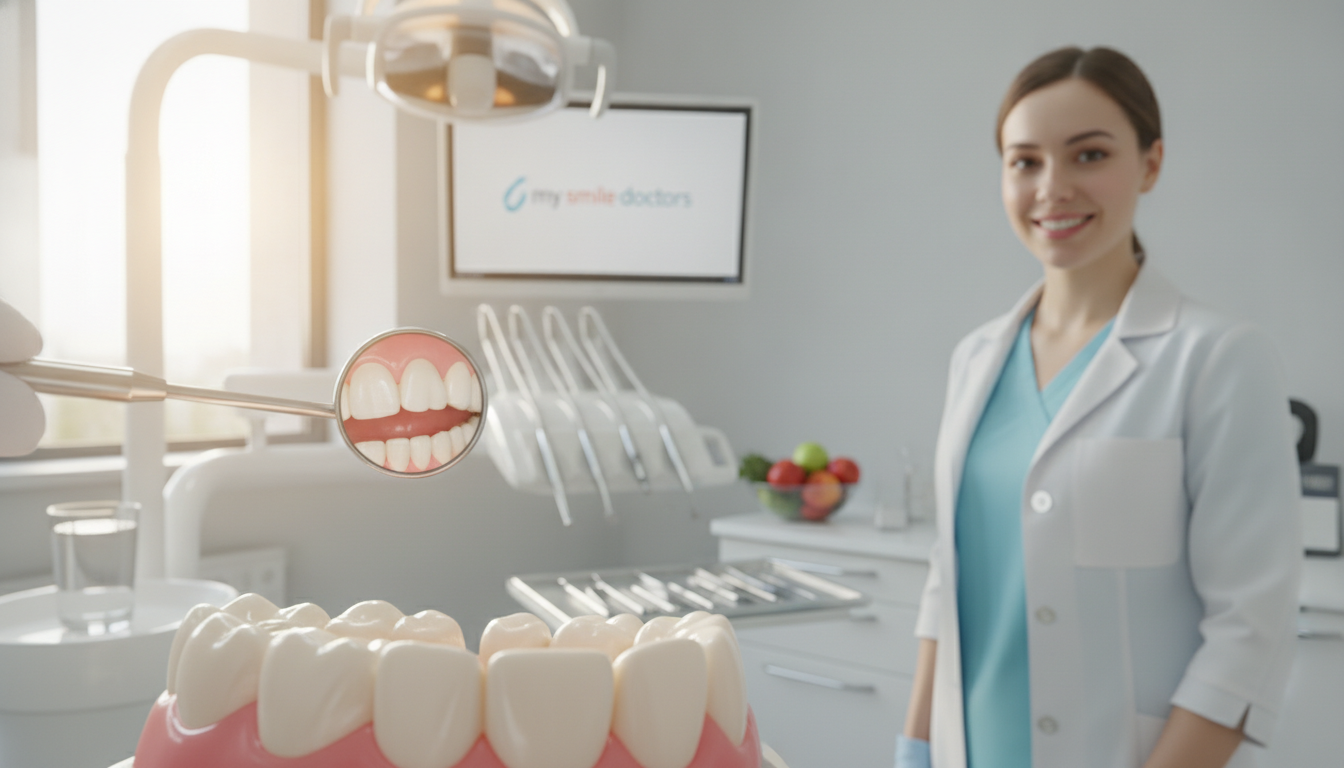
Limit sugary food and drinks — sugar converts to acid and starts the process of decay. Acidic fruit juices and soft drinks also wear down tooth enamel over time.
Drinking fluoridated water throughout the day keeps the mouth hydrated and provides steady protection for tooth enamel. Water helps prevent dry mouth and lowers plaque build-up between brushes.
“Simple swaps — water instead of a soft drink, a piece of fruit instead of lollies — make a real difference.”
- Choose water over sweet drinks to maintain neutral pH and protect teeth gums.
- Limit snacking so saliva can repair and dilute acids.
- Ask our team for tailored food choices to support overall health and reduce cavities.
| Food/Drink | Effect on teeth | Quick swap |
|---|---|---|
| Soft drinks | High acid and sugar — enamel loss | Fluoridated water |
| Sticky sweets | Prolonged sugar exposure — higher decay risk | Fresh fruit or cheese |
| Citrus juices | Acidic — can erode enamel | Water or diluted juice |
Tailoring Dental Care for Children and Teens
Starting gentle dental routines early gives kids confidence and protects developing teeth. We encourage simple, positive steps parents can use from the first tooth through the teenage years.
Encouraging Good Habits in Children
Take your child for their first check-up when the first tooth appears or by their first birthday. Early visits make the dentist familiar and reduce fear.
Practical daily guidance:
- Clean baby gums with a soft cloth as soon as the first tooth appears.
- For ages 3–6 use a pea-sized amount of children’s toothpaste and help them brush teeth twice a day.
- Assist with brushing and flossing until around age 8 to ensure thorough care.
- Teens should be prompted to brush and floss regularly as they gain independence.
- From age 6, a fluoride toothpaste helps protect developing tooth surfaces.
Our approach focuses on positive visits and tailored advice. We teach parents how to prevent early gum disease and build routines that keep teeth and gums healthy for life.
When to Visit Your Parramatta Dentist
Timely check-ups help us spot early signs of disease and plan simple care. We recommend visiting every 6 to 12 months for a professional check-up and cleaning.
Regular visits are essential for the early detection of tooth decay, gingivitis and other oral health conditions.
If you notice sensitive teeth, facial swelling or a persistent toothache, contact our clinic right away for prompt care.
Professional cleaning removes hardened calculus — the only way to stop it causing gum disease and more severe problems.
Patients with diabetes or other health issues should see us more often so we can manage risk and protect overall health.
“Early intervention keeps small issues from becoming complex treatment.”
| Reason to Visit | What We Check | Why It Matters |
|---|---|---|
| Routine check-up (6–12 months) | Teeth, gums, bite and screening | Detects decay early and maintains oral health |
| Sudden pain or swelling | X-ray and clinical exam | Resolve infection and reduce the risk of spread |
| Professional cleaning | Calculus and plaque removal | Prevents gingivitis and advanced gum disease |
| Medical condition follow-up | Tailored review and adjusted recall | Protects teeth and supports general health |
Our team provides anxiety-free care and comprehensive treatment plans so your teeth gums stay healthy. Regular visits let us monitor progress and help you avoid pain and complex procedures.
Contact Our Parramatta Dental Clinic
Reach out when it’s convenient — our team makes booking care for your family quick and simple.
Phone: 02 8036 2411
Address: 37 Grose St, Parramatta, NSW 2150, Sydney, Australia

We provide high-quality dental services in a modern, comfortable setting. Our staff focus on gentle, reassuring treatment to put patients at ease.
- Convenient location at 37 Grose St, Parramatta, NSW 2150, Sydney, Australia for family appointments.
- Call our friendly team at 02 8036 2411 to book your family’s next check-up during business hours.
- We deliver compassionate care in a welcoming clinic designed for comfort and safety.
- If you have questions about your health or need an appointment, contact our dentist today.
- Our mission is personalised treatment plans that help your family achieve optimal health.
“Prompt, empathetic care helps prevent small issues from becoming stressful problems.”
| Service | Why choose us | How to book |
|---|---|---|
| Routine check-up | Detect problems early and protect long-term health | Call 02 8036 2411 |
| Professional cleaning | Remove hardened deposits and refresh teeth | Schedule online or call us |
| Child and family care | Gentle, age-appropriate treatment | Book a family appointment |
For routine maintenance, consider our recommended six-monthly visit — book a six-monthly check-up and clean to keep smiles healthy and confident.
Conclusion
Small, steady steps at home keep family smiles strong and reduce the need for complex treatment. Maintaining oral hygiene and simple daily care helps protect tooth enamel and keeps plaque at bay.
Use fluoride toothpaste, drink fluoridated water, brush teeth twice a day and add a short flossing routine. Don’t forget to brush the tongue and replace your toothbrush regularly.
We’re here to support your family — regular visits to our dentist help prevent disease and give personalised treatment when needed. Thank you for trusting us with your family’s oral health — we look forward to seeing you at our Parramatta clinic soon.
FAQ
What daily routine do you recommend for busy Parramatta families to keep teeth and gums healthy?
We suggest a simple, consistent routine: brush twice a day for two minutes using a fluoride toothpaste, floss once daily to remove plaque between teeth, and rinse with a fluoride mouthwash if needed. Drink water regularly, limit sugary snacks and drinks, and schedule six-month check-ups with your Parramatta dentist — small steps that protect enamel and reduce the risk of decay and gum disease.
How does fluoride help prevent cavities and protect tooth enamel?
Fluoride strengthens enamel by making it more resistant to acid produced by bacteria after eating. It can also help remineralise early decay. We recommend using a toothpaste with fluoride and drinking fluoridated tap water where available to lower the risk of cavities across all ages.
What is the best brushing technique to remove plaque without damaging gums?
Use a soft-bristled toothbrush and hold it at a 45-degree angle to the gum line. Use gentle, short strokes along each tooth surface and brush the tongue to reduce bacteria. Avoid hard scrubbing — firm pressure can wear enamel and cause gum recession. An electric toothbrush can make effective brushing easier for busy families.
How important is flossing, and when should children start?
Flossing removes plaque where a brush can’t reach, reducing the risk of cavities and gingivitis. Children can begin flossing as soon as two teeth touch; parents should help young children until they can do it competently, usually around age 10. Daily interdental cleaning is a key habit for long-term gum health.
Which toothbrush is best — manual or electric?
Both can work well if used correctly. Electric brushes with a timer help ensure two full minutes of brushing and are often better at reducing plaque, especially for people with limited time or dexterity issues. Choose a soft-bristled head and replace it every three months or sooner if bristles fray.
How do I choose the right toothpaste for my family?
Look for toothpaste with fluoride and the Australian Dental Association (ADA) or similar approval. For children, use a low-fluoride or age-appropriate formula and a pea-sized amount. If you have sensitivity, enamel erosion, or a history of decay, we can recommend a specialised toothpaste during your visit.
Is mouthwash necessary and which type should we use?
Mouthwash can be a helpful addition — especially fluoride rinses for extra cavity prevention or antiseptic rinses for gum inflammation. It’s not a substitute for brushing and flossing. Choose alcohol-free options for children and people with dry mouth, and consult us if you’re on medications or have specific oral conditions.
How does diet affect teeth, and what drinks should we avoid?
Frequent sugary and acidic foods and drinks — soft drinks, fruit juices, sports drinks and sugary snacks — increase the risk of tooth decay and enamel erosion. Encourage water, milk and whole foods. If children have sugary treats, aim to limit frequency and have them with meals rather than as constant snacks.
What tips help encourage good habits in children and teens?
Make brushing and flossing a family routine — children copy adults. Use a fun timer or an electric toothbrush with a built-in timer, offer praise, and make dental visits positive with gentle, anxiety-free care. Teach teens about the effects of smoking, vaping and energy drinks on gum health and enamel.
How often should our family visit the Parramatta dentist, and what happens at check-ups?
We advise check-ups every six months for most patients. During a visit we review brushing and flossing, perform a professional clean to remove plaque and tartar, check for decay and gum disease, and screen for issues like enamel erosion or oral lesions. We tailor treatment plans to busy schedules and aim for comfortable, efficient care.
What should I do if a tooth is painful or there is sudden swelling?
Contact our clinic promptly — phone 02 8036 2411 — as pain and swelling can signal infection, decay or an abscess. While waiting for treatment, rinse with warm salt water, avoid very hot or cold foods if sensitive, and take over-the-counter pain relief if appropriate. Early treatment prevents complications and more invasive care.
Can we reduce dental anxiety for children and adults during appointments?
Yes — we focus on anxiety-free care using clear explanations, a calm environment and modern, gentle techniques. Tell us about fears ahead of time so we can prepare. Sedation options are available for specific needs, and we prioritise comfort, trust and a supportive approach for every patient.
Are there special recommendations for patients with gum disease or sensitive teeth?
For gum disease, consistent cleaning, professional scaling and improved home care are essential. We may recommend medicated mouthwashes or targeted treatments. For sensitivity, use a desensitising toothpaste, avoid aggressive brushing, and let us assess for enamel loss or exposed roots — personalised treatment can greatly reduce discomfort.
What emergency contact and booking options are available at your Parramatta clinic?
Call 02 8036 2411 to book appointments or arrange urgent care. We offer flexible scheduling to suit busy families, reminders for routine visits, and prompt attention for emergencies. Our team aims to provide convenient, high-quality care with a focus on comfort and lasting oral health.