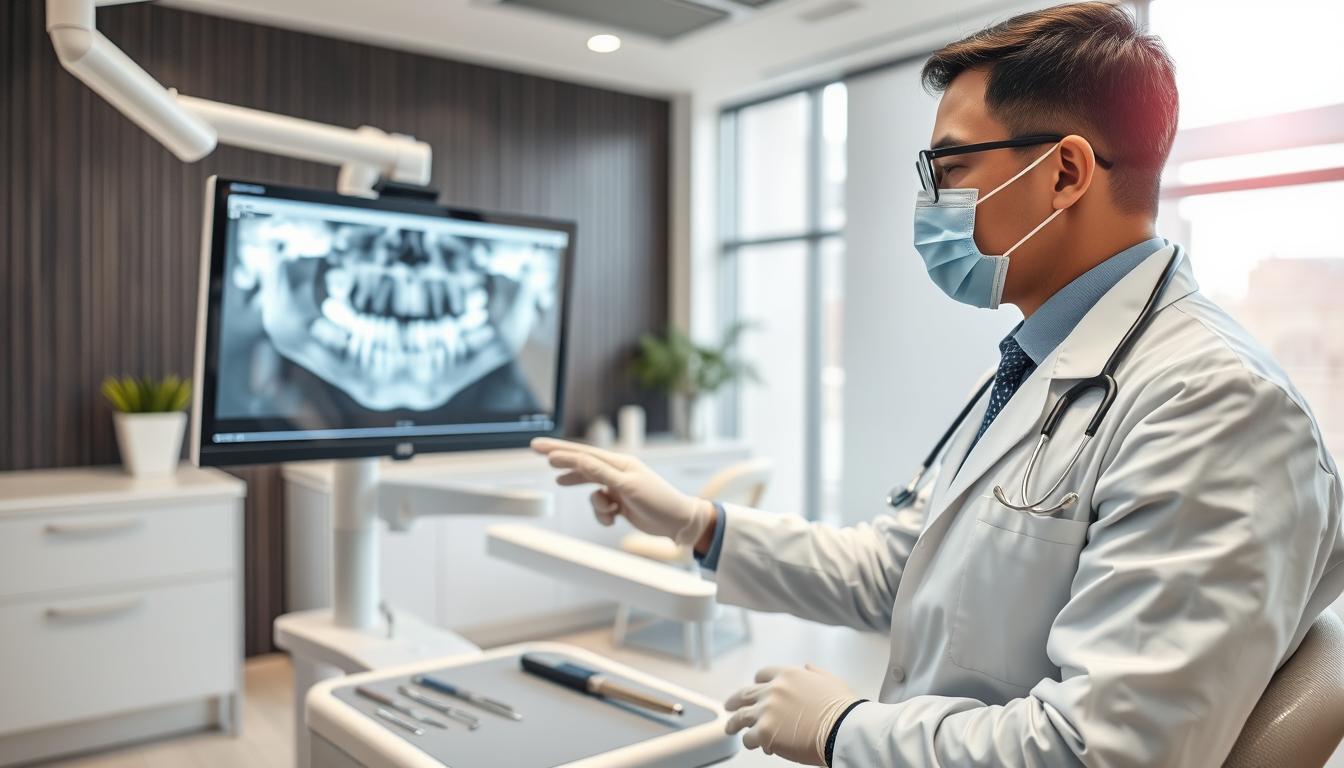
We provide professional wisdom tooth removal near parramatta with a calm, caring approach that suits busy families and professionals. Our team works closely with each patient — we explain steps clearly and use modern tools to make treatment precise and gentle.
Scheduling a teeth removal appointment can feel stressful, so we focus on comfort and clear communication. You can ring us at 02 8036 2411 to discuss your needs and book a time that fits your routine.
Our clinic offers affordable, high-quality care that balances technical skill and compassion. We aim to reduce anxiety with friendly staff, up-to-date equipment and attentive aftercare for every wisdom teeth removal case.
Key Takeaways
- We offer accessible, professional care for local patients.
- Booking is easy — call 02 8036 2411 to arrange an appointment.
- Our team combines modern technology with gentle, patient-focused treatment.
- Services are affordable and suited to families and working people.
- We prioritise comfort, clear communication and reliable aftercare.
Understanding Wisdom Teeth
Third molars can erupt smoothly for some, while others need closer attention from their dentist. These molars are the last set of back teeth and normally appear between 17 and 25 years.
Many people experience different outcomes — a few find their new teeth fit neatly, while other cases require monitoring. Our dentists check development during regular exams and note how the molars meet the gums and nearby tooth surfaces.
We work with patients to track progress in the mouth and give clear advice about options. Early monitoring helps prevent discomfort and protects long-term oral health.
What are Third Molars
Third molars are the final permanent molars to erupt. They can be helpful or problematic depending on angle and space.
When Do They Emerge
Most emerge in late teens to mid-twenties. If a dentist spots issues, we plan the right path for comfort and care.
Signs You Need Wisdom Tooth Removal Near Parramatta
Early signs are often easy to miss. Look for swelling or soreness in your gums and pressure at the back of the mouth. These can signal an impacted molar that may cause pain or infection.
When there is not enough space, teeth can push on neighbours and cause damage. Repeated gum inflammation or trapped food are red flags. We monitor developing problems closely to spot decay or pericoronitis before they worsen.
If you notice persistent discomfort, book an assessment promptly. Our team reviews symptoms and uses imaging to decide if an extraction will protect your long-term oral health.
| Symptom | Possible cause | What we do |
|---|---|---|
| Swelling of gums | Pericoronitis or infection | Clinical exam and antibiotics if needed |
| Pressure or shifting of teeth | Insufficient space, crowding | Radiographs and planned extraction |
| Repeated pain | Decay or impacted molar | Targeted treatment and follow-up |
| Bad taste or discharge | Infection | Urgent review and care plan |
The Importance of Professional Dental Assessment
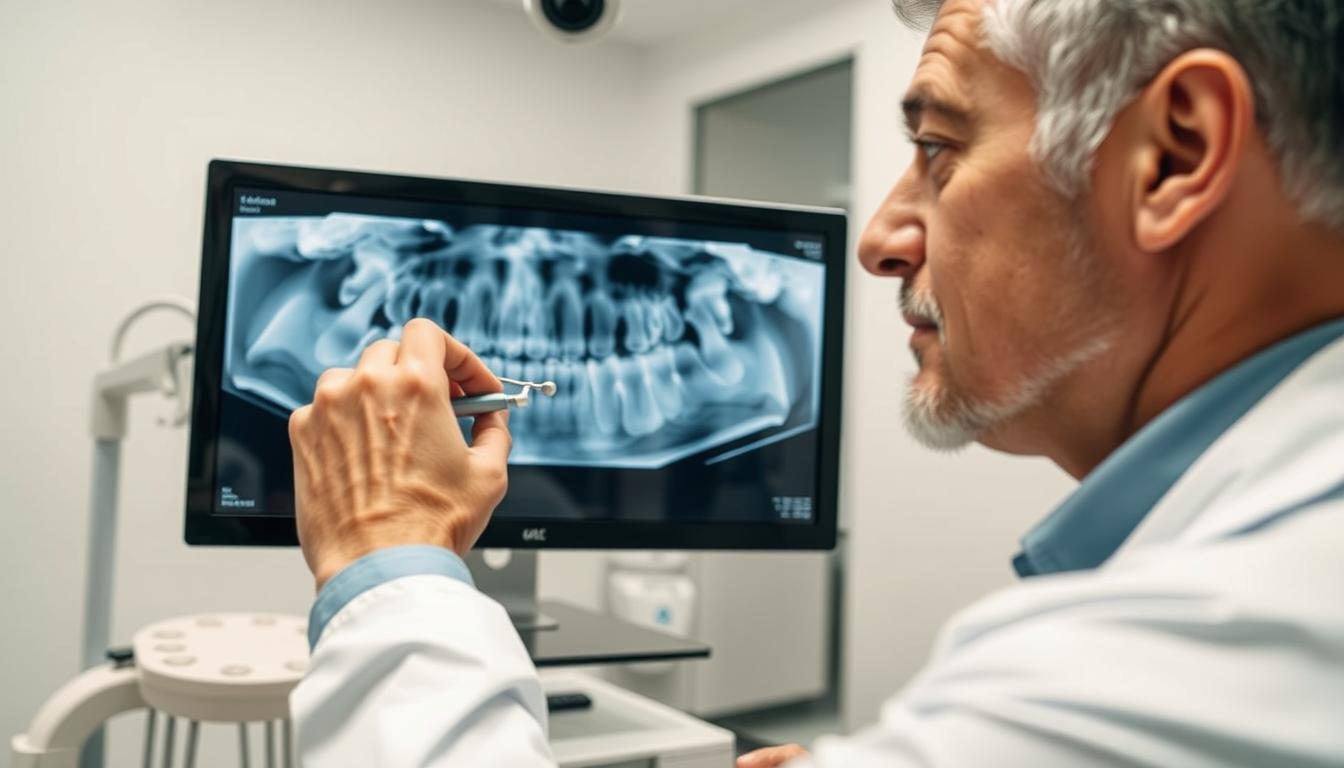
A careful check-up with modern imaging gives clear insight into how your back molars are developing. Early assessment reduces surprise pain and lets us plan sensible care for long-term comfort.
Monitoring Development with Radiographs
At our parramatta dental clinic we use advanced radiographs to track growth from first signs. Regular scans show how teeth sit, the angle of eruption and nearby bone support.
Early monitoring lets our dentist make evidence-based recommendations for each mouth. This helps protect adjacent teeth and keeps recovery simple if treatment is needed.
“Early imaging and clear planning give patients confidence and fewer complications.”
| Scan type | What it shows | When we use it |
|---|---|---|
| Periapical X-ray | Root detail and nearby teeth | Initial assessment |
| Panoramic X-ray | Overall jaw and position of molars | Growth monitoring |
| Cone beam CT | 3D anatomy and nerve location | Complex cases |
Our team combines scans with clinical checks to give patients a clear, caring plan. We aim to make every assessment calm and well explained, so you leave feeling supported.
Simple Versus Surgical Extraction Procedures
Not every case of extraction is the same — we tailor our approach to the needs in your mouth.
When a tooth is visible and accessible, a simple extraction under local anaesthetic is often all that is needed. This method is quick, predictable and keeps discomfort to a minimum.
By contrast, a surgical extraction is required when a molar is broken below the gums, impacted, or has complex roots. That may involve a small incision in the gum and careful removal of a bit of bone to free the tooth.
We assess each case individually, considering factors such as decay, gum disease and how teeth can fuse to bone over the years. Our aim is to choose the safest option to prevent infection or further damage.
“Choosing the right technique helps speed recovery and protects the surrounding teeth and gums.”
| Procedure | When used | Patient benefit |
|---|---|---|
| Simple extraction | Visible tooth with straight roots | Short procedure, local anaesthetic, quick recovery |
| Surgical extraction | Impacted, broken or curved roots | Controlled access, less risk of damage, tailored care |
| Assessment & planning | All complex or uncertain cases | Imaging guides safe extraction and reduces infection risk |
| Aftercare guidance | Every patient | Clear steps to heal and protect against disease |
For practical tips on how to prepare and recover well after treatment, see our guide to prepare and recover well. We handle every extraction with care, clear explanation and professional skill.
Managing Your Comfort During Treatment
Comfort during treatment comes from good communication and the right anaesthetic choices. We explain each step so you know what to expect before the procedure begins.
Local anaesthetic options
Local Anaesthetic Options
We use effective local anaesthetic to numb the area thoroughly. This lets us carry out the extraction while you stay relaxed and pain-free.
Most people feel only mild soreness for a few days afterwards. Our team provides simple pain control advice and follow-up care to support recovery.
Sedation dentistry techniques
Sedation Dentistry Techniques
For nervous patients we offer a range of sedation options — from oral sedatives to intravenous sedation. IV sedation helps people stay calm and unaware of time passing.
We discuss risks and benefits with you before any treatment. That way you choose the right approach for your comfort and safety.
“Our priority is a calm, supportive environment so every patient feels safe during extraction.”
- Clear explanation: we outline steps and expected recovery.
- Tailored care: sedation matches your needs and medical history.
- Aftercare support: we check in during the first days to manage pain and healing.
Wisdom Teeth Removal Cost Parramatta
Understanding the likely cost helps you plan and reduces stress before any extraction. At our NSW 2150 clinic a simple wisdom teeth removal commonly costs about $250.
Surgical extraction usually ranges from $350 to $450 depending on complexity and the position of the roots. We look at radiographs and clinical findings first.
We offer a transparent consultation where our dentist examines the roots, explains options and gives a clear price before any procedure begins. This means no surprises and a confident plan.
Affordability matters — we strive to keep teeth removal accessible while delivering high-quality care. For a detailed cost breakdown or to book an appointment, please visit our page on wisdom teeth removal or call our clinic directly.
“Clear pricing and honest consultation help patients make calm, informed decisions about their care.”
- Simple extraction: approx. $250
- Surgical extraction: $350–$450
- Consultation: includes root assessment and personalised quote
Essential Aftercare for a Smooth Recovery
After an extraction, a simple plan helps most patients recover quickly and with less worry. We outline clear steps you can follow in the first hours and days to support healing and reduce the chance of complications.
Immediate Post-Surgery Care
Bite gently but firmly on gauze for three to four hours to help a stable clot form. Keep your head elevated and avoid heavy activity during the first 24 hours.
To reduce swelling, apply an ice pack to the cheek for 10 minutes at a time during the first day. If swelling or unexpected pain persists, contact us for advice.
Dietary Recommendations
Stick to a soft food diet for the first few days. Foods like yoghurt, soup and mashed vegetables are gentle on the mouth and help keep nutrition up while you heal.
Avoid hot, crunchy or sticky items that can irritate the extraction area or dislodge the clot.
Oral Hygiene Practices
Maintain overall oral hygiene but do not brush or floss directly over the extraction site for a few days. Gently rinse with warm salt water after 24 hours to help cleaning and healing.
If you notice signs of infection, increasing pain or heavy bleeding, call us for an extraction parramatta follow-up so we can check the area and keep your recovery on track.
Preventing Complications Like Dry Socket
Protecting the socket in the first days is vital to prevent severe pain and slow healing. Dry socket happens when the blood clot is dislodged and the underlying bone and nerves are exposed after an extraction.
A few simple rules cut the risk of a dry socket. Avoid drinking through a straw for at least 48 hours. Do not rinse your mouth vigorously during the first 24 hours or disturb the blood clot with fingers or a tongue.
If you notice increasing pain, a bad taste, or visible bone in the area, contact us immediately. Prompt care after a tooth extraction helps control pain and reduces infection risk. We manage suspected dry socket quickly to protect gum and bone and speed up healing.
“Following our aftercare steps is the best way to protect the extraction site and return to your normal routine quickly.”
For patients in NSW 2150, call our clinic if symptoms start within the first 72 hours. We will assess the site, provide pain relief and guide you through the next hours and days of recovery.
Why Choose Our Parramatta Dental Team

We combine modern techniques with gentle care to make complex cases straightforward and comfortable.
Our focus is on clear communication — we explain why a tooth extraction is recommended and how we will manage any pain before it begins.
We offer targeted sedation so nervous patients feel calm. This helps us treat difficult cases with minimal discomfort and steady hands.
Our dentists bring years of local experience and a calm approach. Many patients choose us for safe, effective teeth care and trusted follow-up.
“We prioritise comfort, clear plans and modern methods so your treatment and recovery are as smooth as possible.”
- Compassionate care: personalised plans for every patient.
- Advanced sedation: minimal pain and steady treatment.
- Experienced dentists: proven results in local cases.
| Benefit | What it means | Patient outcome |
|---|---|---|
| Modern imaging | Accurate planning for tooth extraction | Safer procedures, fewer surprises |
| Tailored sedation | Comfort for anxious patients | Reduced pain, calm experience |
| Local reputation | Many satisfied patients | Trusted, consistent care |
Our Clinic Location and Contact Details
If you need prompt attention for an extraction, our team is easy to reach and ready to help.
Address: 37 Grose St, Parramatta, NSW, 2150, Sydney, Australia.
Phone: Call us on 02 8036 2411 to book an appointment or to arrange a consultation for teeth removal.
We welcome patients from across the area and provide a calm, modern setting for extractions and general dental care. Our staff will explain options and tailor treatment to each patient.
“Call us any time during business hours — we aim to make booking straightforward and reassuring.”
- Convenient central location at 37 Grose St for easy access.
- Personalised care for tooth removal and routine extraction needs.
- Friendly team ready to book your appointment and answer questions.
| Contact item | Details | Notes |
|---|---|---|
| Phone | 02 8036 2411 | Call to book an appointment or urgent consultation |
| Address | 37 Grose St, Parramatta, NSW 2150 | Accessible location, parking nearby |
| Services | Extractions, tooth extraction, general dental care | Modern equipment, tailored aftercare |
| Patient support | Friendly staff and clear guidance | Phone and in-clinic consultations available |
For specific enquiries about tooth extraction parramatta or an anxiety-free process, visit our detailed page or call to arrange a consultation: tooth extraction parramatta.
Conclusion
To finish, we want you to feel confident and supported about any upcoming tooth extraction.
We hope this guide has given clear steps and practical advice so you can make calm, informed choices. Timely assessment and simple aftercare reduce complications and speed recovery.
Our clinic in NSW 2150 is ready to help at every stage — from consultation to follow-up care. Contact us if you have questions or are ready to book an appointment.
Your oral health is our priority, and we look forward to providing gentle, expert care that helps you return to your routine quickly and comfortably.
FAQ
What are third molars and why do they sometimes need extraction?
Third molars — commonly called molars at the back of the mouth — are the last permanent teeth to come through. They can cause pain, crowding, decay or infection when they don’t have enough room to erupt properly. Our team assesses each case and recommends extraction when it protects your long‑term oral health and prevents damage to neighbouring teeth, gums and bone.
When do third molars typically emerge?
Most people see these molars appear between the late teens and mid‑20s, though timing varies. We monitor development with clinical exams and radiographs to spot problems early and plan treatment that’s easier and kinder on healing.
What signs indicate I might need an extraction in the Parramatta area?
Watch for persistent pain at the back of the jaw, swelling, recurring infection, consistent bad taste or difficulty opening the mouth. You may also notice pressure on adjacent molars or unexplained gum inflammation. Book a consultation if you have any of these symptoms — early care reduces complications.
How do you assess whether extraction is necessary?
We combine a clinical exam with dental X‑rays to evaluate root position, bone level and decay. Radiographs show hidden issues such as impacted roots or cysts. From this, we explain options and tailor a plan that matches your health, work schedule and comfort needs.
What’s the difference between simple and surgical extraction?
A simple extraction is used when a tooth is fully visible and can be removed with forceps under local anaesthetic. Surgical extraction involves a small gum or bone incision and is used for impacted or broken teeth. Surgical cases can require more time and possible sutures, but we manage pain and healing closely.
What anaesthetic and sedation choices do you offer?
We provide local anaesthetic for numbness and several sedation options — inhalation sedation (nitrous oxide), oral sedatives or IV sedation for higher anxiety or complex cases. We discuss risks, benefits and aftercare, and we monitor you throughout to ensure safety and comfort.
How much does extraction typically cost in Parramatta?
Cost depends on complexity — a straightforward extraction is less than a surgical one, and sedation or imaging adds to the fee. We give transparent estimates during your consultation and accept private health funds where applicable to reduce out‑of‑pocket expenses.
What should I do immediately after surgery to aid recovery?
Rest for the rest of the day, apply an ice pack intermittently to reduce swelling, and avoid spitting or using a straw to protect the clot. Take prescribed pain relief and antibiotics exactly as directed. Follow our written post‑op instructions and contact us if bleeding or severe pain continues.
What foods are best while healing?
Choose soft, nutritious foods such as mashed potato, yoghurt, smoothies (no straw), scrambled eggs and soups. Avoid crunchy, hard or very hot foods and anything that could get lodged in the wound for the first few days. Gradually reintroduce regular foods as comfort allows.
How should I care for my mouth and gums after extraction?
Keep the area clean by gently rinsing with warm salt water after 24 hours, and brush carefully without disturbing the surgical site. Avoid vigorous rinsing or flossing the extraction zone for several days. Attend any scheduled follow‑up so we can check healing and remove sutures if needed.
How can I reduce the risk of dry socket and other complications?
To lower dry socket risk, don’t smoke, avoid straws and follow our activity and diet guidance. Maintain good oral hygiene, take medications as prescribed, and contact us promptly if you notice increasing pain, bad taste or exposed bone — early treatment improves outcomes.
Why should I choose your Parramatta dental team for this procedure?
We combine experienced dentists, modern surgical techniques and compassionate care to make treatment efficient and as anxiety‑free as possible. Our clinic prioritises safety, clear communication and personalised aftercare so you feel supported at every step.
Where is your clinic located and how do I book an appointment?
Our practice is in the NSW 2150 area, accessible by public transport and close to local amenities. Call or book online to arrange a consultation — we offer flexible hours to suit busy professionals and families and will guide you through pre‑op instructions and financing options.